Why Analog Living and Digital Burnout Became Pop Culture Trends
It seems almost impossible to escape screens today. From the moment people wake up until they go to sleep, phones, laptops, tablets, televisions, and smart devices compete for attention. Work, entertainment, shopping, friendships, and even hobbies increasingly happen online. While technology has made life more convenient, it has also created a growing sense of fatigue that many people struggle to ignore.
That growing exhaustion has helped transform analog living from a niche lifestyle into one of the defining cultural movements of the mid-2020s. Gen Z and Millennials are embracing vinyl records, film cameras, and slower hobbies, because they're searching for healthier ways to balance an always-connected world. What began as a personal response to digital burnout has evolved into a broader shift influencing fashion, entertainment, consumer habits, and pop culture itself.
What Is the Analog Living Trend, and Why Is It Surging in 2026?
As screens dominate nearly every part of modern life, more people are intentionally creating space away from constant notifications and endless scrolling. Search interest in phrases like "analog living," "digital detox," and "slow hobbies" has risen sharply, fueled largely by Gen Z and Millennials looking for experiences that feel more tangible.
This shift appears in everyday activities. Vinyl collecting has returned to mainstream music culture, instant and film cameras are becoming common at concerts and vacations, bookstores are enjoying renewed interest, and handwritten journals are replacing note-taking apps for many people. Social media platforms ironically continue to amplify these habits: scrapbook projects, film photography, and morning rituals under hashtags such as #analogliving, #digitaldetox, and #slowliving.
What makes this movement different from previous lifestyle trends is its emphasis on balance rather than complete disconnection. Most participants still use smartphones, streaming services, and social media—they simply choose moments when technology takes a back seat. The result is a lifestyle centered on intentional choices, deeper focus, and experiences that encourage people to slow down instead of constantly consuming new information.

Why Analog Living Is Not a Nostalgia Trip
At first glance, analog living can look like an attempt to recreate the past. Vintage cameras, cassette tapes, typewriters, and record players naturally evoke earlier decades, but the movement isn't driven by a desire to abandon modern technology. Instead, these objects represent a different way of engaging with everyday activities—one that encourages patience, presence, and deliberate participation.
The goal is less about recreating childhood memories and more about reducing digital overload. Taking photographs on film encourages careful composition because every frame matters. Writing letters or journaling by hand slows communication in a way that many people find calming. Listening to an entire vinyl album from beginning to end transforms music into an activity rather than background noise.
Rather than escaping modern life, participants are editing it. They still rely on navigation apps, online banking, streaming platforms, and messaging services when appropriate, but they consciously reserve parts of the day for offline experiences. This balanced approach explains why analog living resonates with younger generations who grew up surrounded by digital technology rather than remembering a pre-internet world.
How Digital Burnout Finally Pushed People Offline
For many people, analog living wasn't something they carefully planned—it developed gradually after years of feeling mentally exhausted by constant connectivity. Endless notifications, overflowing inboxes, video meetings, social media updates, and algorithm-driven feeds slowly turned everyday technology from a convenience into another source of stress. Discussions surrounding digital burnout and the analog pivot have grown as more people recognize the need to create healthier boundaries between their online and offline lives.
Researchers have increasingly linked excessive screen time with shorter attention spans, higher stress levels, disrupted sleep, and feelings of mental fatigue. Remote work blurred the line between professional and personal life, while social media encouraged constant comparison and the pressure to remain visible online. Many people reached a point where logging off wasn't simply desirable—it felt necessary for maintaining their overall well-being.
That shared experience transformed digital burnout from an individual problem into a broader cultural conversation. Rather than quietly stepping away from technology, people began openly discussing healthier digital habits through podcasts, books, documentaries, and online communities. Ironically, social media itself became one of the places where conversations about reducing screen time gained the greatest momentum.

The Everyday Habits That Define an Analog Lifestyle
Most people don't completely change their lifestyle overnight. Instead, analog living usually develops through small daily habits that gradually replace highly digital routines with more intentional alternatives.
Common analog habits people are adopting include:
- Replacing streaming playlists with vinyl records or CDs.
- Writing in paper journals instead of note-taking apps.
- Using printed planners rather than digital calendars.
- Taking photos with film cameras or instant cameras.
- Cooking from printed recipe books instead of scrolling through websites.
- Reading physical books before bed instead of using phones.
- Going on screen-free walks without constantly checking notifications.
None of these habits require abandoning technology entirely. Instead, they create dedicated moments where attention belongs to the activity itself rather than to incoming messages, recommendation algorithms, or endless scrolling. Over time, these small adjustments help people feel more focused, creative, and connected to their surroundings.
Why Social Media Helped Popularize an Offline Lifestyle
One of the biggest ironies behind the analog movement is that much of its popularity has been driven by social media itself. TikTok, Instagram, Pinterest, and YouTube have become places where creators document slower routines, film photography, journaling, pottery, gardening, and record collecting. Millions of viewers discover offline hobbies while watching short videos on the very platforms they're trying to spend less time using.
Content creators have helped redefine what analog living looks like for a younger generation. Instead of presenting it as an anti-technology movement, many influencers frame it as a healthier relationship with technology. Morning routines often feature handwritten journals beside smartphones, while cozy reading videos mix printed books with digital playlists.
Social media has also helped build communities around these interests. People exchange book recommendations, share scrapbook ideas, compare film camera results, and organize local craft meetups through online platforms before taking those relationships offline. In many ways, digital spaces have become the gateway that introduces millions of people to a lifestyle centered on spending less time in front of screens.
The Brands Profiting From the Analog Living Movement
As interest in analog living has grown, businesses have quickly adapted to meet changing consumer preferences. Companies that once occupied niche markets now find themselves serving a much broader audience eager to invest in products that encourage slower, more intentional lifestyles. From stationery companies to camera manufacturers, many brands have benefited from the renewed appreciation for physical experiences.
Some of the products and services seeing renewed popularity include:
- Vinyl subscription services delivering curated records each month.
- Fujifilm Instax and reusable film cameras for intentional photography.
- Premium notebooks from brands such as Moleskine, Leuchtturm1917, and Field Notes.
- Independent bookstores and specialty stationery shops expanding their product lines.
- Workshops teaching pottery, bookbinding, embroidery, darkroom photography, and printmaking.
- Printed magazines, literary journals, and independent newspapers finding new audiences.
Rather than creating the movement themselves, these businesses are responding to changing consumer behavior. As more people prioritize tactile experiences over purely digital ones, brands have adapted by offering products that encourage creativity, mindfulness, and lasting memories instead of instant consumption.
Why Analog Living Demands Intentionality, Not Total Disconnection
One of the biggest misconceptions about analog living is that it requires abandoning modern technology altogether. In reality, most participants continue using smartphones, computers, and online services every day. The difference lies in choosing when those tools deserve attention and when they're simply creating unnecessary distractions.
This intentional approach allows technology to remain useful without becoming overwhelming. Many people schedule screen-free mornings, reserve evenings for reading printed books, or silence notifications while pursuing creative hobbies. Instead of reacting to every alert, they decide when to engage with digital platforms and when to remain fully present in offline activities.
That balance explains why the movement has continued gaining momentum. Rather than demanding unrealistic lifestyle changes, analog living encourages manageable habits that fit naturally into everyday routines. It promotes thoughtful technology use instead of complete rejection, making it practical for people whose work and relationships still depend heavily on digital communication.
Why Slower Hobbies Became Status Symbols
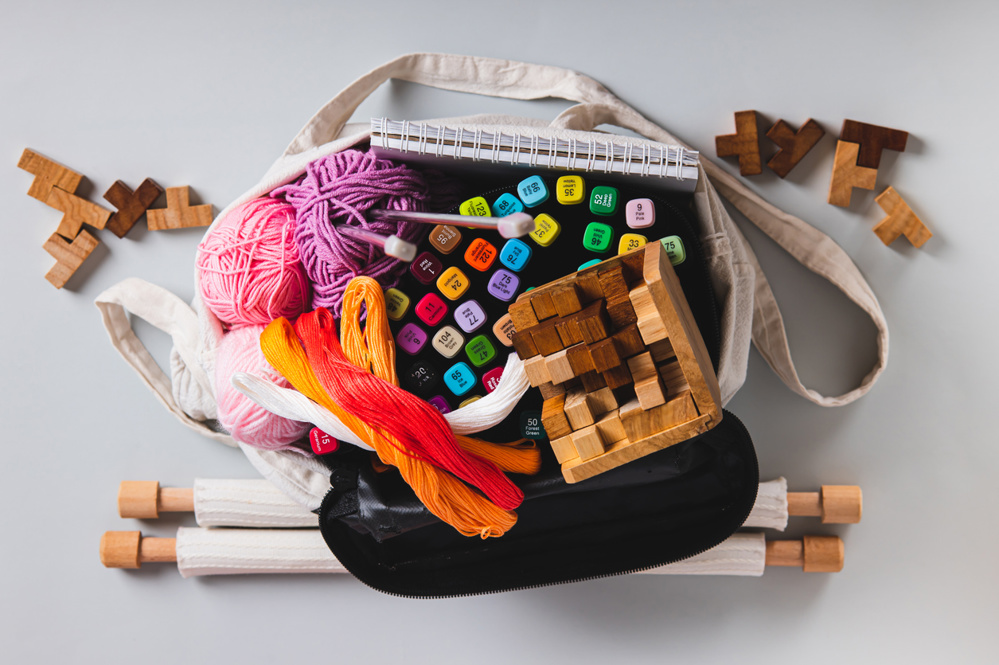
Not long ago, status symbols often revolved around owning the newest gadgets or keeping up with every emerging platform. Today, a different kind of prestige is beginning to emerge. Activities like pottery, gardening, embroidery, watercolor painting, journaling, baking, and crochet increasingly signal creativity, patience, and the ability to step away from constant digital stimulation.
These hobbies have gained visibility because they produce tangible results that people genuinely value. A handmade sweater, ceramic mug, sketchbook, or garden represents hours of focused effort rather than a few seconds of online engagement. That emphasis on craftsmanship appeals to people who want hobbies that feel rewarding even when no one else is watching.
The growing popularity of these slower activities also reflects changing ideas about success and wellness. Instead of measuring productivity solely through work or online influence, many people now place greater value on creative fulfillment, learning practical skills, and spending uninterrupted time doing something meaningful. These hobbies have become symbols of a more balanced way of living.
What the Analog Living Shift Actually Changes Long-Term
As more people adopt analog habits, the effects extend beyond individual routines and begin influencing broader cultural trends. Independent bookstores, vinyl shops, craft fairs, maker spaces, and neighborhood workshops continue attracting new audiences. Businesses, educators, and community organizations are increasingly recognizing the value of creating spaces that encourage face-to-face interaction and focused creativity.
The movement also encourages people to rethink how they spend both time and money. Instead of purchasing endless digital subscriptions or constantly upgrading devices, many choose experiences that last longer, whether that's building a personal library, learning a craft, or investing in quality items designed to be repaired rather than replaced. These choices often support local businesses while reducing impulse-driven consumption.
Although technology will remain central to modern life, the growing interest in analog experiences suggests that many people are seeking a healthier balance between convenience and presence. Rather than allowing algorithms to shape every moment, they're becoming more deliberate about how they spend their attention, strengthen relationships, and build routines that support long-term well-being.
Conclusion
Analog living isn't a rejection of technology—it's a response to how deeply technology has become woven into everyday life. As digital burnout continues influencing work, entertainment, and relationships, more people are choosing slower habits that encourage focus, creativity, and meaningful human connection. From vinyl records to neighborhood book clubs, these experiences offer uninterrupted presence.
What makes this movement especially significant is that it reflects a broader cultural shift rather than a passing aesthetic trend. Younger generations are redefining what balance looks like by embracing both digital convenience and offline experiences in thoughtful ways. In doing so, they're shaping a version of pop culture that values intention over constant consumption, proving that sometimes the most modern choice is simply slowing down.