Energy Conversion Basics for Off-Grid Power, Batteries, and Solar Planning
Living off the grid has become more popular than ever, whether you're building a remote cabin, traveling in an RV, preparing an emergency backup system, or simply looking to become less dependent on utility companies. While modern solar equipment is more efficient and affordable than it once was, designing a reliable off-grid power setup still requires careful planning. Understanding how electricity flows through your system helps you make smarter decisions before you invest in expensive equipment.
Fortunately, you don't need to be an electrical engineer to understand the basics. Once you learn how solar panels, batteries, charge controllers, and inverters work together, you'll find that planning an off-grid installation is much more approachable than it first appears. The sections below break the process into manageable steps so you can build a dependable system that matches your energy needs and future goals.
How Off-Grid Solar Systems Work
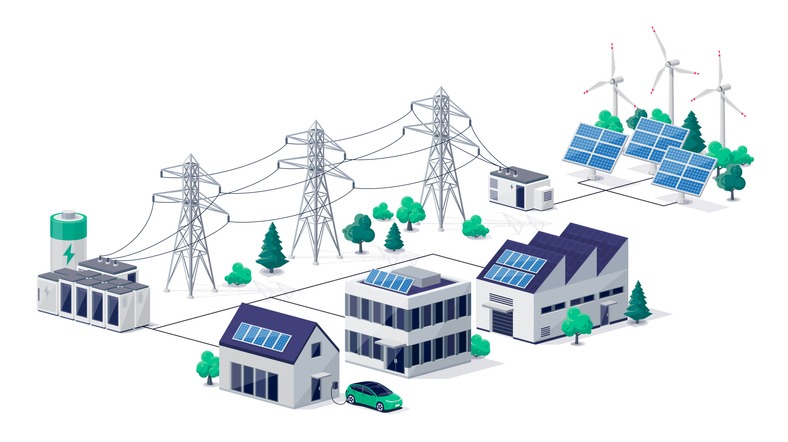
An off-grid solar system generates and stores its own electricity without relying on a public utility network. Instead of drawing power from the electrical grid, it captures sunlight through solar panels, stores that energy inside batteries, and supplies electricity whenever your home or equipment needs it. Every component has a specific job, and understanding how they work together is the first step toward building a reliable installation.
The process begins when sunlight reaches the solar panels and is converted into direct current (DC) electricity. That electricity then travels to a charge controller, which carefully regulates voltage and current to protect the battery bank from overcharging or excessive discharge. Once electricity is stored, an inverter converts the DC power into alternating current (AC), allowing everyday appliances like refrigerators, lights, televisions, computers, and kitchen equipment to operate normally.
The energy follows the same path every day: solar panels → charge controller → batteries → inverter → household loads.
A dependable off-grid setup isn't just about choosing quality equipment. Regular maintenance, clean solar panels, healthy batteries, and secure electrical connections all contribute to long-term performance. Seasonal weather also affects production, so understanding how each component works together makes it much easier to adapt your electricity use throughout the year instead of being surprised by changing conditions.
From Panels to Outlets: The Off-Grid Energy Chain
Every watt your home consumes follows a carefully controlled path before reaching a light switch or appliance. Understanding this sequence helps explain why each component deserves careful attention during the planning process.
Solar panels generate electricity only while receiving sufficient sunlight. That electricity first enters the charge controller, which prevents batteries from becoming overcharged or excessively discharged. The battery bank stores electricity for later use, making it available during cloudy weather or nighttime hours. Finally, the inverter transforms the stored DC electricity into AC electricity that powers televisions, refrigerators, computers, lighting, and other household equipment.
Because every stage depends on the previous one, small inefficiencies can affect the entire installation. An undersized charge controller may limit charging performance, while poor ventilation around batteries or inverters can shorten equipment life. Even loose electrical connections create unnecessary energy losses over time.
How to Calculate Your Daily Energy Load
Before purchasing solar panels or batteries, you need to know how much electricity you'll actually consume each day. This step is often called an energy audit, and it's one of the most important parts of planning because every other sizing decision depends on it.
Overestimating your needs increases costs unnecessarily, while underestimating them may leave you without enough power when you need it most. An energy conversion calculator can also be a helpful companion when working through different electrical measurements and unit conversions during the planning process.
Begin by listing every appliance or device you expect to use. Record its wattage along with the average number of hours it operates each day. Multiply those two numbers to determine daily watt-hours, then add everything together to calculate your total daily energy requirement. Don't forget smaller devices like Wi-Fi routers, phone chargers, security systems, or standby electronics. Although they consume relatively little power individually, they can collectively account for a surprising amount of daily electricity.
Real-life energy needs vary considerably depending on how you plan to use your off-grid setup. A weekend fishing cabin may only need lighting, refrigeration, and occasional phone charging, while a full-time home may support computers, washing machines, water pumps, and kitchen appliances. Calculating your actual usage instead of relying on estimates gives you a much stronger foundation for selecting the right equipment.
How to Size Your Battery Bank for Off-Grid Reliability
Once you've calculated your daily electricity consumption, the next step is determining how much battery storage you'll need. Batteries provide electricity when solar panels aren't producing enough power, making them one of the most important investments in any off-grid installation. The right battery bank should comfortably support your daily usage while providing additional reserve capacity during poor weather.
Depth of discharge plays a major role in battery sizing. Traditional flooded lead-acid batteries generally perform best when only about half of their stored capacity is used before recharging, while many lithium batteries can safely use 80 percent or more of their available storage. This difference means two battery technologies may require different capacities even if they're supporting the same household.
It's also wise to build extra capacity into your design. Several cloudy days, unexpected visitors, or seasonal changes in sunlight can increase electricity demands beyond your normal calculations. Many experienced off-grid owners size their battery banks to provide two or three days of reserve power, creating a much more dependable energy supply throughout the year.
Common Off-Grid Planning Mistakes to Avoid
One of the biggest mistakes beginners make is purchasing equipment before developing a complete plan. Solar panels often receive the most attention, but batteries, charge controllers, wiring, and inverters all need to be sized as part of one balanced installation. Focusing on individual components instead of the entire setup frequently leads to disappointing performance and unnecessary expense.
Another common problem is underestimating everyday electricity use. Large appliances are easy to remember, but smaller devices operating continuously can quietly increase daily consumption. Similarly, many people size their solar array using average summer sunlight rather than the shorter, less productive days of winter. A setup that performs perfectly in July may struggle significantly during December if seasonal changes weren't considered during the planning stage.
Ventilation and future maintenance are also overlooked surprisingly often. Batteries and inverters generate heat, and excessive temperatures reduce efficiency while shortening equipment lifespan. Designing your installation with proper airflow, easy equipment access, and room for future expansion helps prevent many common problems while making routine maintenance much easier over the years.
How to Match Solar Panel Output to Your Energy Demand
Once you've determined how much electricity you'll use and how much battery storage you'll need, the next step is sizing your solar array. Your panels must generate enough electricity not only to power your daily appliances but also to fully recharge your batteries after periods of heavy use or cloudy weather.
Begin by taking your total daily energy consumption in watt-hours and dividing it by the average peak sun hours for your location. This provides a good estimate of the total solar capacity required. However, don't plan only for average conditions. If your property experiences frequent cloudy days or long winters, sizing your array for the lowest-production months provides a much more dependable power supply throughout the year.
Panel consistency also matters. Mixing different panel sizes, ages, or manufacturers within the same array can reduce overall performance because weaker panels limit the output of stronger ones. Whenever possible, use panels with matching electrical specifications to maximize production. A carefully sized array helps maintain healthy battery charging while reducing the need for backup generators during extended periods of poor weather.
What an Inverter Does and How to Size It Correctly
While solar panels and batteries receive much of the attention, the inverter is what makes stored electricity useful inside your home. It converts direct current (DC) from your battery bank into alternating current (AC), allowing ordinary household appliances to operate just as they would on utility power. Without an appropriately sized inverter, even a well-designed solar installation won't perform as expected.
Choosing the correct inverter begins by identifying which appliances may operate simultaneously. Add together the wattage of those devices, then include an additional safety margin of around twenty percent to accommodate startup surges from refrigerators, pumps, freezers, and other motor-driven equipment. This reserve capacity prevents unnecessary overloads while allowing the inverter to operate more efficiently under changing electrical demands.
You'll also need to decide between modified sine wave and pure sine wave technology. Although modified sine wave models are generally less expensive, pure sine wave inverters produce cleaner electricity that's compatible with sensitive electronics, modern appliances, medical devices, and computers. For most residential off-grid installations, a pure sine wave inverter offers greater flexibility and long-term reliability.
How to Protect Your Off-Grid System with the Right Hardware
Reliable electrical equipment deserves equally reliable protection. Safety devices don't simply satisfy electrical codes—they help protect expensive components while reducing the risk of equipment damage, electrical fires, and personal injury. Investing in proper protection during installation often prevents much larger repair costs later.
Every major electrical connection should include correctly rated fuses or circuit breakers capable of interrupting excessive current before wiring overheats. Surge protection is equally valuable because nearby lightning strikes or sudden voltage spikes can permanently damage sensitive electronics like charge controllers and inverters. Proper grounding also provides a safe path for fault current while helping stabilize the entire electrical installation.
Taking time to install these protective devices correctly provides confidence that your investment is protected during both everyday operation and unexpected electrical events. Combined with quality wiring and careful installation practices, they contribute significantly to the long-term reliability of your off-grid setup.
How to Commission Your Off-Grid Solar System Safely
Once installation is complete, bringing your off-grid system online should be done carefully rather than all at once. Commissioning is your opportunity to verify that every connection, setting, and protective device is functioning correctly before placing the installation under full electrical load. Taking a methodical approach greatly reduces the likelihood of equipment damage during startup.
Begin by inspecting wiring, confirming fuse ratings, reviewing charge controller settings, and checking battery voltage. Energize the charge controller first, followed by the inverter once charging appears normal. Test the installation using a small appliance before gradually introducing larger electrical loads. Throughout the process, monitor temperatures, voltage readings, warning indicators, and error messages that could point to installation problems.
This gradual startup procedure provides valuable peace of mind. If an issue appears, it's much easier to isolate and correct while only a few devices are operating. Careful commissioning protects your equipment, confirms safe operation, and establishes a solid foundation for years of dependable service.
Conclusion
Building a dependable off-grid solar system is about much more than selecting individual components. Every decision contributes to the overall reliability of your installation. When these elements are planned together instead of separately, your setup becomes far more efficient, dependable, and prepared for changing conditions throughout the year.
Whether you're powering a remote cabin, a homestead, or an emergency backup system, understanding the complete energy conversion process gives you the confidence to make informed decisions before investing in equipment. With thoughtful planning, quality components, regular maintenance, and careful monitoring, an off-grid solar installation can provide reliable renewable energy for many years while giving you greater independence wherever you choose to live or travel.