How to Choose the Right Location for Your Tiny Home

Choosing the right location for your tiny home involves evaluating several key factors that will impact your daily life and long-term satisfaction. Start by reviewing local zoning regulations to ensure that you can legally place your tiny home in your desired area. Additionally, assess the availability of essential utilities like water, electricity, and sewage systems, as these are critical for your daily needs. Environmental factors, including soil quality and climate, also play a significant role in your decision-making process. Balancing these considerations will help you find the ideal spot for your tiny home. Let's explore this further.
Factors to Consider
When selecting a location for your small home, consider the proximity to essential amenities like grocery stores, hospitals, and public transportation, as these conveniences can significantly impact your daily life and overall satisfaction.
First, review local zoning regulations and building codes. These rules can vary widely and affect where you can park or build your small house. Some areas may restrict small house parking, while others might be more accommodating. Ignoring these regulations can lead to costly penalties or forced relocation.
Next, consider the availability of utilities. Your small home will need access to electricity, water, sewage disposal, and reliable internet connectivity. Ensure these utilities are either already available or can be feasibly installed before finalizing a site.
Additionally, evaluate environmental factors. Check the soil quality to ensure it's suitable for parking or constructing your small home. Consider the local climate and potential risks from natural disasters like floods, earthquakes, or wildfires. Proper site orientation can also enhance energy efficiency by maximizing natural light, ventilation, and temperature control.
Location and Accessibility
Choosing a location for your tiny home isn't just about the view; you should ensure easy access to roads or highways for convenience and practicality. Proximity to essential services like grocery stores, hospitals, and other amenities is vital. Living in a tiny house means you'll want to make sure that your daily needs are easily met without extensive travel.
When selecting land for your tiny home, prioritize safety. Choose a secure, low-crime area to provide peace of mind. Accessibility also extends to transportation options. Good public transportation can improve your mobility and connectivity, especially if you don't plan to use a car frequently.
Key considerations include:
| Key Factor | Importance |
|---|---|
| Proximity to Amenities | Easy access to daily essentials |
| Road/Highway Access | Convenience for travel |
| Safety | Peace of mind |
| Transportation Options | Improved mobility |
| Recreational Opportunities | Well-rounded living experience |
Additionally, nearby recreational opportunities like parks and green spaces can contribute to a well-rounded living experience. You don't just want a tiny house; you want a tiny home that fits your lifestyle and makes life easier. So, when choosing your land, keep these factors in mind to ensure your tiny home location meets all your needs.
Environmental Factors

When selecting a site for your tiny home, assess soil quality and ground stability to ensure a solid foundation. Consider the local climate and weather patterns, as these will influence your comfort and energy efficiency. Additionally, evaluate natural disaster risks to maintain the safety and security of your home.
Soil and Ground Stability
Evaluating soil and ground stability is crucial to ensure your tiny home's foundation remains secure. Start by assessing the soil quality to confirm it can support your tiny home's foundation. Poor soil quality can lead to structural issues, such as a sinking foundation. Conducting soil tests is essential to determine if the ground stability is adequate for construction.
Additionally, consider potential risks like landslides or soil erosion, as these natural occurrences can significantly affect your tiny home's safety and longevity. It's not just about the soil; overall ground stability is equally important.
To get a comprehensive understanding, consult with a geotechnical engineer. These professionals can evaluate soil conditions and overall ground stability, providing you with reliable information. They can also check for soil contaminants that could impact your health or the environment.
Climate and Weather Patterns
After verifying ground stability, it's essential to consider the climate and weather patterns that will affect your tiny home's comfort and durability. Start by evaluating the average temperature, precipitation, and seasonal variations in the area. These factors influence how you'll need to heat, cool, and insulate your tiny home.
Check for extreme weather events like hurricanes, tornadoes, or heavy snowfall that could compromise your tiny home's structural integrity. Researching local weather trends and natural disasters is also crucial, as these can vary significantly by region. This will help you understand the challenges you may face and how best to prepare.
| Consideration | Impact on Tiny Home |
|---|---|
| Average Temperature | Affects heating and cooling needs |
| Precipitation | Influences moisture control and drainage |
| Seasonal Variations | Determines insulation and ventilation needs |
Lastly, choose a location with a climate that aligns with your preferences and lifestyle. If you prefer a mild climate, avoid areas prone to extreme weather patterns. Properly understanding these environmental factors ensures year-round comfort and the longevity of your tiny home. Don't overlook these critical elements, as they play a pivotal role in your tiny home's success.
Natural Disaster Risks
Assessing the risk of natural disasters is essential when selecting a location for your tiny home. Begin by researching historical data on natural disasters such as hurricanes, tornadoes, earthquakes, and floods in the area you are considering. This information will provide a clearer understanding of the environmental factors that could impact your tiny home.
Seek areas with minimal environmental risks. If avoiding risk zones is not possible, implement preventive measures to protect your tiny home. For example, securely anchoring your home can help reduce earthquake damage, while raised foundations can protect against floods.
Evaluate your proximity to hazard zones like fault lines, floodplains, or areas prone to wildfires. Being close to these zones can significantly affect your safety and the durability of your tiny home. Additionally, consult local authorities or experts to understand specific zoning regulations and building restrictions. These regulations often include guidelines to minimize natural disaster risks, ensuring your tiny home is as safe and resilient as possible. Taking these steps will help you make an informed decision about the best location for your tiny home.
Utilities Availability
When selecting a site for your tiny home, ensure the availability of essential utilities such as electricity, water, and sewage disposal. Reliable power sources, a sufficient water supply, and effective waste management are crucial for comfortable living. Consider the expenses and logistics of connecting these utilities before finalizing your choice.
Electricity and Power Sources
Securing reliable electricity for your tiny home is essential for a comfortable living experience. When selecting a site for your tiny house, verify if it offers electricity hookups. Access to power is crucial for meeting your electrical needs, whether you plan to live on the grid or pursue off-grid living.
First, consider the proximity to power sources. If connecting to the grid, assess the cost and feasibility. For off-grid living, alternative power options like solar panels or generators are viable solutions. Ensure that the site can support these systems effectively.
Here's a quick comparison to help you decide:
| Criteria | Grid Connection | Off-Grid Living |
|---|---|---|
| Initial Setup Cost | Potentially high | Can be lower with solar |
| Maintenance | Handled by utility company | Requires self-maintenance |
| Reliability | Consistent power supply | Weather-dependent |
Ensure the location can meet your tiny home's energy needs. Some areas may have limited access to reliable power sources, impacting your daily life. Evaluating these factors in advance will ensure you have the necessary utilities to support your tiny home living experience.
Water Access and Supply
Reliable water access is essential for your small home's drinking, cooking, and sanitation needs. When selecting a location for your tiny home, explore various water sources such as wells, municipal systems, or rainwater harvesting. Before finalizing a spot, verify that the area provides adequate water access to meet your daily requirements.
Check the zoning regulations of your chosen site to ensure there are no restrictions on water usage. Some regions may have specific guidelines or potential water scarcity issues that could impact your lifestyle. Additionally, assess the quality of the available water. It should meet health and safety standards to avoid issues related to contamination or poor quality.
If the water supply in your preferred location is uncertain, consider implementing water storage solutions or filtration systems. These options can help maintain a safe and reliable water source for your tiny home. Consult with local authorities or nearby residents about any existing water access challenges. By thoroughly researching and preparing for water access, you can ensure that your tiny home location supports a comfortable and sustainable living environment.
Sewage and Waste Disposal
Once you've secured a reliable water source, addressing sewage and waste disposal is crucial to ensure your tiny home remains functional and compliant with local regulations. Start by checking if your location has access to municipal sewage systems. Connecting to these can simplify waste management, but not all areas offer this convenience.
If municipal connections are unavailable, consider alternatives such as septic tanks. Installing a septic tank involves costs and logistical considerations, including regular maintenance to avoid potential issues. Assess the environmental impact of your waste disposal methods. Sustainable options can lower your ecological footprint and are often recommended by local authorities.
Adhering to health codes is essential. Local regulations will specify requirements for sewage and waste disposal. Non-compliance could lead to fines or legal issues. Research and understand the health codes in your area before finalizing your tiny home location.
Alternative Land Options
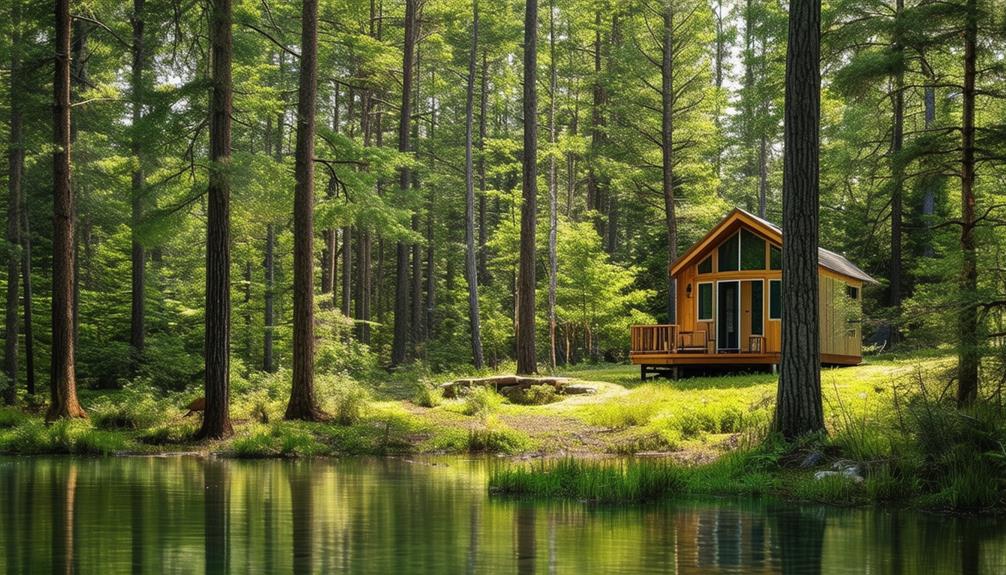
Exploring alternative land options, such as renting from private landowners, can provide a cost-effective solution for placing your tiny home. Renting land from a private landowner may involve small payments or even bartering for services. To find such opportunities, you can use online platforms like Craigslist or Facebook, which often feature listings for private land rentals. These platforms enable direct connections with landowners willing to rent out their space.
Another effective approach is to engage with tiny home communities on social media. These groups frequently share valuable insights and leads on available land. By networking within these communities, you can identify land that matches your needs and budget. Ensure that any rental agreement includes proper hookups and meets both your expectations and legal requirements.
While renting private land can be economical, be aware of potential risks, such as being asked to leave without notice. Always verify the legal status of the site for tiny house placement to avoid any surprises. Taking these steps will help you secure a suitable and stable location for your tiny home without incurring excessive costs.
Regulations and Compliance
Navigating the maze of regulations and compliance is essential to ensure your tiny home project proceeds smoothly and legally. Begin by verifying local zoning regulations to confirm that your chosen location permits tiny homes, as zoning laws can vary widely from one area to another.
Next, acquaint yourself with the building codes and safety standards that apply to tiny homes. Building codes will outline structural requirements, while safety standards ensure your home is safe for habitation. For example, these codes may specify minimum ceiling heights, stair dimensions, or electrical system standards.
Consulting professionals can offer invaluable guidance on regulatory requirements specific to your area. Experts can help you understand the nuances between permanent and temporary structures, each of which may have different compliance obligations.
Consider the long-term implications of these regulations on your project. Ensuring compliance from the outset will help you avoid legal issues in the future. By thoroughly understanding local zoning regulations, building codes, and safety standards, you'll be well-equipped to make informed decisions and keep your tiny home journey on track.
States Allowing Tiny Homes
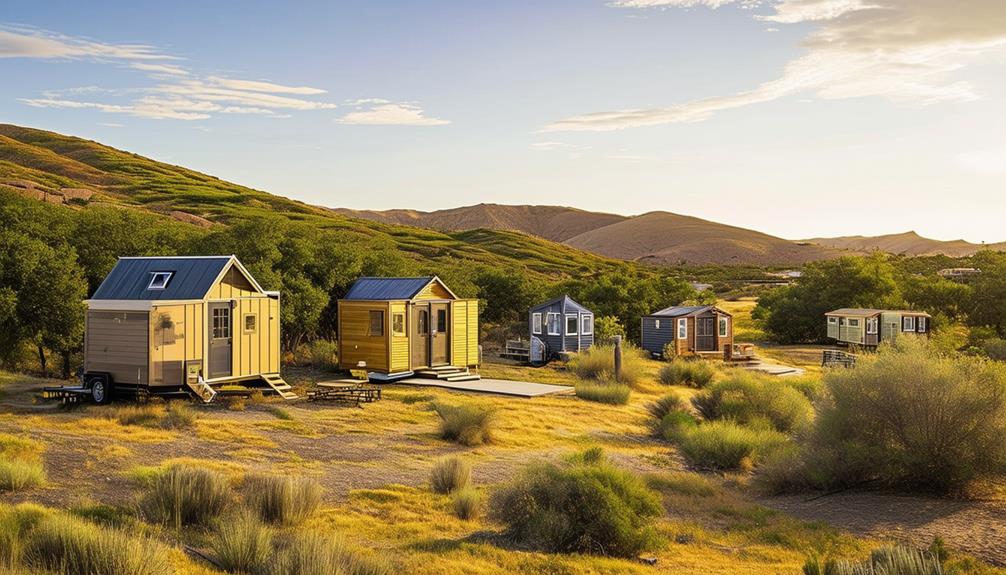
Navigating the regulations for tiny homes is crucial for finding the right place to build or park your tiny house. Here is a breakdown of the rules in four states that allow tiny homes:
- California: Tiny homes can be placed on foundations if they comply with the National Residential Code or California Building Standards. The state offers flexibility but requires adherence to specific local laws and zoning codes.
- Texas: Many counties in Texas welcome tiny homes, provided they meet local building codes and safety restrictions. This makes Texas an attractive option for those seeking fewer regulatory hurdles.
- Florida: Certain counties in Florida have minimal square footage requirements, making it easier to establish a tiny house community or find a suitable parking spot for your home.
- Colorado: Regulations can be stricter, especially for tiny homes on wheels. Local laws and zoning codes vary by county, necessitating thorough research to ensure compliance.
Choosing the Right Site
How can you ensure the site you choose for your tiny home meets all your needs and complies with local regulations? Start by investigating zoning regulations in your desired area to verify that tiny homes are permitted. Local laws can vary greatly, so you'll need to know if your tiny home on wheels or a permanent foundation is allowed.
When buying land, consider the availability of essential utilities. Check for access to water, electricity, and sewage systems. Without these, you might incur high costs for installation or alternative solutions.
Look for a level and unobstructed site. This simplifies the placement of your tiny home and minimizes construction complications. Natural light and ventilation are crucial. A site with good sunlight exposure can make your home more energy-efficient and comfortable. Prioritize privacy. Choose a location with natural barriers like trees or hills to reduce noise disturbances and enhance seclusion.
Here's a quick reference:
| Consideration | Why It Matters |
|---|---|
| Zoning Regulations | Ensures compliance with local laws |
| Utilities | Access to water, electricity, and sewage |
| Site Levelness | Simplifies placement and construction |
| Natural Light | Enhances energy efficiency and comfort |
| Privacy | Reduces noise and enhances seclusion |