What Do You Need to Budget for If You're Interested in Living Off-Grid?
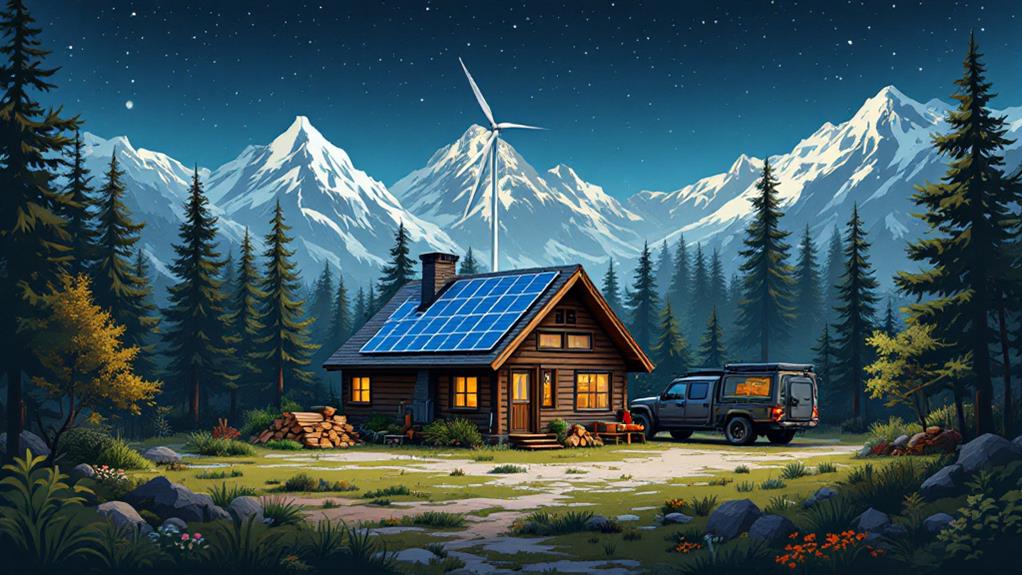
To live off-grid, you'll need to budget for several key components. Start with land acquisition and development costs, including zoning considerations. Factor in housing options like RVs, tiny homes, or alternative construction methods. Don't forget power generation expenses, such as solar arrays and battery storage. Water supply and management systems are essential, as are waste management solutions. Budget for food production and storage equipment to enhance self-sufficiency. Finally, consider transportation needs and property accessibility, including vehicle costs and road improvements. By carefully evaluating these aspects, you'll be better prepared to undertake your off-grid journey and uncover the true costs involved.
Land Acquisition and Development
When it comes to living off-grid, acquiring and developing suitable land is the first major hurdle you'll face. You'll need to find the right balance between your budget and desired location, as the price of land can vary dramatically from $1,500 to $196,000 per acre. Factors like water access, scenic views, and distance from cities will significantly impact costs.
To build an off-grid home, you don't necessarily need a lot of land, but you should be able to find a property that meets your needs and local regulations. Research zoning laws carefully to guarantee your intended use aligns with permitted activities. You might save money by purchasing land with existing structures, reducing overall development costs.
How Much Does It Cost to prepare your land for off-grid living? Site development expenses can range from $5,000 to $50,000, covering tasks like creating access roads and clearing vegetation. Don't forget to budget for these pivotal steps. By carefully considering all aspects of land acquisition and development, you'll be better prepared to commence your off-grid journey.
Off-Grid Housing Options
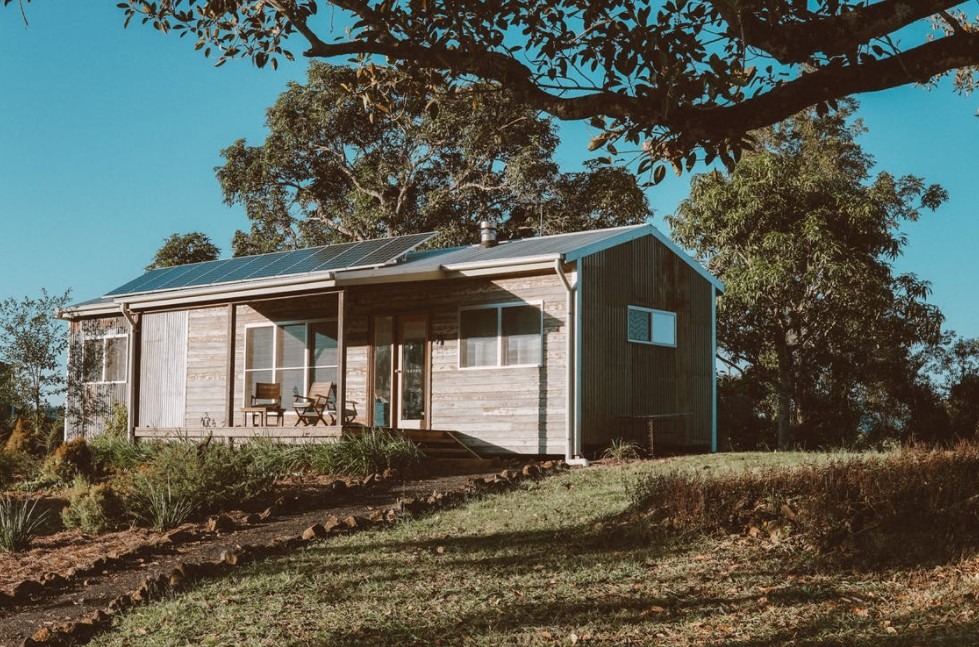
Out of the many options for off-grid housing, you'll need to choose one that fits your budget, lifestyle, and location. Living off the Grid doesn't have to break the bank, as there are various cost-effective solutions available. If you're looking for a quick and affordable option, consider a used RV or trailer, which can cost as little as $5,000. These mobile homes can be easily equipped with solar panels for power generation.
For those who prefer to build their own home, custom off-grid structures can be constructed using affordable methods like earthbag or straw bale. These techniques can help you create a unique living space for $5,000 to $10,000. Tiny homes are another popular choice, offering compact and minimalist living at a lower cost.
To further reduce expenses, you can use repurposed or salvaged materials in your construction. This approach not only saves money but also adds character to your off-grid dwelling. Some off-grid communities provide shared resources and land, which can considerably decrease your initial investment. Whichever option you choose, remember that the cost to live off-grid will vary based on your specific needs and circumstances.
Power Generation and Storage
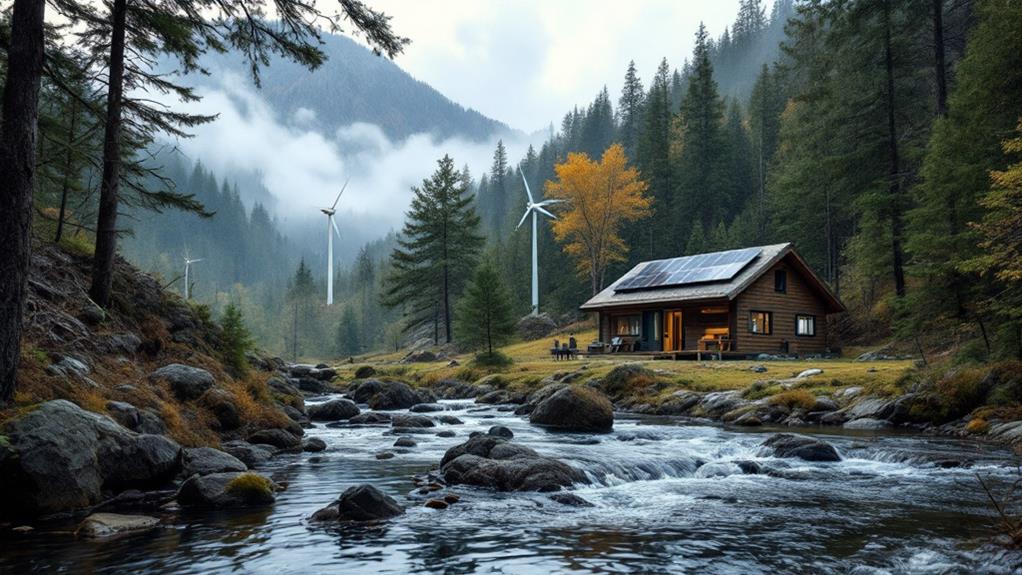
At the heart of off-grid living lies a reliable power generation and storage system. When budgeting for your off-grid power needs, you'll need to ponder several key components. A solar array, the primary source of renewable energy for most off-grid homes, can cost between $10,000 and $50,000. This price varies based on your energy requirements and home size.
For energy storage, you'll need to choose between lithium-ion and lead acid batteries. Lithium-ion options, while more expensive at $5,000 to $20,000, offer better performance and longevity compared to lead acid alternatives. Don't forget to include a charge controller in your budget to regulate battery charging.
To ensure uninterrupted power during cloudy periods, you'll want to invest in a backup generator, which can range from $1,000 to $5,000. Proper sizing of your solar array, batteries, and generator is fundamental for meeting your off-grid power needs.
You can significantly reduce your required solar and battery capacity by investing in energy-efficient appliances and minimizing electricity usage. This approach not only saves money but also aligns with the sustainable ethos of off-grid living and off-grid communities.
Water Supply and Management
A reliable water supply is essential for off-grid living. When planning your off-grid water system, you'll need to evaluate several options and their associated costs. Installing a well can range from $5,000 to $15,000, depending on your location and the depth required. Alternatively, collecting rainwater is a popular choice, with harvesting systems typically costing between $5,000 and $10,000 for storage tanks and plumbing.
If you're considering using surface water from lakes, rivers, or streams, be prepared to invest in additional filtration and treatment equipment to guarantee safe drinking water. When designing your water supply system, factor in your energy needs for pumping and heating water. Off-grid living often requires creative solutions to reduce reliance on fossil fuels, so ponder solar water heaters or gravity-fed systems where possible.
To maximize your water resources, implement water conservation strategies. Install low-flow fixtures, reuse greywater, and practice xeriscaping to reduce overall water demand. By combining these approaches, you can create a sustainable and cost-effective water supply system that meets your needs while living off-grid.
Waste Management Systems

Tackling waste management is essential for successful off-grid living. When planning your off-grid life, you'll need to consider several options for handling waste, each with its own costs and benefits. Composting toilets, which can cost $1,000 to $3,000, offer an eco-friendly alternative to traditional septic systems. They're a great option if you're looking to minimize your environmental impact and save a lot of money in the long run.
Greywater systems, ranging from $500 to $5,000, recycle water from sinks and showers for irrigation. This can be especially useful if you're in an area with limited water resources. Incinerating toilets, costing $1,500 to $5,000, are another option that eliminates the need for a septic tank and can be powered by alternative energy sources like wind power.
To make the most of your off-grid waste management system:
- Combine multiple solutions for maximum efficiency
- Evaluate your climate and available resources
- Factor in ongoing maintenance costs
Food Production and Storage
Self-sufficiency in food production and storage is a cornerstone of off-grid living. To achieve this, you'll need to budget for several key components. Starting a productive garden or farm can set you back $1,000 to $5,000 for initial soil treatment, tools, seeds, and supplies. If you're considering raising chickens for eggs and meat, factor in an additional $500 to $1,000 for a coop, chicks, and feed.
Preserving your harvest is indispensable, so allocate $100 to $1,000 for canning, dehydrating, or root cellaring equipment. Long-term food storage may require a walk-in freezer or large chest freezer, costing between $500 and $2,000. For a sustainable year-round food source, consider integrating aquaponics or hydroponics systems, which can cost $1,000 to $5,000 initially.
When budgeting for off-grid food production and storage, remember that these investments will pay off in the long run. By growing your own food, raising chickens, and implementing effective preservation methods, you'll reduce your reliance on external food sources. This self-sufficiency not only saves money over time but also guarantees a consistent food supply, regardless of external circumstances.
Transportation and Access Considerations

Transportation and access are essential aspects of off-grid living that you'll need to budget for carefully. Your off-grid life will require reliable transportation to move supplies and materials, which can cost much money upfront. You'll need to decide whether to build or buy a suitable vehicle, with costs ranging from $5,000 to $50,000 or more. Don't forget to factor in annual maintenance and insurance expenses, which can add $1,000 to $5,000 to your cost to live off-grid.
Accessibility to your property is paramount, and you may need to build or improve a driveway. Consider these key factors:
- Distance from paved roads
- Quality of existing paths
- Amount of road bed material needed
Improving access can cost $4,600 or more for 100 tons of road bed material. Your location will also impact ongoing fuel costs for trips to town, ranging from $500 to $3,000 annually. When budgeting for off-grid living, carefully evaluate your transportation needs and property accessibility. Investigate different options to find the most cost-effective solutions for your unique situation.
Frequently Asked Questions
How Much Money Do You Need to Start Living Off-Grid?
To start living off-grid, you'll need between $50,000 and $150,000 on average. This covers land purchase fees, which can vary widely. You'll also need to budget for solar panel costs, off-grid utilities setup, and a water filtration system. Don't forget sustainable food production methods and emergency preparedness supplies. Keep in mind that costs can range from $10,000 for a bare-bones setup to $500,000 for a more luxurious off-grid home, depending on your chosen location and lifestyle.
How to Live Off-Grid on a Budget?
To live off-grid on a budget, start by embracing a minimalist lifestyle and focusing on essentials. Invest in alternative energy sources like solar panels or wind turbines. Set up water collection systems for rainwater harvesting. Practice sustainable gardening to grow your own food. Consider off-grid transportation options like bicycles or electric vehicles. Investigate affordable off-grid housing options such as tiny homes, yurts, or converted vehicles. Gradually build your self-sufficiency skills and systems over time to keep costs manageable.
Do You Have to Pay Bills if You Live off the Grid?
While you'll eliminate most traditional utility costs by living off-grid, you'll still have bills to pay. You'll need to budget for property taxes, transportation needs, and medical expenses. Don't forget to set aside money for emergency funds and system maintenance. If you want to stay connected, you'll have internet and communication expenses. Although you're self-sufficient, you're not entirely bill-free. Plan accordingly to manage these ongoing costs and enjoy your off-grid lifestyle.
Is Living off the Grid More Expensive?
Initially, living off-grid can be more expensive due to high upfront costs. You'll need to budget for self-sufficiency costs like renewable energy systems and water supply expenses. However, you'll see long-term savings through energy independence and reduced utility bills. Food production budgets and transportation alternatives can also impact your expenses. Don't forget land acquisition planning, which can be a significant investment. While the initial outlay is higher, off-grid living can be more cost-effective over time, especially if you're committed to the lifestyle.