Top 10 Benefits of Tiny Home Living
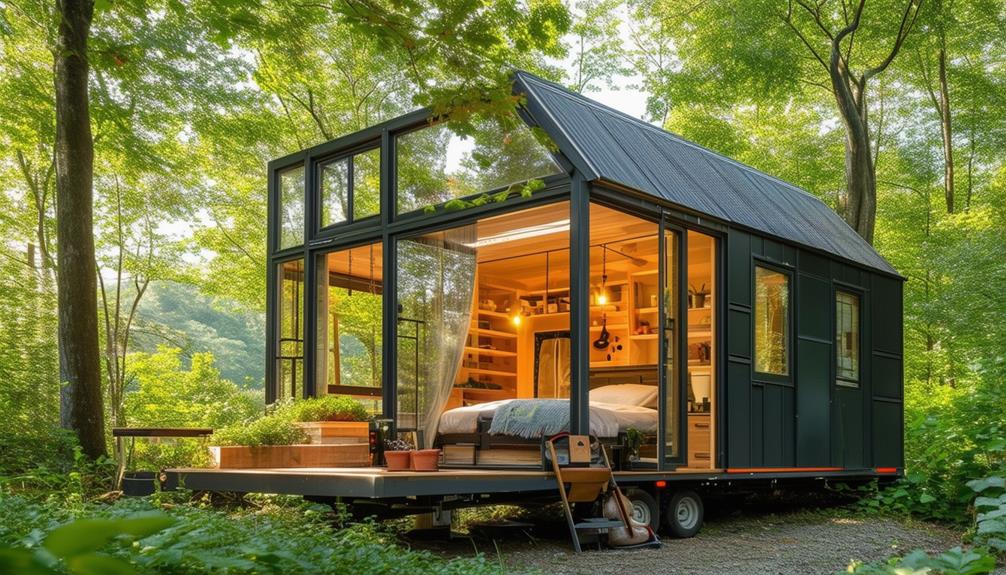
Imagine a lifestyle where financial freedom and eco-friendly living converge seamlessly. Choosing a tiny home can significantly reduce your expenses and lower your environmental impact. The benefits extend beyond cost savings; a simplified lifestyle results in less clutter and stress, while the mobility of a tiny home offers unparalleled flexibility. Maintenance becomes manageable, and the chance to creatively design your space adds a personal touch. Intrigued by how tiny home living can enhance your outdoor experiences and build a sense of community? There's so much more to explore.
Financial Freedom
Tiny home living offers significant financial freedom by drastically reducing construction and living expenses. With costs typically ranging between $30,000 to $60,000, tiny homes are much more affordable than traditional homes. This lower price translates to minimal or even no mortgage payments, allowing for increased savings and financial flexibility. Consequently, you can allocate your hard-earned money toward other investments or financial goals.
Opting for a tiny home frees you from the financial burdens of traditional homeownership. The reduced cost of living means you won't be weighed down by hefty monthly expenses. This financial freedom enables you to focus on achieving new milestones, whether it's traveling, investing in education, or enjoying a more comfortable lifestyle.
Additionally, tiny homes offer a sustainable and cost-effective housing solution, eliminating the need for loan refinancing. This streamlined approach ensures you maintain control over your finances, providing a solid foundation for a secure and independent future.
Eco-Friendly Living
Adopting a small home lifestyle significantly reduces your environmental footprint by using fewer materials and less energy. Due to its compact size, a small home requires less energy for heating and cooling, thereby lowering your carbon footprint compared to a traditional home.
Incorporating sustainable features is common in small homes. Many are equipped with solar panels, composting toilets, and rainwater collection systems, which enhance energy efficiency and support a self-sustaining lifestyle. Choosing eco-friendly materials, such as reclaimed wood and recycled metal, further reduces environmental impact.
Living in a small home naturally encourages minimalism, a lifestyle that reduces waste and promotes mindful consumption. With limited space, you focus on essentials, minimizing clutter and unnecessary purchases. Energy-efficient appliances align well with this lifestyle, helping conserve resources and lower utility bills.
Simplified Lifestyle
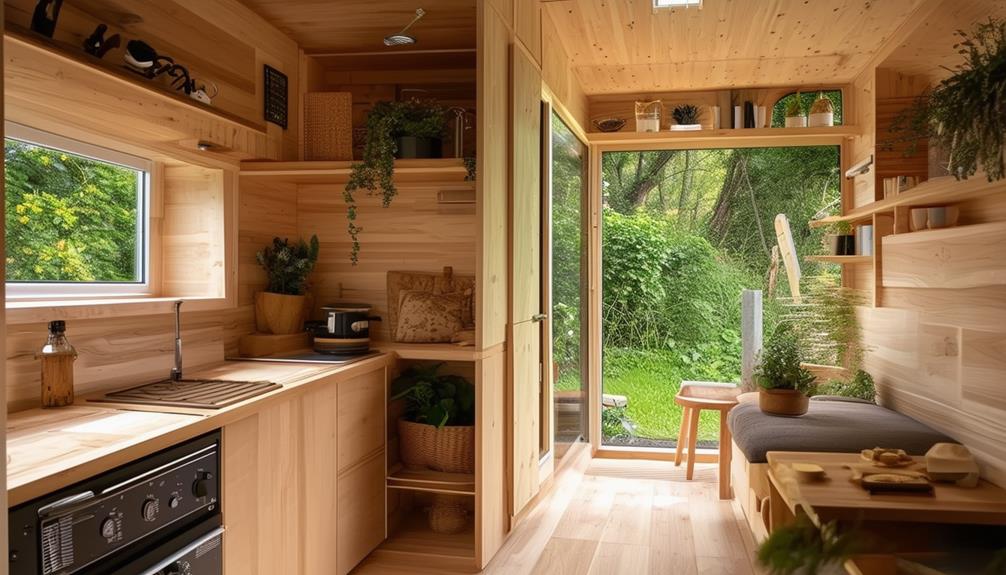
Living in a smaller, eco-friendly space naturally promotes a simplified lifestyle, emphasizing minimalism and reduced clutter. With limited square footage, you're encouraged to keep only essential items. This shift towards minimalism helps you declutter, eliminating items that don't serve a purpose and creating a more organized, stress-free environment.
Tiny home living also reduces the time and effort required for cleaning and maintenance. With fewer rooms and minimal clutter, cleaning routines become simpler, allowing you to spend more time on activities and hobbies you enjoy. This streamlined maintenance not only saves time but also contributes to improved mental well-being.
A simplified lifestyle in a smaller space can enhance happiness. When your living area is free of unnecessary items, you can focus more on what truly matters, such as personal growth and relationships. The stress-free environment fostered by minimalism can improve mental well-being, making you feel more at peace and content. By embracing a minimalist lifestyle in a tiny home, you're likely to experience increased overall happiness and satisfaction.
Mobility and Flexibility
Choosing a small home on wheels offers unparalleled freedom and flexibility, ideal for avid travelers. These homes can be easily hitched to a vehicle, allowing you to relocate effortlessly and explore new destinations without the complexities of selling or renting a traditional property.
Small homes are also conducive to off-grid living due to their low energy demands and the capacity to harness renewable energy sources like solar power. This makes it feasible to set up your home in remote, serene locations, far from urban commotion.
Key benefits of small homes include:
- Effortless Relocation: Easily move your home to new destinations at your convenience.
- Adventure-Friendly: Ideal for thrill-seekers and those who enjoy exploring new places without long-term commitments.
- Off-Grid Living: Leverage renewable energy sources to live in secluded, peaceful areas.
- Financial Freedom: Avoid traditional mortgage payments and allocate your savings to other investments.
Minimal Maintenance
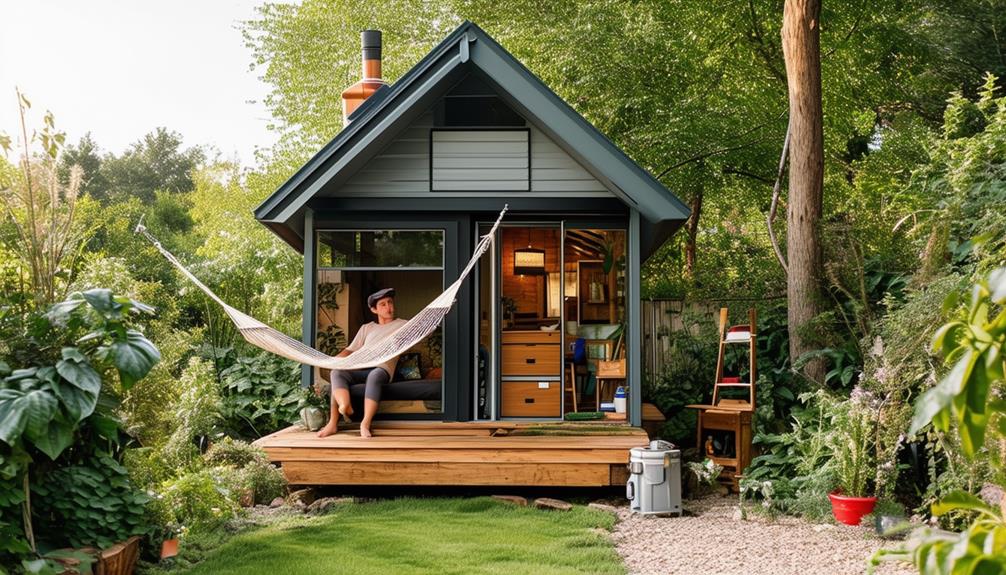
Tiny homes require significantly less maintenance due to their compact size. With fewer systems to manage, cleaning and repairs are quicker and simpler. This allows you to spend more time enjoying your hobbies and less time on chores.
Simplified Cleaning Routine
A tiny home requires minimal cleaning due to its limited space and fewer rooms. Living in a tiny home means spending less time on chores, allowing you to enjoy life more. The reduced living space makes cleaning routines quicker and more manageable, with less clutter to deal with, making it easy to keep your home neat.
Here are four reasons why a tiny home simplifies your cleaning routine:
- Less Space to Clean: Tiny homes have a smaller footprint, so there are fewer areas to vacuum, dust, and scrub. You can clean your entire home in a fraction of the time it would take for a larger house.
- Minimal Clutter: Tiny home living encourages you to keep only what you truly need. Fewer belongings make it easier to maintain a tidy and organized space.
- Effortless Maintenance: The compact size of a tiny home means that regular maintenance tasks like sweeping, mopping, and wiping down surfaces are quicker and less labor-intensive.
- More Free Time: With less time devoted to cleaning, you have more opportunities to pursue hobbies, spend time with loved ones, or simply relax.
In a tiny home, you'll enjoy the benefits of a simplified cleaning routine, making your life more efficient and less stressful.
Fewer Repairs Needed
Tiny homes reduce the need for repairs due to their smaller size and simpler construction. With fewer components to maintain, the likelihood of items breaking or wearing out decreases. This results in minimal upkeep, saving both time and money on maintenance and repairs. The reduced square footage means you can enjoy a more stress-free lifestyle.
Owning a tiny home allows you to focus more on enjoying your space rather than constantly fixing and maintaining it. The reduced repair needs are a significant benefit compared to traditional homes, which have multiple complex systems and extensive areas prone to wear and tear. In contrast, tiny homes have fewer parts and simpler systems, minimizing the potential for issues.
This minimal maintenance not only offers convenience but also financial savings. The time and money saved on repairs and upkeep can be redirected toward other activities you love. Whether it's spending quality time with family, engaging in hobbies, or simply relaxing, tiny homes enable you to focus on enjoying your living space without the constant worry of repairs.
Energy Efficiency
In today's world, tiny homes are celebrated for their exceptional energy efficiency, significantly reducing both utility bills and environmental impact. Their smaller square footage means less space to heat and cool, naturally resulting in lower energy consumption and greater overall efficiency.
Key energy-efficient design features, such as proper insulation and energy-saving appliances, are essential in optimizing the efficiency of tiny homes. These elements ensure that you use the minimal amount of energy required to maintain a comfortable living environment.
Incorporating renewable energy sources like solar power can elevate your home's energy efficiency even further. Utilizing solar energy allows you to power your tiny home sustainably, decreasing your dependence on traditional energy sources.
Additionally, adopting energy-efficient practices during construction and daily use of your tiny home greatly contributes to sustainable living, enabling you to reduce your carbon footprint.
Here are four key benefits of energy efficiency in tiny homes:
- Lower utility bills resulting from reduced energy consumption.
- Decreased environmental impact through sustainable living practices.
- Enhanced comfort thanks to energy-efficient design features.
- Greater self-sufficiency achieved by utilizing renewable energy sources.
Enhanced Outdoor Experience
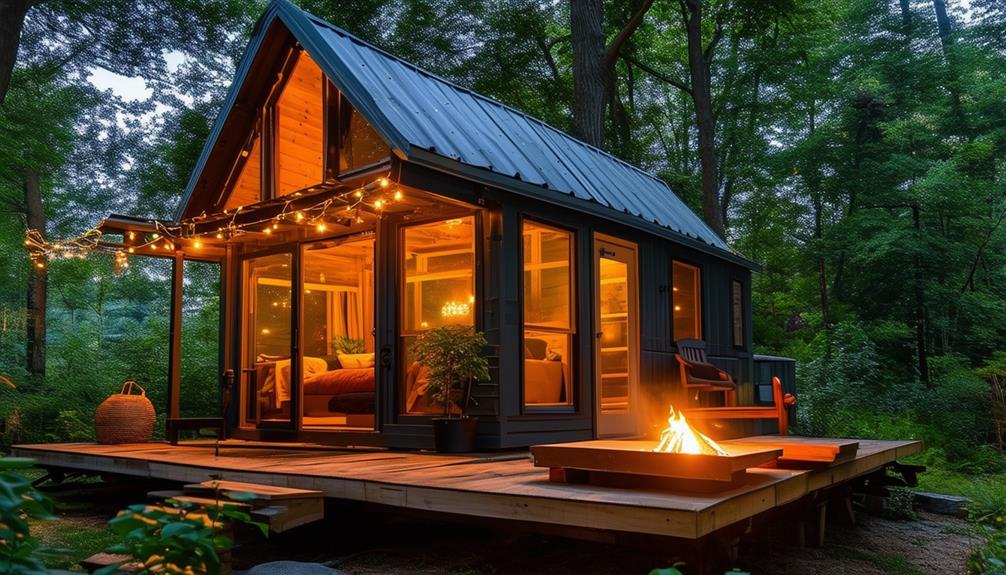
Living in a tiny home naturally encourages you to spend more time outdoors, fostering a deeper connection with nature and promoting an active lifestyle. The compact indoor space motivates you to enjoy the fresh air and engage in outdoor activities. Whether it's gardening, hiking, or simply relaxing on your patio, you'll discover numerous opportunities to interact with your surroundings.
Increased Nature Engagement
Embracing a tiny home lifestyle naturally leads to more time spent outdoors, fostering a deeper connection with nature and the surrounding environment. With limited indoor space, tiny homes encourage you to participate in outdoor activities and appreciate your natural surroundings. This shift not only increases your time outside but also enhances your holistic well-being through nature engagement.
Here are four ways increased nature engagement enriches your tiny home living experience:
- Enhanced Well-Being: Time spent in nature reduces stress and improves mental health, contributing to overall well-being.
- Increased Physical Activity: Tiny home living promotes outdoor activities, helping you stay active and fit.
- Stronger Connection to Nature: You'll become more aware of seasonal changes, wildlife, and plant life, deepening your appreciation for the environment.
- Diverse Outdoor Experiences: From hiking and biking to gardening and stargazing, tiny home living offers a wide range of outdoor activities to explore and enjoy.
Encourages Physical Activity
Opting for a tiny home lifestyle naturally elevates your physical activity levels through various outdoor pursuits like hiking, biking, and gardening. With limited indoor space, you're encouraged to spend more time outdoors, engaging in activities that keep you moving and healthy. By embracing outdoor activities, you enhance your physical exercise and immerse yourself in a healthier lifestyle.
Living in a tiny home fosters a deeper connection with nature. You'll find yourself stepping outside more often, whether it's for a morning hike or an afternoon of gardening. This regular physical activity benefits both your body and mental well-being. Spending time outdoors allows you to practice mindfulness, helping you stay present and reduce stress.
Access to nature right outside your doorstep makes it easier to incorporate physical exercise into your daily routine. Whether you choose to bike through scenic trails or tend to a vegetable garden, the opportunities for physical activity are abundant. This lifestyle promotes holistic well-being by integrating regular physical activity into your everyday life, ensuring you stay active and connected with the natural world around you.
Promotes Outdoor Hobbies
Living in a tiny home naturally encourages you to explore a variety of outdoor hobbies. The limited indoor space often drives tiny house dwellers to seek outdoor activities for both recreation and relaxation, fostering a deeper connection with nature and a greater appreciation for outdoor experiences.
Here are four ways tiny living promotes outdoor hobbies:
- Exploring Nature: Tiny house residents frequently venture outside to hike, camp, or simply take a walk. These activities not only enhance outdoor enjoyment but also contribute to a healthier lifestyle by keeping you physically active.
- Gardening: With limited indoor space, many tiny house owners turn to gardening. Whether growing vegetables, herbs, or flowers, gardening offers a rewarding way to engage with nature and enjoy the outdoors.
- Outdoor Fitness: Tiny living often means utilizing outdoor spaces for physical activities like yoga, running, or cycling. This not only helps maintain fitness but also ensures you spend more time outdoors.
- Community Engagement: Tiny house living often connects you with like-minded individuals, leading to group activities such as picnics, community clean-ups, or outdoor workshops. These activities enrich your social life and outdoor enjoyment.
Embrace the limited space, and you'll find endless opportunities for outdoor activities that promote a healthier, more active lifestyle.
Functional Design
Functional design in small dwellings ensures every square inch is utilized efficiently and practically, making the space both habitable and stylish. In small homes, functional design is not just a luxury but a necessity. Multi-functional furniture, such as fold-out beds or tables that double as desks, transforms your living area into a versatile space. These pieces serve multiple purposes, maximizing your use of limited square footage.
Storage solutions are another cornerstone of small home living. Cleverly hidden compartments and built-in shelves allow you to stow away belongings without cluttering your space. Utilizing vertical space is key; consider stacking storage units or lofted sleeping areas that free up the ground level for daily activities. This approach optimizes your living area without sacrificing comfort.
Compact layouts ensure that every corner of your home is functional and accessible. Thoughtful design choices, such as strategically placed windows for natural light or pocket doors to save space, enhance the overall experience. These well-planned elements make small dwellings feel larger and more comfortable. By embracing functional design, you're not just living simply; you're living smartly.
Community Support
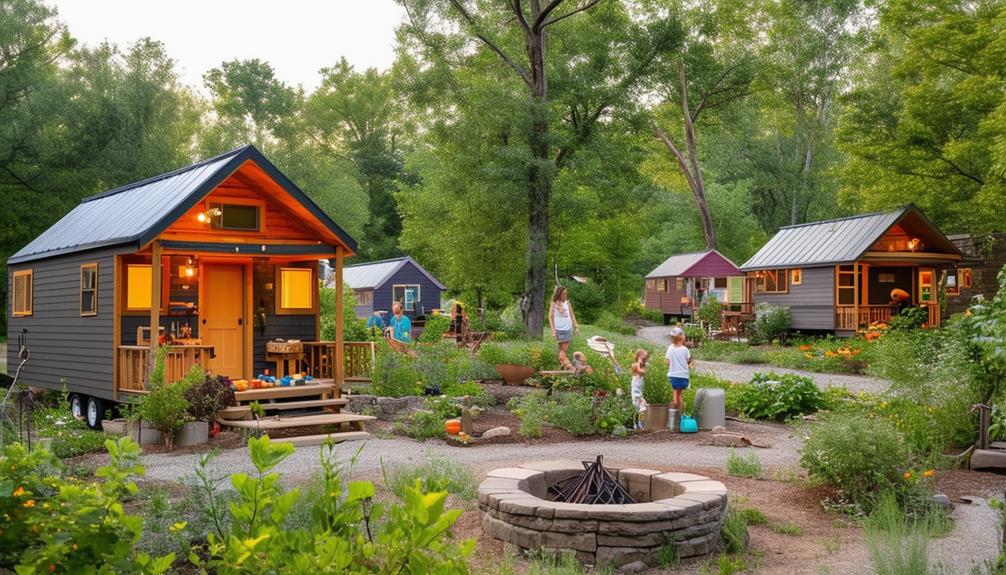
Joining a tiny home community provides a supportive network of like-minded individuals who share resources and experiences. These communities are vibrant hubs where collaboration and mutual support thrive, fostering a wealth of knowledge and assistance to enhance your tiny home lifestyle.
Tiny home communities promote engagement through various activities and resources. Key benefits include:
- Shared Resources: Communities often pool resources like tools and communal gardens, reducing individual costs and promoting sustainability.
- Professional Guidance: Access to consultants and builders who specialize in tiny homes provides valuable expertise.
- Collaborative Opportunities: Participation in workshops, local meetups, and events tailored to tiny house living enriches your experience and knowledge.
- Support Networks: Social media groups and online forums offer platforms to connect with other enthusiasts, facilitating idea exchange and problem-solving.
Creative Customization
Living in a tiny home unlocks a realm of creative customization. By incorporating multi-functional furniture and vertical storage solutions, you can maximize every square inch while keeping your space organized and open. These design strategies allow you to customize your home to fit your unique needs and personal style.
Multi-Functional Furniture
In tiny homes, multi-functional furniture maximizes every inch, transforming your living space through innovative design. Each piece serves multiple purposes, optimizing limited square footage without compromising comfort.
Here are four ways multi-functional furniture can enhance your tiny home living experience:
- Concealed Storage: Furniture with hidden storage compartments keeps your space organized. Examples include beds with drawers underneath or ottomans that store blankets and books.
- Foldable Tables and Chairs: Perfect for dining and work, foldable tables and chairs can be tucked away when not in use, freeing up space for other activities.
- Loft Beds with Built-In Desks or Shelving: Loft beds combine sleeping and working areas efficiently. The built-in desks or shelving provide a compact workspace and additional storage.
- Murphy Beds: Murphy beds are a classic space-saving solution. They offer a comfortable sleeping area at night and can be folded up during the day to create more living or dining space.
Vertical Space Solutions
Maximize your tiny home's potential by creatively utilizing vertical space through lofted areas, hanging storage, and wall-mounted furniture. These vertical space solutions enhance storage and living areas without sacrificing comfort. For example, installing compact shelving units along your walls can hold books, kitchen necessities, or decorative items.
Consider using your ceilings for hanging storage systems to keep your floor clear. Fold-down furniture, such as wall-mounted desks or beds, provides functional living areas that can be tucked away when not in use. Lofted bedrooms and mezzanine levels are excellent ways to create essential living spaces without expanding your home's footprint. Customized bunk beds can also offer space-saving sleeping arrangements.
Here are some common vertical space solutions for tiny homes:
| Solution | Description |
|---|---|
| Lofted Areas | Elevated sleeping or storage spaces |
| Hanging Storage | Overhead compartments for lesser-used items |
| Wall-Mounted Furniture | Desks, tables, or beds that fold into walls |
| Compact Shelving Units | Slim shelves for books, kitchenware, decor |
| Customized Bunk Beds | Space-saving sleeping arrangements |
Utilizing vertical gardens and hanging planters not only adds a touch of greenery but also keeps your floor space free. By efficiently using your walls and ceilings, you can craft a functional, aesthetically pleasing tiny home.