Tiny Home Living on a Budget: Saving Money in Small Spaces
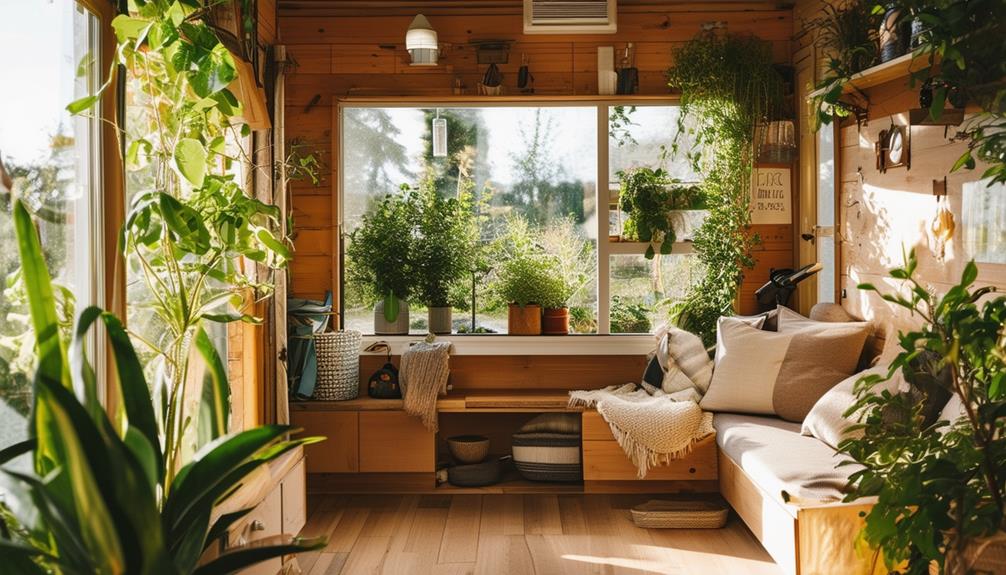
Choosing tiny home living on a budget isn't just about cutting costs—it's a lifestyle change that offers substantial long-term financial benefits. Imagine drastically lower housing costs, reduced utility bills, and minimal property taxes. With strategic planning and a minimalist approach, you can maximize your savings and lead a more intentional life. But how do you navigate the complexities of permits, regulations, and energy efficiency to fully capitalize on your tiny home investment? Let's explore strategies that will help you thrive in small spaces while staying within your budget.
Financial Benefits
One of the most significant financial benefits of tiny home living is that 68% of tiny homeowners don't carry a mortgage, substantially reducing housing costs. By opting for a tiny home, you embrace a minimalist lifestyle, characterized by smaller spaces and fewer expenses. The average cost of a tiny house is just $23,000, which is a fraction of the cost of traditional homes. This substantial saving allows you to allocate funds towards other priorities such as travel, hobbies, or investments.
Moreover, tiny home living lowers your monthly expenses. Heating and cooling a smaller space require less energy, resulting in reduced utility bills. This means you can save more money for future needs or desires. Additionally, tiny homes generally incur lower homeowners insurance and property taxes, further enhancing your financial benefits.
As interest in tiny home living grows, many people are recognizing the advantages of this lifestyle. By reducing your environmental footprint, you not only save money but also contribute to a more sustainable way of living. Embrace the financial freedom and cost savings that come with living in a tiny home.
Environmental Impact
Living in a tiny home significantly reduces your energy consumption, facilitating a more sustainable lifestyle. By generating less waste and using fewer resources, you actively contribute to environmental protection. Prioritizing essential items over excess purchases minimizes plastic and non-biodegradable waste, ultimately leading to a smaller carbon footprint.
Energy Consumption Reduction
Choosing a tiny home can significantly reduce your energy consumption and environmental impact. Tiny homes use approximately 7% of the energy that an average-sized house consumes, making them ideal for sustainable living. This reduction in energy costs translates to lower utility bills, allowing for substantial savings.
Energy efficiency is a key benefit of tiny homes. Their compact size requires less energy for heating and cooling, eliminating the need for large HVAC systems. This results in decreased energy consumption and a smaller environmental footprint. Utilizing energy-efficient appliances further enhances this efficiency, ensuring optimal use of energy.
Living off the grid in a tiny house can also help reduce energy usage. By generating power through solar panels or other renewable sources, you can minimize reliance on traditional utilities, cutting utility bills and maximizing your positive environmental impact. Embracing the tiny home lifestyle means committing to a more efficient, cost-effective, and eco-friendly way of living.
Waste Minimization Practices
Living in a tiny home not only reduces energy consumption but also promotes waste minimization by encouraging a minimalist lifestyle with fewer possessions. By adopting this lifestyle, you naturally reduce consumption, leading to less waste production and a smaller environmental impact. Tiny homes help maintain a smaller carbon footprint and promote sustainable practices.
Embracing waste minimization in tiny homes involves prioritizing eco-friendly materials and sustainable resources. For instance, using recycled or reclaimed wood for construction and furniture can significantly contribute to waste reduction. Additionally, opting for multi-functional furniture reduces the need for multiple items, further minimizing waste.
Incorporating waste minimization into tiny home living fosters an environmentally conscious and sustainable lifestyle. By focusing on waste reduction, you contribute to a healthier planet and enjoy the benefits of a clutter-free, simplified living space.
| Sustainable Practices | Eco-Friendly Materials | Waste Reduction |
|---|---|---|
| Minimalist Lifestyle | Recycled Wood | Multi-functional Furniture |
| Smaller Carbon Footprint | Reclaimed Resources | Fewer Possessions |
| Environmentally Conscious | Sustainable Resources | Less Waste Production |
Living in a tiny home is a practical way to reduce your environmental impact while enjoying a sustainable lifestyle.
Quality of Life
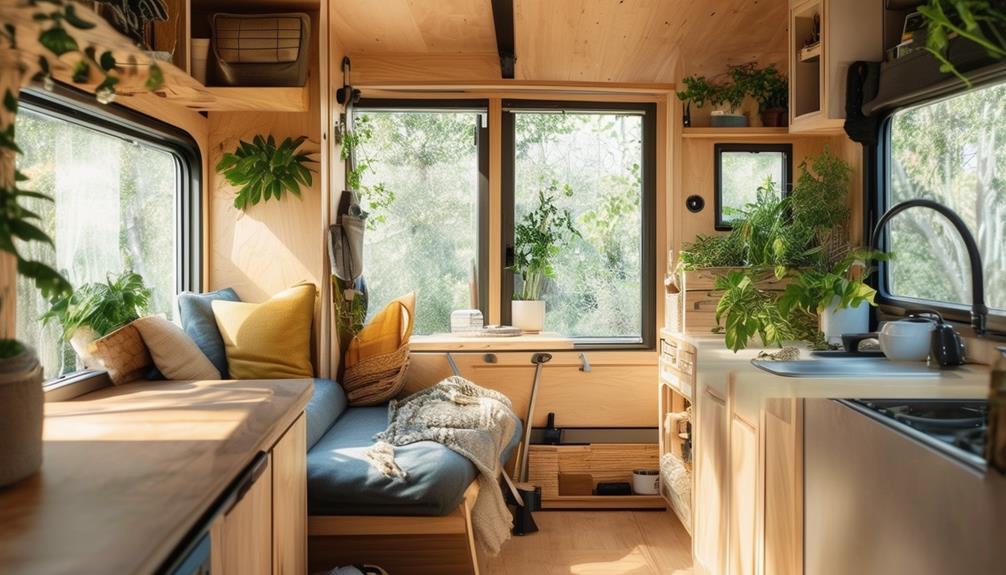
Embracing a small home lifestyle can significantly enhance your quality of life by alleviating financial stress and encouraging intentional living. By reducing financial burdens such as mortgages and high utility bills, you can focus on what truly matters. A small home encourages a minimalist lifestyle, resulting in fewer possessions and a clutter-free environment. This simplicity can lead to lower stress levels, making daily life more manageable and peaceful.
Living in a small home offers a sense of freedom and mobility. Without the constraints of large properties or overwhelming debt, you can explore new places and experiences more freely. This lifestyle shift prioritizes experiences over material possessions, fostering a simpler yet more fulfilling way of life. You'll find joy in small moments and appreciate the richness of life's experiences.
In a small home, every aspect of your living space is intentional, promoting a sense of control and purpose. This intentional living fosters a deep sense of contentment and well-being. As you declutter and prioritize what is essential, you'll discover a more meaningful and enjoyable way of life. Simplifying your surroundings can significantly improve your overall quality of life.
Energy Efficiency
Tiny homes excel in energy efficiency, consuming only about 7% of the energy used by an average-sized house. This substantial reduction in energy usage leads to significant savings on heating and cooling bills, making tiny home living both cost-effective and environmentally friendly. By dramatically cutting your utility expenses, you contribute to a more sustainable lifestyle.
Energy-efficient features such as proper insulation, energy-saving appliances, and LED lighting are crucial in minimizing energy consumption in tiny homes. These homes require less energy to maintain a comfortable temperature, resulting in noticeably lower utility bills. Over time, these savings make tiny home living not only affordable but also beneficial for the environment.
Regulations and Permits
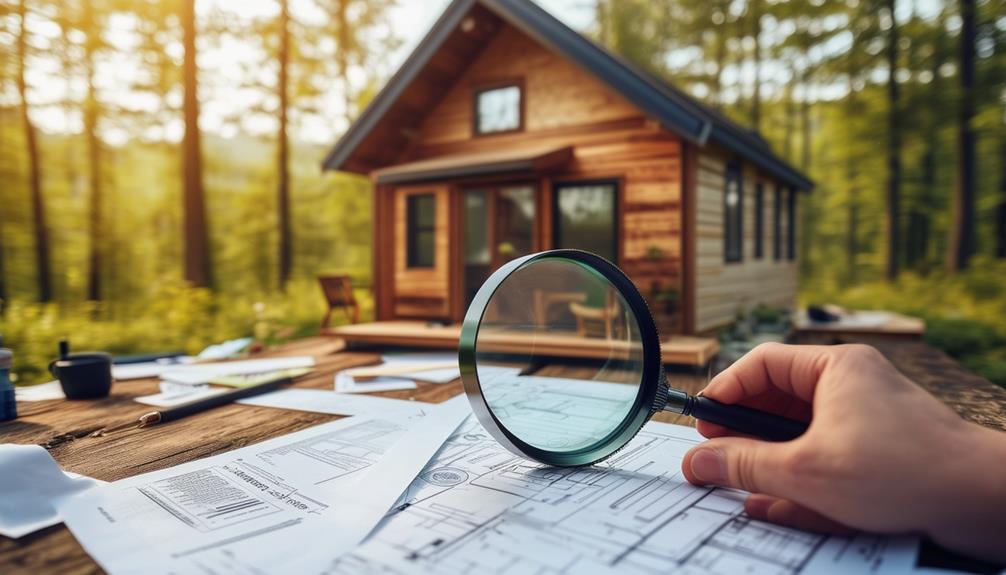
Understanding the regulations and permits required for the legal placement of small residences can be complex but crucial for ensuring compliance and avoiding future issues. Zoning laws and local regulations significantly influence where you can place your small residence. Some areas stipulate a minimum square footage for residential dwellings, which can pose challenges. For example, if your city mandates a minimum of 1,000 square feet, a 400 square foot residence might not qualify.
To navigate this landscape, you should:
- Check Local Zoning Laws: Determine if your area allows small residences and under what specific conditions. Some regions are more accommodating to small residences than others.
- Obtain Necessary Permits: Secure permits for utilities like electricity, plumbing, and waste management to ensure compliance with local regulations.
- Understand Legal Restrictions: Be aware of any legal constraints that could impact the feasibility of living in a small residence in your chosen location.
Each city or county may have unique regulations, so comprehensive research is essential. Adhering to these guidelines ensures your small residence is both livable and legally compliant.
Cost-Saving Strategies
Saving money while living in a tiny home involves strategic planning and adopting a minimalist lifestyle. One of the most effective cost-saving strategies is the reduction in utility bills due to the smaller space that needs heating and cooling. This means you'll spend less on electricity, water, and gas, allowing you to allocate more funds to what truly matters to you.
Embracing minimalism results in fewer purchases and lower overall expenses. By focusing on essentials, you not only save money but also reduce clutter, which is crucial in a tiny home. Effective financial planning is also key. Approach lenders with a solid repayment plan to secure favorable financing for your tiny home.
Deciding between a DIY build and a professional construction can significantly affect your budget. DIY builds might save money upfront but require skill and time. Professional builds, while more expensive, offer reliability and speed. Land costs are another major consideration. Whether you're buying or renting land, thorough research is essential for realistic budgeting.
Managing repayments effectively is crucial to avoid unexpected expenses. With thoughtful planning and a commitment to minimalism, living in a tiny home can be both affordable and rewarding.