Tiny Home Living and Off-Grid Water Solutions
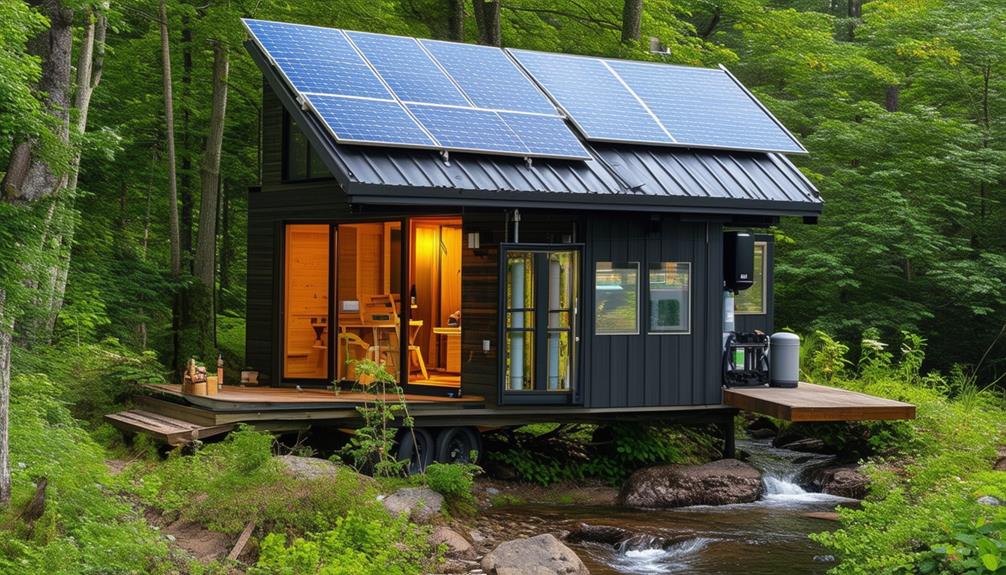
Imagine the freedom and sustainability of living in a tiny home equipped with efficient off-grid water solutions. By harnessing rainwater, utilizing well water, and employing greywater recycling, you can significantly reduce your environmental footprint. Integrating these versatile water systems optimizes both space and resources, transforming your tiny house into a self-sufficient haven. Want to know how to implement these systems effectively and the components you'll need?
Benefits of Off-Grid Water Collection
Off-grid water collection provides a natural and reliable water source ideally suited for tiny home living. By capturing rainwater, you can achieve a sustainable water solution that meets your needs while minimizing your environmental footprint. Rainwater harvesting systems are highly efficient, offering a pure water source with minimal filtration required. This makes them not only dependable but also easy to maintain, ensuring consistent access to high-quality water.
For those embracing tiny house living, off-grid water solutions offer the freedom to live independently from municipal water supplies. These systems are versatile and can be adapted to various structures, including cabins, mobile homes, barns, and sheds. Effective water management through rainwater harvesting ensures maximum utilization of every drop, fostering a lifestyle that is both eco-friendly and self-sufficient.
Expert guidance from Rainwater Management Solutions can simplify the setup of your system, ensuring it is both efficient and sustainable. With convenient payment options such as American Express, PayPal, and Visa, embarking on your off-grid living journey has never been easier. Enjoy the advantages of a natural, pure water source while living sustainably.
Components of Rainwater Systems
Rainwater systems for tiny homes comprise several essential components, including pre-filters, pumps, and post-tank filtration, to ensure clean and safe water. Pre-filters are crucial as they remove large debris and contaminants before the water reaches the storage tank, thereby extending the system's longevity and efficiency.
Pumps are integral to these systems, transferring collected rainwater from the storage tank to its point of use. They can be powered by 12VDC or 110VAC connections, making them suitable for off-grid living.
Post-tank filtration ensures the water is pure and safe by removing any remaining impurities. These systems are often pre-plumbed for easy installation, simplifying the setup of your off-grid water solution.
Integrating these components into your rainwater system supports sustainable off-grid living by providing a reliable and clean water source. Understanding these elements allows you to create an efficient rainwater collection system for your tiny home.
Versatility of Water Solutions
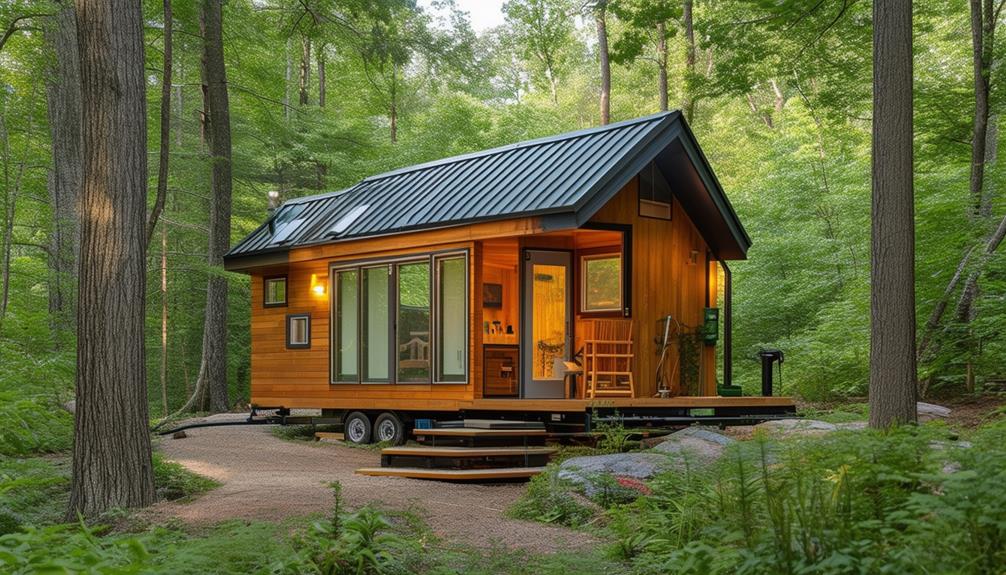
Water collection systems for small dwellings offer exceptional flexibility, making them suitable for a wide array of structures, including cabins, mobile homes, barns, and sheds. These off-grid solutions are designed for ease of installation and use, allowing you to set them up without requiring extensive plumbing knowledge. Whether you reside in a compact house or a remote cabin, these systems provide reliable water solutions tailored to your needs.
Rainwater collection systems, in particular, are highly adaptable. They can be used to harvest and store rainwater for various purposes such as drinking, cooking, and irrigation. These systems come pre-wired for quick setup and can be powered by different electrical connections, including 12VDC or 110VAC, making them ideal for diverse off-grid living situations.
The convenience of these water solutions extends beyond installation. They are designed to integrate seamlessly with your existing plumbing, ensuring a smooth transition to off-grid living. With versatile water solutions, you are not limited to small houses; these systems can be applied to any structure where off-grid water independence is essential. This flexibility makes them an excellent choice for anyone seeking a more sustainable, self-sufficient lifestyle.
Expert Guidance and Support
With the expertise of Rainwater Management Solutions, you can confidently navigate the complexities of setting up an off-grid water system. Their team specializes in off-grid water solutions, offering expert guidance to ensure your system is efficient and eco-friendly. They simplify the process, making it easier for you to adopt sustainable living.
Rainwater Management Solutions provides comprehensive support from start to finish. Whether you're installing a basic rainwater collection system or a more advanced off-grid water solution, their experts are readily available. They assist with selecting the right components, guide you through the installation process, and help with any troubleshooting needs.
Committed to sustainable living, Rainwater Management Solutions promotes eco-friendly water systems that reduce your environmental impact. Their expert guidance ensures your off-grid water system is functional and aligns with your sustainability goals. Additionally, they offer various payment options, including American Express, PayPal, and Visa, making it convenient to invest in a system that supports your off-grid lifestyle. Incorporating expert guidance into your off-grid water system setup ensures a smooth, efficient transition to a more sustainable way of living.
Payment Options for Systems
Selecting the right off-grid water system is made easier with a variety of safe and flexible payment options available. Rainwater Management Solutions offers convenient and user-friendly payment methods for purchasing off-grid water solutions. Whether you're interested in their advanced rainwater management systems or other off-grid options, the variety of payment methods caters to different preferences and ensures hassle-free transactions.
Here's a quick overview of the available payment methods:
| Payment Method | Description |
|---|---|
| American Express | Widely accepted and secure payment option |
| PayPal | User-friendly for easy online transactions |
| Visa | Secure payment processing for peace of mind |
| Mastercard | Flexible and reliable payment method |
Rainwater Management Solutions' payment options make the purchase process smooth and accessible. With secure payment processing, you can be confident that your online transactions are protected. The flexibility in payment methods allows you to choose the option that works best for you, whether it's a credit card or an online payment platform. These user-friendly payment options ensure you can focus on selecting the ideal off-grid water solutions for your tiny home without worrying about transaction issues.
Water Sources for Tiny Homes
When considering water sources for your tiny home, you have several viable options. Municipal water connections provide reliable access, especially in urban settings. Well water offers independence, though it requires some initial investment for drilling and setup. Alternatively, rainwater collection is an eco-friendly option that can reduce your water bills and promote sustainability.
Municipal Water Connections
Municipal water connections provide tiny homeowners with a reliable and hassle-free water supply. By tapping into municipal systems, tiny homes in urban areas gain access to a dependable and consistent source of potable water that meets quality and safety standards.
One significant advantage is that homeowners do not need to collect and treat their own water, as municipal water is regulated by local authorities to ensure safety. However, it's important to budget for connection fees and monthly bills associated with using municipal water, as these costs are generally manageable but necessary.
The availability of municipal water connections depends on the tiny home's location and local zoning regulations. Before setting up your tiny home, verify if your area supports municipal water hookups and comply with any restrictions or requirements. By adhering to these regulations, you can enjoy the convenience and reliability of municipal water, enhancing the comfort and practicality of your tiny home living experience.
Well Water Independence
While municipal water connections offer convenience, well water independence provides tiny homeowners with the freedom of a self-sufficient water supply. For those embracing off-grid living, a well water system can be a game-changer. Your tiny house can benefit from an independent water supply that isn't reliant on municipal infrastructure.
To achieve this, you'll need to invest in well drilling and setup. Although this requires an initial outlay, the long-term benefits of a self-sustaining water source are substantial. The quality of well water depends on your location and underlying geological factors. It's crucial to test your well water for contaminants to ensure it's safe for consumption. Regular testing helps maintain the health and safety of your water supply.
Well maintenance is another vital aspect. Proper upkeep ensures a sustainable well water system, providing consistent and clean water for your tiny house. Routine checks and timely repairs can prevent potential issues, maintaining your independence from external water sources.
Eco-Friendly Rainwater Collection
Harnessing rainwater for your tiny home is an eco-friendly and cost-effective way to reduce water bills and enhance self-sufficiency. Rainwater collection involves capturing and storing runoff from your roof for various non-potable uses, such as gardening, flushing toilets, and laundry. This method decreases dependence on traditional water supplies, promoting sustainability.
To begin, calculate your roof's catchment area to estimate potential rainwater collection. Multiply your roof's square footage by the average rainfall in your area. This data will help you design a system tailored to your needs and potential water savings.
Rainwater is naturally clean and requires minimal filtration, making it suitable for eco-friendly water solutions. By installing a rainwater collection system, you reduce water bills and increase self-sufficiency in off-grid living. Additionally, using rainwater for non-potable purposes conserves treated water for drinking and cooking, further enhancing sustainability. Embrace rainwater collection to make your tiny home a model of eco-friendly living.
Tiny House Plumbing Systems
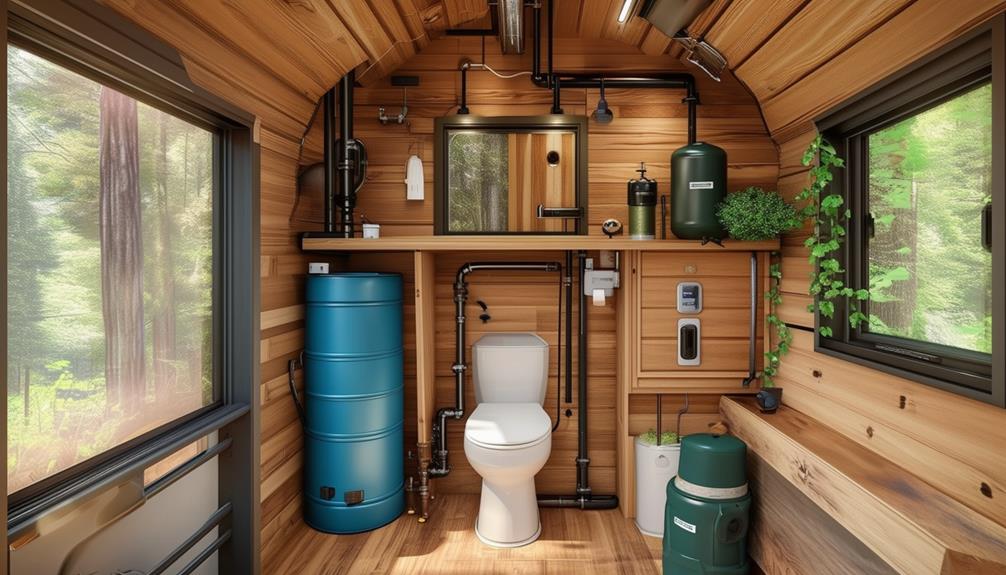
Designing a plumbing system for a small house requires creativity and meticulous planning to maximize the use of limited space. Small house plumbing involves developing compact and flexible water systems tailored to tiny living areas. Effective space management is crucial, necessitating careful placement of fixtures and piping to avoid wasting valuable room. Tankless water heaters are a popular choice for these homes, as they provide hot water on demand and save considerable space compared to traditional tanks.
Incorporating greywater recycling can significantly enhance off-grid water solutions. This system allows the reuse of water from sinks and showers for purposes such as flushing toilets or watering plants, thereby conserving water and reducing the overall strain on the plumbing system. Opting for compact design elements, such as smaller sinks and streamlined fixtures, optimizes efficiency while maintaining functionality.
When deciding between a DIY approach or hiring a professional, consider your skill level and budget. While a DIY method might save money, professional installation ensures compliance with codes and proper functionality. With thoughtful planning and the right components, your small house plumbing system can be both efficient and effective.
Greywater and Blackwater Management
Effective management of greywater and blackwater is essential for sustainable tiny home living. Greywater systems handle water from sinks, showers, and washing machines, enabling you to reuse this resource for non-potable purposes like irrigation. By reusing greywater in your garden or for toilet flushing, you conserve water and reduce overall consumption.
Blackwater, or wastewater from toilets, presents more significant treatment challenges due to potential health risks. For tiny house owners, composting toilets offer a viable solution. These toilets break down waste without water, turning it into compost that can be safely managed and reused in gardens. This method simplifies waste management and reduces reliance on traditional sewage systems.
However, safe reuse of greywater requires proper treatment methods and careful planning. Ensure that your greywater systems are designed to prevent contamination and environmental hazards. By adopting these solutions, you can effectively manage both greywater and blackwater, contributing to a more sustainable and eco-friendly lifestyle in your tiny home. With thoughtful planning and the right systems in place, waste management becomes manageable and efficient.
Sustainable Water Practices
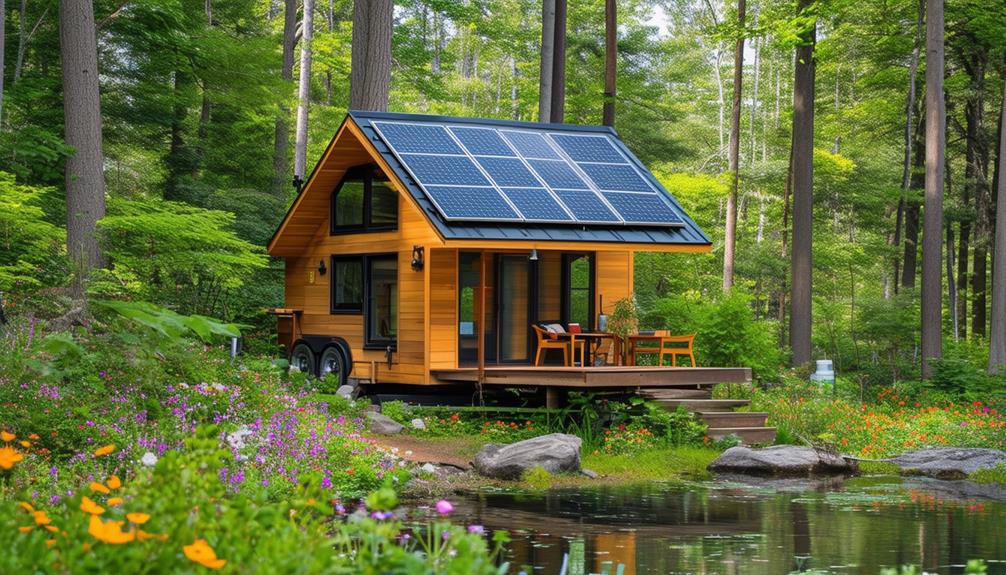
Incorporating sustainable water practices in your tiny home can significantly reduce your environmental impact and lower utility costs. Installing low-flow fixtures is one of the most effective measures you can take. These fixtures can cut your water usage by up to 60%, leading to considerable savings on your utility bills.
Another essential element of sustainable water practices is the use of greywater systems. These systems recycle water from sinks, showers, and washing machines, making it available for garden irrigation. This not only conserves water but also supports a healthier, more sustainable garden.
Additionally, incorporating native landscaping around your tiny home can make a significant difference. Native plants are adapted to local conditions and typically require less water, reducing the need for irrigation.
Mindful water usage is vital, especially in off-grid water solutions. Every drop counts, so being conscious of your water consumption can yield significant environmental and financial benefits. By adopting these sustainable practices, you're not just conserving water; you're contributing to a more sustainable future for everyone.