Tiny Home Living and Mental Health: Benefits of a Simpler Life
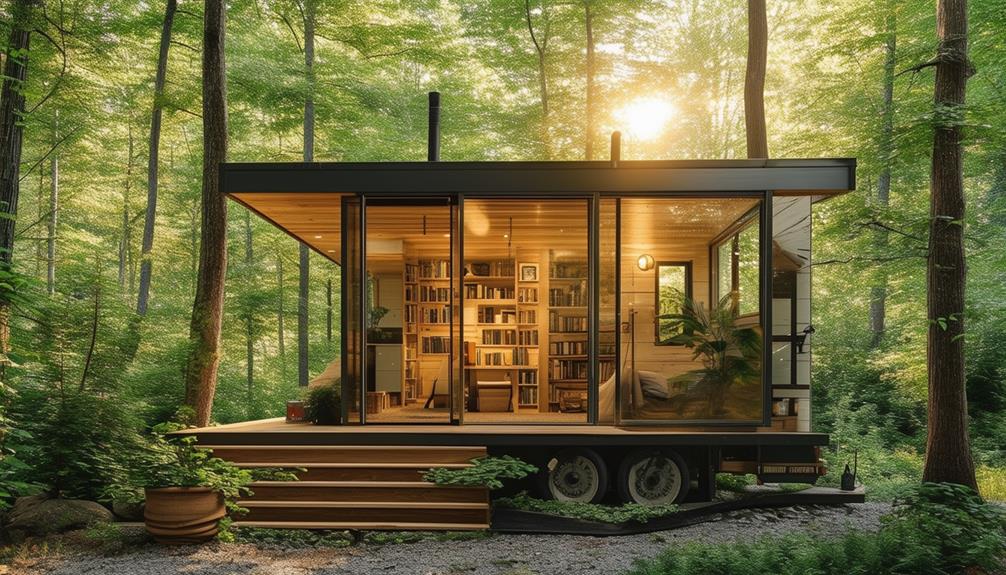
Imagine residing in a space where every item has a purpose, and clutter is a thing of the past. Tiny home living isn't just about reducing your physical footprint; it's also about enhancing your mental health through a simplified environment. By eliminating excess, you create room for mental clarity and emotional balance. Consider the peace that comes from knowing exactly where everything is and the joy in prioritizing meaningful experiences over material possessions. But how does this minimalist lifestyle impact your psychological well-being and daily stress levels? Let's explore the deeper implications of downsizing your living space.
Core Principles of Minimalism
Minimalism emphasizes choosing quality over quantity in both possessions and lifestyle choices. By adopting a minimalist approach, you intentionally select what truly adds value to your life. Tiny homes exemplify this principle by encouraging living with fewer items and focusing on essentials. Reducing clutter creates mental space, leading to clearer thinking and better decision-making.
Simplicity enhances life by helping you prioritize important activities and relationships. Instead of being overwhelmed by excess belongings, you can invest in quality time with loved ones and pursue hobbies that bring genuine joy. This intentional living shifts your focus from accumulating material goods to experiencing meaningful moments.
Living with less doesn't mean sacrificing comfort or style. It often results in a more peaceful and contented life. Each item in your tiny home is chosen for its usefulness and joy it brings, making your living space more personalized and less chaotic. Embracing minimalism can transform your physical environment and enrich your overall well-being.
Psychological Benefits
Living in a tiny home can enhance your mental health by reducing decision fatigue and improving mental clarity. With fewer possessions and simpler surroundings, it's easier to focus and experience greater emotional well-being. This minimalist lifestyle fosters peace and contentment, making it a powerful tool for enhancing your overall mental state.
Reduced Decision Fatigue
Simplifying your lifestyle can help preserve mental energy and reduce decision fatigue. Choosing to live in tiny homes encourages a simplified lifestyle, significantly cutting down on the number of daily decisions. This minimalist approach not only declutters your physical space but also your mental environment, promoting clarity and well-being.
In a tiny home, space constraints naturally limit your choices. With fewer possessions and less room for unnecessary items, you experience decreased choice overload, allowing you to focus more effectively on important decisions. By reducing the burden of constant decision-making, you conserve mental energy and can better prioritize tasks and goals.
Living in a minimalist setting also means spending less time on organizing, cleaning, and maintaining your space. This simplicity creates an environment that reduces stress and enhances mental clarity. With fewer trivial decisions to make, you can allocate more mental resources to crucial aspects of your life, improving your overall well-being. Embracing a tiny home lifestyle can be a powerful step towards reducing decision fatigue and boosting mental health.
Enhanced Mental Clarity
Embracing a tiny home lifestyle significantly enhances mental clarity by fostering an organized and tranquil environment. Smaller, minimalist spaces naturally reduce clutter and distractions that are common in larger homes. This streamlined setting promotes calmness and order, which is essential for reducing stress and improving mental focus.
In tiny homes, maintaining an organized environment is crucial. It helps keep your space clean and tidy, making it easier to focus on important tasks. This, in turn, boosts productivity and creativity. Here's what you can expect:
- Clear countertops and minimal decorations: An open and uncluttered environment fosters a sense of calm.
- Efficient storage solutions: With everything in its place, you spend less time searching for items.
- Natural light and open spaces: These elements create a welcoming and peaceful atmosphere, perfect for mental clarity.
Living minimally in a tiny home not only reduces the time spent on cleaning and organizing but also allows you to concentrate on what truly matters. By adopting this lifestyle, you'll experience clearer thinking and significantly lower stress levels.
Increased Emotional Well-being
Adopting a tiny home lifestyle can significantly enhance your emotional well-being by reducing stress and anxiety. Simplifying your life in a tiny home fosters mindfulness and gratitude, which in turn improves mental health.
Living in a tiny home means embracing minimalism. With fewer possessions and less clutter, you can experience a sense of freedom and peace. This simplicity not only reduces stress but also promotes feelings of contentment. Imagine waking up in a serene environment where everything you need is within reach and there is no overwhelming mess to manage.
The compact nature of tiny homes creates a calmer atmosphere, benefiting your mental health. It becomes easier to focus on what truly matters, such as nurturing relationships and personal growth. Decluttering and intentional living can transform your emotional well-being. By choosing a tiny home lifestyle, you prioritize your mental health and strive for a more fulfilling, stress-free life.
Emotional Well-being
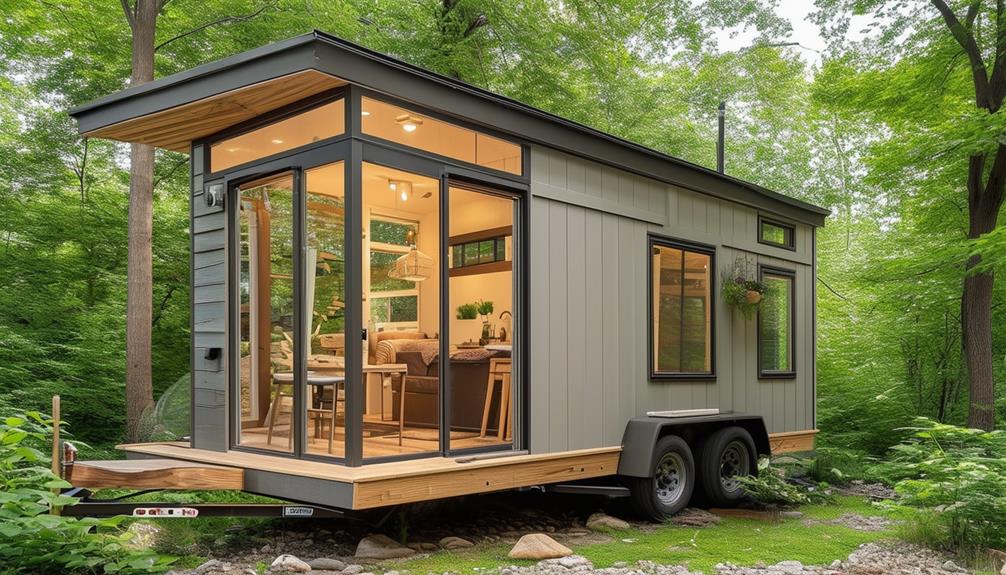
Living in a small home can significantly reduce stress levels, fostering a cozy and comforting environment that enhances emotional well-being. Opting for the tiny home lifestyle means embracing simplicity and minimalism, which offer substantial mental health benefits. Tiny homes naturally encourage a minimalist lifestyle, allowing you to focus on what truly matters and creating a sense of emotional balance.
Imagine the emotional well-being you'd experience in a cozy living space where every corner is designed for calmness and contentment. Tiny homes foster a sense of security and stability, essential for emotional resilience. The simplicity of a tiny home can lead to increased mental clarity and a profound sense of peace.
- Warm, inviting interiors: Gentle lighting, cozy textiles, and personalized decor.
- Clutter-free spaces: Open, airy rooms where everything has its place.
- Intentional living: A lifestyle where each item and space serves a purpose.
Adopting a minimalist lifestyle in a tiny home can also promote gratitude and mindfulness. By living with less, you make room for more meaningful experiences, enhancing your emotional well-being and overall mental health.
Decluttering for Mental Clarity
Decluttering your living space often leads to enhanced mental clarity and reduced stress. By eliminating excess items, you create an environment of simplicity and tranquility. This process not only helps lower cortisol levels, a stress hormone, but also promotes mental clarity. An organized setting makes it easier to focus and enhances productivity.
A tidy environment reduces decision-making fatigue. You won't need to sift through clutter to find what you need, saving both time and mental energy. This simplicity fosters a peaceful mind, enabling you to concentrate on what truly matters.
Consider these benefits of decluttering:
| Benefit | Description | Impact on Mental Health |
|---|---|---|
| Stress Reduction | Lowers cortisol levels, promoting relaxation | Reduced stress and anxiety |
| Improved Mental Clarity | Organized spaces boost productivity and creativity | Enhanced focus and decision-making |
| Simplicity and Peace | Fewer physical items create a serene environment | Greater sense of peace |
| Reduced Decision-Making Fatigue | Fewer items mean fewer choices, simplifying routines | Less mental exhaustion |
Living in a clutter-free environment helps you prioritize essential tasks, leading to a more serene and focused life. By embracing simplicity, you'll experience a significant reduction in stress and an increase in mental clarity.
Financial Advantages
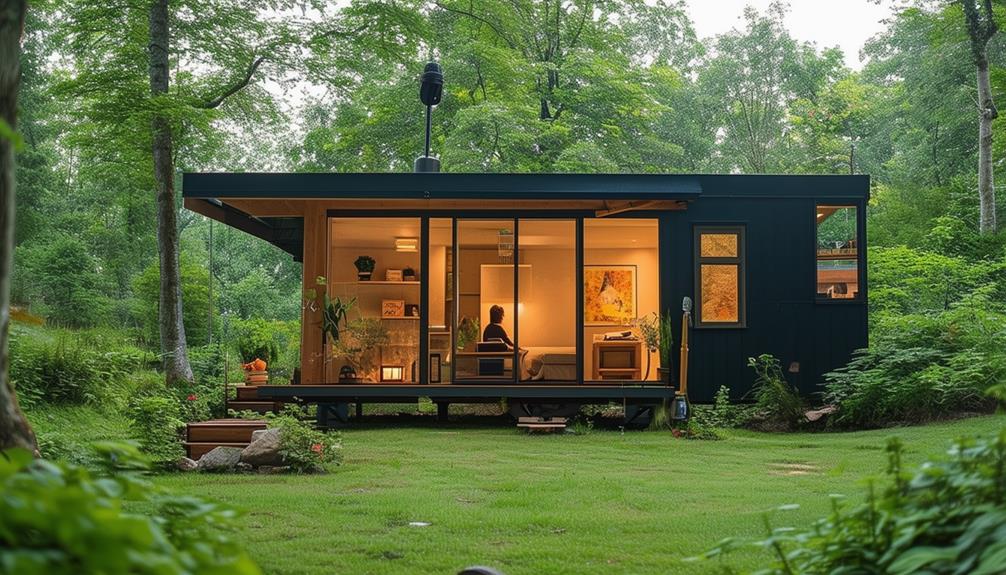
Opting for a tiny home can significantly reduce your living expenses, providing greater financial freedom. By lowering mortgage or rent costs, you'll retain more of your income each month, resulting in a reduced financial burden and enabling you to focus on what truly matters.
Here are the key financial benefits of tiny home living:
- Substantial savings on monthly housing costs: A tiny home mortgage or rent is often much lower than that of a traditional house or apartment.
- Reduced utility bills: Smaller spaces require less energy for heating, cooling, and lighting, leading to lower utility expenses.
- Lower maintenance costs: With fewer square feet, there are fewer repairs and less upkeep, saving both time and money.
These savings offer increased financial flexibility. You can allocate funds toward passions and meaningful pursuits, such as traveling, investing in personal growth, or starting a new hobby. The reduced financial burden of tiny home living also results in less stress about bills and more opportunities for spontaneity, fostering a simpler and more fulfilling lifestyle. Embracing a tiny home can be a vital step toward achieving true financial freedom.
Health Benefits
Living in a tiny home offers several health benefits. Reduced financial stress can lead to improved mental health, and the compact space often encourages healthier eating habits. Additionally, the need to move around in a smaller area promotes increased physical activity.
Reduced Financial Stress
Living in a small home reduces your mortgage or rent costs, directly decreasing financial stress. This lifestyle choice significantly lowers living expenses, freeing up funds for other critical areas of life. As a result, it promotes intentional spending, allowing you to focus on what truly matters.
Imagine the peace of mind that comes with financial stability:
- Lower utility bills: Smaller spaces require less energy.
- Reduced maintenance costs: Fewer things need repair.
- Minimalist lifestyle: Curbs unnecessary purchases.
These savings alleviate financial anxiety, benefiting your mental health. Without the constant worry of making ends meet, you can enjoy a more balanced, stress-free life. Financial freedom and flexibility are essential for overall well-being, and small homes make this attainable.
Additionally, the extra funds can be redirected towards health-related expenses such as gym memberships, healthier food options, or therapy, enhancing your overall well-being. By reducing financial stress, small home living provides a solid foundation for a healthier, more content life.
Improved Nutritional Choices
Living in a tiny home often naturally leads to improved nutritional choices that enhance overall well-being. Limited space encourages prioritizing quality over quantity when it comes to kitchen tools and food. Without room for numerous gadgets and an expansive pantry, you focus on meal preparation with basic, wholesome ingredients.
This simplification promotes healthier eating habits. Cooking in a tiny home means you're more likely to prepare meals from scratch, using whole foods instead of processed options. This shift enriches your diet and supports better health. By embracing minimalism in the kitchen, you reduce distractions and emphasize nutritious cooking practices.
Additionally, meal preparation in a confined space fosters mindfulness about your diet. You'll be more selective with ingredients, opting for nutritious choices that bolster your health. Home-cooked meals made with wholesome ingredients are generally healthier than pre-packaged foods. In tiny homes, this becomes a daily practice rather than an occasional effort, leading to sustained, healthier eating patterns that benefit both mental and physical health.
Enhanced Physical Activity
Living in a tiny home naturally integrates physical activity into your daily routine. The compact space requires constant movement – from reaching for items in high places and bending to access storage to simply navigating the small area. These activities cumulatively enhance your daily physical activity.
A minimalist lifestyle in a tiny home also promotes regular decluttering, which doubles as physical exercise. Sorting through belongings, lifting and moving items, and reorganizing spaces are all physical tasks that contribute to your overall activity level.
Furthermore, the reduced clutter in a tiny home makes it easier to establish a dedicated area for physical activities, such as yoga or home workouts. You don't need much space to stay active, and a clear, open area encourages participation in these healthy practices.
- Reaching and bending: Regularly accessing storage spaces keeps you moving.
- Decluttering: Periodic sorting and moving items is a physical activity.
- Home workouts: A clutter-free environment supports consistent exercise routines.
Social and Environmental Impact
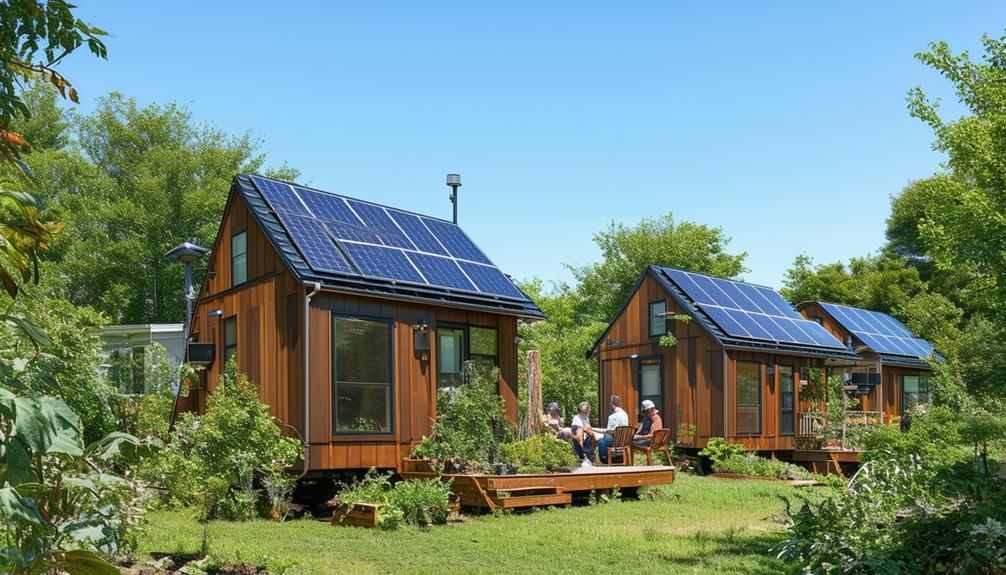
Living in a tiny home significantly reduces environmental impact by using fewer resources during construction and operation. These homes naturally consume less energy and water and often incorporate sustainable materials and energy-efficient designs, making them an eco-friendly choice. By opting for a tiny home, you contribute to a greener planet.
One remarkable aspect of tiny home living is the sense of community it fosters. Enthusiasts often share inventive solutions and support each other, creating a close-knit network. Living in small spaces encourages resourcefulness with design and storage solutions, helping to maximize every square inch. This creativity is practical and promotes a more sustainable lifestyle.
However, it's crucial to be aware of challenges, such as zoning laws that restrict building sizes in many areas. Despite these obstacles, the movement continues to grow, driven by a desire for simpler, more sustainable living. By engaging in this lifestyle, you become part of a broader effort to reduce our environmental footprint while building meaningful connections within a supportive community.
Transitioning to Minimalism
Transitioning to minimalism involves making deliberate decisions about what items remain in your home. By decluttering, you cultivate a peaceful environment that minimizes stress and boosts mental clarity. This shift enables you to concentrate on essential activities, thereby increasing productivity and overall well-being.
Embracing Intentional Living
Adopting intentional living through minimalism allows you to focus on what genuinely brings joy and purpose to your life. By prioritizing value over quantity in your possessions, you can reduce mental clutter and create space for more meaningful experiences. Making deliberate choices fosters a purposeful lifestyle that nurtures mental clarity and peace.
Imagine:
- An organized home with only items that bring you joy and serve a purpose
- A digital space free from unnecessary notifications, allowing for focused and productive time
- A schedule that prioritizes activities and people that add value to your life
Transitioning to minimalism involves embracing a lifestyle that emphasizes quality over quantity. This shift reduces decision fatigue and enhances your ability to prioritize effectively. By managing your time and energy intentionally, you cultivate deeper satisfaction, gratitude, and contentment.
Minimalism isn't just about having fewer things; it's about freeing yourself from the distractions of excess. This freedom allows you to live more intentionally, focusing on what truly matters, leading to a more meaningful and fulfilling life. Embrace the simplicity and clarity that come with minimalism to enhance the profound benefits it has on your mental well-being.
Decluttering for Clarity
Transitioning to a minimalist lifestyle begins with decluttering your physical spaces, a step that can substantially reduce stress and enhance mental clarity. By eliminating unnecessary items, you lower cortisol levels, alleviate anxiety, and foster a sense of calm. Minimalist environments minimize distractions, enabling your mind to function more efficiently.
Making intentional choices about what to keep and what to discard is crucial in this transition. You learn to prioritize items that genuinely add value to your life. This process not only simplifies your possessions but also leads to greater satisfaction and contentment. You'll find joy in the things that truly matter, rather than being overwhelmed by clutter.
Decluttering also enhances your overall well-being. A tidy, organized space can evoke a sense of peace, transforming your home into a sanctuary rather than a source of stress. Minimalist environments provide a clean slate for your thoughts, promoting mental clarity and relaxation. Embracing minimalism is more than just getting rid of stuff; it's about creating a peaceful, intentional living space where you can thrive. By prioritizing simplicity, you can achieve a clearer mind and a more fulfilling life.
Psychological Impact of Downsizing
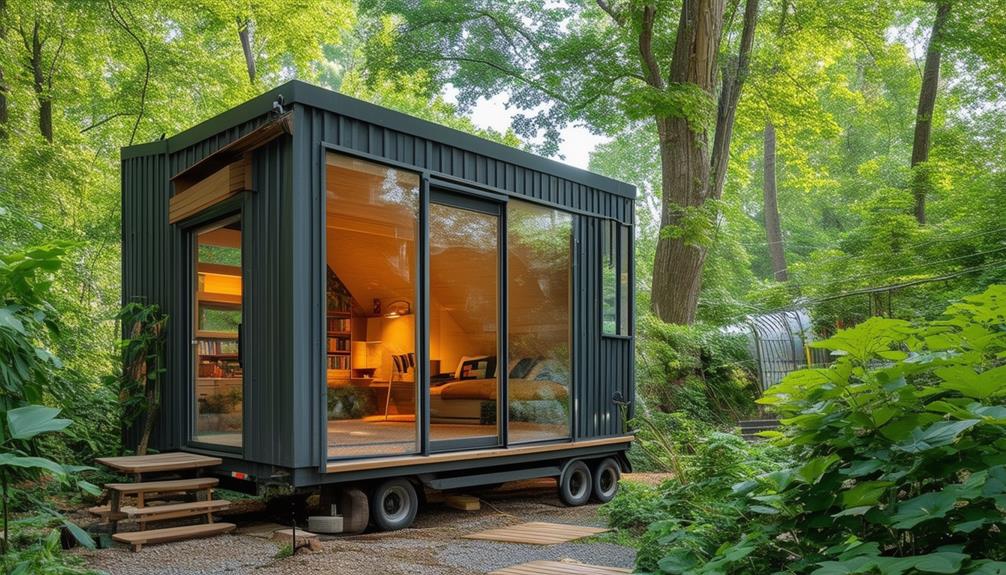
Downsizing your living space often triggers a mix of emotions, from the initial stress of letting go of possessions to the eventual sense of freedom and clarity. At first, the thought of parting with your belongings can feel overwhelming. However, as you reduce your possessions, you create a less cluttered environment, positively impacting your mental health.
By having fewer items, you can lower your anxiety levels and appreciate simple pleasures more. Imagine coming home to a tidy, organized space where every item has a purpose. This shift can lead to improved mental clarity and a more relaxed state of mind.
- A serene, open living room free of unnecessary items.
- A cozy, minimalist kitchen where cooking becomes a joy.
- A bedroom designed for restful sleep and peace.
Adopting this lifestyle often results in having more time and energy for activities that truly matter to you. Financial savings from owning fewer possessions allow you to prioritize meaningful experiences over material goods, aligning your living environment with your personal values and enhancing your overall well-being.
Coping With Limited Space
Maximizing every inch of your tiny home requires clever design choices and efficient storage solutions. Start by incorporating multi-functional furniture. A sofa that converts into a bed or a dining table that also serves as a workspace optimizes your limited space. These pieces are essential for maintaining an organized and clutter-free environment.
Creative organization is crucial. Utilize vertical spaces by installing floating shelves and hooks. These additions provide extra storage without consuming valuable floor space. Hooks can hold items from kitchen utensils to coats, while floating shelves offer spots for books and decorations, making your home feel more open and inviting.
Regular decluttering is vital. In small spaces, even minor messes can feel overwhelming. Adopt a minimalist mindset and keep only what you truly need. Efficient storage solutions like under-bed bins or hanging organizers help keep clutter at bay, fostering a sense of order and tranquility.