The History of the Tiny Home Movement
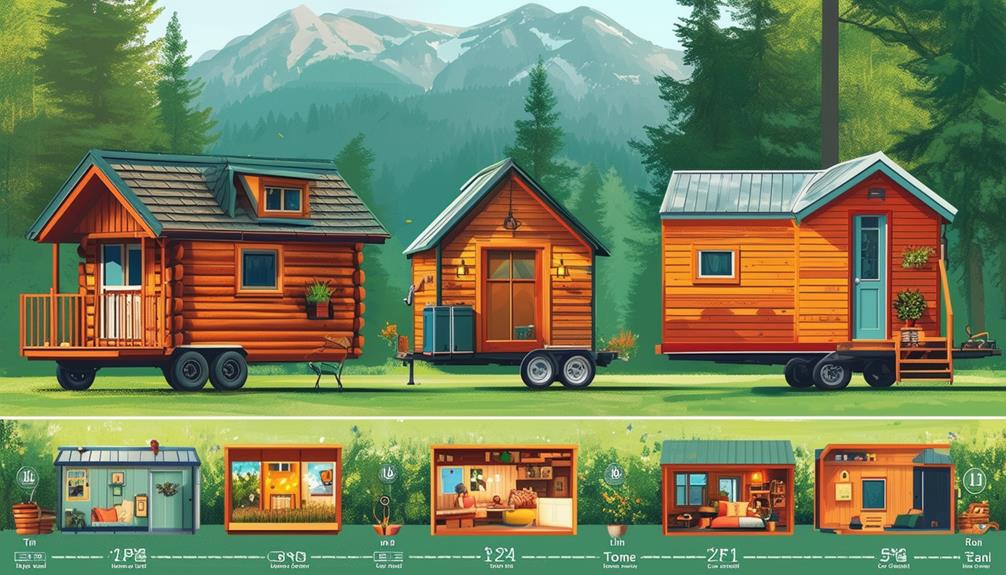
Imagine you're seeking a simpler, more sustainable lifestyle. The Tiny Home Movement offers just that, with origins tracing back to the late 1990s when Jay Shafer constructed a 90-square-foot home. This concept gained momentum during the Great Recession, as financial constraints made minimalist living more appealing. Influential TV shows and events like the Tiny House Fair further popularized this way of life. But what exactly fueled this rise, and how has it managed to persist despite numerous legal obstacles? There's much to uncover about the movement's evolution and its impact on modern living norms.
Early Beginnings
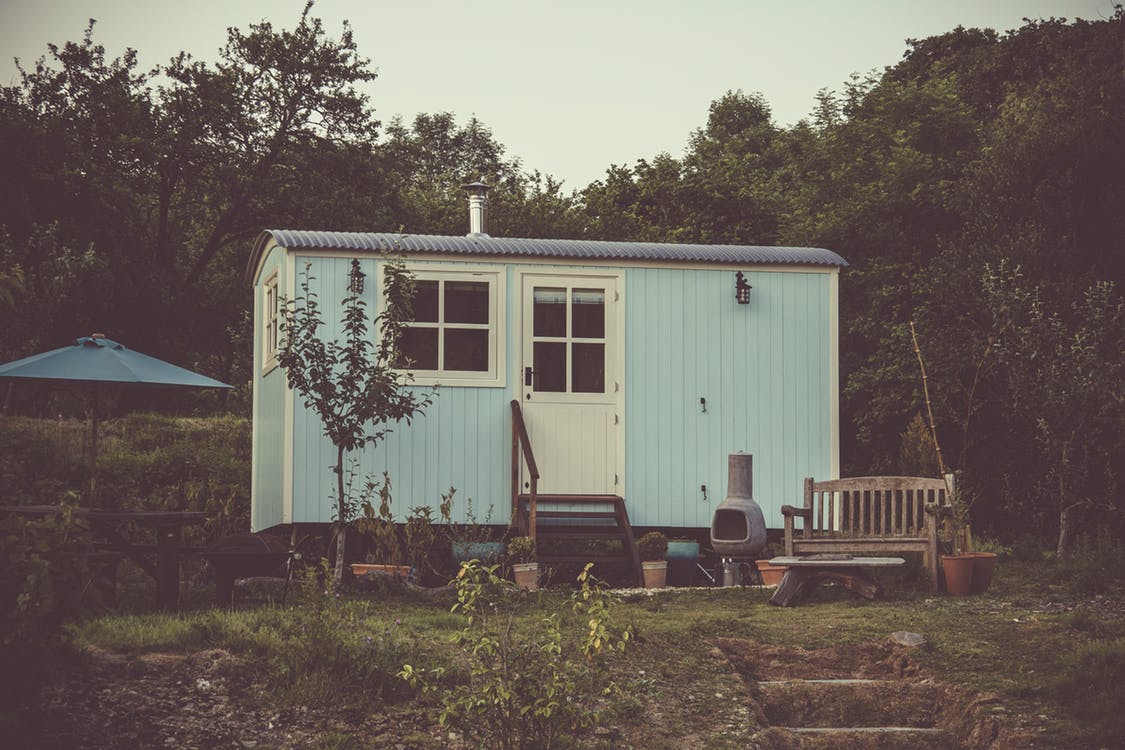
In the early 2000s, the tiny house movement began gaining traction following Jay Shafer's construction of a 90-square-foot home in 1997. Shafer's innovative design marked the beginning of a new era in affordable housing. He subsequently founded the Tumbleweed Tiny House Company, which played a pivotal role in the movement's early development. By focusing on small, mobile homes, Shafer introduced a practical and minimalist lifestyle that resonated with many.
During the Great Recession, tiny homes gained popularity as an affordable housing option. With conventional housing costs soaring, Shafer's small and mobile homes offered a compelling alternative. Although only about 1% of home buyers opted for tiny houses at the time, the movement continued to grow.
Events like the Tiny House Fair and the American Tiny House Association promoted ethical practices and provided guidelines for enthusiasts. These gatherings were crucial in fostering a supportive community and raising awareness about the benefits of tiny living. With costs ranging from $20,000 to $50,000 as of 2012, tiny houses presented an attractive option for those seeking a simpler, more cost-effective way of life.
Rise to Popularity
As the tiny home movement gained traction, TV shows like 'Tiny House Nation' and 'Tiny House World' inspired countless individuals to reconsider their living spaces. These programs showcased inventive designs and practical solutions for small living, making the concept of tiny houses not just a necessity but a lifestyle choice.
Several factors contributed to the rise in popularity:
- Economic Conditions: The Great Recession (2007-2009) compelled people to rethink their housing choices. Tiny homes offered an affordable and sustainable alternative during tough financial times.
- Community Support: Events like the Tiny House Fair and the formation of the American Tiny House Association fostered a sense of community, promoting ethical practices within the movement.
- Online Influence: Kent Griswold's blog on tiny houses gained significant traction during the 2008 mortgage crisis, providing valuable information and inspiration for those interested in downsized living.
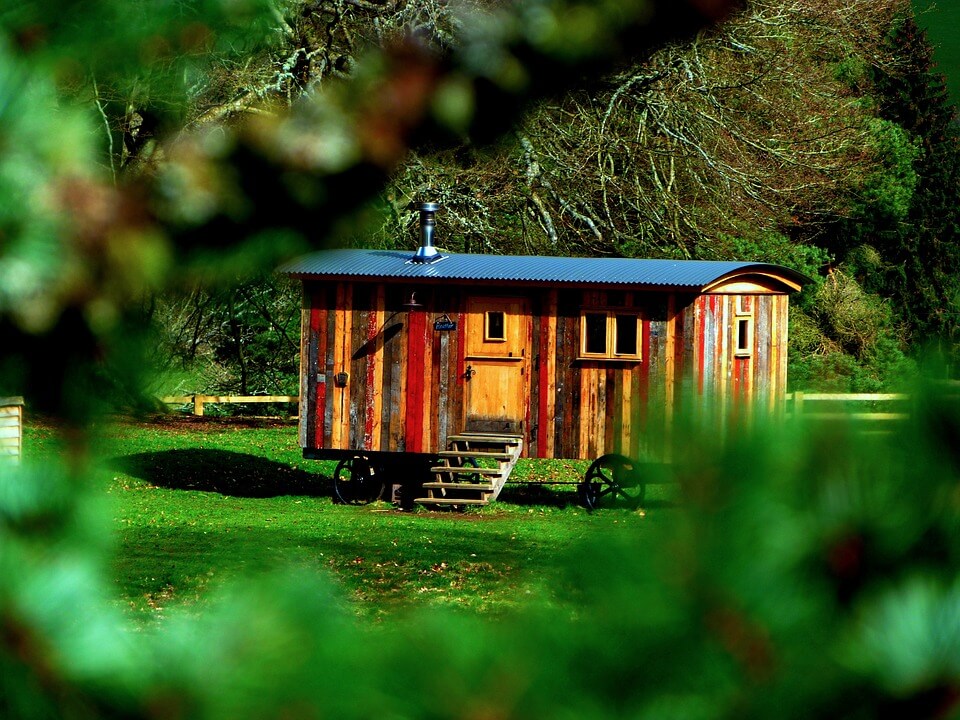
Tiny houses on wheels emerged as a versatile option, offering mobility and freedom from traditional housing constraints. People were drawn to the financial benefits, environmental sustainability, and the minimalist lifestyle associated with tiny homes. Consequently, the movement rapidly evolved, influencing housing trends and encouraging more people to explore this unique way of living.
Types of Tiny Homes
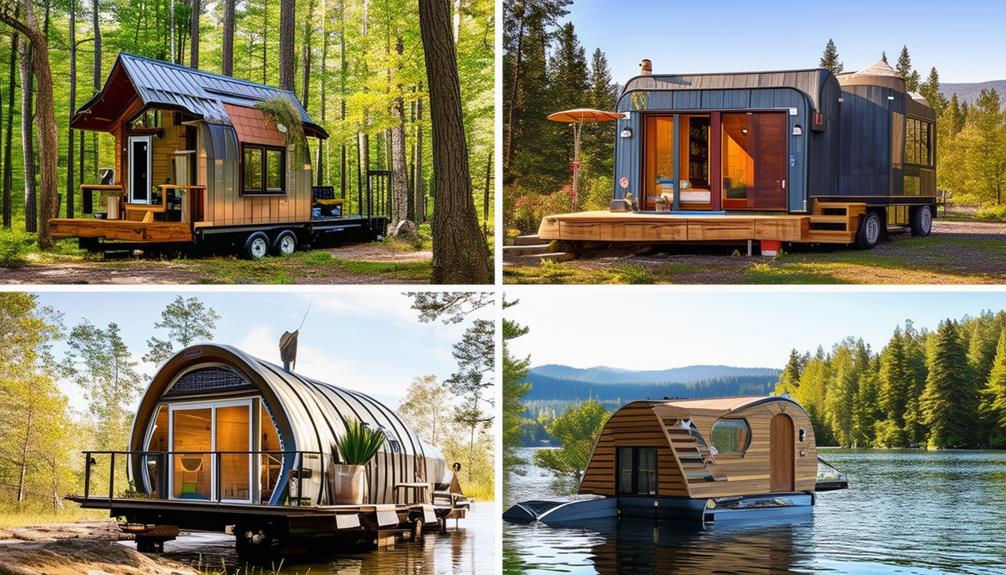
Exploring various types of tiny homes unveils a spectrum of innovative and practical living solutions, each catering to different lifestyles and needs.
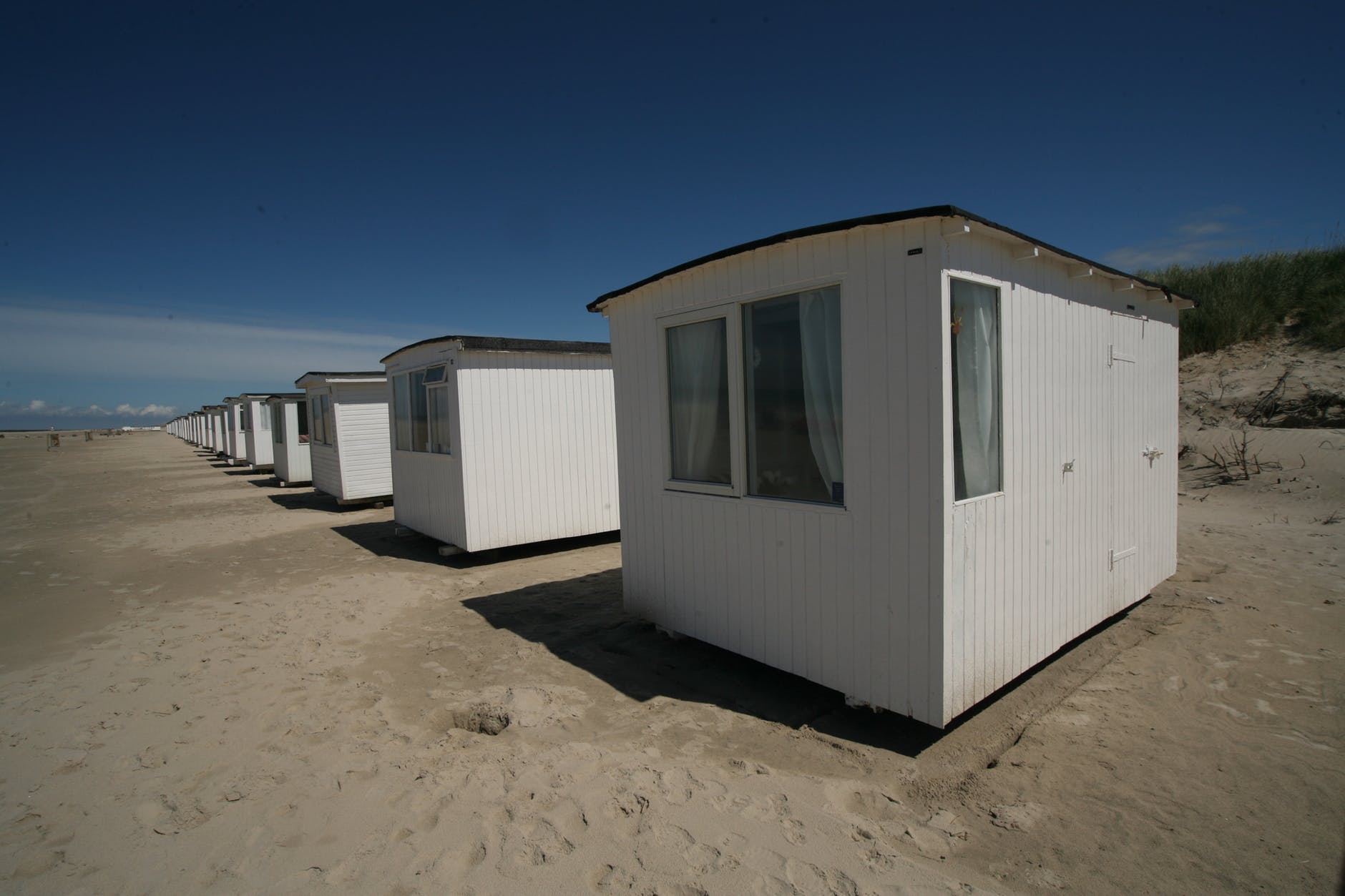
Park Model Homes are compact structures under 400 square feet, valued for their affordability and mobility. They offer a minimalist yet comfortable lifestyle, ideal for those seeking simplicity without sacrificing essential amenities.
Shipping Container Homes are celebrated for their durability and ease of customization. These homes can be outfitted with modern conveniences, making them both stylish and cost-effective, appealing to those who appreciate contemporary design and sustainability.
Cabins bring a rustic charm to tiny living, typically constructed from natural materials like wood or stone. They offer a unique, cozy experience, perfect for individuals who value nature and simplicity.
Granny Pods are designed with elderly care in mind, featuring modern amenities to ensure a safe and comfortable environment close to family. These spaces provide a practical solution for multi-generational living.
Houseboats provide a distinctive form of tiny living with the added benefit of mobility. Ideal for those who crave exploration, these homes allow for travel on water while maintaining the comforts of a well-equipped living space.
Each type of tiny home offers unique advantages, from affordability and mobility to customization and specialized care, making them versatile options for diverse needs and preferences.
Environmental Impact
Recognizing the distinct benefits of different tiny home varieties, it's paramount to factor in their significant positive environmental impact. Choosing to live in a tiny house isn't just about adopting a simpler lifestyle; it's an active commitment to a healthier planet.
Firstly, tiny homes require substantially less energy for heating, cooling, and daily living. This reduction in energy consumption leads to lower carbon emissions, making tiny house living a more eco-friendly choice. Furthermore, many tiny homes are constructed using sustainable materials, which promote eco-friendly practices and lessen the strain on natural resources.
Secondly, the minimalist lifestyle encouraged by tiny homes results in lower resource consumption and reduced waste production. By embracing minimalism, you can prioritize what is truly essential, eliminating unnecessary clutter and thereby contributing to a smaller ecological footprint.
Lastly, many tiny homes incorporate green energy solutions like solar panels, further diminishing their environmental impact. These sustainable practices not only lower utility bills but also encourage a more sustainable way of living.
In summary, here are three key environmental benefits of living in a tiny house:
- Lower carbon emissions
- Use of sustainable materials
- Reduced resource consumption
Join the tiny house movement and contribute positively to the environment!
Legal and Zoning Challenges
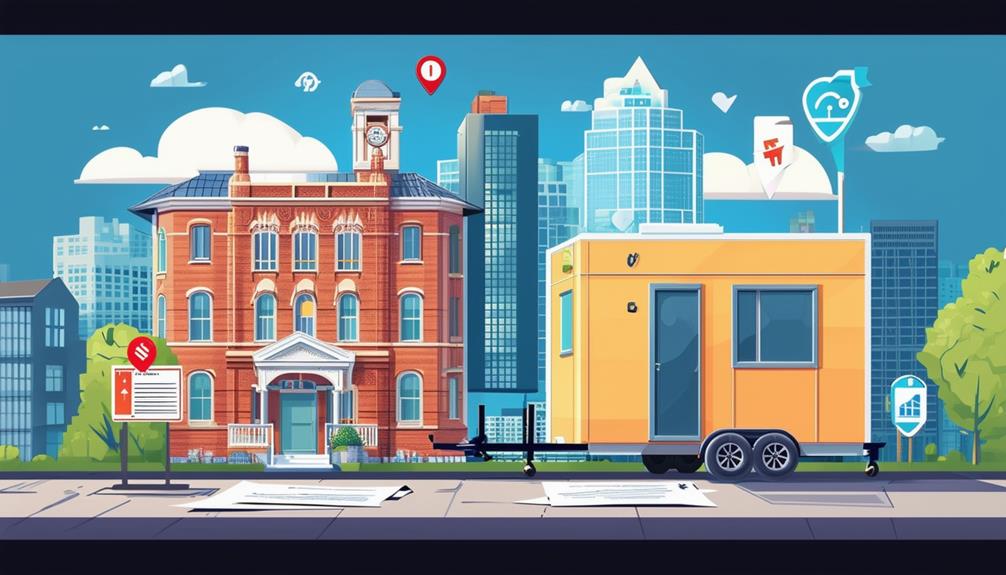
Navigating the legal and zoning challenges of tiny home living can be complex and frustrating. Many municipalities have strict zoning laws that make the permanent placement of a tiny house in urban areas nearly impossible. These laws often don't recognize tiny houses as permanent dwellings, affecting their long-term viability. Building codes also pose significant challenges, as they are typically designed for traditional homes and don't always accommodate the unique characteristics of tiny houses, making sustainable living solutions harder to implement.
Regulatory hurdles are a constant issue for tiny home dwellers. Legal constraints may require frequent relocations because many areas don't allow tiny houses to be considered permanent residences. This transient lifestyle can make it difficult to establish a stable living situation. While the appeal of a tiny house is strong, especially for those interested in minimalism and sustainability, navigating the legal landscape can be challenging. Without changes to zoning laws and building codes, the long-term viability of tiny houses remains uncertain. Understanding these hurdles is essential for anyone considering this lifestyle.