Off-Grid and Camping Trips to Experience in Texas
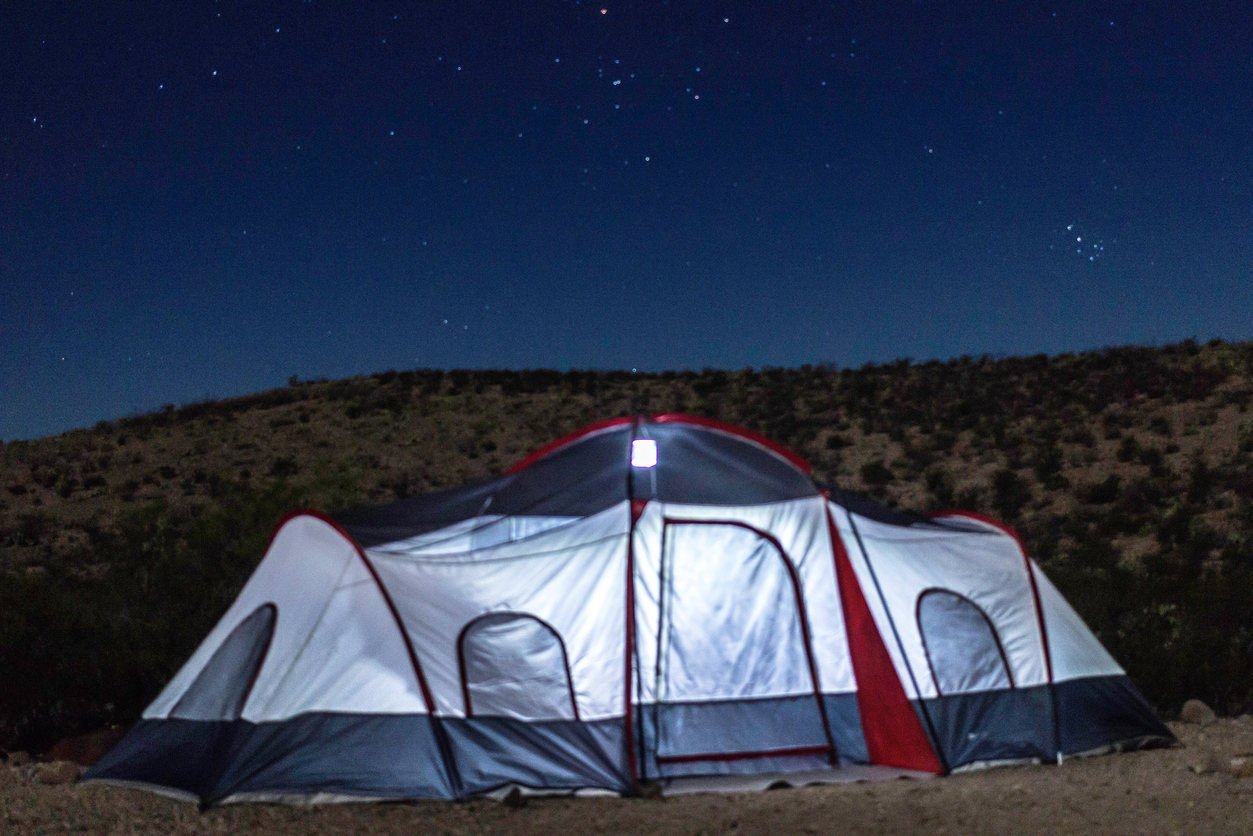
You’ll find exceptional off-grid and primitive camping opportunities across Texas, from remote desert sites in Big Bend National Park to forested backcountry areas in East Texas. While Texas has limited federal public land compared to western states, you can still access national forests, national recreation areas, and state parks for low-cost or primitive camping experiences. Locations like Sam Houston National Forest, Lake Meredith National Recreation Area, and Lost Maples State Natural Area offer a range of options from dispersed camping to hike-in sites. The sections below highlight where to go, what to expect, and how to plan a safe and rewarding off-grid trip.
Free Dispersed Camping Rules and Permits in Texas
Texas does allow limited dispersed camping, primarily within national forests and certain federal lands, but regulations vary by location and are more restrictive than in states with large Bureau of Land Management (BLM) areas. Before setting up camp, verify land ownership through U.S. Forest Service maps or official park resources. In national forests such as Sam Houston, Davy Crockett, Angelina, and Sabine, dispersed camping is generally allowed unless otherwise posted. Typical guidelines include:
- Camp at least 100–150 feet from water sources and trails
- Stay no more than 14 consecutive days within a 30-day period
- Use existing clearings rather than creating new sites
- Follow Leave No Trace principles, including packing out waste
Fire rules vary by season, and burn bans are common during dry periods, so always check current restrictions before your trip.
Where to Find Free or Low-Cost Camping on Texas Public Lands
View this post on Instagram
Texas does not have widespread BLM land for free camping, but several federal and public areas offer low-cost or free options.
- Big Bend National Park: Backcountry roadside and hike-in campsites (permit required)
- Padre Island National Seashore: Primitive beach camping along a 60+ mile stretch of coastline (included with park entry)
- Big Thicket National Preserve: Primitive camping zones with permit requirements
- National Forests (East Texas): Dispersed camping allowed in designated areas
Many of these locations charge small permit or entrance fees, but still provide a true off-grid experience compared to developed campgrounds.
Best Texas National Forests for Primitive Camping
View this post on Instagram
Texas’s four national forests offer some of the most accessible primitive camping experiences in the state. Sam Houston National Forest, located about 1 hour north of Houston, features the 128-mile Lone Star Hiking Trail, where dispersed camping is allowed in designated sections. Seasonal restrictions may apply during hunting periods. Davy Crockett, Angelina, and Sabine National Forests in East Texas provide similar opportunities, with dense pine forests, quiet campsites, and access to lakes and creeks. Expect:
- Minimal or no amenities
- Humid summers and mild winters
- Abundant wildlife, including deer and small game
These forests are ideal for campers who want a remote feel without traveling to West Texas.
Panhandle Grasslands and Lake Meredith Camping Areas
View this post on Instagram
In the Texas Panhandle, Lake Meredith National Recreation Area offers a mix of developed and primitive camping. You’ll find multiple campgrounds, many of which are free and first-come, first-served, especially on the lake’s western side. Areas like Bugbee Canyon and Blue Creek provide more rugged access, while Fritch Fortress Campground offers easier entry and basic amenities.
- Primitive sites: No hookups, vault toilets
- Developed sites: Limited water and electricity
- Stay limits: Typically 14 days
This region offers wide-open views, strong winds, and some of the best stargazing conditions in North Texas.
Big Bend’s Backcountry Campsites for Desert Isolation
Big Bend National Park remains Texas’s premier destination for true off-grid camping. The park offers:
- Roadside backcountry campsites (accessible by high-clearance vehicles)
- Chisos Mountains backpacking sites requiring multi-mile hikes
Permits are required and can be reserved through recreation.gov or obtained in person for select sites. Conditions to expect:
- No water or restrooms at most sites
- Rough, unpaved roads requiring careful navigation
- Extreme temperatures, especially in summer
Big Bend delivers one of the most remote and self-sufficient camping experiences in the state.
Texas State Parks With Hike-In Camping Options
Texas state parks provide a more structured way to experience off-grid camping through hike-in or walk-in campsites. Popular options include:
- Lost Maples State Natural Area – Hill Country views and seasonal foliage
- Palo Duro Canyon State Park – Canyon camping in the Panhandle
- Caprock Canyons State Park – Trails and roaming bison herd
- Dinosaur Valley State Park – Riverfront campsites near fossil tracks
- Pedernales Falls State Park – Backcountry sites along rugged trails
Most hike-in campsites require you to carry in water and supplies, offering a balance between accessibility and isolation.
Off-Grid Land Costs and Rural Camping Opportunities
For those interested in extended stays, rural land ownership in Texas remains relatively accessible in certain regions.
- West Texas (Presidio County and surrounding areas): Lower land prices but limited water access
- Panhandle regions: Affordable acreage with open terrain
- East Texas (Piney Woods): Better water availability and forested land
While prices vary, remote areas can still offer opportunities for private off-grid camping or future homesteading, especially compared to urban markets.
Essential Gear for Dispersed Camping in Remote Areas
Successful off-grid camping in Texas depends on preparation and the right equipment. Key essentials include:
- Reliable shelter (tent, stakes, weather-resistant materials)
- Water storage and filtration, since many sites lack potable water
- Portable cooking system with fuel
- Navigation tools, including offline maps or GPS devices
- First-aid kit and emergency communication device
Sun protection, insect repellent, and durable footwear are especially important given Texas’s heat, terrain, and wildlife conditions.
Conclusion
Texas offers a surprising range of off-grid and primitive camping experiences, from forested trails in East Texas to desert backcountry in Big Bend. While regulations and access differ from other states, you’ll still find plenty of opportunities to disconnect and explore. With proper planning, the right gear, and awareness of local conditions, you can experience some of the most remote and rewarding landscapes the state has to offer.