Best Texas Backcountry Trails and Backpacking Tips
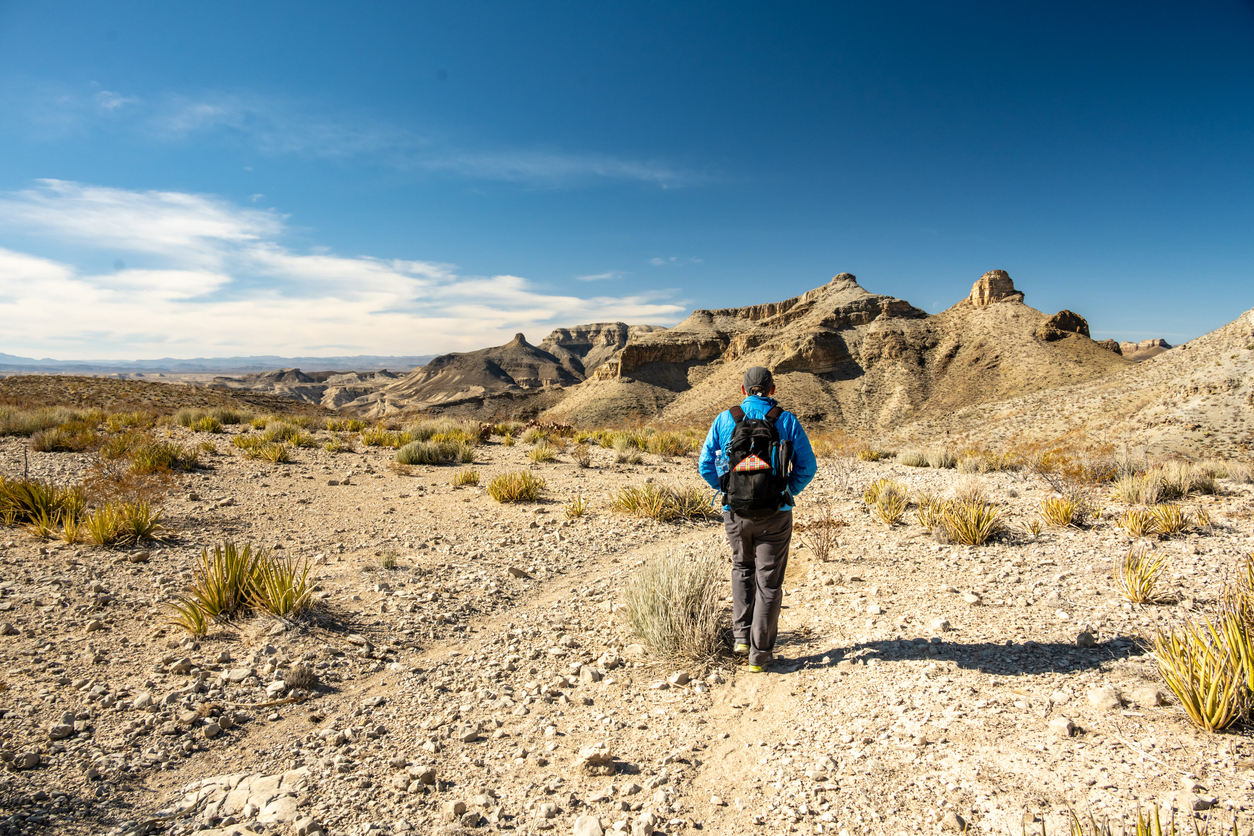
Texas backcountry trips require more planning than a casual day hike. The state’s best backpacking routes cross very different terrain, from East Texas pine forests and muddy creek bottoms to Hill Country limestone and the dry mountain basins of West Texas. Choose footwear, water storage, permits, and navigation tools based on the region you plan to explore. For longer routes, plan on carrying or caching enough water, downloading offline maps, and checking park rules before your trip. The sections below cover the best Texas backcountry trails, permit basics, packing tips, water planning, navigation, and seasonal timing.
Best Multi-Day Backcountry Routes in Texas and How to Choose
Texas offers several strong options for backpackers who want longer trails, primitive campsites, and more remote outdoor settings. In East Texas, the Lone Star Hiking Trail runs through Sam Houston National Forest and is one of the state’s best-known long-distance backpacking routes. The main trail is about 129 miles, with pine forests, creek crossings, road walks, and access points that allow hikers to plan shorter section hikes or longer thru-hike-style trips. Also in East Texas, the Trail Between the Lakes stretches about 28 miles through Sabine National Forest between Toledo Bend Reservoir and the Sam Rayburn area. It is a good choice for hikers who want a forested backpacking route with a quieter feel and more solitude than many state park trails. Central Texas offers shorter but rewarding backpacking options. Hill Country State Natural Area near Bandera has rugged terrain, primitive camping, and multiuse trails across canyons, creek bottoms, and rocky plateaus. Lost Maples State Natural Area near Vanderpool is better suited for a short backpacking trip or overnight primitive campsite stay, with steep trails, scenic overlooks, and limited cell service. West Texas offers the most demanding backcountry terrain. Big Bend National Park has classic routes such as the Outer Mountain Loop, Chisos Mountains trails, desert routes, and canyon hikes that require careful water planning. Guadalupe Mountains National Park also offers overnight backpacking opportunities, though hikers need a wilderness permit and should be ready for steep climbs, exposed conditions, and fast-changing mountain weather. Choose your route based on distance, elevation gain, water availability, permit rules, season, and your experience level. Cooler months from October through March are usually the most comfortable time for Texas backpacking, especially in desert and exposed terrain.
Permit Requirements for Texas State Parks and Big Bend Backpacking
Permit requirements vary depending on whether you are hiking in a Texas state park, national forest, national park, or public hunting area. A Texas State Parks Pass covers entry fees for the pass holder and guests in the same noncommercial vehicle, but camping fees, activity fees, and site reservations are separate. The annual pass price increased from $70 to $95, so hikers should check current Texas Parks and Wildlife Department pricing before buying or renewing. State parks and natural areas may require reservations for campsites, including primitive or hike-in sites. Parks such as Lost Maples and Hill Country State Natural Area offer primitive camping options, but availability, rules, and access can vary by season and weather. Big Bend National Park requires a backcountry permit for all overnight backpacking and backcountry camping. Guadalupe Mountains National Park also requires a wilderness use permit for overnight backpacking. For national forests and public hunting lands, rules can change based on hunting season, designated areas, and special access requirements. The Annual Public Hunting Permit applies to many public hunting areas, but hikers should verify whether a specific trail, campsite, or forest section is affected before planning an overnight trip. Before leaving home, check official park pages for trail closures, burn bans, weather alerts, water availability, and current permit requirements.
What to Pack for Hill Country, East Texas, and West Texas Terrain
The best backpacking gear for Texas depends heavily on where you are going. In the Hill Country, expect rocky limestone, loose gravel, steep slopes, thin soils, and sudden creek crossings after heavy rain. Choose hiking boots or trail shoes with strong traction, good foot protection, and enough support for uneven terrain. Trekking poles can help with balance on rocky descents and creek beds. In East Texas, conditions are usually more humid and forested. Waterproof or quick-drying footwear helps in muddy sections, wet grass, and low-lying trail corridors. Moisture-wicking clothing, insect protection, and breathable rain gear are especially useful in the Piney Woods. In West Texas, backpackers need to prepare for sun exposure, dry air, sharp desert plants, rocky trails, and long distances between reliable water sources. Sun protection, extra water capacity, durable clothing, and a wide-brimmed hat are just as important as footwear. A well-rounded Texas backpacking kit should include:
- Offline maps and a compass
- Headlamp with extra batteries
- Water filter or purifier
- Extra water storage
- Sun protection
- First-aid supplies
- Emergency shelter
- Rain gear
- Insect protection
- Food storage that meets park rules
- A satellite communicator or emergency beacon for remote routes
Finding and Purifying Water on Texas Backcountry Routes
Water planning is one of the most important parts of Texas backpacking. Many routes have unreliable water, and some desert trails may have no dependable natural sources at all. In Big Bend, hikers may encounter places such as Boot Spring or seasonal tinajas, but these sources can be dry or unsafe to rely on. The National Park Service recommends caching water on routes such as the Outer Mountain Loop, and hikers should clearly label cached water where park rules allow it. In East Texas, stream crossings and low-water areas may provide more frequent water opportunities, but all backcountry water should still be filtered, purified, or treated. Clear water can still contain bacteria, sediment, or contamination from wildlife and runoff. A common planning guideline is one gallon of water per person per day, with more needed during hot weather, exposed routes, or strenuous climbs. For longer trips, carry extra water capacity and build your itinerary around confirmed water access points. Never assume a spring, creek, or tinaja will be flowing. Check recent trail reports, park updates, and ranger guidance before depending on any backcountry water source.
Navigate Primitive Trails Using Maps and Landmarks
Texas backcountry navigation can be challenging because some trails are remote, lightly marked, or affected by weather, overgrowth, and erosion. Before your trip, download offline maps through a reliable navigation app and carry a printed map or compass as a backup. GPS tools are helpful, but they should support your route-finding skills rather than replace them entirely. Use visible terrain features to stay oriented, including:
- Creek systems
- Ridge lines
- Rock outcroppings
- Open meadows
- Canyon walls
- Trail junctions
- High points and overlooks
In forested areas, dense tree cover can make it harder to use the sun for direction. In desert or mountain terrain, open views may help with navigation, but distances can be deceptive. Mark important waypoints before and during your trip, including trailheads, water sources, campsites, road crossings, and emergency exit points. On primitive or unmarked routes, turn around before you become uncertain rather than continuing deeper into unfamiliar terrain.
Best Seasons for Texas Backcountry Backpacking
Seasonal timing can make or break a Texas backcountry trip. Fall through early spring is usually the best backpacking window for most of the state. October through March offers cooler temperatures, fewer heat-related risks, and more comfortable overnight camping conditions. This is especially important in Big Bend, Guadalupe Mountains, and other exposed West Texas landscapes. Spring can be beautiful, with wildflowers, active wildlife, and mild mornings, but storms and flash flooding can develop quickly. Hikers should watch forecasts closely and avoid low-water crossings, narrow canyons, and creek beds during storm threats. Summer backpacking in Texas requires serious heat planning. Temperatures can climb above 90 degrees in many regions, and exposed trails can feel much hotter. If hiking in summer, start early, avoid the hottest part of the day, carry extra water, and choose shaded or shorter routes when possible. Winter can be a good backpacking season in many parts of Texas, but mountain areas may bring cold nights, high winds, and sudden weather shifts. Pack layers and check local forecasts closely before heading out.
Conclusion
The best Texas backcountry trails reward hikers who plan carefully and respect the state’s challenging conditions. From the pine forests of East Texas to the limestone hills of Central Texas and the desert mountains of West Texas, each region requires different gear, water planning, navigation skills, and seasonal awareness. Before heading out, confirm permits, check trail conditions, download maps, and prepare for limited cell service. With the right route, gear, and timing, Texas backpacking can offer solitude, scenic variety, and a deeper look at the state’s wildest landscapes.