Houston-Area Outdoor Survival Parks and Experiences
You’ll find a range of outdoor spaces around Houston where you can practice basic survival skills, from primitive camping to navigation and wildlife awareness. Lake Houston Wilderness Park stands out as one of the closest and most accessible options, offering miles of trails and backcountry-style campsites within city limits. Regional destinations like Sam Houston National Forest and nearby state parks expand your options with larger, less-developed environments for more immersive outdoor experiences.
Why Lake Houston Wilderness Park Works for Survival Practice
View this post on Instagram
Lake Houston Wilderness Park spans approximately 4,786 acres and includes over 20 miles of hiking and biking trails, making it one of the largest city-managed wilderness parks in Texas. The terrain—dense pine forest, creeks, and sandy soils—provides realistic conditions for practicing navigation, shelter setup, and resource management. While the park does not function as a formal survival school, it does offer nature programs, guided hikes, and educational events through its visitor center. You may encounter wildlife such as deer, feral hogs, and native reptiles, which adds to situational awareness training when hiking or camping. Designated camping areas, including primitive hike-in sites, allow for overnight stays that simulate low-amenity outdoor conditions. These sites provide fire rings but require you to bring your own water and supplies, making them ideal for practicing self-sufficiency skills.
Fire-Starting, Shelter-Building, and Navigation Practice in Regional Parks
View this post on Instagram
Hands-on survival skills training is available across several parks and programs near Houston. While most parks emphasize safety and conservation, they still provide appropriate environments for practicing essential outdoor techniques.
- Lake Livingston State Park and Huntsville State Park periodically host ranger-led programs covering outdoor basics such as campfire safety and knot tying
- Brazos Bend State Park offers extensive trail systems where you can practice map reading and navigation in varied terrain
- Sam Houston National Forest provides more rugged conditions for self-guided practice, especially for route-finding and backcountry travel
Organizations like The Woods Project introduce participants to camping, hiking, and outdoor skills through guided trips, particularly for youth and beginners. Independent training groups such as The Wild School also offer nature-based learning experiences in the Houston area.
Primitive Campsites and Survival Training Locations Around Houston
View this post on Instagram
If you’re looking for more immersive conditions, several locations within a short drive of Houston provide primitive or low-amenity camping:
- Lake Houston Wilderness Park – Hike-in campsites located 1–2 miles from parking areas
- Sam Houston National Forest – Offers dispersed camping in designated areas such as near Kelly Pond and multiple trail corridors (always check current regulations)
- Brazos Bend State Park – Known for its wildlife and trail network, with both developed and more secluded camping options
- Stephen F. Austin State Park – Provides wooded campsites along the Brazos River
- Lake Livingston State Park – Offers a mix of developed and semi-primitive camping in a pine forest setting
These locations allow you to practice camp setup, food planning, and navigation, but they require adherence to park rules and Leave No Trace principles.
Gear and Permits for Multi-Day Houston Wilderness Trips
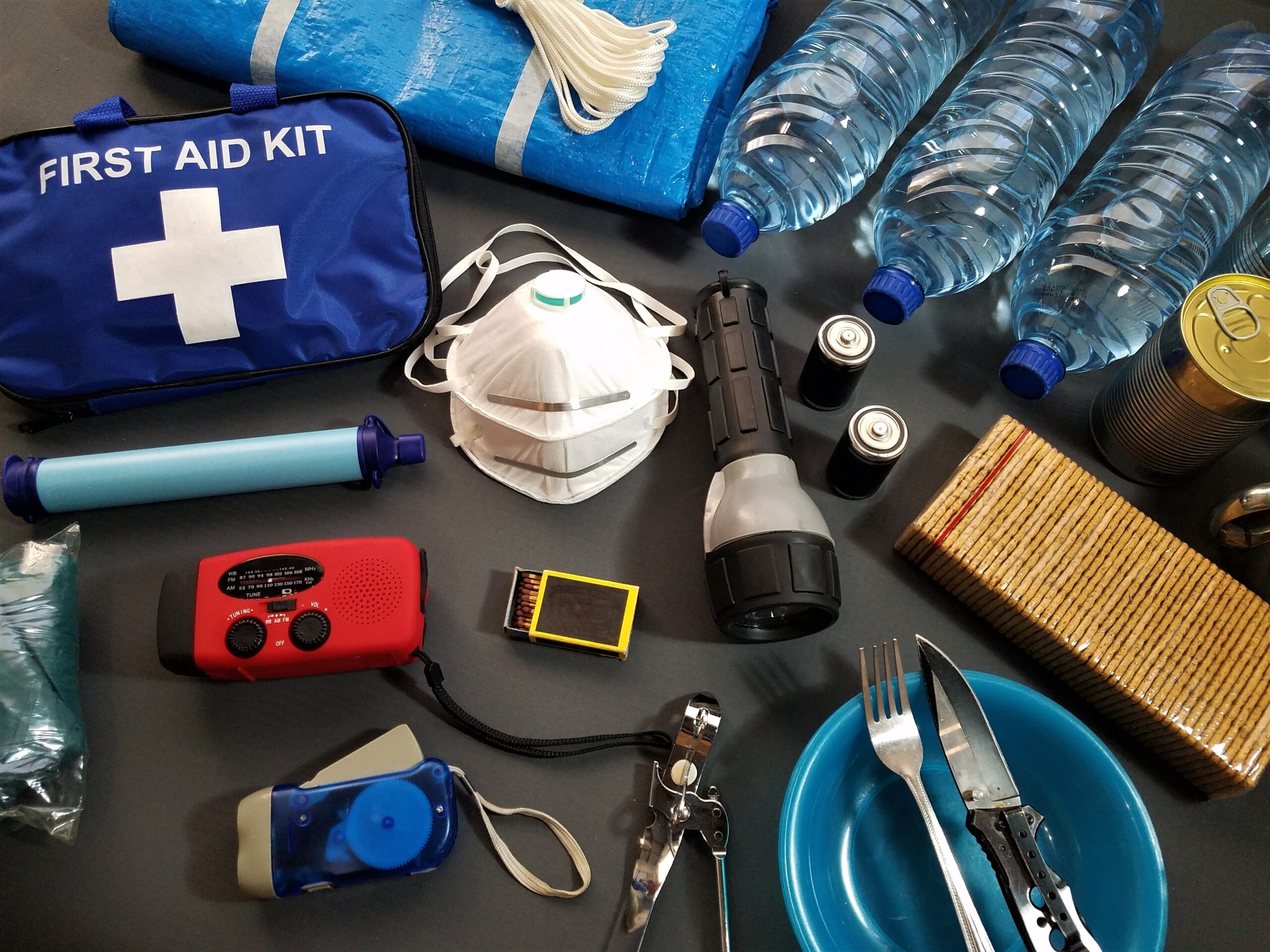
Before heading out, make sure you’re prepared for Houston’s heat, humidity, and insects, which can significantly impact outdoor safety. Essential gear includes:
- Lightweight, breathable clothing and rain protection
- Insect repellent (DEET or picaridin) and sunscreen
- Headlamp or flashlight with extra batteries
- Water filtration system or sufficient water storage
- Navigation tools (map, compass, or GPS device)
- Basic first aid kit
Most parks require online reservations for campsites, especially on weekends. Fees vary by location, with primitive sites typically costing $10–$25 per night, depending on the park. Permits may be required for backcountry camping in national forest areas, so always check with the U.S. Forest Service or Texas Parks and Wildlife before your trip.
Survival Courses and Self-Guided Training Options Near Houston
If you prefer structured learning, several organizations within driving distance of Houston offer introductory survival training:
- Earth Native Wilderness School (Bastrop, TX) – Known for beginner-friendly courses covering shelter building, fire starting, and plant identification
- Texas Survival School (North Texas) – Offers multi-level courses, though it is a longer drive from Houston
- Local outdoor education groups – Provide workshops and seasonal programs focused on camping and wilderness skills
For those staying local, self-guided practice in parks combined with reputable online resources or field guides can also build foundational skills effectively.
Conclusion
You don’t have to travel far from Houston to start building outdoor survival skills. From the forested trails of Lake Houston Wilderness Park to the expansive terrain of Sam Houston National Forest, the region offers accessible environments for both beginners and experienced outdoor enthusiasts. With the right preparation, you can practice navigation, camping, and self-reliance skills while exploring some of Southeast Texas’s most scenic natural areas.