Living Off the Land By Fishing, Hunting, and Foraging
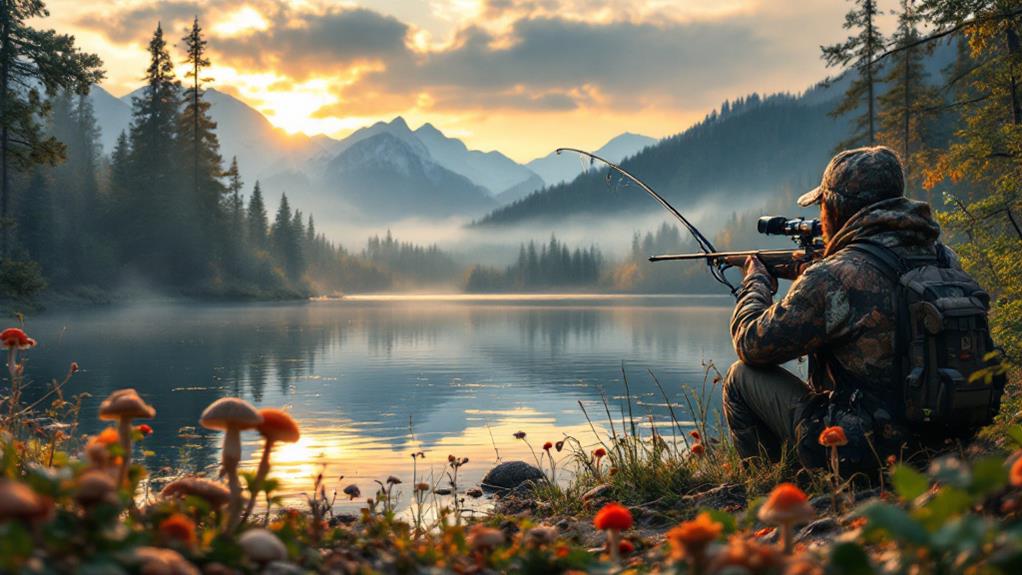
Living off the land through fishing, hunting, and foraging requires dedication and a deep connection with nature. You'll need to plunge into essential techniques for each activity, understand seasonal patterns, and develop preservation methods. Foraging for wild edibles demands careful plant identification skills. You must balance nutrition from diverse natural sources and practice sustainable land stewardship. It's pivotal to obtain necessary permits and respect property boundaries. Constructing a self-reliant community can enhance your success and resilience. By cultivating these skills and adopting the right mindset, you can break free from modern food systems and welcome a more self-sufficient lifestyle. The expedition toward true self-reliance is both challenging and gratifying.
The Mindset of Self-Sufficiency
Embracing a self-sufficient mindset is the cornerstone of living off the land. To thrive in the wild, you'll need to cultivate a deep connection with nature and develop a keen understanding of your food sources. This mindset shift requires you to break free from modern conveniences and industrialized food systems, committing yourself to learn traditional survival techniques.
As you embark on this adventure, make sure to nurture a sense of gratitude and stewardship towards the land and its resources. This appreciation will motivate you to adopt sustainable practices, ensuring long-term food security through fishing, hunting, and foraging. You'll need to view your relationship with the environment as interdependent rather than exploitative, forming the foundation for a truly self-sufficient lifestyle.
Living off the land demands that you overcome your reliance on convenience and accept the challenges of self-reliance. By developing the necessary skills and knowledge, you'll be able to provide for yourself and potentially others. Remember, this lifestyle isn't just about survival; it's about fostering a harmonious connection with the natural world and redefining your place within it.
Essential Hunting and Fishing Techniques
In accordance with the self-sufficient lifestyle, commanding fundamental hunting and fishing methods is indispensable for living off the land. To become proficient in hunting, you'll need to master proper firearm and archery techniques. This skill, combined with a comprehensive understanding of animal behavior and habitats, will significantly enhance your success rates.
For fishing, you should develop expertise in various methods like fly fishing, baitcasting, and jigging. This versatility allows you to target different fish species effectively. Once you've made your catch, whether it's game or fish, proper field dressing, butchering, and preservation techniques are essential to maximize your harvest.
Foraging for Wild Edibles
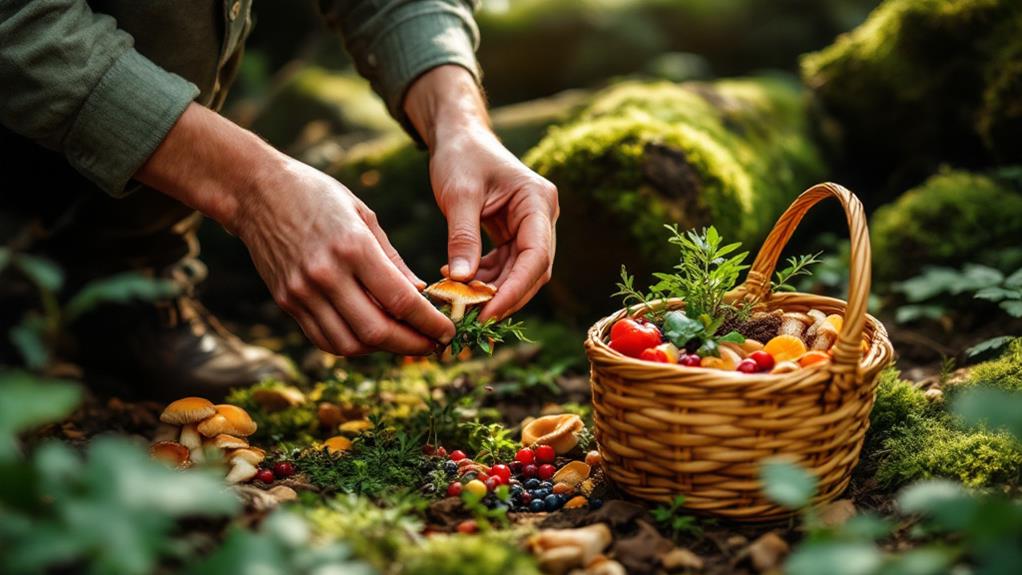
Abundance awaits those who excel at the art of foraging for wild edibles. As you learn to live off the land, you'll uncover a wealth of nutrient-dense wild food that's been sustaining humans for thousands of years. To tap into this natural bounty, you must first master the critical skill of proper plant identification. This knowledge will help you avoid toxic varieties and safely enjoy the benefits of wild greens like dandelion, purslane, and chickweed, which offer substantially higher vitamin and mineral content than their cultivated counterparts.
Your foraging success depends on understanding seasonal availability and regional differences in wild edibles. You'll need to familiarize yourself with local plants and their growth patterns to make the most of nature's offerings. As you venture into preparing wild foods, remember that sustainable foraging practices are essential for preserving these priceless resources. By harvesting responsibly, you'll ensure the long-term health and regeneration of wild plant populations. Embrace the ancient practice of foraging, and you'll open a world of nutritious, freely available food while deepening your connection to the land around you.
Seasonal Food Gathering Strategies
Successful living off the land requires adapting your food gathering strategies to the changing seasons. You'll need to adjust your foraging techniques based on the availability of wild plants, berries, and mushrooms in different ecosystems throughout the year. Pay attention to natural indicators like weather patterns, plant growth cycles, and animal behavior to anticipate seasonal shifts in food sources.
To maximize your short-term food supply, consider these strategies:
- Time your hunting and fishing activities to coincide with migratory patterns and breeding cycles of game species
- Rotate between primary food sources to prevent over-harvesting and maintain ecological balance
- Preserve surplus food through drying, smoking, fermenting, and canning for lean seasons
- Monitor and adapt to changes in local ecosystems to guarantee a steady food supply
Processing and Preserving Wild Foods
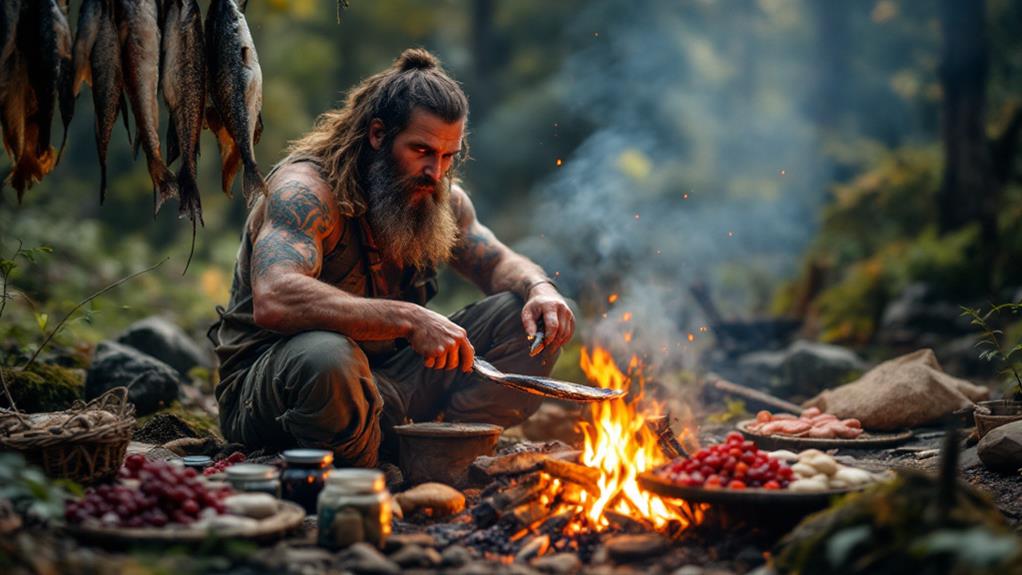
Properly processing and preserving wild foods is essential for maximizing your harvest and ensuring a steady food supply throughout the year. When you've successfully hunted game, it's paramount to field dress and butcher the animal correctly. This not only guarantees food safety but also helps you get the most usable meat from your catch.
To extend the shelf life of your wild foods, you'll need to employ various preservation methods. Smoking, curing, and dehydrating are excellent techniques for preserving meats, fish, and foraged plants. These methods not only prevent spoilage but also enhance flavors. For wild berries, fruits, and vegetables, canning and jarring are effective ways to store them long-term while retaining their nutritional value.
Don't let any part of your harvest go to waste. Rendering animal fats and oils provides you with versatile cooking fats and lubricants. Freezing is a convenient option for storing wild foods, but be sure to handle and package them properly to maintain quality and prevent freezer burn. By becoming proficient in these preservation techniques, you'll be able to enjoy the fruits of your labor year-round while maintaining food safety standards.
Balancing Nutrition From Natural Sources
While preserving wild foods guarantees long-term sustenance, it's equally important to focus on the nutritional balance of your foraged diet. A wild-based diet can provide a well-rounded mix of essential macronutrients, ensuring nutritional completeness. You'll find that combining foraged plants with self-caught game creates a diverse and self-sufficient dietary approach.
To achieve a balanced diet from natural sources, consider these strategies:
- Forage for nutrient-dense wild plants to address potential vitamin and mineral deficiencies
- Hunt and angle for high-quality animal protein essential for overall health
- Mix plant-based foods with wild game to create well-rounded meals
- Learn proper preparation techniques to maximize nutritional benefits
Sustainable Practices for Land Stewardship
Living off the land responsibly requires a commitment to sustainable practices that preserve and enhance the natural environment. As a steward of the land, you'll need to implement strategies that guarantee long-term viability of natural resources. Start by adopting regenerative agriculture methods like cover cropping and agroforestry. These practices restore soil health and biodiversity while reducing your reliance on chemical inputs.
Embrace sustainable land management techniques such as rotational grazing and selective harvesting. These approaches help maintain ecosystem balance and promote ecological restoration. When hunting, follow responsible wildlife management practices to ensure thriving ecosystems and balanced populations. Remember to practice leave no trace principles while foraging and camping to minimize your impact on the land.
To further reduce your environmental footprint, leverage renewable energy sources like solar and wind power. This shift away from fossil fuels contributes to the overall health of the ecosystem you're living in. By implementing these sustainable practices, you're not only guaranteeing your own ability to live off the land but also preserving it for future generations.
Legal Considerations and Regulations
Three key legal considerations come into play when living off the land. First, you'll need to familiarize yourself with local, state, and federal regulations governing fishing, hunting, and foraging activities. Second, obtain all necessary permits and licenses before engaging in these practices. Third, understand and respect property boundaries, as trespassing can lead to serious legal consequences.
Licensing requirements vary depending on your location and the specific activities you're pursuing. You'll typically need:
- A fishing license for both freshwater and saltwater fishing
- A hunting license, often with additional tags for specific game animals
- A trapping permit if you plan to trap animals
- Special permits for foraging in certain areas, particularly on public lands
It's imperative to stay up-to-date on seasonal restrictions, bag limits, and size requirements for fish and game. Many areas have strict regulations on harvesting wild plants, too. Always check local laws before collecting any flora or fauna. Remember, ignorance of the law isn't a valid defense, so take the time to educate yourself thoroughly. By following regulations, you'll guarantee your sustainable lifestyle remains legal and ethical.
Building a Self-Reliant Community
Building a self-reliant community extends the concept of individual off-grid living to a broader, more interconnected scale. To cultivate community resilience, you'll need to establish cooperative neighborhood networks that share resources, skills, and support. Start by organizing community gardens, tool libraries, and skill-sharing workshops to promote food security and sustainable practices.
Advocate for zoning and policy changes that enable small-scale farming, residential renewable energy, and decentralized infrastructure. This will create a more conducive environment for self-sufficiency. Develop a mutual aid system to assist vulnerable members during crises or hardships, strengthening the community's ability to withstand challenges.
Encourage a culture of environmental stewardship by promoting traditional ecological knowledge and intergenerational knowledge-sharing. This will help preserve esteemed skills and practices that contribute to sustainable living.
Frequently Asked Questions
What Type of Subsistence Lifestyle Relies on Hunting and Fishing Animals and Foraging for Wild Vegetation and Other Nutrients Like Honey for
You're describing a hunter-gatherer lifestyle, which relies on sustainable foraging, hunting, and fishing for survival. You'd move with the seasons, using your deep knowledge of local ecosystems to find food. You'd hunt wild animals, catch fish, and gather plants, fruits, nuts, and honey. This mobile way of life requires adaptability and cooperation within your group. You'd have a close connection to nature, constantly adjusting your strategies to guarantee you're not depleting resources.
Is Hunting and Fishing Bad for the Environment?
Hunting and fishing aren't inherently bad for the environment. When you practice sustainable approaches, they can actually benefit ecosystems. You'll find that properly regulated hunting helps control overpopulated species and funds conservation efforts. Similarly, small-scale fishing can be sustainable, unlike industrial overfishing. You should know that indigenous communities have hunted and fished for millennia with minimal impact. Well-managed programs can maintain healthy wildlife populations and prevent disease spread. It's all about balance and responsible practices.
Does Foraging Include Fishing?
Yes, foraging typically includes fishing as a means of obtaining food from natural sources. When you're foraging, you're not just limited to plants and mushrooms. You'll often find that fishing is a pivotal part of the process. It's a way to gather protein-rich food from rivers, lakes, and oceans. You're fundamentally harvesting fish from their natural habitat, just as you'd collect berries or nuts from the land. Fishing complements other foraging activities, providing a well-rounded approach to sourcing food from nature.
What Is the Difference Between Hunting and Fishing?
When you compare hunting and fishing, you'll notice they're distinct subsistence methods. Hunting involves pursuing land animals, requiring skills like tracking and using firearms or bows. You'll need different equipment and techniques for each. Fishing focuses on capturing aquatic species, often using rods, nets, or traps in bodies of water. You'll find that regulations and conservation approaches differ between the two. The nutritional profiles and preparation methods for your catch will also vary, offering diverse culinary experiences.