How to Get Started With Tiny Home Living: a Beginner's Guide
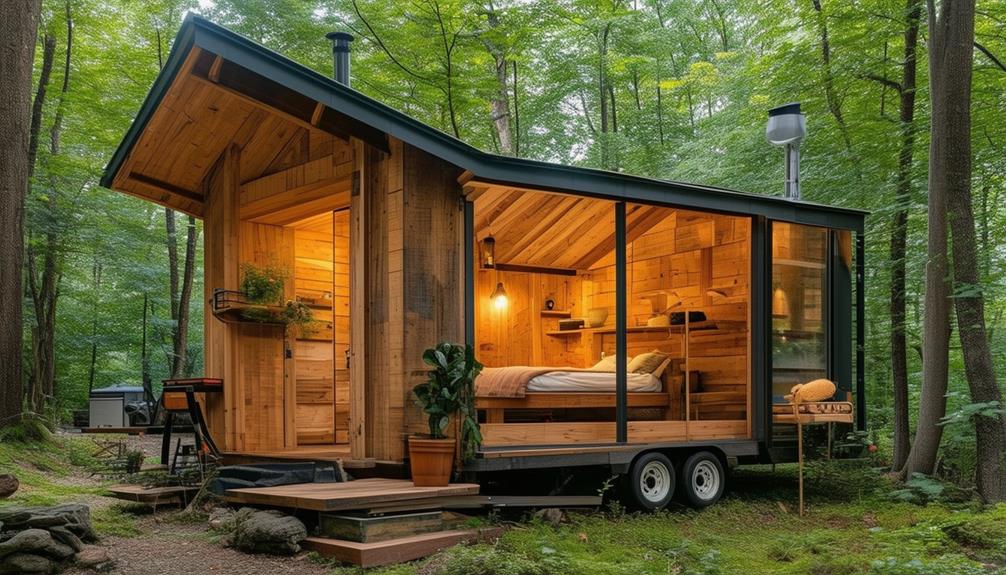
Starting on the journey of tiny home living promises a lifestyle centered around simplicity and efficiency. To get started, the first step involves understanding local zoning laws and building codes to ensure your tiny home is legally permissible in your chosen area. Next, establish a realistic budget that accounts for both construction costs and the price of land. Consider whether you want to build your tiny home yourself or purchase one pre-made, each option presenting its own set of benefits and challenges. Adopting a minimalist mindset will be crucial in making the most out of your limited space. Ready for the next step in your tiny home adventure?
Understanding Tiny Homes
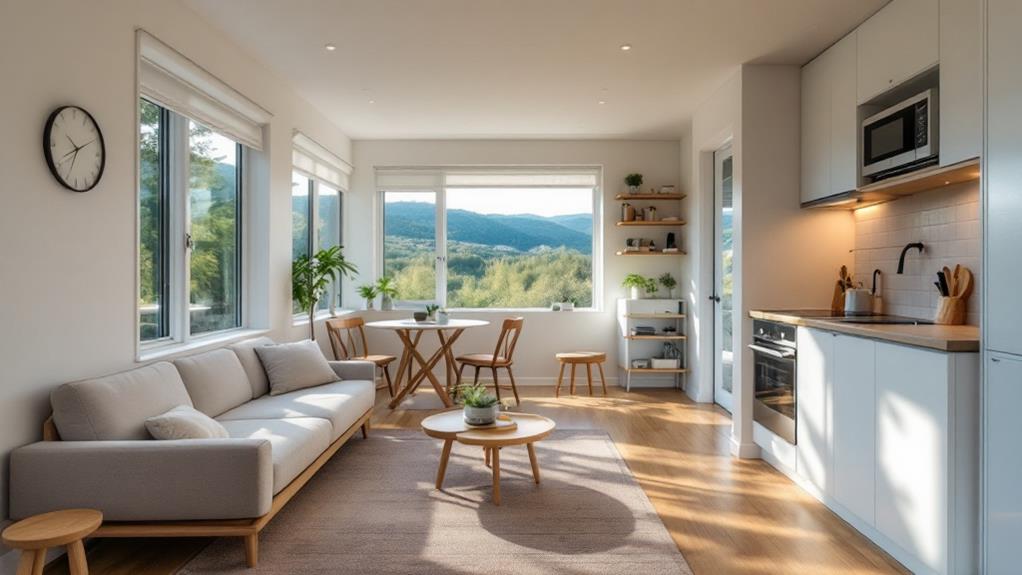
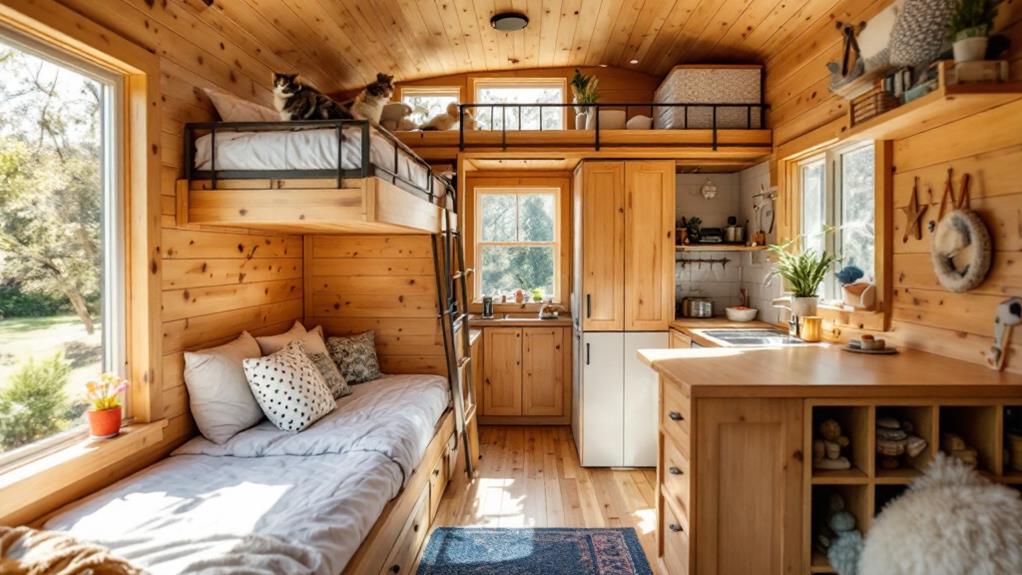
Understanding tiny homes starts with acknowledging that they typically have 400 sq. ft. or less of floor space, excluding lofts or second stories. Optimizing this limited space is crucial, often requiring clever solutions like multi-functional furniture and efficient storage options. Embracing tiny living generally means adopting a minimalist lifestyle, which can help you downsize, simplify your life, and reduce your environmental footprint.
Legal considerations are vital when venturing into tiny living. Zoning laws and building codes vary greatly by location. Some areas are more accommodating to tiny homes, while others have stringent regulations. Researching these laws thoroughly is essential to ensure your tiny house complies with local requirements, which may include restrictions on placement, minimum size mandates, or specific building standards.
Before diving in, it's also important to understand the various types of tiny homes and how they fit into legal frameworks. This knowledge will guide you in making informed decisions about your tiny home and its location.
Types of Tiny Houses
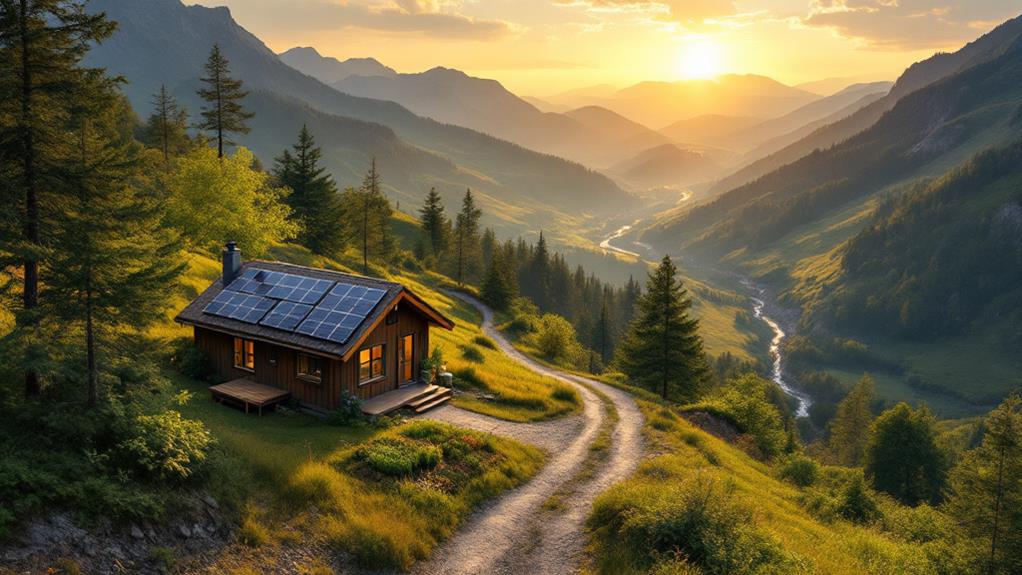
When exploring the world of tiny homes, you'll find a variety of options to suit different lifestyles and preferences. Tiny houses can be built on foundations or trailers, offering a choice between mobility and permanence. If you love the idea of traveling with your home, a tiny house on wheels might be ideal. Conversely, a foundation-based tiny house provides a more stable and permanent living solution.
Customization is a key feature of tiny homes. Whether you're building from scratch with DIY kits or choosing ready-made options, you can tailor your tiny home to meet your specific needs. For those passionate about sustainability, using recycled materials can make your tiny house eco-friendly.
Additionally, tiny houses come in various levels of luxury. You can opt for a simple, minimalist design or select high-end models that include upscale amenities. Here's a quick comparison to get you started:
| Type | Features | Ideal For |
|---|---|---|
| On Wheels | Mobility, travel-friendly | Nomads, travel enthusiasts |
| On Foundation | Permanence, stability | Settlers, family-oriented |
| DIY Kits | Customization, hands-on | DIYers, budget-conscious |
| High-End | Luxury, upscale amenities | Comfort seekers, luxury lovers |
This breakdown ensures you can find a tiny home that perfectly matches your lifestyle and needs.
Legal Considerations
Exploring the legal landscape of tiny home living is crucial for ensuring compliance with local zoning laws and building codes. As the tiny house movement gains traction, understanding the legal considerations specific to your area is essential. Zoning laws can vary significantly, and familiarity with them will help you avoid potential issues.
Start by researching local regulations to determine if your preferred location permits tiny homes. Some areas might classify your tiny home as an accessory dwelling unit (ADU), simplifying compliance with zoning laws. Resources like the American Tiny House Association and Living Tiny Legally offer valuable guidance and support.
Next, investigate building codes to ensure your tiny home meets safety and structural standards. In many locations, securing the proper building permits is necessary. Additionally, consider legal parking options, which can often be a challenging aspect of tiny home living. Whether parking on private land or in designated tiny home communities, ensure you are fully aware of the legal requirements.
Costs and Budgeting
Once you've navigated the legal landscape, it's time to assess the costs and budgeting involved in building your tiny home. The average cost of constructing a tiny house is around $150 per square foot, including necessary permits. Custom floor plans can push your budget up to $150,000 or more, while more economical prefab kits range from $4,000 to $10,000.
Don't forget to factor in land expenses. Whether you're purchasing or leasing land, these costs should be a significant part of your total budget. Securing financing is essential before you start construction. Make sure to include contractor bids in your cost calculations to avoid unexpected surprises.
If you're dreaming of luxury finishes, be prepared for extra expenses. These upgrades can quickly drive up the overall expenditure, so consider them carefully in your budget planning. Additionally, explore financing options for new tiny homes on land, as some lenders offer specific loans that can help cover both the home and the land.
Building or Buying
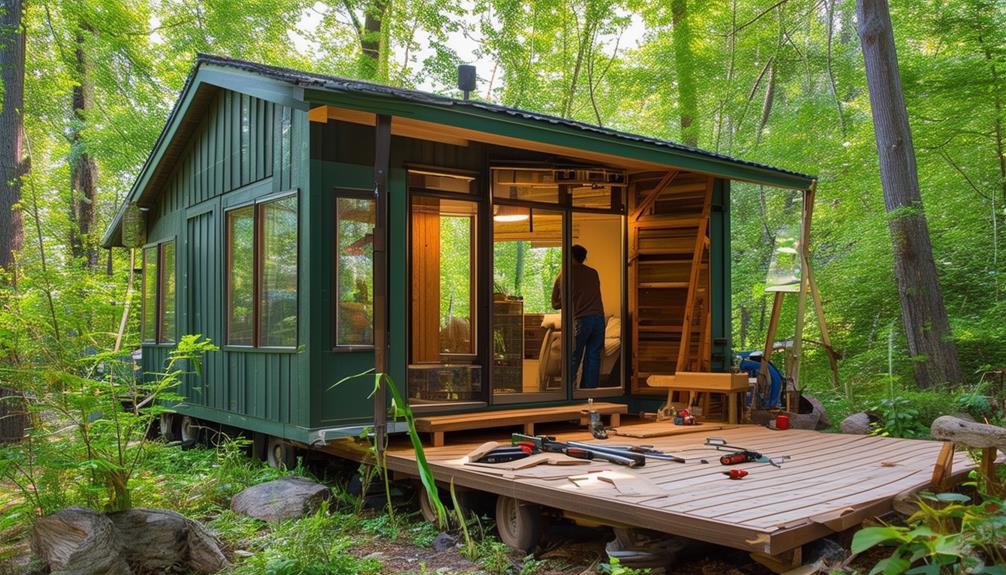
Deciding between building or purchasing a tiny home largely depends on your priorities regarding customization, budget, and timeline. If you seek a living space tailored to your specific needs and preferences, constructing your tiny home is the ideal choice. This option allows you to select every detail, from the layout to the finishes, ensuring the house reflects your personal style. However, this approach can be time-consuming and potentially more expensive, especially if utility hook-ups are needed.
Conversely, if you are eager to start living tiny right away, buying a pre-made tiny home offers a quicker transition. Platforms like Tiny House Listings and Tiny Home Builders provide numerous ready-made options that are often move-in ready, allowing you to embark on your tiny living journey immediately.
Regardless of whether you choose to build or buy, consider the resale value of your tiny home. The tiny house community is growing, and a tiny house on wheels can offer flexibility if your circumstances change. Ultimately, your decision should align with your lifestyle and goals, ensuring a smooth start to your tiny living adventure.