How to Find Land for Your Tiny Home
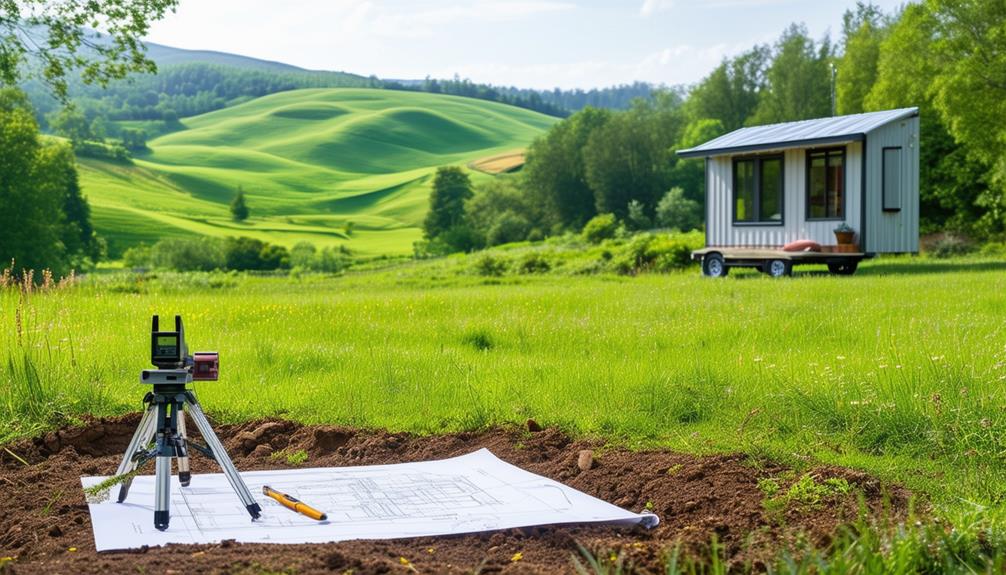
Starting your search for land to place your tiny home can feel overwhelming, but breaking it down into manageable steps makes it easier. First, decide whether to purchase, lease, or stay as a guest on someone's property. Each option has its own challenges and benefits. Also, consider zoning laws, utilities, and road access. Understanding these elements helps you make a well-informed decision that aligns with your vision for tiny living.
Buy, Lease, or Be a Guest
When securing land for your tiny home, you'll need to choose between buying, leasing, or staying as a guest on someone else's property. Each option comes with its own set of benefits and challenges, primarily influenced by local zoning laws and building codes. If you consider purchasing land, ensure the area is zoned for tiny houses. Communities often have specific regulations, so thorough research is necessary to avoid legal issues.
Leasing land offers flexibility, particularly if you anticipate relocating your tiny home in the future. Many tiny house communities provide leasing options, allowing you to enjoy amenities and a supportive environment without the long-term commitment of ownership. These communities are usually designed in accordance with zoning laws for tiny houses, making it easier to meet local building codes.
Alternatively, staying as a guest on a family member's or friend's property can be a cost-effective solution. However, you will still need to check local zoning laws and building codes to ensure compliance. In some areas, your tiny home might be classified as an RV, requiring it to be parked in designated zones. Understanding these regulations is essential for a smooth experience.
Finding Land to Buy
When looking to purchase land for your tiny home, consider factors such as location, size, and budget to ensure it meets your needs. Use networking, online platforms, and social media to identify available options, and make sure to review local regulations and zoning laws. Consulting real estate professionals who specialize in tiny homes can also streamline the process.
Location and Budget Factors
Balancing location and budget when searching for land to build your tiny home involves careful consideration of various factors. First, identify your preferred location. Utilize online real estate platforms to compare land prices and sizes. Be mindful of state zoning laws, as some areas have restrictions on tiny homes. It's crucial to consult city governments to ensure your chosen spot is feasible.
Budget considerations are equally vital. Land prices vary based on location, independent of your tiny home's size. Reviewing city documents for long-term neighborhood plans can help you avoid future developments that might disrupt your tranquility.
Here's a quick comparison:
| Factor | Urban Areas | Rural Areas |
|---|---|---|
| Price | Generally higher due to demand | Typically lower, offering more land for less |
| Zoning Laws | Stricter, may have more restrictions | More lenient, but varies by state |
| Development Plans | Frequent, may affect long-term living | Less frequent, offering more stability |
Balancing these factors will help you find the perfect location for your tiny home while maintaining your budget.
Networking and Online Tools
Finding land for your tiny home becomes easier when you effectively harness networking and online tools. Engaging with local communities and attending events can uncover potential opportunities. Building relationships with residents may lead to land offers you might not find otherwise. Leveraging unconventional methods, such as partnering with local businesses or offering services to landowners, can also open up possibilities.
Online tools provide a vast array of options for finding rural land suitable for residential use. Platforms like Craigslist, Nextdoor, and Facebook are excellent for networking and posting ads seeking land. Additionally, websites like LandWatch and LoopNet offer a wide selection of properties, often featuring video tours to give you a better understanding of the land.
Here are some steps to improve your search:
- Engage in Local Communities: Attend local events and connect with residents who might know about land availability.
- Use Online Tools: Explore platforms like Craigslist, Nextdoor, Facebook, LandWatch, and LoopNet to find listings and post ads.
- Consider Unconventional Methods: Propose partnerships with local businesses or offer unique services to landowners.
- Think Creatively: Stay open-minded about different locations and consider a variety of rural and residential options.
Navigating Regulations and Codes
Ensuring your small house complies with local zoning laws and building codes is crucial. Begin by researching local zoning regulations to identify any restrictions on placing a small house on your chosen property. These regulations can vary widely, so understanding what is permissible in your desired area is essential.
Next, review city documents for future development plans to avoid purchasing land that might later be affected by undesirable developments. Additionally, analyze state regulations to understand the minimum land requirements for legal living and building structures. Some states have specific guidelines on the minimum size of land necessary to legally accommodate a small house.
Before finalizing any land purchase, make sure your plans comply with all relevant zoning laws and building standards to prevent potential legal issues. Consulting a real estate professional who specializes in small homes and land is advisable. They can guide you through the complexities and help you avoid pitfalls. Though navigating these regulations and codes may seem daunting, thorough research and professional advice can streamline the process and ensure you find the ideal location for your small house.
Special Considerations
Before purchasing land for your tiny home, you must consider several special factors to ensure a smooth and legal setup. Local zoning and building laws are crucial in determining where you can place your tiny home. Contact your local zoning office or planning department to understand specific rules and restrictions that may impact your land purchase. A real estate agent specializing in tiny homes can guide you through these intricacies and help identify suitable land options that comply with local regulations.
Here are four special considerations to keep in mind:
- Zoning Ordinances: Verify that the land is zoned for residential use and allows for tiny homes. Some areas have restrictions based on square footage or types of dwellings permitted.
- Building Codes: Local building laws may impose specific requirements for tiny homes, such as minimum room sizes, safety standards, and utility hookups. Ensure your home meets these regulations to avoid future issues.
- Upfront Costs: Be prepared for additional upfront expenses, including permits, land surveys, and potential legal fees. Budgeting for these can prevent unforeseen costs.
- Real Estate Agent Expertise: Hiring a real estate agent with experience in tiny homes can save you time and help you navigate local zoning and building laws effectively. Their knowledge can be invaluable in finding the right plot of land.
Location and Accessibility
When selecting land for your tiny home, consider its proximity to essential amenities such as grocery stores and hospitals. Ensure there is convenient access to roads or highways for daily commuting. Additionally, check the area's crime rates to ensure a safe and secure environment.
Proximity to Amenities
When choosing a location for your tiny home, consider its proximity to vital services and amenities. This ensures convenience and easy access to essential resources, significantly improving your quality of life.
Key factors to evaluate include:
- Essential Services: Make sure grocery stores, hospitals, and pharmacies are within a reasonable distance. This will save time and provide peace of mind during emergencies.
- Recreational Facilities: Access to parks, gyms, and community centers enhances your lifestyle, offering spaces for relaxation and physical activity.
- Public Transportation: Proximity to public transportation hubs facilitates commuting, reduces car dependency, and connects you to nearby cities.
- Safety and Security: Investigate the area's crime rates and community feedback. A safe neighborhood is crucial for your peace of mind and long-term well-being.
Road and Highway Access
Ensuring your tiny home has convenient road and highway access is crucial for daily living and long-term property value. Proximity to roads and highways facilitates easy commuting, access to essential amenities like grocery stores and hospitals, and ensures that emergency services can reach you promptly. The convenience of road access is undeniable; it's a daily necessity.
When evaluating land, consider the area's safety concerning road access. Well-maintained roads and secure intersections are vital for stress-free travel. Furthermore, good access to major highways can significantly enhance your property's resale value. Future buyers will value the convenience and connectivity offered by easy highway access.
Here's a quick reference table highlighting key factors:
| Factor | Importance | Impact |
|---|---|---|
| Road Access | Daily commuting | High |
| Highways | Ease of travel | Moderate to High |
| Safety | Secure travel | High |
| Convenience | Proximity to amenities | High |
| Resale Value | Long-term investment | High |
Selecting land with excellent road and highway access ensures not only daily convenience but also a solid investment for the future.
Neighborhood Safety Evaluation
When evaluating road and highway access for your tiny home, it's crucial not to overlook neighborhood safety, which significantly impacts peace of mind and quality of life. Consider the following key points:
- Crime Rates: Investigate local crime statistics through reliable sources such as NeighborhoodScout or local police department websites. Lower crime rates typically indicate safer neighborhoods.
- Community Engagement: Look for evidence of active community involvement. Areas with regular events, vibrant social groups, and friendly resident interactions tend to be safer and more welcoming.
- Infrastructure: Ensure the neighborhood has good sidewalks and adequate street lighting. These features are essential for safety, particularly for evening walks or if you have children, as well-lit streets deter crime and enhance walkability.
- Neighborhood Watch Programs: Determine if there are neighborhood watch programs or a strong local police presence. Such initiatives improve security and foster a sense of community vigilance.
Utilities Availability

Before purchasing land for your tiny home, ensure that essential utilities like electricity, water, and sewage disposal are available. The availability of these utilities is crucial for both comfort and sustainability. Start by determining if the land has existing electricity connections. If not, consider off-grid power options such as solar panels or wind turbines.
Next, verify the availability of reliable water sources. This could involve a connection to a municipal water supply or the feasibility of drilling a well. A lack of water access can be a deal-breaker, so prioritize this in your evaluation. Additionally, assess sewage disposal options. Can you connect to a municipal sewer system, or will you need a septic tank? Each option comes with different installation and maintenance costs, so weigh them carefully.
Connecting to utilities can be costly and complex. Thoroughly research these aspects to avoid unexpected expenses and complications. In some cases, off-grid solutions might be more feasible or cost-effective. Understanding these factors in advance ensures that your tiny home experience will be both comfortable and practical. Therefore, take the time to verify the availability and feasibility of necessary utilities before making a purchase decision.
Networking and Online Platforms
Finding land for your tiny home becomes much simpler when you utilize online platforms like Craigslist, Nextdoor, and Facebook. These platforms are invaluable for connecting with local communities and identifying potential land opportunities. Networking with neighbors and building relationships within your community can offer valuable insights and leads.
Here are four steps to optimize your search:
- Utilize Online Platforms: Use Craigslist, Nextdoor, and Facebook Marketplace to search for land listings. Post your own inquiries and stay active in relevant groups.
- Engage with Local Communities: Participate in online forums and community boards. Engaging with local residents can help you discover hidden gems and off-market opportunities.
- Connect with Neighbors: Attend local events and meetups. Building rapport with neighbors can result in personal referrals and firsthand information about available land for a tiny home.
- Offer Unique Services: Be open to different arrangements. Offer to maintain the land, share harvests, or provide other services in exchange for usage rights. This innovative approach can enhance your chances of securing a suitable spot.