How to Finance Your Tiny Home: Loans and Grants
When considering how to finance your tiny home, it's essential to explore various options such as loans and grants. Personal loans might seem straightforward but require a strong credit score. If your tiny home is mobile, RV loans could be a viable option, although they come with specific criteria. Builder financing may necessitate a down payment and using your tiny home as collateral. Alternatively, home equity loans allow you to leverage your existing property. Additionally, don't overlook grants from government or nonprofit organizations, which can provide substantial support. Evaluating these options will help you determine the best fit for your situation.
Understanding Tiny Home Financing
Financing a tiny home differs from obtaining a traditional mortgage primarily because traditional mortgages aren't typically available due to the lower costs associated with tiny homes, which usually range from $20,000 to $100,000+. Instead, several financing options are tailored specifically for these compact dwellings.
Personal Loans: These loans offer amounts ranging from $1,000 to $100,000 with interest rates between 5% to 36%. They often have quick approval processes, making them a convenient choice. However, eligibility requirements such as a good credit score must be met.
RV Loans: If your tiny home is movable and meets roadworthiness standards, RV loans are another viable option. They provide longer repayment terms compared to personal loans but also have specific eligibility requirements focused on the home's mobility.
Builder Financing: This option often involves a down payment and uses the tiny home as collateral. It is frequently available through partnerships between builders and lenders, making it easier to secure funding.
Home Equity Loans: If you already own a home, you can consider a home equity loan. This type of loan uses your existing property as collateral, allowing you to tap into your home's equity to fund your tiny home purchase.
Each of these options has unique requirements and benefits, making it crucial to choose the one that best fits your financial situation and future plans.
Types of Tiny Homes
When considering a tiny home, you'll encounter various styles such as A-frames, yurts, cottages, and cabins. Determine whether you prefer a stationary home or one with wheels for mobility, similar to an RV or a park model. Keep in mind that costs can vary significantly, from affordable DIY kits to high-end custom builds, impacting your overall budget.
Styles and Designs
Tiny homes cater to a wide array of preferences and budgets, offering styles from rustic cabins to modern container homes. Each type, whether an A-frame, yurt, cottage, or RV-like park model, has its own set of benefits and challenges that can influence your financing options and overall living experience.
Container homes, for example, are notable for their industrial aesthetic and eco-friendly attributes. They are often constructed from repurposed shipping containers, making them a sustainable choice. Conversely, RV-like park models are ideal for those seeking mobility but can also be anchored to a permanent foundation for a more conventional living arrangement.
The cost of tiny homes varies significantly, ranging from $20,000 for basic DIY kits to over $100,000 for custom or luxury models. It's essential to budget for additional expenses such as permits, inspections, utilities, delivery fees, and land acquisition or rental. Furnishing a tiny home is another potential cost to consider. Understanding the diverse styles and designs of tiny homes will guide you in selecting the best financing options to match your needs and lifestyle.
Mobility Options
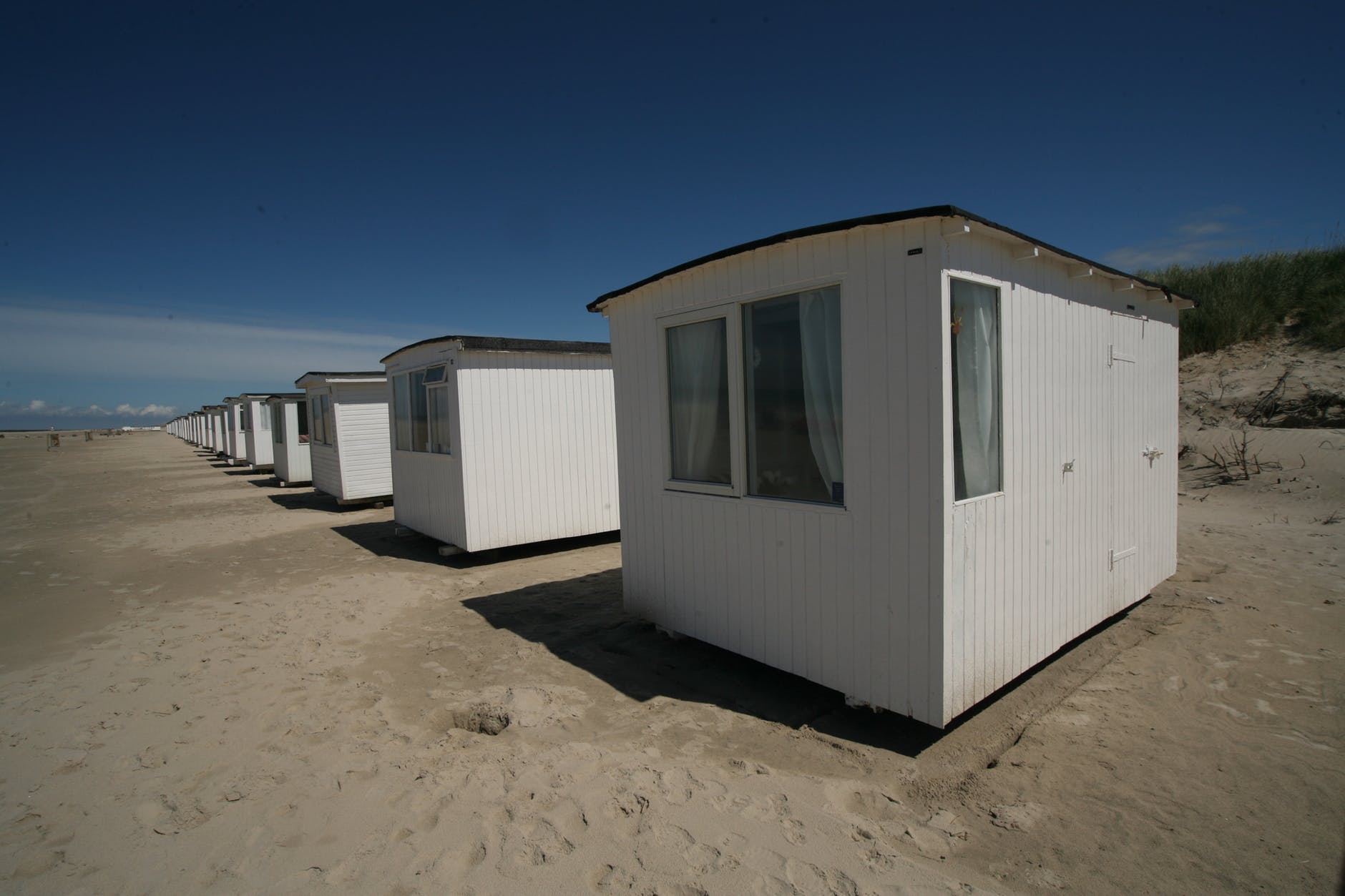
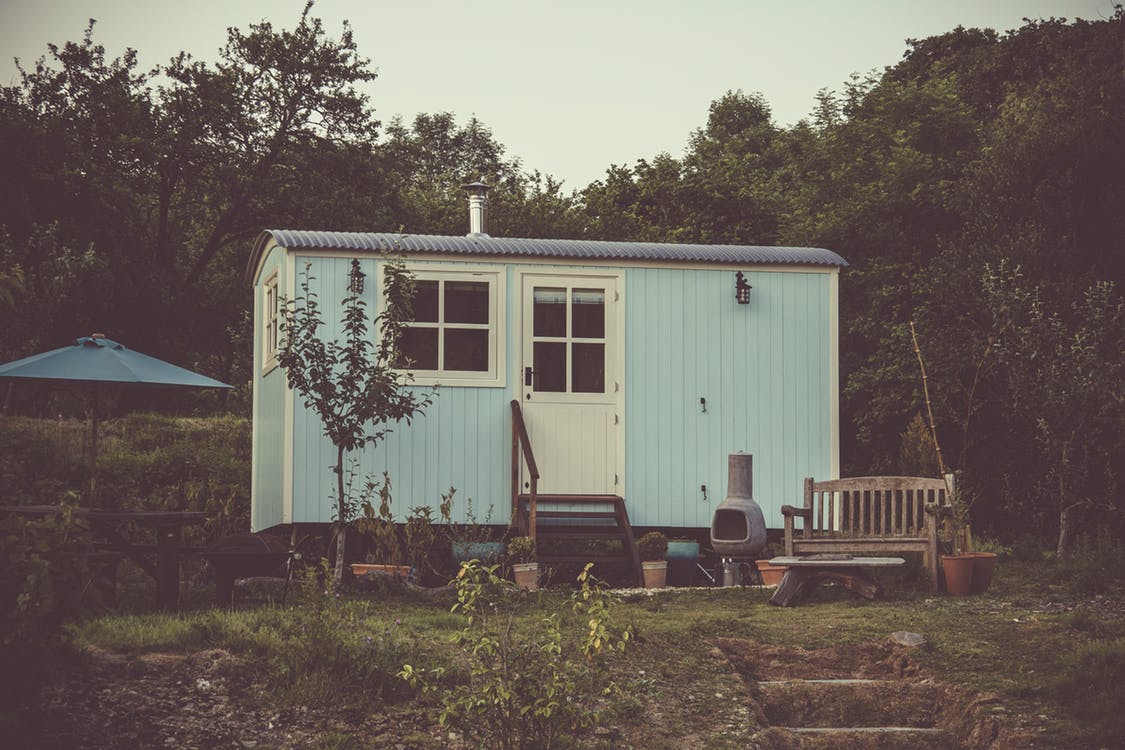
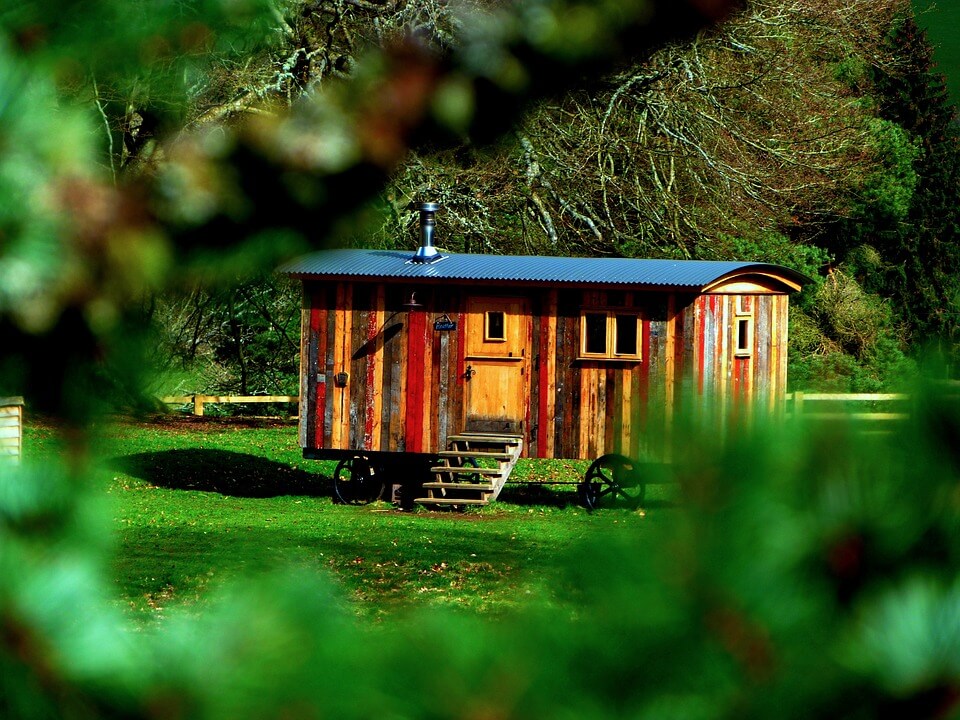
Tiny homes come in various mobile forms, including those on wheels, park models, and container homes, offering flexibility for different lifestyles. If you opt for a tiny home on wheels, it functions similarly to an RV, allowing you to relocate your home at will. This mobility is particularly advantageous if you enjoy traveling or need to move frequently for work.
When financing a tiny home, loan amounts and terms can differ significantly from those for traditional homes. Many lenders now offer loans specifically tailored for tiny homes. Whether you're financing a tiny house on wheels or a park model, it is crucial to understand the loan requirements and local zoning laws. Zoning regulations can affect where you can place and move your home, so always check local guidelines.
Container homes provide another mobile option and can be transported relatively easily. Financing options for these homes are also available, though they may vary slightly from those for traditional homes. Being aware of your mobility options and how they impact loan amounts will help you make an informed decision when financing your tiny home.
Cost Factors
Understanding the cost factors of different types of tiny homes is crucial for making informed financing decisions. Tiny homes come in various styles, including A-frames, yurts, cottages, cabins, container homes, RVs, and park models. The cost can range significantly—from $20,000 for basic DIY kits to over $100,000 for custom or luxury models. Determining the type of tiny home you want will help you estimate your budget and examine suitable financing options.
Additional cost considerations include permits, inspections, utilities, delivery fees, land, and furnishings. These expenses can add up quickly, so it's essential to include them in your overall budget. Traditional mortgages usually aren't available for tiny homes due to minimum loan amounts and size requirements. Instead, alternative financing options such as personal loans, RV loans, home equity loans, and builder financing should be considered.
Personal loans and RV loans are popular for financing tiny homes, especially if the home is mobile. Home equity loans can be an excellent option if you already own property and have built up significant equity. Builder financing might also be available if you're purchasing from a company that offers it.
Costs of Tiny Homes
When planning your tiny home, it's crucial to consider a wide range of costs, from the initial purchase to permits and utilities. Tiny homes can range from $20,000 for basic DIY kits to over $100,000 for custom or luxury models. Understanding these costs is vital as it directly impacts your financing options, whether through loans or grants. Budgeting for your tiny home isn't just about the upfront price; you'll also need to account for permits, inspections, and utility requirements.
Additionally, zoning regulations can influence your expenses, especially if you're planning to place your tiny home on wheels versus a permanent foundation. Land acquisition is another significant factor, as owning land or securing a suitable location can add to the costs. Delivery fees and furnishings further contribute to the total amount you'll need to budget for.
Effective budgeting requires a thorough understanding of these varied expenses. By considering all potential costs, you'll be better prepared to make informed financing decisions. Evaluating these factors will help you determine the best approach, whether you're exploring loans, grants, or other financing options.
Loan Options
Exploring different loan options is crucial for financing your tiny home. Personal loans are a popular choice, offering amounts from $1,000 to $100,000 with interest rates typically ranging from 5% to 36%. These loans often have a quick approval process, allowing you to access funds within a day, making them a convenient option for those needing to move quickly.
Builder financing is another route, provided by some tiny home builders. This option might require a down payment and use the tiny home as collateral. Builder financing can be appealing as it often ties directly to the construction process, potentially simplifying the overall experience.
If your tiny home is movable and meets specific criteria, RV loans are another viable option. These loans generally offer longer terms compared to personal loans and may also require a down payment. RV loans can be advantageous if you plan to use your tiny home as a mobile living space.
Lastly, some lenders may consider your tiny home as a primary residence for loan eligibility. Understanding this distinction is important, as it may affect the terms and approval processes of the loan. Thoroughly researching each option will help you find the best fit for your situation.
Grant Opportunities
When exploring grant opportunities for your tiny home, you'll discover various options such as government housing grants, nonprofit funding, and state-specific assistance programs. These grants can help offset expenses related to construction, energy efficiency improvements, or land acquisition. To increase your chances of securing this valuable funding, conduct thorough research and apply early.
Government Housing Grants
Securing a government housing grant can significantly alleviate the financial burden of building or purchasing a tiny home. These grants are specifically designed to assist low-income individuals in achieving affordable housing solutions. For those considering a tiny home, such grants can be pivotal in promoting sustainable living practices aligned with tiny home ownership.
To qualify for these grants, you must meet specific eligibility criteria, which often include income level, the proposed home's location, and other program-specific requirements. Thorough research into these criteria will help you determine your eligibility and identify the most suitable grants for your needs.
Government housing grants can cover a substantial portion of the costs associated with constructing or buying a tiny home, thus easing your financial strain. This financial assistance can help turn your tiny home dream into reality, even if you have a limited budget. By applying for these grants, you can secure the necessary funding to proceed with your housing projects, fostering both financial stability and sustainable living. Begin exploring your options today and take the first step toward owning your tiny home.
Nonprofit Organization Funding
Many nonprofit organizations offer grants that can significantly help cover the costs of building or purchasing a tiny home. These grants are an excellent way to secure funding without incurring debt. Nonprofits often focus on affordable housing solutions, making them a perfect match for your tiny home project. The first step is to research organizations that align with your specific needs.
Look for nonprofits that specialize in affordable housing or have a history of supporting tiny home initiatives. Once you've identified potential sources, delve into the application process. Each organization will have its own set of eligibility criteria, application requirements, and funding amounts, so be prepared to customize your application accordingly.
Applying for these grants can be competitive, but don't let that discourage you. By presenting a compelling case for how your tiny home project aligns with their mission, you increase your chances of receiving funding. Be sure to emphasize how your project contributes to affordable housing solutions and meets the specific objectives of the nonprofit.
State-Specific Assistance Programs
Exploring state-specific assistance programs can unlock valuable grant opportunities to help fund your small dwelling. Many states offer grant programs designed to provide financial aid to eligible individuals seeking to construct or purchase a small home. These programs can significantly ease the financial burden associated with small dwelling financing.
To benefit from these state-specific grants, you'll need to meet certain eligibility criteria, such as income limits, residency requirements, and adherence to specific program guidelines. Researching opportunities in your state will help you understand the available options and whether you qualify. Knowing these criteria can help you prepare the necessary documentation and improve your chances of securing funds.
Grant programs vary widely from state to state, so staying informed about the specific offerings in your area is essential. Some grants may cover partial costs, while others might offer more comprehensive financial support. By thoroughly researching state-specific grant opportunities, you can find the financial aid needed to make your small dwelling dream a reality. Don't hesitate to explore all available options, as these grants can make a significant difference in your small dwelling financing journey.
Comparing Loan Types
When comparing loan types for financing your tiny home, it's crucial to understand the differences in terms, interest rates, and associated fees. Each loan type has specific features that can influence your financial decisions.
Personal loans usually have terms ranging from 1 to 7 years, with interest rates between 6% and 36%. These loans are often quicker to obtain but come with higher monthly payments due to the shorter loan terms. RV loans, in contrast, tend to have higher interest rates and include various fees such as origination fees, closing costs, late payment fees, prepayment penalties, and annual fees.
Tiny house loans offer longer terms, ranging from 10 to 30 years, which can make monthly payments more manageable. These loans come with varied interest rates and similar fees to RV loans, but usually do not include prepayment penalties.
Key points to consider:
- Personal loans: 1-7 year terms, 6%-36% interest rates
- RV loans: Higher interest rates, multiple fees
- Tiny house loans: 10-30 year terms, varied interest rates, no prepayment penalties
- Conventional mortgage: Typically not an option due to tiny home classification
- Credit scores: Impact loan eligibility and interest rates
Understanding these distinctions will help you choose the best financing option for your tiny home.
Preparing Loan Documents

Gathering all the necessary loan documents ahead of time can greatly streamline your tiny home financing process. Start by collecting proof of income, such as pay stubs or tax returns, to demonstrate your ability to repay the loan. Accurate and up-to-date financial information, including bank statements and details of any assets, will also be essential. Lenders will scrutinize these documents to assess your creditworthiness and determine your loan terms.
Ensure your credit scores are readily available, as they play a significant role in loan approval. Your credit score reflects your payment history and financial behavior, influencing the lender's confidence in your ability to manage debt. Providing thorough and accurate loan documents can expedite the application process, making it easier for lenders to evaluate your financial situation.
Residency and employment verification are also required documents. Confirming your place of residence and job stability adds another layer of assurance for the lender. By having all these required documents prepared, you increase your chances of securing funding and achieving loan approval more efficiently. This preparedness not only improves your creditworthiness but also paves the way for a smoother loan approval process.
Choosing the Best Loan
Selecting the best loan for your tiny home involves evaluating various financing options to find one that aligns with your financial situation and long-term goals. Each option has its own set of benefits and drawbacks.
Personal Loans: These offer flexibility, with amounts ranging from $1,000 to $100,000 and interest rates typically between 5% to 36%. They are convenient and quick, often disbursing funds within a day. However, it's important to carefully consider the interest rates and repayment terms.
Builder Financing: Some builders provide loans through partner lenders. This usually requires a down payment and uses the tiny home as collateral. Be sure to fully understand the terms and conditions, as defaulting could mean losing your home.
RV Loans: These typically come with longer terms compared to personal loans. They often require the tiny home to serve as your primary residence and may have specific eligibility criteria. A down payment might also be necessary.
Important Considerations:
- Eligibility Criteria: Different loans have various requirements you must meet to qualify.
- Down Payment and Collateral Requirements: Some loans may require a down payment, and certain types may use your tiny home as collateral.
Thoroughly understanding the terms and conditions of each loan type will help you avoid defaulting and ensure you choose the best financing option for your tiny home.
Considerations Before Financing
Understanding the primary factors before financing a tiny home can help you avoid unforeseen challenges and costs. Begin by researching local zoning laws and building regulations to ensure your tiny house complies with restrictions, as these rules can vary widely and impact where and how you place your home.
Next, consider the portability of your tiny home. If you plan to relocate frequently, RV loans might be a suitable option. However, keep in mind that portability entails potential maintenance costs and transportation logistics.
Additionally, evaluate the resale value and potential depreciation of your tiny home. Unlike traditional homes, tiny homes may not appreciate in value, which could affect your long-term investment.
When planning to finance a tiny house, also account for costs related to land, utilities, and potential maintenance. It's crucial to consider these ongoing expenses to prevent financial strain.
Here's a quick table to summarize these considerations:
| Main Factor | Importance | Impact on Financing Options |
|---|---|---|
| Zoning Laws | Ensures compliance with local restrictions | Limits where you can place your home |
| Building Regulations | Guarantees safety and legality | Affects construction and location |
| Portability | Influences financing options like RV loans | Adds maintenance and transport costs |
| Resale Value | Determines long-term investment potential | Affects overall financial planning |