How to Create a Tiny Home for Mindful Living
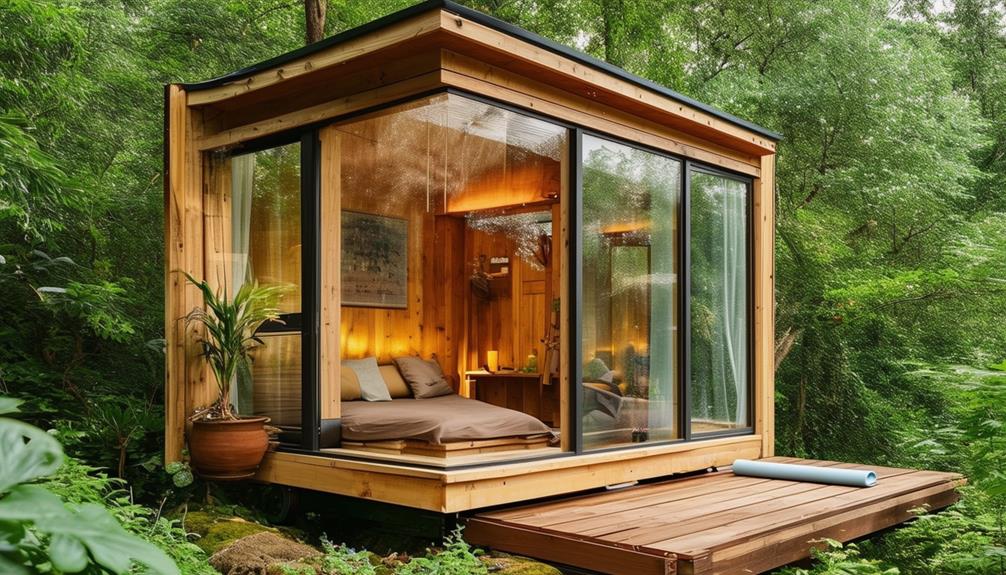
Creating a tiny home that fosters mindful living starts with prioritizing simplicity and functionality. Focus on maximizing space with smart storage solutions and multifunctional furniture, ensuring every inch is utilized efficiently. Opt for lightweight, durable materials such as steel framing and reclaimed wood to build a sustainable, well-lit environment. Eliminating unnecessary items will enhance a minimalist lifestyle, promoting mindfulness and appreciation. But how can you put these concepts into practice to transform your home into a serene, mindful haven? Let's explore the essential steps to achieve mindful tiny living.
Benefits of Slow Living
Slow living in a tiny home fosters mindfulness, gratitude, and a deeper connection to nature. Embracing this lifestyle encourages focusing on intentional moments and finding peace in everyday activities. By living in a smaller space, you prioritize what truly matters, promoting mindful living and a greater sense of contentment.
One significant benefit is the enhanced ability to enjoy intentional moments. You'll savor your morning coffee, relish the simplicity of your surroundings, and be truly present. This practice supports better self-care and mental well-being by allowing time for activities that enrich your life.
Additionally, slow living encourages spending more time in nature, deepening your connection to the environment. Whether tending to a small garden or enjoying the view from your window, these activities foster peace and relaxation. In a tiny home, every moment can be significant, leading to a more fulfilling and balanced life.
Journey to Tiny Living
Embarking on the path to tiny living often begins with inspiration from the tiny house movement and a pursuit of financial stability. The idea of residing in a small space that reduces financial burdens and simplifies life can be captivating. The minimalist lifestyle becomes appealing as you imagine shedding unnecessary possessions and focusing on what truly matters.
Designing your tiny home is both an exciting and challenging process. Collaborating with family members who have construction experience can be invaluable. Over the course of a year, working together to create a functional and beautiful small space ensures that every inch of your home is thoughtfully planned. This collaborative effort not only speeds up the building process but also enhances the quality of the design.
After two years of marriage, transitioning to a tiny home marks a significant lifestyle change. Adapting to a minimalist lifestyle involves appreciating the simplicity and intentionality of your new environment. It's about making conscious choices in every aspect of your life and embracing the constraints of a small space to foster creativity and mindfulness. This experience is more than just downsizing; it's a journey toward a more meaningful and deliberate way of living.
Lessons Learned
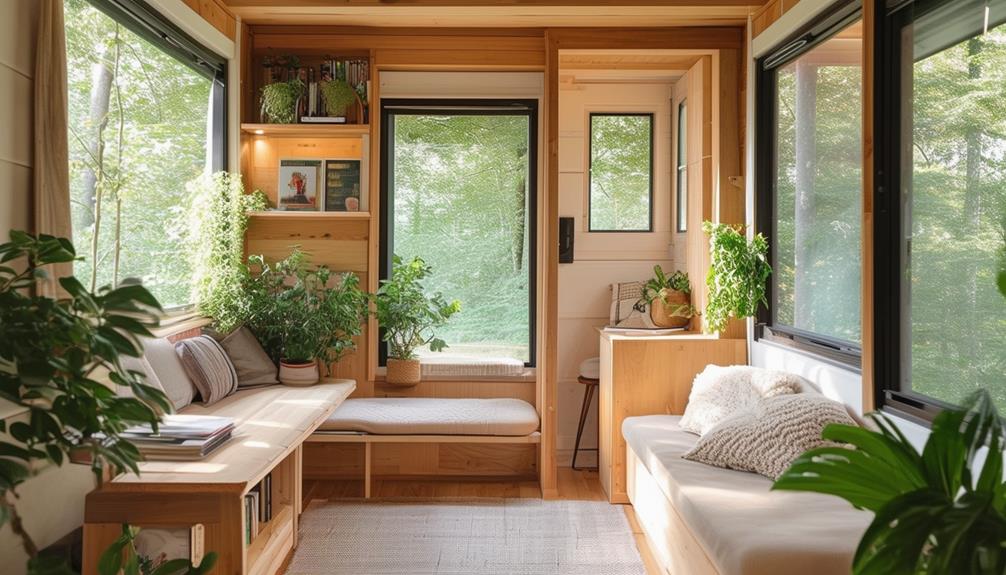
Living in a tiny home imparts invaluable lessons about mindfulness and the essence of simplicity. Embracing slow living in such a space encourages presence and thoughtfulness in your daily routine. Every action, from brewing a cup of tea to tidying up, requires conscious effort, transforming these small tasks into opportunities for mindfulness and fostering a sense of gratitude and contentment.
Tiny living necessitates the incorporation of mindfulness practices into your daily life. Activities such as meditation, yoga, or simply sitting quietly help cultivate peace and calm. In a compact space, there is no room for physical or mental clutter. This minimalistic approach compels you to prioritize what truly matters, making it easier to find respite and relaxation.
Additionally, tiny living encourages you to slow down. Rather than rushing through tasks, you begin to savor each moment. This shift can transform mundane activities into meaningful rituals. By embracing the simplicity and freedom of a minimalist lifestyle, you learn to appreciate the present and find joy in everyday moments.
Space Efficiency Tips
Embracing mindfulness in a small home extends to utilizing space efficiently with smart storage solutions and multifunctional furniture. Start by maximizing every square inch. Built-in shelves and foldable tables are excellent design ideas that maintain an open and versatile living area.
Think vertically when organizing your space. Tall shelves and vertical storage solutions free up floor area, creating an open, airy feel. This approach not only optimizes space but also enhances visual appeal.
Consider these tips to maximize your small home:
- Multifunctional Furniture: Invest in pieces that serve multiple purposes, such as a sofa that converts into a bed or a dining table that doubles as a workspace.
- Smart Storage: Use built-in shelves and hidden compartments to reduce clutter while keeping necessary items accessible.
- Outdoor Spaces: Extend your living area by incorporating outdoor spaces like patios or small decks, seamlessly blending indoor and outdoor living.
When choosing materials, opt for lightweight and durable options that maximize natural light. This choice ensures your small home feels bright and welcoming without sacrificing functionality.
Material Choices
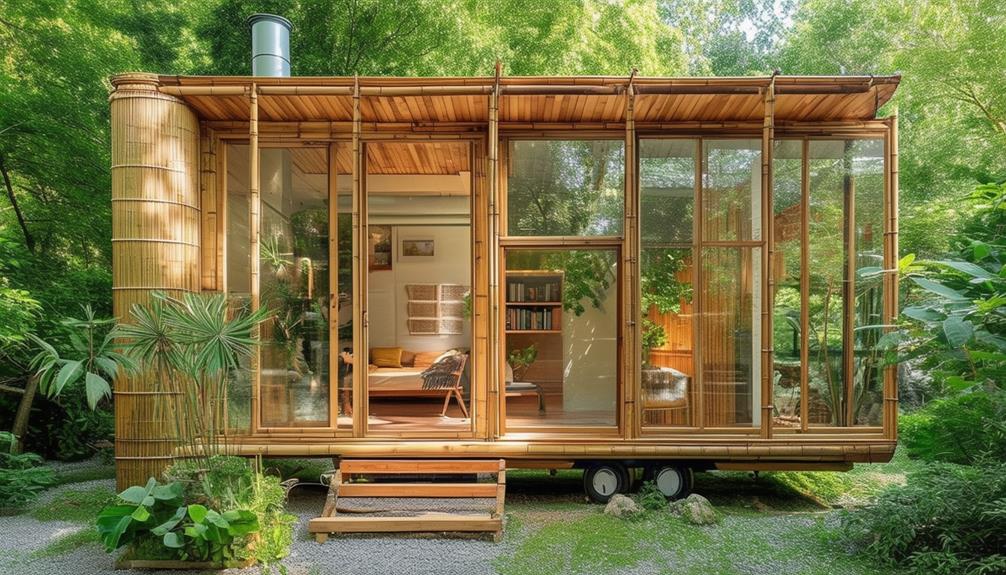
When constructing a tiny home, selecting lightweight and durable materials like steel framing and composite panels ensures structural integrity without adding excessive bulk. Opting for eco-friendly materials, such as reclaimed wood, bamboo, and recycled steel, not only minimizes environmental impact but also enhances the overall design aesthetic. These choices ensure a sustainable and stylish living space.
Prioritize materials that allow natural light to flood your smaller space. Large windows and strategically placed skylights can make your tiny home feel more open and connected to nature. This design choice improves both the physical and emotional quality of your interior, fostering a more mindful living environment.
Don't overlook the importance of easy-to-maintain materials. In a smaller space, every inch counts, and you'll want surfaces that are simple to clean and durable. Materials like stainless steel, laminate, and treated wood are excellent choices for countertops and flooring, blending functionality with style.