How to Choose the Right Axe for Bushcraft
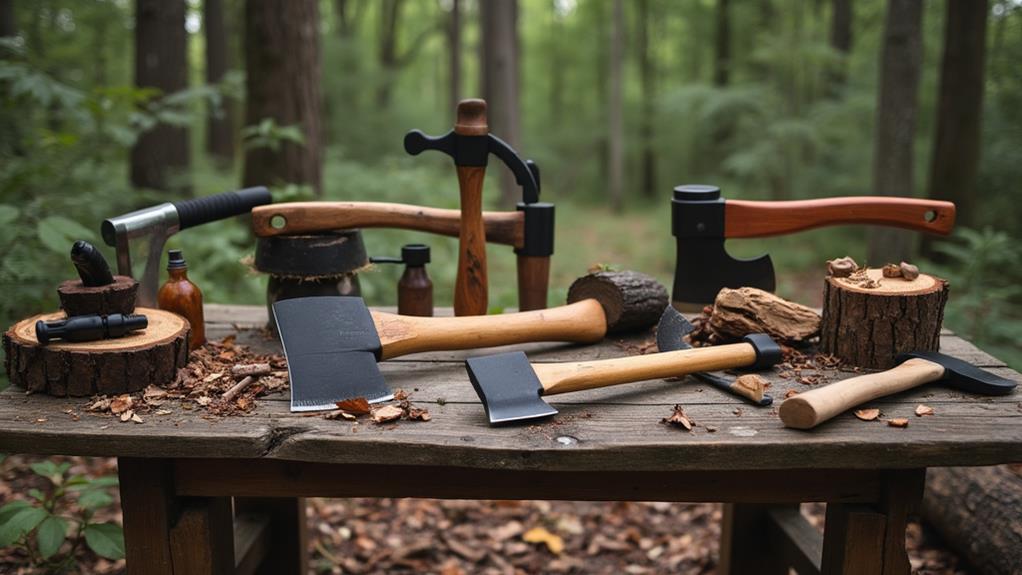
Selecting the right axe for bushcraft involves several key considerations to ensure you make an informed choice. First, identify the specific tasks you plan to undertake, such as chopping or splitting, which will influence your decision on handle length and head weight. High-carbon steel is often preferred for its durability and ability to maintain sharpness. Equally important is the balance between the handle and the head, as this affects the efficiency and comfort of use. Testing for comfort and grip is essential to minimize fatigue during extended use.
Interested in learning which specific axes excel and why?
Key Considerations
When choosing the right axe for bushcraft, consider the specific tasks you'll be performing, such as chopping, carving, or splitting. Different types of axes are designed for these distinct purposes, so align your choice with the intended task.
The handle length is also crucial. Taller individuals might benefit from longer handles, which can provide better support and comfort. A handle that feels right in your hand is essential for maintaining comfort and reducing fatigue during extended use. Additionally, the weight of the axe head is significant; a heavier head is more effective for chopping and splitting, whereas a lighter head is optimal for detailed carving work.
Comfort is paramount. Ensure the axe feels good in your grip, as it's a fundamental tool in your bushcraft activities. Testing axes before purchase is highly recommended to confirm they meet your standards for comfort and practicality.
Types of Bushcraft Axes
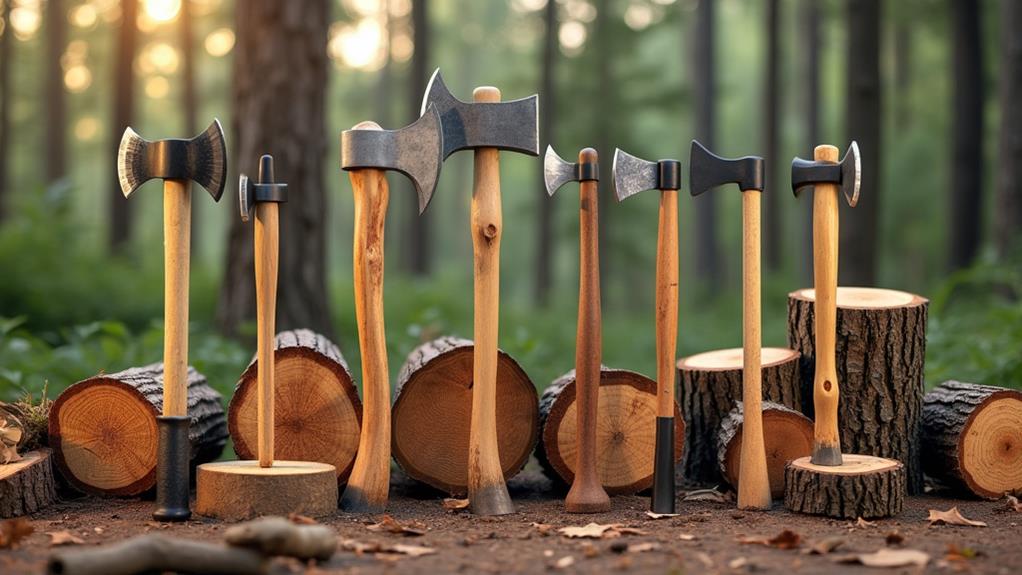
Selecting the right bushcraft axe involves understanding the various types available to match your specific tasks. Bushcraft axes come in different forms, each designed for particular purposes.
- Felling Axes: These are ideal for cutting down trees. They typically have longer handles, ranging from 50 to 65 cm, and weigh between 1.5 to 2.5 kg. This length and weight provide the leverage needed for efficient tree felling.
- Splitting Axes: Specifically designed for splitting logs, these axes feature a wedge-shaped head and weigh between 1.5 to 3.5 kg. Their design makes splitting wood easier but isn't suitable for chopping tasks.
- Hatchets: Smaller, portable tools ideal for light chopping. Weighing between 600 grams and 1.5 kg and with lengths of 45 to 65 cm, their compact size makes them perfect for one-handed operation and smaller cutting jobs.
- Tactical Axes: These combine features of traditional axes with supplementary tools, making them versatile for survival situations.
Choosing the right type of bushcraft axe depends on the tasks you plan to undertake. Understanding these distinctions will help you make an informed choice.
Handle Length and Shape
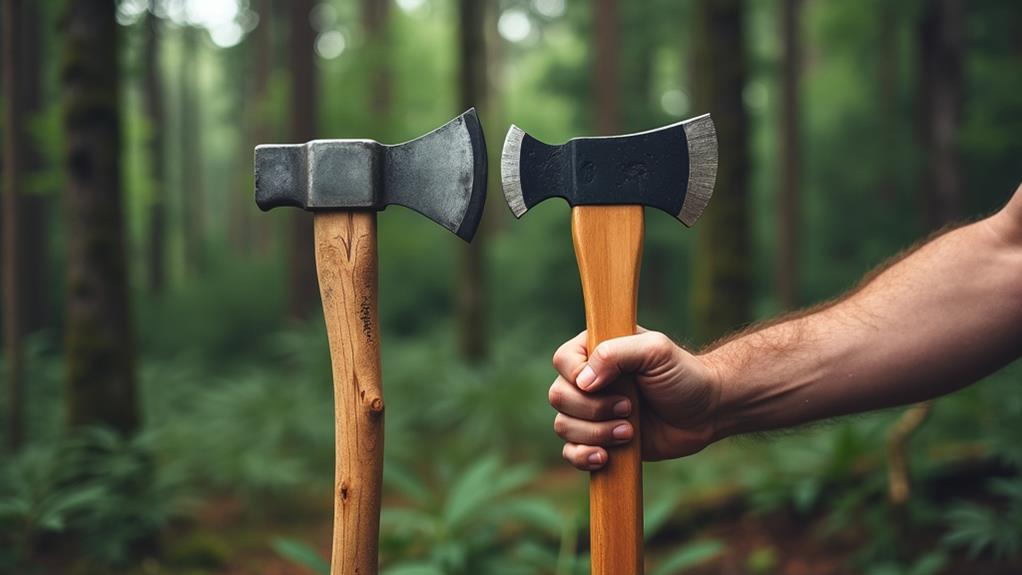
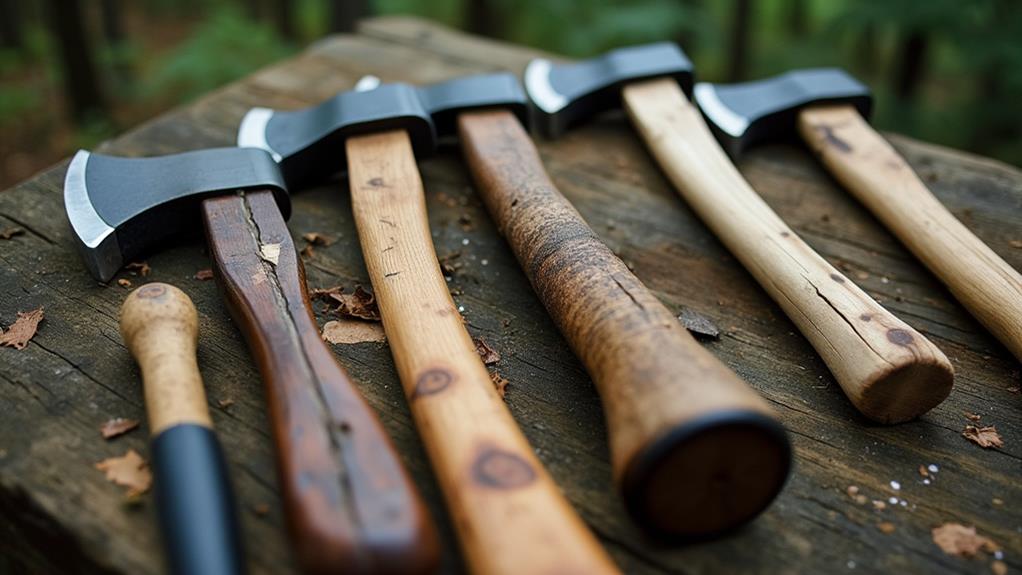
Understanding the handle length and shape of a bushcraft axe is crucial for optimizing its performance and comfort. Handle lengths typically range from 14 to 26 inches. Shorter handles provide better control for precision tasks like carving and detailed chopping. In contrast, longer handles (18-26 inches) offer greater leverage, making them ideal for powerful swings. For taller users, a longer handle can enhance reach and reduce strain during extended use.
The shape of the handle significantly impacts the axe's usability. Straight handles offer a traditional grip, while curved or contoured handles improve ergonomics, providing a more comfortable grip during prolonged use. A well-balanced axe with a properly shaped handle reduces hand fatigue, allowing for more efficient chopping, splitting, and carving.
Ultimately, the best handle length and shape should feel comfortable in your hand and enable a natural swinging motion. This combination is essential for effective and safe axe usage, ensuring efficient work without unnecessary strain or discomfort.
Head Weight and Material
When choosing an axe for bushcraft, consider the head weight and its impact on performance. A lighter head is ideal for precision tasks like carving, while a heavier head excels in chopping and splitting. High-carbon steel is recommended for its durability and ease of maintenance.
Optimal Head Weight
To optimize the performance of your bushcraft axe, selecting the ideal head weight is crucial. Axe heads usually range from 600 grams to 1.5 kg. For splitting wood, a heavier head, typically above 1.5 kg, is recommended due to its wedge-shaped design, which enhances efficiency when handling larger logs. For a variety of bushcraft activities, an axe head around 1 kg offers a balanced combination of portability and performance.
High-carbon steel is the preferred material for axe heads due to its durability and ability to retain a sharp edge, even with regular use. This makes it an excellent choice for dedicated bushcraft enthusiasts. The blade profile is also critical for cutting efficiency. A well-balanced axe with the appropriate head weight can significantly reduce hand fatigue and improve accuracy.
Therefore, consider the primary tasks you'll be performing—whether splitting wood or other bushcraft activities—when choosing an axe. Selecting the right head weight will enhance your overall bushcraft experience, making it more effective and enjoyable.
Keep these factors in mind to maximize the utility of your axe.
Durable Blade Materials
Choosing the right blade material for your bushcraft axe is crucial for its performance and longevity. High-carbon steel is often regarded as the top choice due to its excellent edge retention, durability, and ease of sharpening, making it ideal for demanding outdoor tasks.
Here are four key factors to consider:
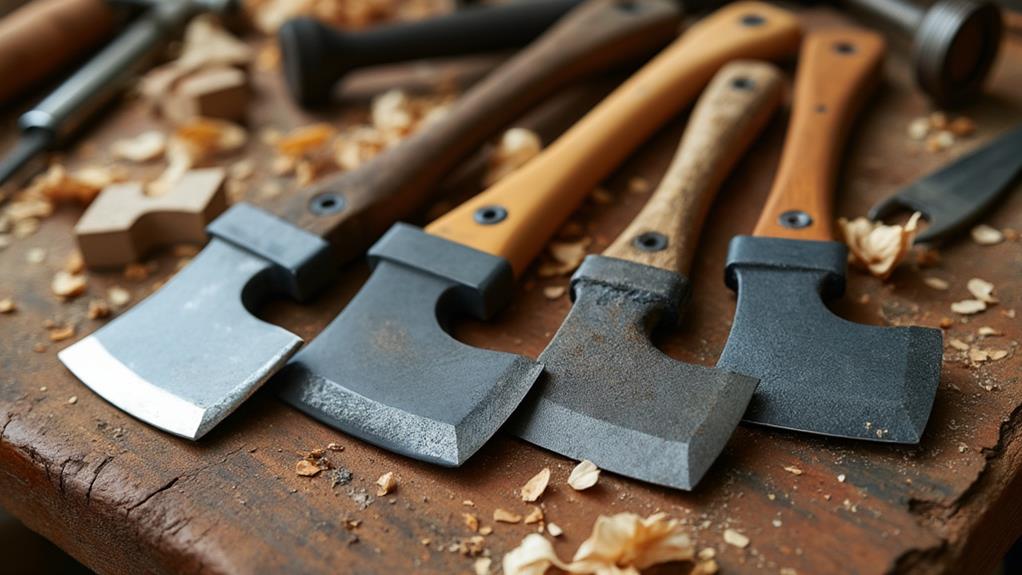
- Blade Profile: The shape of the axe blade impacts its functionality. A wedge-shaped profile excels at splitting wood, while a more curved design is better for chopping and carving.
- Head Weight: The weight of the axe head is critical. Heavier heads (1.5 to 3.5 kg) are ideal for splitting wood, whereas lighter heads (600 grams to 1.5 kg) are suited for precision tasks.
- Balance: A well-balanced axe, where the head weight is proportionate to the handle length, enhances efficiency and reduces fatigue during extended use.
- Material Durability: While stainless steel blades resist rust, they often lack the edge retention of high-carbon steel, making them less suitable for heavy-duty bushcraft tasks.
Axe Comfort and Balance
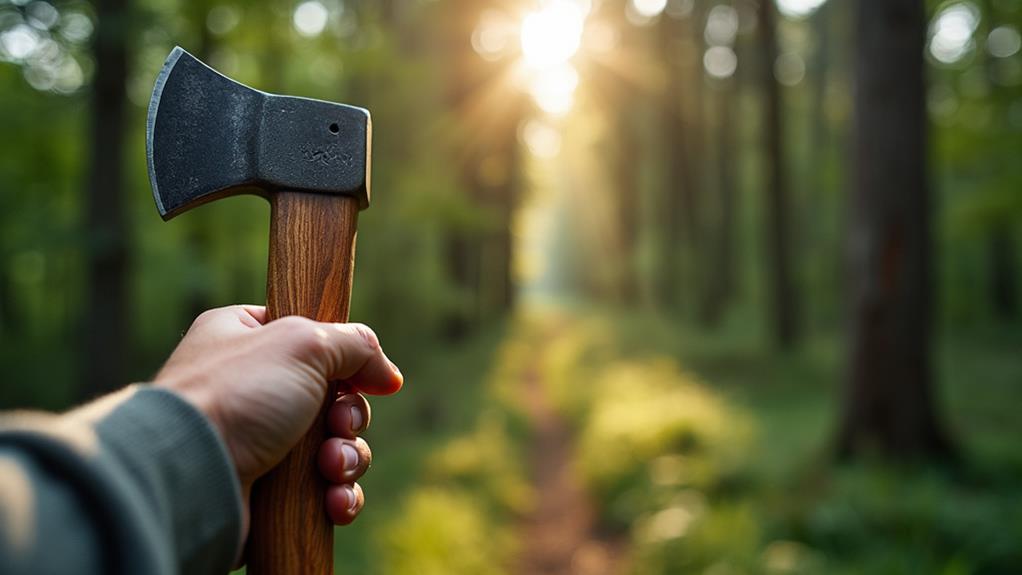
Choosing an axe that fits comfortably in your hand can significantly enhance your bushcraft experience. Axe comfort is crucial for effective use, and an ergonomic design can minimize hand fatigue during prolonged tasks. Balance, particularly the weight distribution between the head and handle, is vital for precision and control during chopping and splitting, reducing the need for excessive force.
The length of the handle also plays a critical role. Longer handles offer more leverage, making them suitable for powerful swings but may feel unwieldy for those with smaller hands. Conversely, shorter handles provide better control for detailed tasks but might lack the power needed for larger jobs.
Testing an axe for comfort and balance before purchase is highly recommended, as individual preferences vary based on hand size and grip style. Ultimately, an axe that feels comfortable and well-balanced ensures more efficient and safer work, lowering the risk of injury and enabling you to handle various bushcraft tasks with ease.
Safety and Maintenance Tips
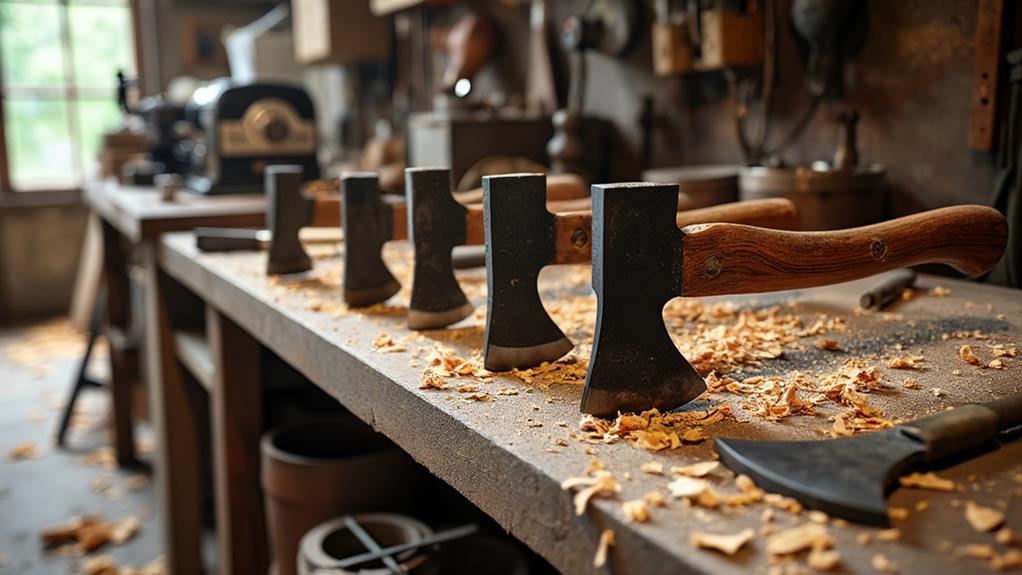
Before using your axe, always inspect it for any damage to the head or handle, as cracks can lead to accidents. Store your axe in a dry place and use a protective sheath during transport to prevent rust and injuries. Regular maintenance, including sharpening the blade and oiling the handle, will keep your axe in top condition and ensure safe operation.
Regular Inspection Routine
Ensuring your axe is in top condition starts with a consistent inspection routine. Before each use, examine both the axe head and handle for any signs of damage like cracks or chips. This step is crucial for both your safety and the tool's performance.
Next, always assess the sharpness of the blade. A dull axe not only makes your tasks more challenging but also increases the risk of accidents due to the need for more forceful swings. Maintaining a sharp blade ensures smoother and safer cuts.
After using your axe, it's essential to clean it thoroughly to prevent rust and corrosion, which can weaken the metal. Ensure it's completely dry before storing it. Regularly oil the wooden handle to preserve its integrity and prevent it from drying out or cracking, ensuring the handle remains strong and durable.
To summarize, follow these steps:
- Inspect for Damage: Check the head and handle for cracks or chips.
- Check Sharpness: Ensure the blade is sharp to reduce accident risk.
- Clean After Use: Remove moisture to avoid rust.
- Oil the Handle: Apply oil periodically to prevent the wood from cracking.
Adhering to this routine will keep your axe in excellent condition and ready for any bushcraft adventure.
Proper Storage Techniques
After establishing a solid inspection routine, it's crucial to focus on proper storage techniques to ensure your axe's longevity and safety. Always store axes in a dry, well-ventilated area to prevent moisture damage, which can cause rusting of the blade and deterioration of the handle. Additionally, use protective sheaths or covers to safeguard the blade. This not only prevents accidental cuts but also keeps the edge sharp and damage-free.
Keep axes out of reach of children and pets by storing them in a locked cabinet or a high, secure location to avoid accidents. Regularly inspect stored axes for any signs of damage or wear, and address issues promptly to ensure both safety and functionality. Periodically oil wooden handles to prevent drying and cracking, which helps maintain the integrity and longevity of your axe.
Learning Opportunities
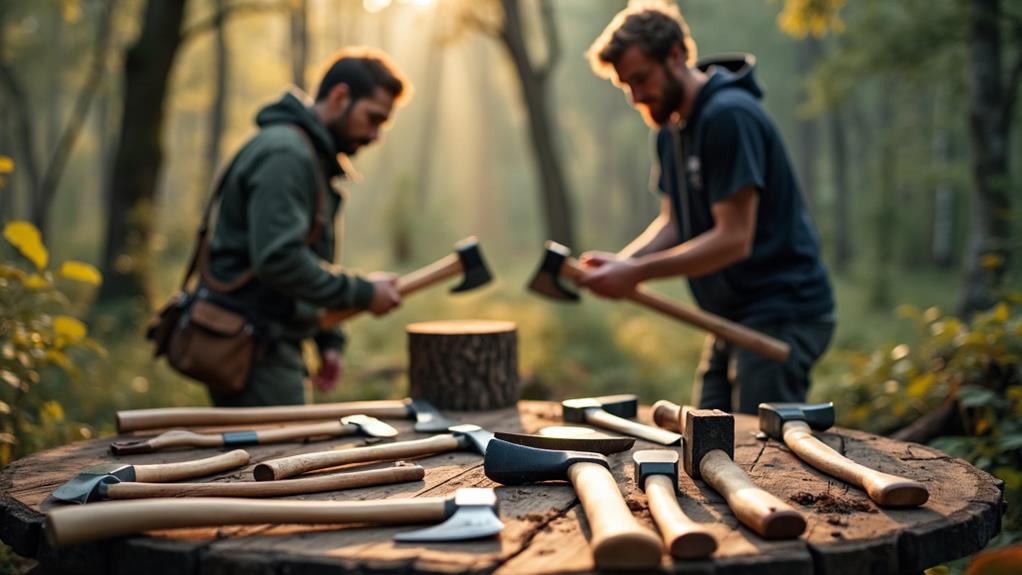
Embarking on bushcraft can be both thrilling and educational, especially through weekend courses that offer rich learning experiences. These courses, often accredited by the Institute of Outdoor Learning (IOL), ensure quality instruction and a comprehensive curriculum.
Here's what you can expect:
- Practical Experience: Engage in hands-on activities such as axe usage, shelter building, and fire lighting, crucial for mastering bushcraft skills.
- Safety Training: Learn to handle tools responsibly and effectively, minimizing the risk of accidents in outdoor environments.
- Expert Guidance: Receive direct feedback and coaching from experienced instructors, helping you grasp the nuances of using axes and other essential tools.
- Confidence Building: The practical skills acquired will significantly boost your confidence and competence in tasks like wood processing and shelter construction.
With the right tools and practical experience, your bushcraft skills will improve considerably.
Conclusion
Choosing the right axe for bushcraft requires careful consideration of several factors. Focus on the specific tasks you'll be performing, and pay attention to handle length, head weight, and the material of the axe. Test different models to find one that offers the best comfort and balance for you. Opt for reputable brands to ensure quality and durability. Additionally, follow proper safety and maintenance guidelines to extend the life of your axe. With the right tool, you'll enhance your bushcraft skills and have a dependable companion for your outdoor adventures.