Downsizing Belongings for a Move to a Tiny Home
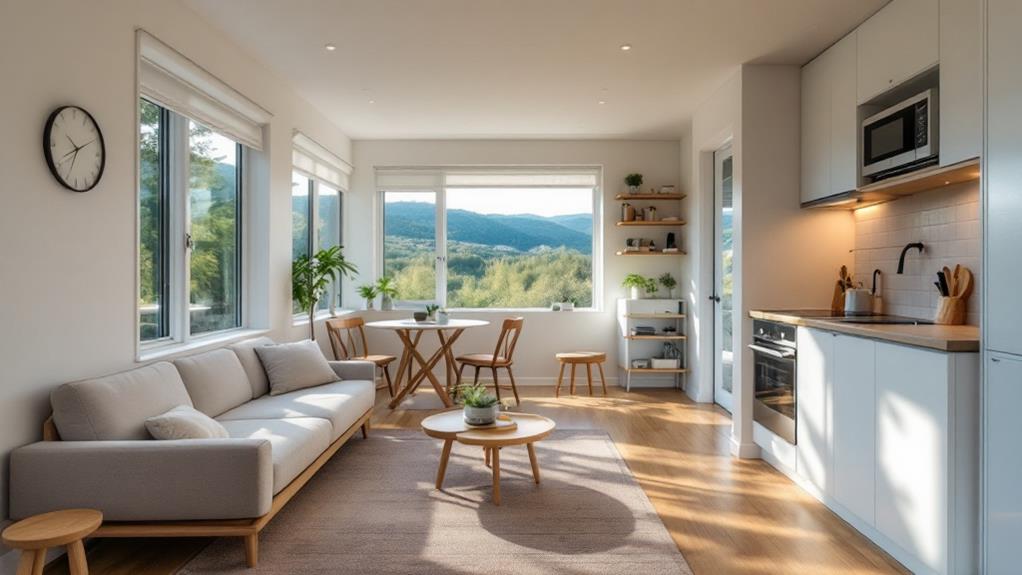
When downsizing for a tiny home, start by evaluating your current belongings and setting priorities. Implement effective decluttering strategies like the KonMari Method or hosting a packing party. Adopt a minimalist mindset, focusing on essential items that serve a clear purpose or hold strong sentimental value. Organize your remaining possessions using vertical space and multi-functional furniture. Maximize space in your tiny home with clever storage solutions and flexible zones. Overcome emotional attachment to objects by digitizing memories and sharing cherished items with loved ones. By maintaining a clutter-free lifestyle, you'll uncover the joy of living with less and embracing a simpler way of life.
Assessing Your Current Belongings
Overwhelm often strikes when you first consider downsizing for a tiny home. The average U.S. household contains about 300,000 possessions, making the task seem formidable. But don't let that discourage you. Start by evaluating your current belongings room by room, focusing on one area at a time.
As you assess your items, ask yourself what you really need and what holds sentimental value. Remember, you're not just decluttering; you're preparing for a new lifestyle. Consider getting rid of one item for every new one you bring in. This helps maintain balance and prevents accumulation.
Organize your possessions by category, making it easier to identify duplicates or unnecessary items. You might be surprised by how many things you own but rarely use. Keep items you're excited about and those that enhance your quality time with loved ones. Remember, minimalism can free up time and money for experiences, which is a key benefit of downsizing.
If you're struggling, try gradually reducing your belongings rather than making an abrupt change. This approach can ease the psychological challenges of downsizing while helping you determine what you truly need.
Setting Priorities for Keeping Items
After evaluating your belongings, it's time to set clear priorities for what you'll keep in your tiny home. Downsizing to a Tiny living space requires a minimalist approach, focusing on your priorities and needs. Start by identifying essential items that serve a clear purpose or hold strong sentimental value. Categorize your possessions into must-have, nice-to-have, and unnecessary groups to determine what stays and what goes.
When setting priorities, consider the functionality and versatility of each item. Opt for versatile pieces that can serve multiple purposes, such as multi-functional furniture and smart storage solutions. These choices will maximize your limited space and help you maintain a clutter-free environment. Prioritize quality over quantity, selecting items that will stand the test of time and provide the most value in your new tiny home.
Don't forget to include objects with memories that are truly meaningful to you. However, be selective and choose only the most cherished items that bring joy and comfort to your new space. By setting clear priorities and focusing on essential, versatile, and sentimental items, you'll create a functional and personalized tiny home that reflects your lifestyle and values.
Strategies for Effective Decluttering

To effectively declutter for your tiny home, adopt a systematic approach. Start by implementing the KonMari Method, which encourages you to keep only items that spark joy. This technique helps you make decisive choices about your belongings, essential for downsizing to a tiny home's limited living space.
Consider hosting a packing party, where you pack up all your possessions as if you're moving. Unpack only what you need over the next month, and you'll quickly identify which items are truly necessary for your daily life. This strategy aligns well with the minimalist lifestyle often associated with tiny homes.
Create a capsule wardrobe by selecting versatile clothing pieces that mix and match easily. This approach reduces the number of items you need while maintaining a functional wardrobe. For other categories, like kitchen gadgets or decorative items, set strict limits on how many you'll keep.
As you declutter, continuously remind yourself of your tiny home goals. Visualize your future living space and how each item you're considering will fit into it. This mindset will help you make tough decisions and stay motivated throughout the downsizing process.
Adopting a Minimalist Mindset
Shifting gears from decluttering strategies, adopting a minimalist mindset is crucial for successful tiny home living. Embracing this lifestyle can free up significant time and money, as the average American household spends 153 days per year searching for misplaced items among their 300,000 possessions. To start your expedition, consider taking on a minimalist fashion challenge, like Tammy Strobel's project 333, where you live with only 33 clothing items for 3 months.
Start with the items you use daily and focus on multi-functional furniture and energy-efficient technologies to promote sustainability in your tiny house. Remember, Tiny House Living isn't just about downsizing; it's about prioritizing experiences over material possessions. This shift can contribute to your overall well-being and peace of mind.
However, it is vital to acknowledge that embracing minimalism may require non-conformity and lifestyle changes, which might not be feasible for everyone, especially those with health issues or disabilities. As you prepare to live in a tiny home, tailor your approach to minimalism to fit your unique needs and circumstances.
Organizing Your Remaining Possessions
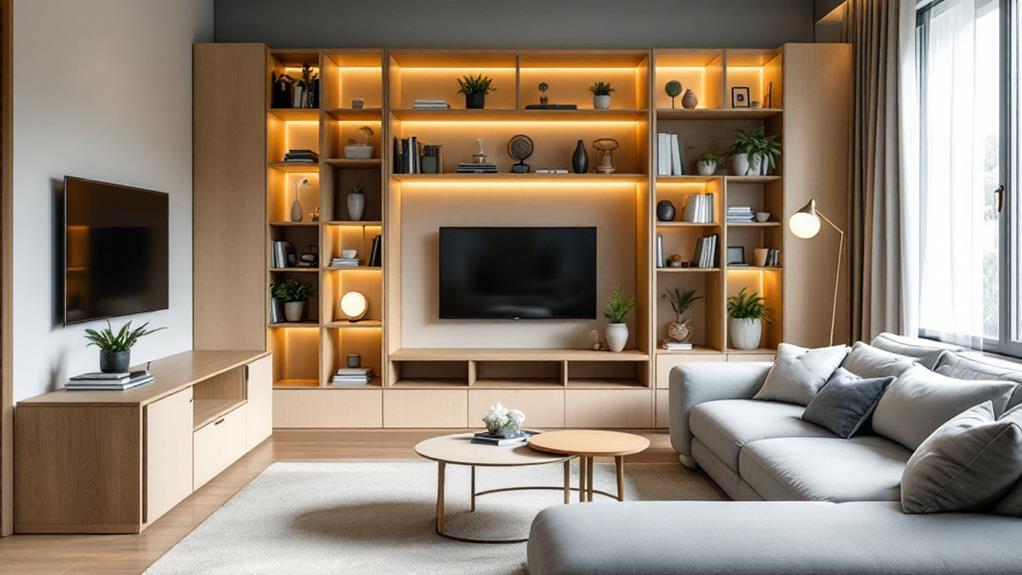
Once you've adopted minimalism and decluttered your possessions, you'll need to organize what remains. As a tiny home dweller, maximizing your limited storage space is imperative. Start by utilizing vertical space with shelving and stackable containers. Invest in multi-purpose furniture and space-saving solutions like under-bed drawers and wall-mounted cabinets to minimize clutter in your small spaces.
Establish a system to categorize your belongings, keeping essential items accessible and rotating seasonal ones. You can Use the KonMari method or tackle one room at a time to ensure everything has its place. Implement a "one-in, one-out" policy to maintain control over new possessions and keep your tiny home organized.
Consider digitizing documents, photos, and media collections to reduce physical paperwork and free up precious square footage. As you organize, you might find yourself needing to say goodbye to a few more items. Remember, downsizing tips for tiny homes often emphasize the importance of being ruthless with your belongings. By carefully organizing your remaining possessions, you'll create a more efficient and comfortable living space in your new tiny home.
Maximizing Space in Tiny Homes
How can you make the most of every inch in your tiny home? With limited square feet, you'll need to be strategic about employing every available space. Tiny houses require careful planning to guarantee comfort and functionality. Make sure every item serves a purpose and contributes to your daily life.
To maximize space in your tiny home, consider these key strategies:
- Use vertical space with shelving and lofts
- Incorporate multi-functional furniture
- Maximize natural light with strategic window placement
- Create flexible zones for different activities
- Harness hidden storage solutions
By implementing these tactics, you'll find it easier to see how much space you actually have. Remember, the goal is to create an uncluttered and visually appealing layout that makes your tiny home feel spacious and inviting. You might be excited to get rid of excess belongings, as it'll help you save money and simplify your life.
When designing your tiny house, focus on light colors and efficient storage solutions. Under-stair drawers and wall-mounted organizers can discreetly accommodate essential items without sacrificing precious floor space. By maximizing every nook and cranny, you'll create a comfortable and functional living space in your tiny home.
Overcoming Emotional Attachment to Objects

Overcoming emotional attachment to objects is often the most challenging part of downsizing for a tiny home. As you prepare for this change, you'll likely encounter sentimental items that tug at your heartstrings. To make the process easier, shift your focus from the physical possessions to the memories and experiences they represent.
Remember, you don't need to keep every keepsake to preserve its significance. Consider digitizing irreplaceable photos and documents, allowing you to maintain their value without the need for storage space. Another option is to share cherished possessions with friends and family, ensuring these items continue to be appreciated while freeing up space in your new tiny home.
As you sort through your belongings, practice gratitude for the role each item has played in your life. This mindset can provide closure and make decluttering more manageable. By acknowledging the emotional attachments you've formed with your possessions, you can work through the process of letting go more effectively. Ultimately, this approach will help you create a comfortable and clutter-free environment in your tiny home, filled with only the most meaningful items.
Maintaining a Clutter-Free Lifestyle
Vigilance is key to maintaining a clutter-free lifestyle in your tiny home. As you commence your Expedition to Tiny living, you'll Need to Live with constant mindfulness and discipline to prevent the accumulation of unnecessary possessions. Your move into a tiny home requires a commitment to regular decluttering and minimizing acquisitions, ensuring you maximize the functional use of your limited space.
To optimize your room and sustain a minimalist environment, consider these strategies:
- Invest in multi-functional and space-saving furniture
- Implement strategic storage solutions
- Digitize documents and media to reduce physical clutter
- Adopt a minimalist mindset
- Find joy in experiences rather than material possessions
Frequently Asked Questions
How to Declutter to Move Into a Tiny House?
To declutter for a tiny house move, adopt effective minimalism strategies. Start by prioritizing sentimental possessions and employing selective item storage. Invest in space-saving furniture options and multifunctional gadgets. Digitize physical documents to reduce paper clutter. Plan strategic donations for items you can't keep. Leverage decluttering psychological tips to overcome attachment to belongings. Remember, it's about quality over quantity. You'll need to be ruthless in your choices, but the result will be a streamlined, organized tiny home.
How to Downsize Household Belongings?
To downsize your household belongings, adopt minimalist lifestyle tips and focus on efficient storage solutions. Tackle sentimental item management by digitizing memories and opting for digital media organization. Choose multifunctional furniture to maximize space. Plan a donation strategy and prepare for a yard sale to offload excess items. Implement space-saving organization methods throughout your home. Remember, less is more – keep only what you truly need and love, and you'll find your living space feels more open and manageable.
How to Move Into a Tiny House?
To move into a tiny house, start by carefully considering the tiny house layout and design that best suits your needs. Guarantee you have proper tiny house utilities and maximize tiny house storage solutions. Research tiny house financing options and investigate tiny house communities for potential locations. Check local tiny house zoning regulations before proceeding. Finally, plan your tiny house construction, whether you're building it yourself or hiring professionals. Don't forget to downsize your belongings to fit comfortably in your new compact living space.
How to Move From a Big House to a Small House?
When moving from a big house to a small house, you'll need to adopt minimalist living and make lifestyle adjustments. Start by measuring furniture dimensions to guarantee they'll fit. Implement space-saving strategies and organizational techniques to maximize your new space. Consider storage solutions like multi-functional furniture and vertical shelving. Don't forget budgeting considerations for potential new purchases. Plan transportation logistics carefully, as you'll likely need to downsize your belongings. Remember, it's an opportunity to simplify and prioritize what truly matters in your life.