Best Practices for Using an Axe in Winter Conditions
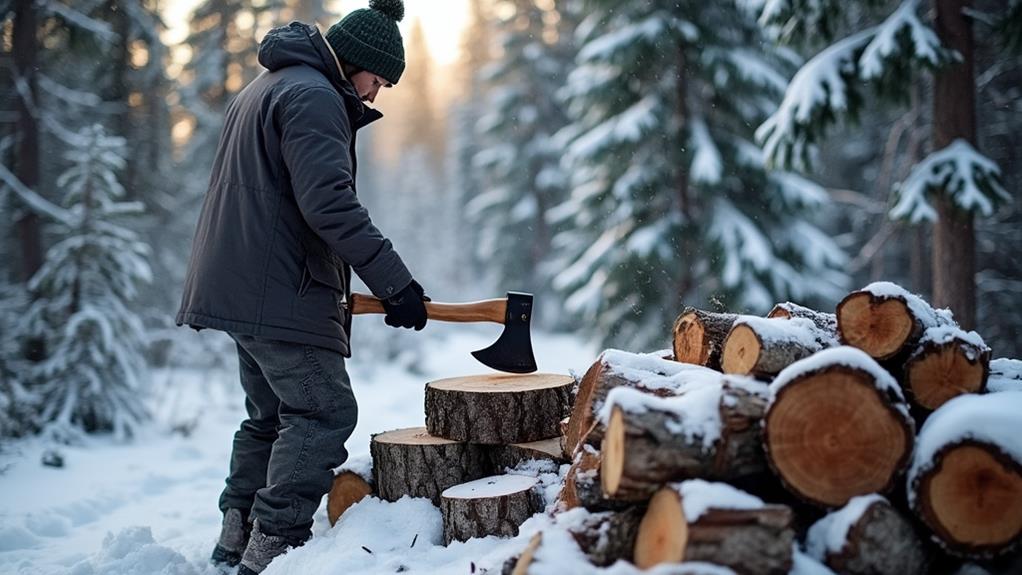
When using an axe in winter conditions, prioritize safety and technique. Maintain a firm grip and understand the axe's weight to ensure balance on slippery surfaces. Regular practice, especially on compacted snow, helps develop essential muscle memory. Additionally, selecting the right axe size and keeping it sharp is crucial. Efficient fuel management and organized tool handling streamline firewood collection. Integrating these elements ensures effective and safe axe use in cold environments.
Importance of Using an Axe
When you're deep in the woods, especially during winter, an axe is an essential tool. It's crucial for sourcing and processing firewood, ensuring you stay warm during long, cold nights. The importance of using an axe in such conditions can't be overstated. You need it to split logs and kindling, but mistakes can lead to severe injuries.
Safety considerations are paramount. Cold conditions make everything harder, from gripping the axe to maintaining balance on compacted snow. Ensure you're familiar with the axe's weight and handling techniques to improve both safety and efficiency.
Choosing the right axe size is also crucial. A half-length axe is ideal for bushcraft tasks, while a three-quarter length axe offers a balance of weight and reach, vital for winter chores.
Effective fuel management is fundamental. Keep your tools organized and your firewood source close by to optimize efficiency. Quick access to firewood means less time exposed to the cold, reducing the risk of hypothermia.
Grip and Handling Techniques
Mastering grip and handling techniques is crucial for using an axe safely and effectively. Understanding the self-arrest grip, where the pick faces backward and the adze forward, is essential for quick stops during falls. Conversely, the self-belay grip, with the pick facing forward, facilitates thrusting into steep terrain.
Always carry the ice axe in your uphill hand to enhance support and balance on steep slopes. This positioning allows the spike to provide secure footing during ascent. Practicing various grips, such as daggering and front pointing, is fundamental for adapting to different snow conditions and maintaining stability on challenging terrain.
Switching between the pick-backward and pick-forward grips typically occurs on slopes angled between 35-45 degrees. The precise moment to switch depends on your comfort and the specific conditions encountered.
Using a leash can enhance safety by preventing the loss of your axe during self-arrest but may also pose tripping hazards. Personal preference is key in these decisions, so find what works best for you through practice.
Self-Arrest Methods
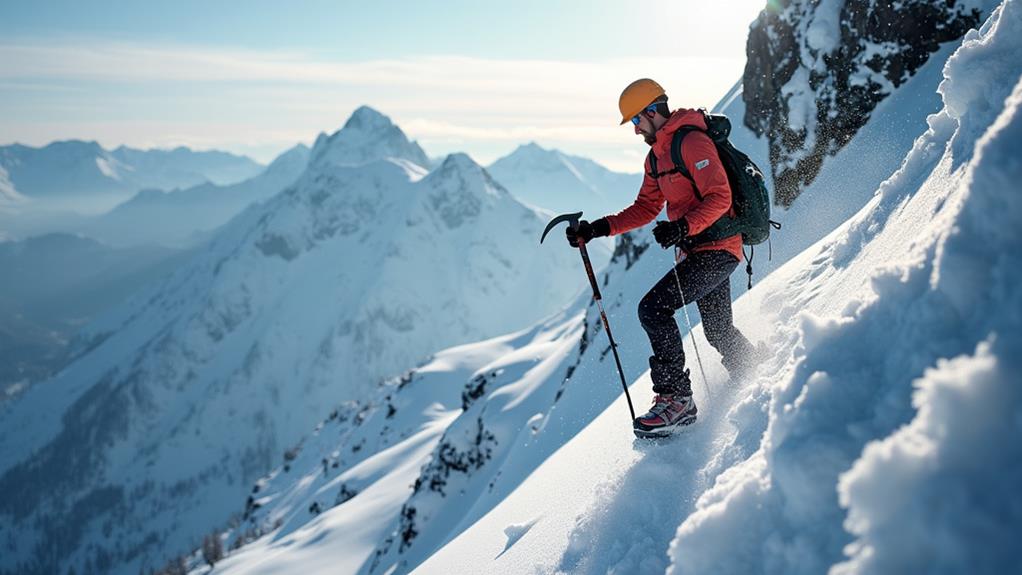
Mastering self-arrest techniques is essential for survival during a fall on steep, icy slopes. When you start to fall, immediately turn onto your stomach with your head facing uphill. This position allows you to drive the pick of your ice axe effectively into the snow or ice.
Quick reaction is crucial, as you typically have less than half a second to initiate the self-arrest. Practicing on safe, controlled slopes can help you develop the muscle memory needed for this rapid response.
Keep your body low and stable by spreading your legs and digging your toes into the snow.
Practicing Axe Skills
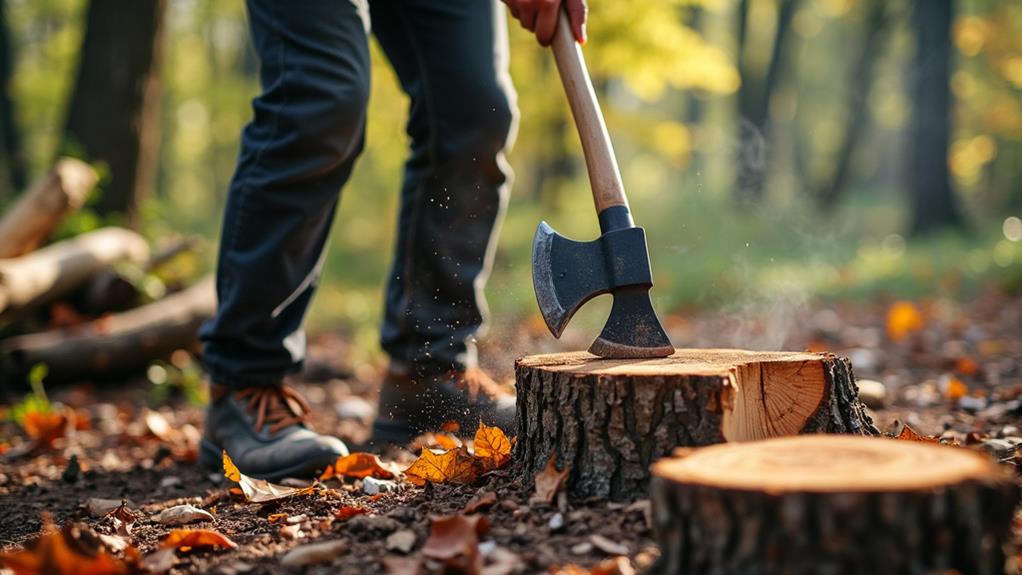
Practicing axe skills is crucial for ensuring both proficiency and safety in winter conditions. Begin by honing your skills during warmer months to build muscle memory, which will be invaluable when facing colder temperatures. Regular practice on compacted snow is essential for developing techniques that can be used efficiently and safely during snow travel.
Focus on mastering self-arrest techniques, as they are critical for responding quickly and instinctively in emergency situations. Additionally, combining axe and saw use during firewood collection can make the process more effective and allow you to cut precise lengths for stove-ready wood.
Continuously refining your skills through community resources and feedback will boost your confidence and enhance your safety practices in winter camping scenarios.
| Practice Activity | Recommended Season |
|---|---|
| Basic axe handling | Warmer months |
| Compacted snow practice | Winter |
| Self-arrest techniques | Warmer months |
| Axe and saw combo use | Year-round |
| Community feedback | Continuous |
Choosing the Right Axe
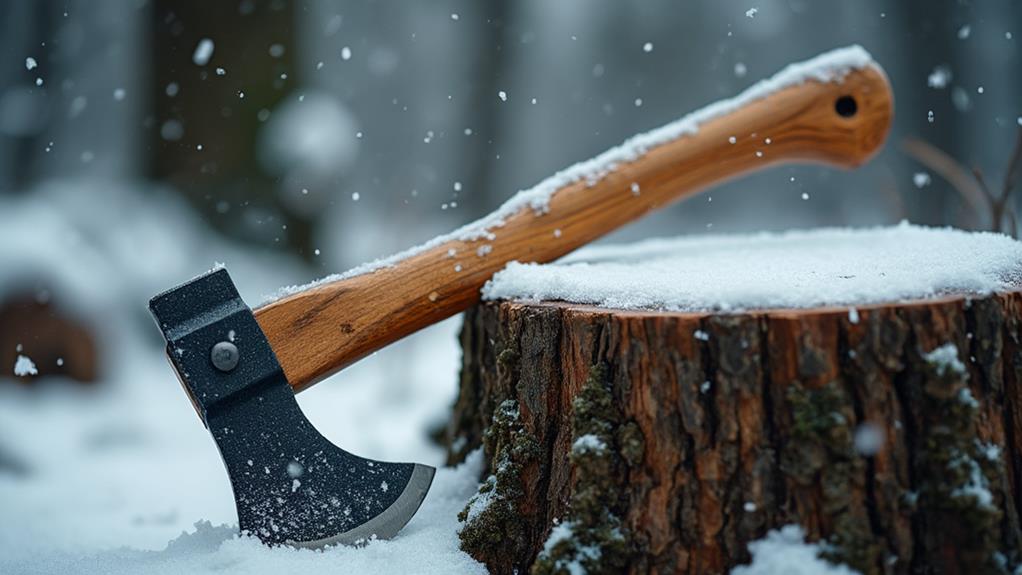
Selecting the appropriate axe for winter bushcraft requires balancing weight and handle length. The right choice depends on how you'll use it in cold conditions. Here are some considerations:
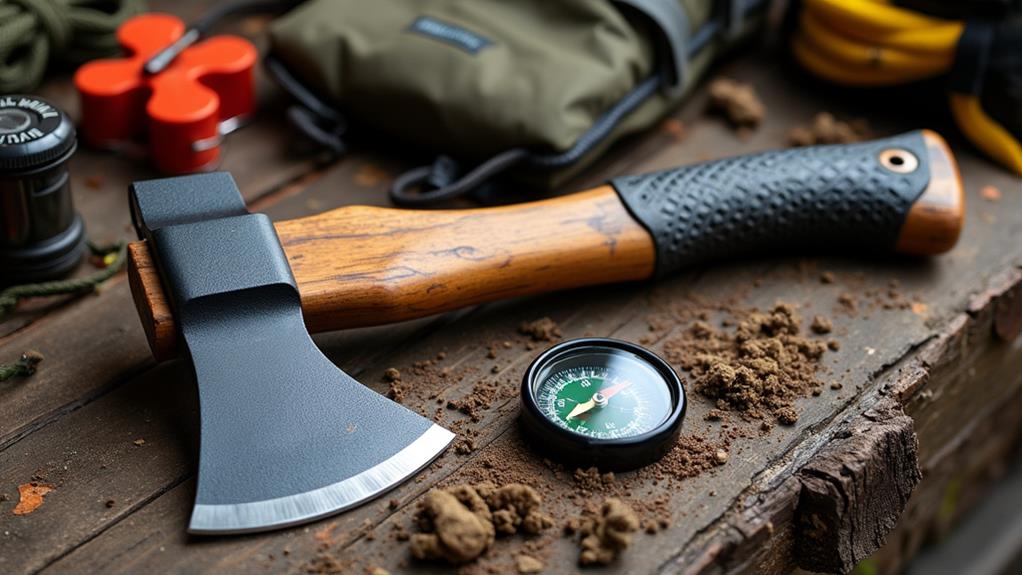
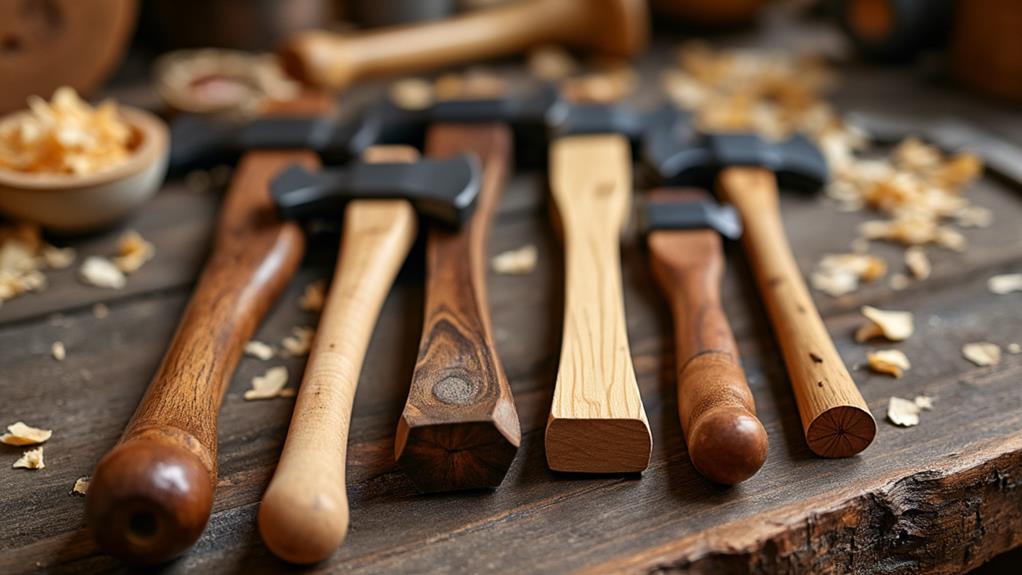
Weight and Handle Length: An axe around 50 cm (20 inches) and weighing about 2 lbs is ideal for general bushcraft. It offers a good mix of weight and maneuverability.
For tasks requiring more reach, consider a three-quarter length axe, approximately 64 cm (25 inches) and 2.6 lbs. However, this longer handle may require adjustments in body position and technique, crucial for maintaining safety and precision in winter conditions.
- Task Requirements: Half-length axes are suitable for general use. For greater reach and leverage, a three-quarter length axe might be more appropriate.
- Brand Quality: Opt for reputable brands like Gransfors Bruk, known for their durability and performance.
- Maintenance: Keep your axe sharp and well-maintained to ensure optimal performance.
Pairing your axe with a full-length saw (24-inch blade) can significantly enhance your efficiency in collecting firewood, as saws are more effective for cutting across the grain. Consider these factors to select an axe that best fits your needs and conditions, ensuring safety and effectiveness in your bushcraft activities.
Efficient Fuel Management
Efficient fuel management is crucial for a successful winter bushcraft experience. Being close to fuel sources allows you to process firewood and maintain warmth with minimal effort. Establish a designated firewood processing area near your camp to make use of snow platforms while they are still solid. This setup enhances your workflow and ensures optimal use of your fuel resources.
Organize your tools and supplies inside your tent for quick access to kindling and fuel without needing to venture into the cold. Use horizontal sawing techniques on snow to create a flat surface for splitting wood. Prepared stumps can serve as effective chopping blocks.
Follow this guide to visualize your setup:
| Task | Tools Needed | Technique |
|---|---|---|
| Sourcing Firewood | Ice axes, saw | Hold an ice axe, use saw horizontally |
| Splitting Logs | Axe, prepared stump | Plant the axe, chop on the stump |
| Storing Fuel | Tent organization | Stack near the stove |
| Initial Processing | Saws, axes | Use outside firewood area |
| Maintaining Fire | Kindling, quick access | Regularly stack near the stove |
This approach ensures your fuel management is efficient, organized, and effective, enhancing your overall winter bushcraft experience.
Selecting Additional Tools
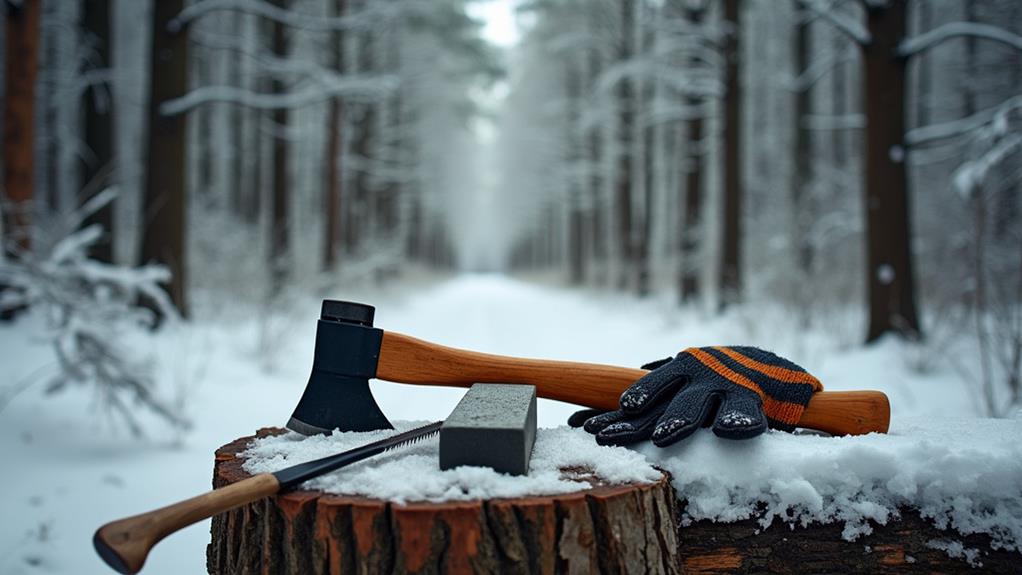
When preparing for winter bushcraft, selecting the right supplementary tools can significantly enhance your efficiency and safety. Besides a reliable axe, other tools are essential to handle the challenging conditions of snow and cold.
A full-length saw with a 24-inch blade complements your axe perfectly. While the axe is ideal for splitting wood, the saw excels at cutting across the grain, making firewood collection quicker and less exhausting. Choose one made from durable materials that perform well in freezing temperatures.
Using a horizontal log as a stable chopping block on snow can improve your efficiency when splitting wood. This setup prevents your axe from getting stuck and minimizes the risk of injury. A quality knife is indispensable for detailed tasks such as whittling and carving, which an axe can't handle. Ensure it's made from high-quality steel capable of withstanding cold conditions.
Lastly, a compact snow shovel can be a lifesaver. It helps clear your work area and manage snow buildup, making bushcraft tasks more manageable.
- Full-length saw: Speeds up firewood collection
- Horizontal log: Provides a stable chopping block on snow
- Quality knife: Essential for detailed tasks
- Compact snow shovel: Facilitates snow management
Equipment Maintenance
To keep your bushcraft tools in optimal condition, regular maintenance is essential. Begin by inspecting the axe for any cracks in the blade, loose heads, or splinters in the handle. This ensures safe and efficient use, particularly in challenging winter conditions. A sharp blade enhances cutting efficiency and minimizes the risk of injury or damage due to excessive force.
After each use, clean the axe thoroughly, especially in snowy or icy environments, to prevent rust and maintain the steel's integrity. Moisture is a significant threat, so drying the axe completely is crucial. Additionally, applying a protective oil to the blade can help prevent corrosion during extended periods of inactivity.
Proper storage of the axe is equally important. Store it in a dry place to avoid moisture buildup and periodically check the handle for any signs of wear. Applying a protective finish to wooden handles can enhance durability in cold weather. Here's a quick reference table for maintaining your axe:
| Task | Frequency | Importance |
|---|---|---|
| Inspect the axe | Before each use | Ensures safety and effectiveness |
| Clean the axe | After each use | Prevents rust and maintains integrity |
| Sharpen the blade | As needed | Enhances cutting efficiency |
| Apply protective oil | Before long storage | Prevents corrosion |
| Store the axe | Always | Keeps it dry and ready for use |
Learning Resources
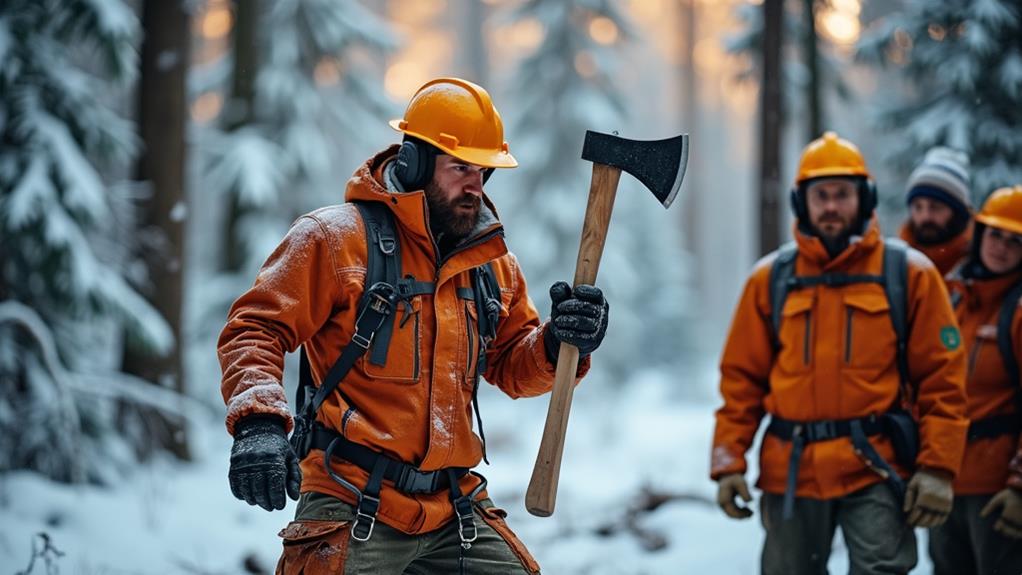
A wealth of learning resources is available for those looking to master axe techniques in winter conditions. By leveraging these valuable tools and experiences, you can significantly improve your skills.
Hands-On Training
Enroll in mountaineering courses offered by organizations like REI and local alpine clubs. These courses provide practical experience and expert instruction on how to use an ice axe safely and effectively.
Supplementary Learning
Explore instructional videos and guides that cover proper axe handling. These resources are particularly useful for understanding the subtleties of using an axe in various snow conditions.
Community Engagement
Participate in community forums to ask questions and share experiences. Engaging with experienced climbers and joining local climbing groups can also provide valuable insights and tips.
Practical Application
Practice self-arrest techniques on safe, controlled slopes. This will help you develop confidence and instinctive reactions in emergency situations.
Focus on mastering different positions and conditions to ensure comprehensive preparedness.
Summary
- Mountaineering Courses: Gain hands-on experience with expert guidance.
- Instructional Videos and Guides: Learn proper axe handling techniques.
- Community Forums: Share and gain insights from fellow climbers.
- Self-Arrest Practice: Build confidence and emergency response skills.
Conclusion
Mastering axe use in winter conditions is crucial for safe and efficient firewood processing. Focus on proper grip and handling techniques, practice self-arrest for safety, and become familiar with your axe through regular use. Choose the appropriate axe for the task, maintain its sharpness, and manage your tools effectively. Utilize educational resources to enhance your skills. By adhering to these best practices, you'll ensure preparedness and efficiency, even in the harshest winter environments.