Axe Techniques for Clearing Brush and Undergrowth
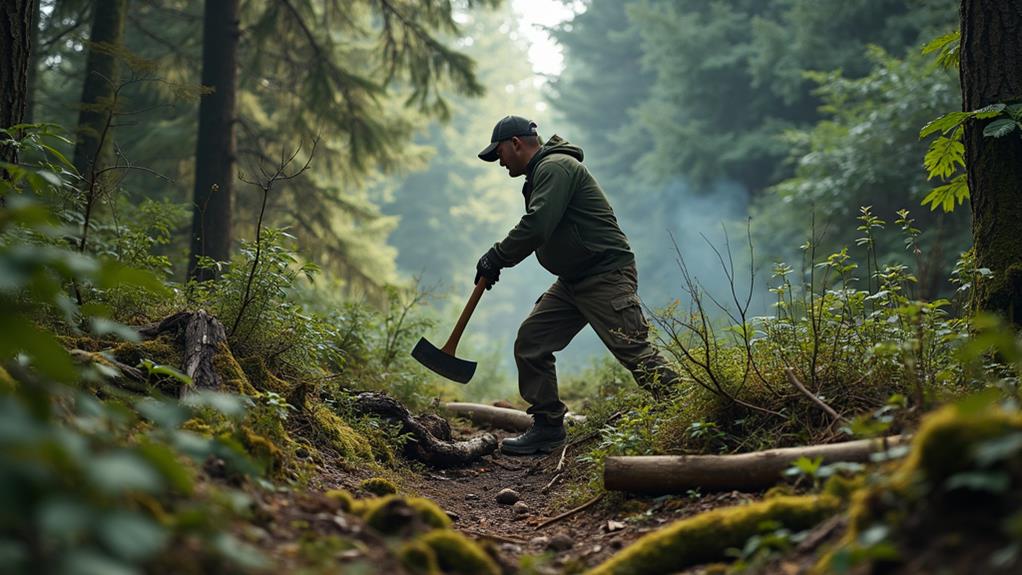
When clearing brush and undergrowth, selecting the appropriate axe is crucial. Understanding the specific uses of different types of axes, such as brush axes, will help you match the tool to the task at hand.
Proper handling techniques, including maintaining a stable stance and using both hands for control, significantly impact your efficiency and safety. Equally important are safety gear and precautions to prevent injuries.
So, how can you effectively swing and chop through thick brush while maintaining your tool's integrity? Let's explore further.
Selecting the Right Axe
When selecting the right axe for clearing brush, consider a brush axe or brush hook, as these tools are specifically designed for cutting through stems and undergrowth efficiently. A brush axe is particularly effective for managing dense vegetation due to its sharp, angled blade, which excels at cutting close to the ground.
Opt for a lightweight design to ensure easier maneuverability. While a heavier axe may seem more powerful, it can lead to fatigue during prolonged use. Endurance is crucial when dealing with heavy vegetation, and a lightweight brush axe allows for longer periods of work without quick exhaustion.
Handle length is another important consideration. Choose a handle length appropriate for your height, as a longer handle provides greater control and power during swings, enabling you to cut through thicker stems and brush more effectively.
Lastly, inspect the axe for quality construction. Ensure the head is securely attached and the grip is comfortable, as these are vital for safety and performance. A well-made brush axe not only simplifies the task of clearing your land but also ensures your safety while handling heavy vegetation.
Preparing for the Task
Before you start clearing brush, preparation is essential for both efficiency and safety. Begin by inspecting the land to identify overgrown areas and mark trees or shrubs that need removal. This will help you approach the task methodically. Gather the necessary tools, such as brush axes, machetes, and loppers, ensuring they're in good working condition with sharp blades for optimal performance.
Plan ahead for debris disposal by considering options like composting the cut vegetation or renting a dumpster. Familiarize yourself with local waste management regulations to avoid legal issues. Wear protective clothing, including gloves, long sleeves, and sturdy boots, to safeguard against hazards such as thorny plants and sharp tools.
Practice your technique to improve efficiency and safety. Proper swinging motions and body positioning with brush axes are crucial. Spend some time getting comfortable with the movements before tackling dense brush and undergrowth. A few minutes of practice can save significant time and effort.
Safety Gear and Precautions
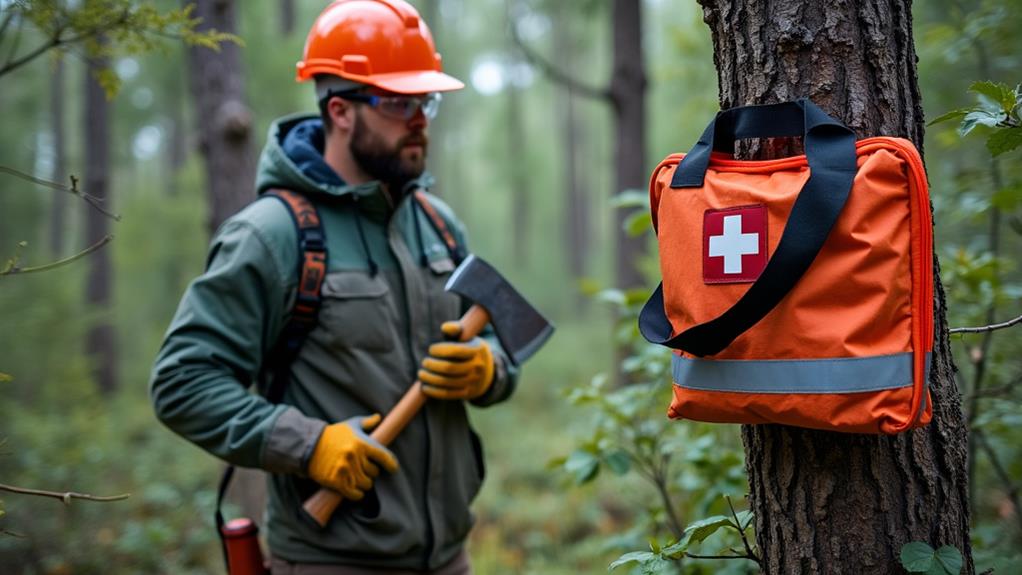
Before starting to clear brush, ensure you're equipped with essential protective gear, such as safety goggles, heavy-duty gloves, and sturdy, non-slip footwear. Proper handling techniques and awareness of your surroundings can significantly reduce the risk of injuries. Additionally, wear a hard hat and high-visibility clothing for maximum safety during the task.
Essential Protective Equipment
To ensure your safety while clearing brush with an axe, it's crucial to equip yourself with the appropriate protective gear. Start with protective eyewear to shield your eyes from flying debris. A hard hat is essential, particularly in densely wooded areas, as it protects your head from falling branches or tools. Don't overlook steel-toed boots; they offer critical foot protection against heavy falling objects and sharp tools, safeguarding your feet during clearing tasks.
Additionally, wear gloves made of durable material to prevent blisters and protect your hands from sharp edges while handling axes and brush. High-visibility clothing is another must-have, as it increases your visibility to others, reducing the risk of accidents while working in or near trails and wooded environments.
Here's a quick reminder of the importance of these items:
| Protective Gear | Purpose | Emotion |
|---|---|---|
| Protective Eyewear | Shields eyes from debris | Peace of mind |
| Hard Hat | Protects against falling branches and tools | Safety |
| Steel-Toed Boots | Guards feet from heavy objects and sharp tools | Security |
| Durable Gloves | Prevents blisters and protects hands | Comfort |
| High-Visibility Clothing | Increases visibility to others | Awareness |
Equipping yourself with these items will significantly reduce the risk of injury, allowing you to work more confidently and efficiently.
Proper Handling Techniques
Proper handling techniques are essential for safety and efficiency when clearing brush with an axe. Always wear appropriate safety gear, including gloves, eye protection, and sturdy footwear, to protect against flying debris and sharp tools.
Ensure your axe is well-maintained. A sharp blade and secure handle improve cutting efficiency and reduce the risk of accidents caused by slipping or binding. Regularly inspect your tools to keep them in peak condition.
Maintain a clear work area by removing obstacles and keeping bystanders at a safe distance. This helps you avoid accidents from swing arcs or falling branches and allows you to focus on the task at hand.
Use proper body positioning by keeping your feet shoulder-width apart and maintaining a firm grip on the axe with both hands. This stabilizes your stance and gives you better control over your swings.
Lastly, familiarize yourself with the axe's weight and balance. Understanding its handling characteristics prevents strain and enhances your effectiveness in clearing brush.
In summary:
- Wear appropriate safety gear.
- Verify your axe is well-maintained.
- Maintain a clear work area.
Awareness of Surroundings
Alongside proper handling techniques, it's crucial to stay aware of your surroundings when clearing brush. Always start by wearing the appropriate safety gear: gloves, eye protection, and sturdy footwear are essential. These items protect you from sharp tools and falling debris.
Before you begin, ensure your tools, especially axes and machetes, are in good condition. Dull or damaged tools can lead to accidents.
Maintaining situational awareness is vital. Regularly scan your surroundings for potential hazards such as uneven terrain, nearby workers, or unexpected wildlife. This vigilance helps you anticipate and avoid dangerous situations.
If you're working in remote areas, use a buddy system. Having a partner nearby enhances safety and ensures immediate assistance in emergencies. Familiarize yourself with the proper techniques for using your tools. Efficient, safe use minimizes the risk of injury and increases productivity.
Swinging Techniques
Mastering swinging techniques with a brush axe can significantly improve your efficiency in clearing brush. Begin with a sweeping side-to-side motion to cut through brush quickly while covering more ground. Swing the brush axe low near the ground, akin to using a scythe, to target the base of stems for cleaner cuts. This method is particularly effective for cutting down trees and thicker vegetation.
Refine your technique with the "fishing" method: hook the blade behind a stem and pull back to sever it. This is especially useful for tougher plants. Grip the axe handle firmly and use wrist rotation to control the blade's direction, enhancing precision and reducing the risk of missing your target.
For larger branches, use the three-cut method to minimize bark tearing and promote healthier regrowth. Incorporating these techniques will enable you to clear brush more effectively and with greater control.
Key Techniques:
- Use a sweeping side-to-side motion for broad coverage.
- Employ the "fishing" technique for thicker vegetation.
- Swing low near the ground to target base stems.
These strategies will greatly enhance your brush-clearing efficiency.
Chopping Through Thick Brush

When chopping through thick brush, use effective swing techniques like a sweeping side-to-side motion to optimize your tool's cutting efficiency. Keep your brush axe sharp and perform regular maintenance to ensure smooth cutting and reduce fatigue. Prioritize safety by maintaining proper body positioning and a firm grip on your tool to prevent injury.
Effective Swing Techniques
To effectively chop through thick brush, utilize a sweeping side-to-side motion with your brush axe. This technique maximizes cutting efficiency and maintains blade control. Always swing the axe low to the ground, targeting the base of the stems. This approach ensures cleaner cuts and promotes healthier regrowth.
For particularly stubborn brush, employ the "fishing" technique. Hook the blade behind the stem and pull back sharply to sever it. This method ensures an effective cut with minimal effort. Ensure your grip allows wrist rotation, enabling you to reverse the blade during cuts for increased versatility and precision.
When tackling larger stems, use the three-cut method: start with a notch cut, proceed with a back cut, and finish with a severing cut. This reduces bark tearing and protects surrounding vegetation.
- Swing low: Target the base of the stems for cleaner cuts.
- Fishing technique: Hook and pull back to sever stubborn brush.
- Three-cut method: Execute a notch cut, back cut, and severing cut for larger stems.
Tool Maintenance Tips
Maintaining your axe is crucial for optimal performance and safety when chopping through thick brush. Start by regularly inspecting your tool for signs of wear, such as chipped blades or loose handles. Keeping the blade sharp with a whetstone or file is essential; it minimizes the force needed and ensures cleaner cuts, which reduces damage to surrounding vegetation.
Applying a thin layer of oil to the handle can prevent splintering and extend its lifespan, especially if your axe is exposed to moisture or harsh weather. Additionally, store your axe in a dry place, ideally hung up or secured in a sheath, to protect it from rust and damage.
When using your axe, employ the correct chopping technique. Swing it with controlled, even strokes to reduce strain on your body and maintain accuracy, ensuring effective and safe use.
Quick Reference for Axe Maintenance:
| Maintenance Task | Tools Needed | Key Benefit |
|---|---|---|
| Inspect for wear | Visual check | Ensures safety and performance |
| Sharpen the blade | Whetstone or file | Cleaner cuts, less force needed |
| Oil the handle | Cloth and oil | Prevents splintering, longevity |
Proper maintenance of your axe will ensure it remains a reliable tool for years to come.
Safety Precautions
Taking care of your axe is essential, but prioritizing your safety is even more critical when chopping through dense brush. Always wear protective gear such as gloves, safety goggles, and long sleeves to shield yourself from flying debris and accidental contact with sharp tools.
Before starting, thoroughly inspect the area for hidden hazards like rocks, stumps, or wildlife. Identifying these obstacles in advance helps prevent unexpected accidents.
Maintain a firm grip on the axe with both hands and ensure a stable stance to improve control and minimize the risk of mishaps. Using a full, controlled swing is crucial for effectively cutting through thick vegetation without overexerting yourself.
Regularly assess your surroundings and take breaks to avoid fatigue, which can compromise your safety and efficiency.
Key safety tips include:
- Protective Gear: Wear gloves, safety goggles, and long sleeves.
- Hidden Hazards: Inspect the area for rocks, stumps, and wildlife.
- Proper Technique: Maintain a firm grip, stable stance, and controlled swing.
Clearing Away Debris
Clearing debris effectively requires a strategic approach and the right tools. Begin with hand tools like axes and brush hooks to remove brush and undergrowth, using a low, sweeping motion to optimize efficiency.
For larger debris, such as downed branches or small trees, use a chainsaw, adhering strictly to safety protocols and wearing protective gear. After cutting through the brush, remove the cut debris methodically. Instead of piling it in one area, scatter the material to maintain a natural appearance and promote soil health. This not only enhances the look but also aids soil stability and reduces the risk of regrowth.
Next, focus on removing the roots to prevent regrowth, ensuring the cleared area remains maintained over time. Regular maintenance is crucial; periodically clear debris to prevent the re-establishment of brush. This ensures that trails or areas remain accessible and safe for users.
With the right techniques and tools, you can keep your outdoor spaces well-managed and clean.
Maintaining Your Axe
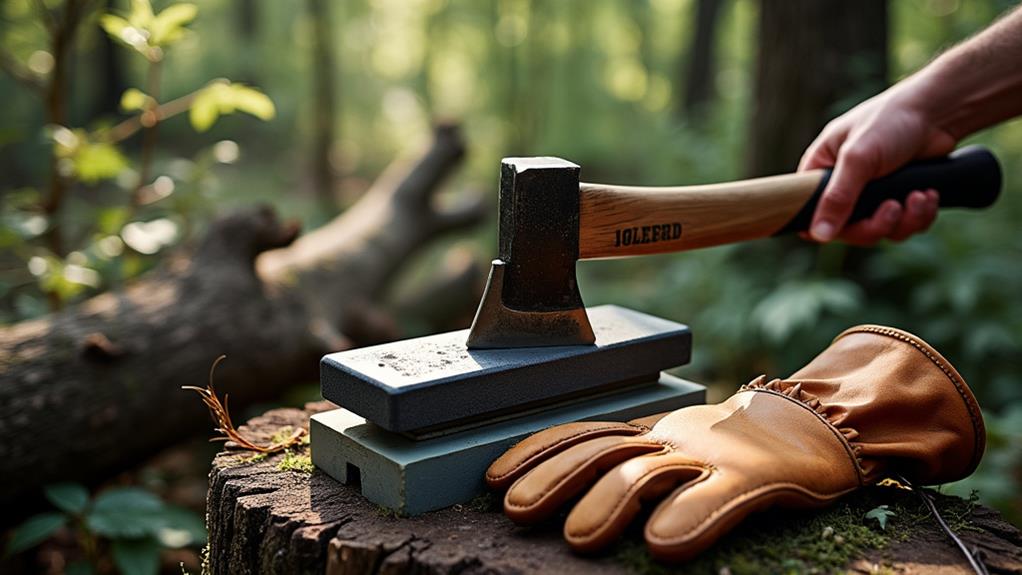
Proper maintenance of your axe ensures both safety and efficiency. Regular inspection and upkeep keep your tool in optimal condition, enhancing performance and extending its lifespan.
- Inspect for Damage: Regularly check your axe for any signs of damage, such as cracks in the handle or chips in the blade. Early detection and repair prevent accidents and maintain the axe's effectiveness.
- Sharpen the Blade: A sharp blade requires less force and delivers cleaner cuts, reducing fatigue and increasing productivity. Use a file or sharpening stone to hone the blade regularly.
- Clean After Each Use: After each use, clean your axe to remove sap, dirt, and debris, which can cause rust and degrade the tool's lifespan.
- Apply Protective Oils: To prevent rust, apply a protective oil to the metal parts. For wooden handles, use linseed oil to maintain integrity and prevent drying out.
- Proper Storage: Store your axe in a dry place, ideally in a protective sheath or hanging position, to avoid accidental damage and ensure it's always ready for use.
Handling Difficult Terrain
Handling difficult terrain requires careful planning and appropriate techniques to ensure safety and efficiency. When navigating challenging landscapes, a brush axe with a longer handle is invaluable. This tool provides the leverage and power necessary to cut through dense vegetation effectively.
Begin by assessing the terrain to identify hazards such as loose rocks or uneven footing. This assessment allows you to plan your approach and avoid potential accidents. On steep slopes, always start by cutting brush uphill. This practice not only ensures safer footing but also helps prevent soil erosion by maintaining vegetation on the lower side.
Use a swinging side-to-side motion with the brush axe while maintaining a low stance. This technique optimizes control and reduces fatigue, especially on uneven ground. For varying vegetation densities, use a combination of hand tools—opt for a machete for lighter brush and an axe for thicker growth.
Tips for Efficient Clearing
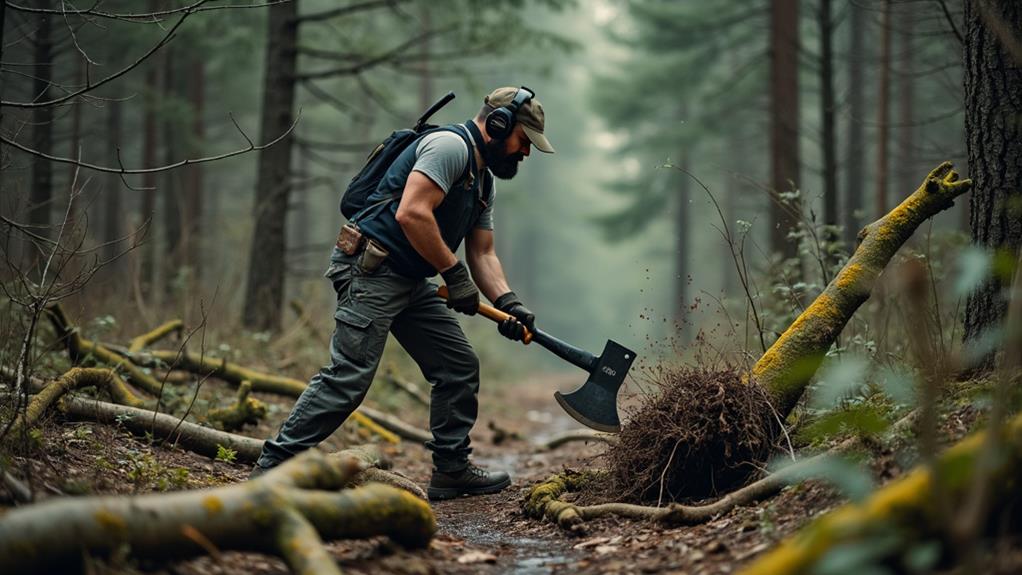
Efficient brush clearing involves utilizing the right techniques and tools to maximize your efforts. When clearing brush, a brush axe can be highly effective if used correctly. Swing the brush axe like a scythe, aiming low at the stems near the ground. This method increases efficiency and is particularly useful for clearing small plants and undergrowth.
Use a sweeping side-to-side motion and employ a three-cut technique to minimize bark tearing. This not only makes the task easier but also helps preserve the health of surrounding vegetation. Proper grip and wrist rotation are crucial for controlling the blade and achieving precise cuts.
For denser vegetation, angled strokes with a machete are more effective. This approach allows you to efficiently penetrate thick undergrowth. Regularly maintain your tools by checking for sharpness and wear to ensure optimal performance during your clearing tasks.
Key tips for efficient brush clearing:
- Swing the brush axe like a scythe, cutting low at the stems.
- Utilize a sweeping side-to-side motion and a three-cut technique.
- Maintain tool sharpness for peak performance.
Conclusion
Congratulations on mastering axe techniques for clearing brush and undergrowth. Always choose the right tool, prepare adequately, and wear appropriate safety gear. Employ effective swinging techniques and stay vigilant of your surroundings. Keep your axe sharp and well-maintained, and approach tough terrain cautiously. By following these guidelines, you'll efficiently clear brush and support healthy regrowth, enhancing your land management skills. Now, get out there and start clearing!