Using an Axe for Riverbank and Waterway Maintenance
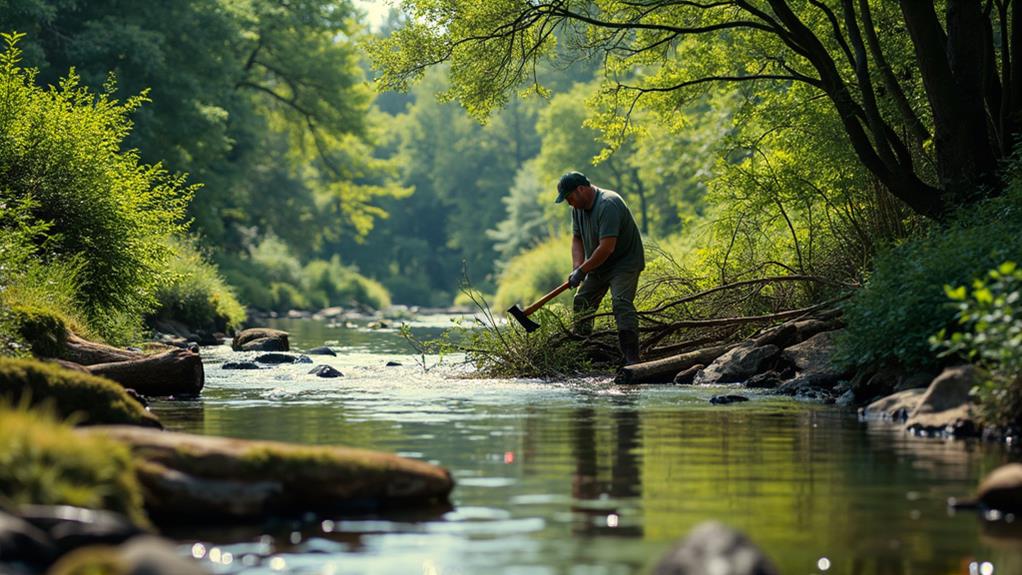
An axe might not be the first tool that comes to mind for riverbank and waterway maintenance, but it is invaluable for managing invasive species and preserving native plants. Choosing a lightweight, well-balanced axe with a high-carbon steel blade can make your work more efficient and less tiring.
However, using the right tool is only part of the equation; proper technique is crucial for maintaining soil stability and protecting local wildlife. So, how can you ensure your efforts are both safe and effective while promoting environmental stewardship?
Choosing the Right Axe
When selecting an axe for riverbank maintenance, it's important to evaluate several key factors to ensure both efficiency and safety.
Firstly, consider choosing a lightweight model. A lighter axe is easier to maneuver, reducing fatigue during prolonged use, which is crucial when working along uneven and potentially unstable riverbanks.
Next, think about the specific tasks you'll be performing. A splitting axe is ideal for cutting larger woody plants, while a hatchet is better suited for smaller, more delicate tasks near the water's edge.
Both types should feature rust-resistant coatings, as exposure to moisture is inevitable in such environments. These coatings help protect the metal, thereby extending the tool's lifespan.
Handle length is another important factor. A longer handle provides more leverage for heavier cuts but requires more strength and control. Ensure the handle length suits your height and the specific cutting tasks you'll be tackling.
Lastly, make sure the axe head is securely attached. A loose head can be dangerous, especially on unstable terrain.
Environmental Benefits
Using an axe for riverbank maintenance provides numerous environmental benefits. By preserving natural vegetation, you minimize soil erosion and maintain stable banks, which mechanical methods often disrupt. Additionally, selectively removing invasive species with an axe protects native habitats, supports local wildlife, and enhances ecosystem resilience.
Natural Vegetation Preservation
Preserving natural vegetation along riverbanks offers numerous environmental benefits essential for maintaining healthy ecosystems. When working on a riverbank, ensure native plants remain undisturbed. These plants provide critical habitats for wildlife, such as fish, birds, and amphibians, and their roots play a significant role in stabilizing the soil.
Native vegetation also aids in flood control by absorbing excess rainwater and reducing runoff. This natural water management helps prevent floods, protecting both the environment and nearby communities.
Additionally, native plants, adapted to local climate and soil conditions, require less maintenance and offer strong resistance against invasive species, which can disrupt local ecosystems.
Furthermore, native plants improve water quality. Their roots and foliage filter pollutants and nutrients before they reach the waterway, ensuring cleaner and healthier aquatic environments that support diverse aquatic life.
Therefore, preserving natural vegetation on riverbanks is crucial for sustaining these vital environmental benefits.
Minimizing Soil Erosion
Preserving natural vegetation is essential for riverbanks, and minimizing soil erosion is equally crucial to maintaining these ecosystems' integrity. By managing riverbank vegetation with tools like an axe, you can help anchor the soil, reducing erosion risks by up to 50% during heavy rainfalls. Selectively cutting invasive species allows native plants to thrive, which have root systems that stabilize the soil and prevent erosion.
To enhance soil stability, focus on removing invasive species with care. This promotes biodiversity and enables native flora to flourish. Native plants help maintain soil structure and resist erosion, and their roots filter pollutants, preserving water quality by preventing sediment loss.
Using environmentally responsible cutting techniques ensures minimal disruption to the soil, maintaining its integrity and resistance to erosion. Proper vegetation management aids in soil stability and fosters a balanced ecosystem, supporting natural erosion control mechanisms. This contributes to the overall health of riverbanks and waterways. Remember, every carefully planned cut counts toward a more stable and sustainable riverbank.
Habitat Protection Strategies
Maintaining riverbanks with careful cutting techniques not only minimizes soil erosion but also plays a crucial role in habitat protection. By using selective cutting methods, you can enhance habitat restoration and promote biodiversity. Removing invasive plant species allows native vegetation to thrive, which is essential for supporting local wildlife.
Focusing on maintaining natural vegetation helps stabilize riverbanks and protect water quality, which is vital for the health of aquatic ecosystems. Moreover, properly timed and controlled cutting can create open areas that benefit certain species while preserving key zones for nesting and sheltering wildlife.
Here are some key strategies to implement:
- Selective removal of invasive species: This promotes the growth of native plants.
- Avoiding chemical herbicides: This ensures the health of the waterway and its inhabitants.
- Creating open areas: This benefits certain species without disturbing critical habitats.
- Engaging the community: Foster awareness and support for sustainable practices.
- Timing and control: Ensure cutting is done at appropriate times to minimize disruption.
Community Feedback
When choosing axe brands and equipment for riverbank maintenance, community feedback is invaluable. Locals share their experiences with various tools, offering insights into safety and effectiveness. Engaging in these discussions helps you make informed decisions that benefit both the environment and the community.
Equipment Brand Preferences
Community members have shared their preferred axe brands for riverbank maintenance, emphasizing durability and effectiveness. Fiskars and Gränsfors Bruk often top the list due to their quality and efficiency in cutting through dense vegetation. These brands are well-regarded for their durability, ensuring they can withstand the rigorous demands of riverbank tasks.
Key features highlighted by users include:
- Weight and Balance: A well-balanced axe with the right weight reduces fatigue during prolonged use, making it easier to handle.
- High-Carbon Steel Blades: These blades hold an edge longer and are easier to sharpen, improving overall performance and reducing maintenance time.
- Handle Material: Durable handles, often made from hickory or composite materials, provide a comfortable and secure grip.
- Manufacturer Warranty: Brands that offer a solid warranty are appreciated, reflecting the manufacturer's confidence in their product.
- Price Point: While quality is essential, finding a brand that offers good value for the price is also a common consideration.
Engaging with the community in forums can provide personalized recommendations tailored to your specific needs for riverbank and waterway maintenance.
Prior Experiences Shared
From the collective wisdom of the community, it's evident that using a well-maintained axe for riverbank maintenance offers numerous benefits. Community members have shared personal experiences demonstrating how effective a sharp axe can be for cutting back invasive plant species. This approach helps maintain waterway health without harming the ecosystem.
Many have shared their success stories, emphasizing the greater control and precision afforded by manual cutting with an axe compared to heavy machinery. This precision reduces the risk of destabilizing the riverbank, making it a preferred technique for many.
Technique variations are also common in the feedback. Some prefer a chopping motion, while others advocate slicing at an angle to minimize damage to native plants. Regardless of technique, regular maintenance—such as sharpening and oiling the axe—is vital for effective, safe cutting.
Coordinating with local environmental groups also came up frequently. This ensures that cutting efforts align with broader sustainability goals. Past project participants noted that community engagement leads to better outcomes and shared responsibility for the area's ecological health.
Ensuring Safety
Ensuring safety during riverbank maintenance with an axe is essential to prevent injuries and accidents. Begin with comprehensive safety training to familiarize yourself with proper axe handling and techniques. This training is crucial for accident prevention. Conduct a detailed risk assessment of the area before starting. Identify potential hazards like loose rocks, slippery surfaces, and nearby structures or wildlife.
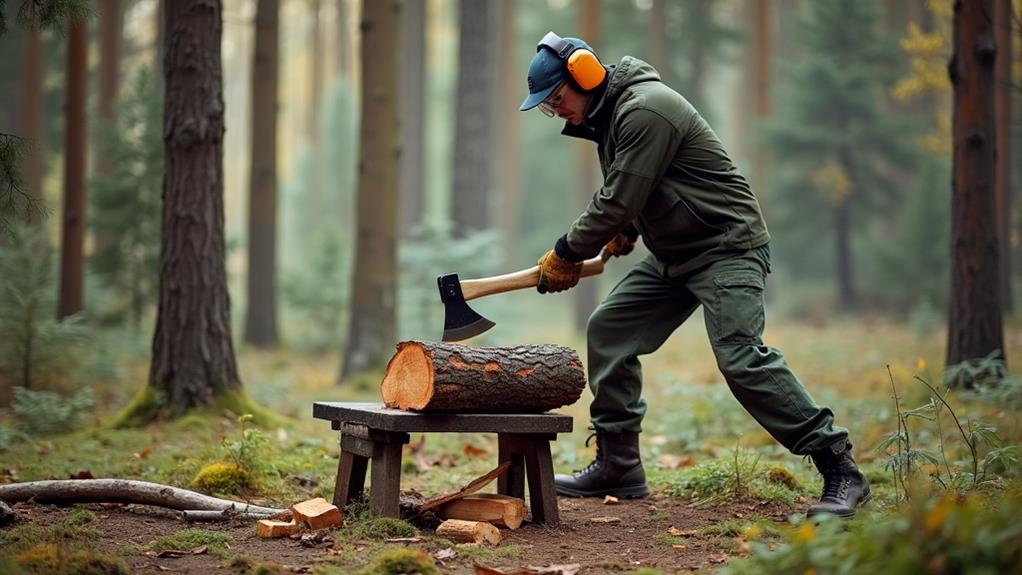
Always wear appropriate personal protective equipment (PPE), including gloves, goggles, and helmets, to minimize injury risks. Maintain a clear work area by removing debris and other obstacles that could cause slips or falls, especially on steep or unstable banks. Ensuring stable footing and a balanced stance is critical to avoid losing control of the axe, particularly on uneven or slippery terrain near water.
Key safety tips to remember:
- Wear PPE: Gloves, goggles, and helmets are essential.
- Clear Work Area: Remove debris and hazards.
- Environment Assessment: Check for nearby structures, people, and wildlife.
- Secure Footing: Ensure stable and balanced stances.
- Inspect Axe Regularly: Check for damage, rust, and sharpness.
Maintenance Techniques
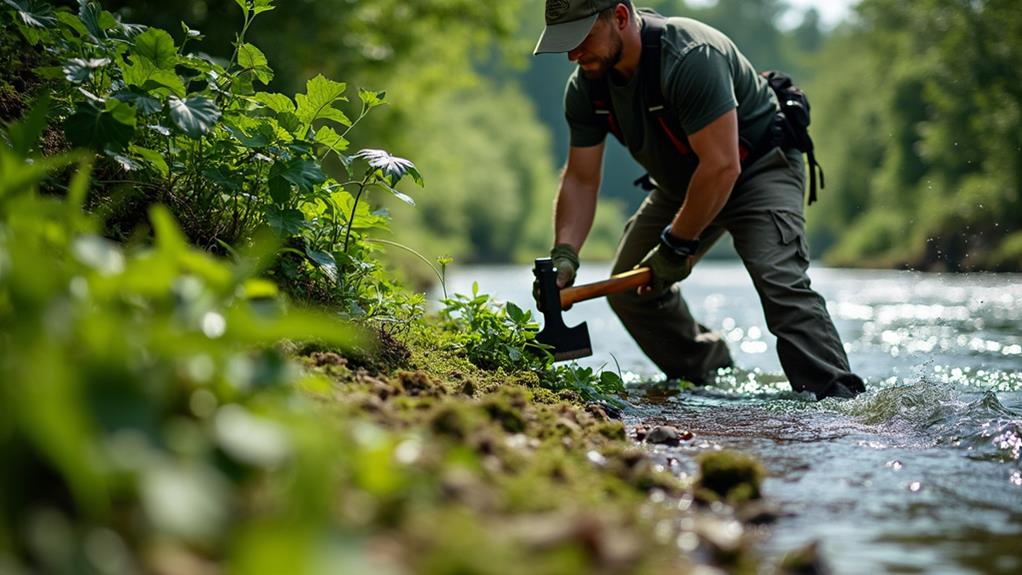
Proper axe maintenance is crucial for effective riverbank management. Regularly inspect your axe for wear and damage to ensure it remains in top condition. Make sure the handle is free from moisture, as damp wood can weaken over time.
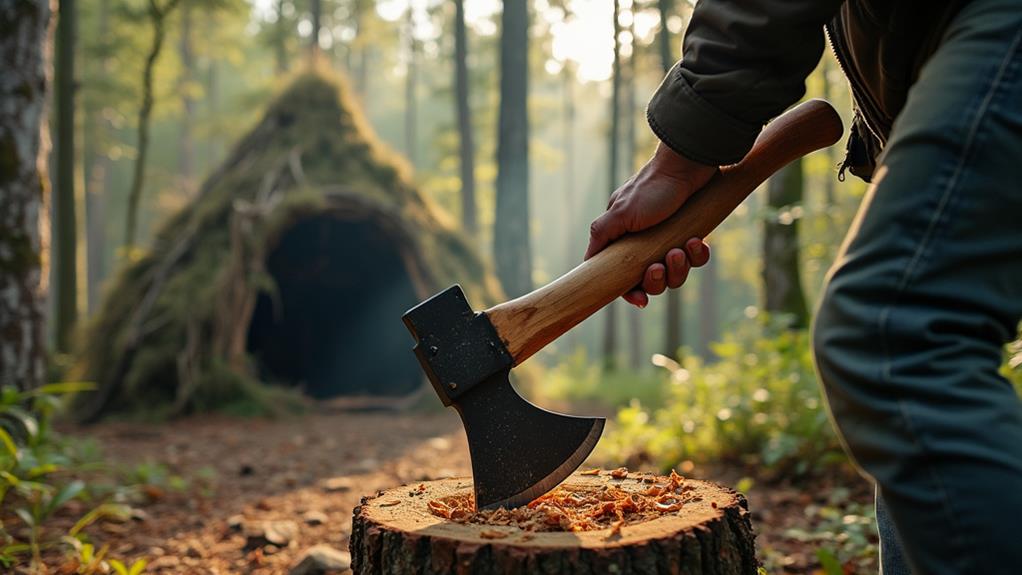
To maintain wooden handles, apply boiled linseed oil. This prevents drying and loosening, which are essential for axe longevity. Reapply the oil based on usage frequency. Effective cutting techniques rely on a sharp blade. Clean the axe head with Vaseline to remove resin and dirt, avoiding soap and water as they can strip protective oils and cause rust.
Conduct seasonal checks to detect rust and moisture damage early. Reapply protective coatings to the axe head to prolong its lifespan, especially during waterway maintenance activities. Moisture prevention is fundamental for keeping your axe in prime condition. When working near water, always dry the axe thoroughly before storing it.
Sharpening Your Axe
Keeping your axe sharp is essential for effective riverbank maintenance. To maintain a keen edge, you need the right tools and techniques. A DC 4 sharpening stone is highly effective. Use its coarse side first, then switch to the fine side, maintaining a consistent angle throughout.
A 200 mm file is also crucial. Apply light pressure and push the file along the edge to create a burr, indicating sharpening progress. After filing, use a leather or fabric strop to align the burr and enhance cutting performance.
Tools and Techniques:
- DC 4 Sharpening Stone: Use coarse and fine sides in sequence.
- 200 mm File: Apply light pressure and push along the edge.
- Leather or Fabric Strop: Aligns the burr and refines the edge.
- Regular Inspections: Frequently check for dullness.
- Sharpening Frequency: Adjust based on usage intensity.
Proper Handle Care
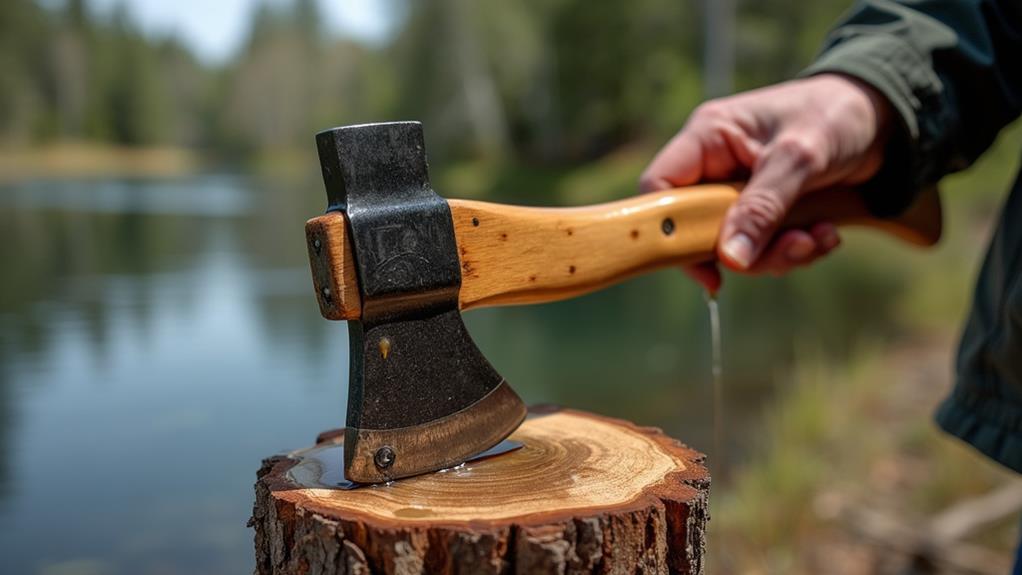
Proper care of your axe handle is essential for maintaining its durability and performance. Regularly inspect the handle for any signs of wear or damage to ensure your axe remains safe and effective for riverbank maintenance tasks.
To enhance handle longevity, apply boiled linseed oil or beeswax. These treatments prevent the wood from drying out and becoming loose, while also providing moisture protection. Simply rub a small amount onto the handle and let it soak in. This preserves the wood and improves your grip, making the axe more comfortable to use.
Additionally, protecting the axe head from rain and rust is crucial. While Snow Seal is effective for moisture protection on the axe head, Vaseline guards against rust on carbon steel heads. A well-maintained head indirectly contributes to the handle's longevity by reducing the risk of rust-related damage.
Seasonal Maintenance Tips
Maintaining your axe handle is crucial for its longevity, but seasonal upkeep ensures it remains functional year-round. Managing riverbanks and waterways effectively requires adjusting your maintenance schedule based on seasonal weather conditions.
During spring and summer, prioritize sharpening your axe frequently. The increased vegetation growth demands a sharp edge for efficient and safe cutting. Regular inspections will help you identify and address any moisture damage or rust on the axe handle and head. Wooden handles should be oiled every few months to maintain their durability.
In the fall, thorough cleaning and protective measures are essential. Apply a layer of Vaseline to the axe head to shield it from moisture and store the axe in a dry environment to prevent rust during winter.
Here's a quick seasonal maintenance checklist:
- Regularly inspect the axe handle and head.
- Sharpen the axe more frequently in spring and summer.
- Oil wooden handles every few months.
- Apply Vaseline to the axe head in the fall.
- Store the axe in a dry place during winter.
After heavy rainfall or flooding, inspect the riverbank for erosion and check your axe for any necessary quick maintenance. These steps ensure your tool remains in top condition, ready for any project.
Engaging the Community
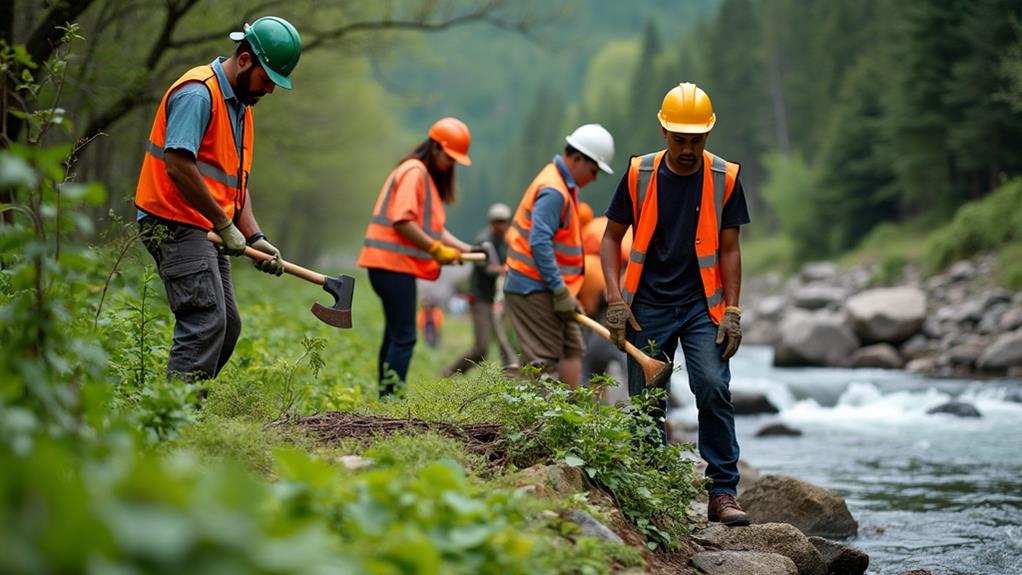
Engaging the community in riverbank maintenance projects can significantly foster a sense of ownership and responsibility among residents. By involving everyone, you encourage community participation and promote riverbank stewardship. When residents feel a collective responsibility, they're more likely to actively participate in protecting local waterways.
Community input is essential. Soliciting feedback on preferred tools and techniques ensures practices are both effective and environmentally responsible. Hosting workshops or forums allows residents to share experiences and best practices, thereby improving knowledge about safe and efficient tool usage. These gatherings also build camaraderie and collective commitment.
Visual aids, such as maps or diagrams, can help everyone understand the specific conditions of the riverbank. This shared understanding enables informed discussions about maintenance strategies. When local stakeholders are involved in decision-making, management goals are more likely to align with community values and environmental considerations.
Conclusion
Using an axe for riverbank and waterway maintenance is both practical and essential for effective environmental management. Selecting the appropriate tool, employing selective cutting techniques, and maintaining your axe can help control invasive species while preserving native vegetation. This minimizes soil erosion and supports wildlife habitats. Community involvement and safety are also critical components. Regular maintenance and sharpening of your axe ensure your efforts have a lasting and positive impact on the environment.