Tiny Home Living With Kids: Tips for Families
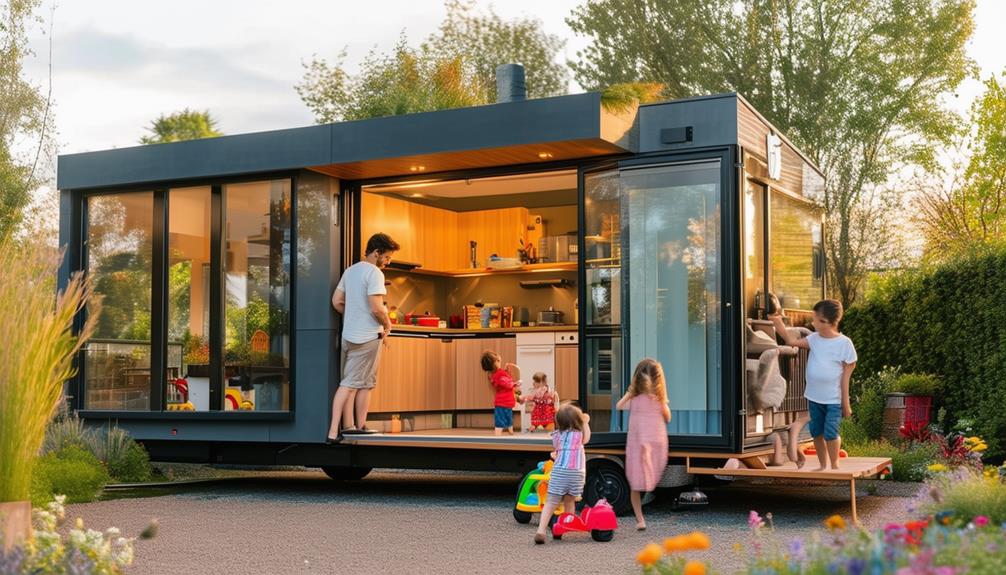
Living in a tiny home with kids might seem challenging, but with smart strategies, you can create a functional and enjoyable space for the whole family. Maximize vertical space with clever storage solutions and incorporate child-friendly design elements that cater to safety and accessibility. Efficiently manage your kids' belongings and carve out private spaces to ensure everyone has their own nook. Additionally, plan for future growth by considering adaptable furniture and multifunctional spaces. Utilizing outdoor living solutions, like a patio or garden, can significantly expand your living area and provide essential play space for children. Let's delve into these key aspects further.
Space Optimization Strategies
When living in a small home with children, maximizing space efficiency is essential. Utilizing vertical storage solutions can help free up valuable floor space and keep things organized. Install high shelves for infrequently used items and wall-mounted racks for toys, books, and other frequently accessed items.
Choosing multipurpose furniture is another effective strategy. Opt for beds with built-in drawers or seating that doubles as storage. These pieces not only serve their primary function but also provide hidden storage, enhancing the functionality of your small home. Collapsible and foldable items are also valuable. Use foldable dining tables and chairs that can be stored away when not in use, giving you extra room to move around.
To maintain organization, establish specific areas for different activities. Designate corners for play, study, and relaxation, ensuring each activity has its own space without causing clutter. Regular cleaning routines are crucial. A clutter-free environment makes a small home more livable, especially with children. By consistently tidying up, you'll keep the space optimized and ensure everything is in its place. This approach makes small home living with kids not only feasible but enjoyable.
Child-Friendly Design Ideas
When designing a tiny home for children, prioritize creating safe play areas, incorporating child-friendly furniture, and optimizing storage solutions. Make spaces multifunctional and comfortable for your little ones. By balancing these elements, you can ensure your tiny home is both practical and welcoming for children.
Safe Play Areas
Designing safe play areas for kids around your tiny home ensures they have a secure and enjoyable space to explore and have fun. Start by creating designated outdoor play areas close to your tiny house. This ensures your children are always within sight, making supervision easier and providing peace of mind. Safety is paramount, so use soft, non-toxic materials like rubber mulch or artificial grass for play surfaces. These materials minimize the risk of injuries from falls and are ideal for tiny home settings.
Next, consider building a spacious porch equipped with child-safe features such as railings and gates. This provides an excellent outdoor play space that keeps your kids safely contained. Incorporate age-appropriate outdoor toys and equipment like swings, slides, and climbing structures. These additions will keep your children entertained while encouraging physical activity.
Child-friendly landscaping is also vital. Opt for rounded edges on any structures and avoid sharp objects in the play area. Secure boundaries, such as fences or hedges, ensure your kids stay within the safe zone. By implementing these design ideas, you create a secure, fun, and stimulating environment for your children to explore and grow in.
Kid-Friendly Furniture
Ensuring your small home is equipped with child-friendly furniture requires prioritizing safety, durability, and functionality. In a tiny house with young children, choosing pieces that minimize injury risks is crucial. Opt for furniture with rounded or soft edges to prevent bumps and bruises, especially in compact spaces where kids are more likely to bump into things.
Durability is another key factor. Select furniture made from stain-resistant and easy-to-clean materials. Since kids can be messy, you'll want surfaces that can withstand spills, stains, and wear. This ensures your furniture remains in good condition and looks appealing over time.
Functionality is equally important in small house living. Consider adjustable furniture pieces that can grow with your child, such as a crib that converts into a toddler bed or a high chair that transforms into a regular chair. This adaptability saves space and money in the long run.
Incorporate storage solutions into your child-friendly furniture design. Look for items like toy chests or bins integrated into beds or seating. Additionally, prioritize built-in safety features like anti-tip mechanisms for dressers to keep your little ones safe.
Storage Solutions
Maintaining a neat and organized tiny home with children can be challenging, but choosing child-friendly furniture and clever storage solutions can make a significant difference. Effective storage cubes, lofted beds, and designated spaces can help you efficiently organize your children's belongings.
Utilizing storage cubes is a versatile approach; they can store various items like toys and clothes. Labeling these cubes can help children know where to put their things. Lofted beds with integrated storage solutions can optimize vertical space, providing room for both sleeping and storage without occupying extra floor space. Designated storage spaces for toys and possessions are crucial. Ensuring that everything has a place makes it easier to keep your home tidy and clutter-free.
Here's a quick breakdown of some child-friendly storage solutions:
| Storage Solution | Benefit |
|---|---|
| Storage Cubes | Versatile and easy to label |
| Lofted Beds | Optimizes vertical space |
| Designated Spaces | Keeps items organized |
| Integrated Shelving | Efficient use of wall space |
Managing Kids' Belongings
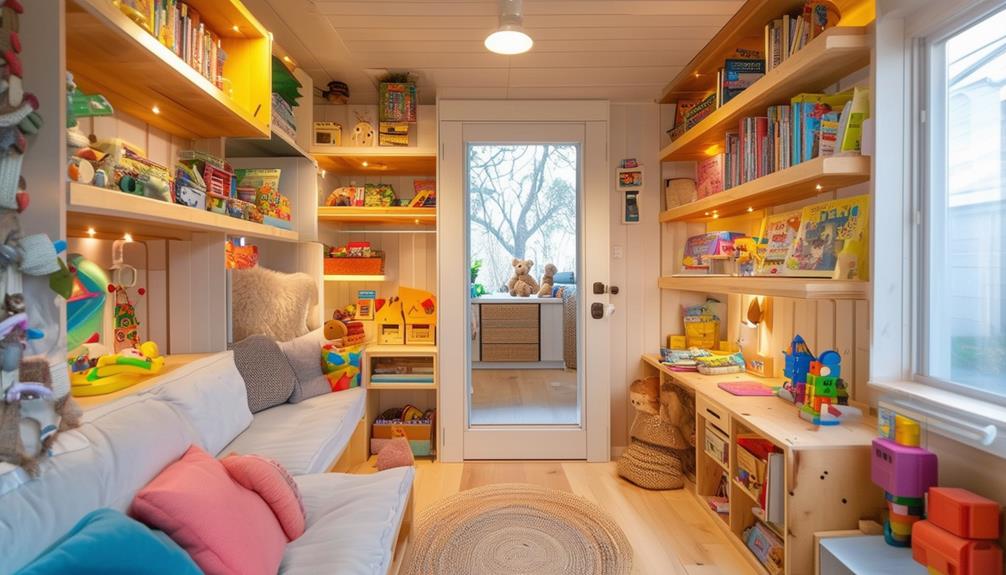
When managing kids' belongings in a tiny home, implement efficient storage solutions like storage cubes and loft beds to maintain organization. Regularly declutter by allocating space logically between items and individuals, and ensure toys have designated areas. These steps will help keep the environment tidy and clutter-free.
Efficient Storage Strategies
Maximize your space by utilizing storage cubes and lofts to organize your kids' belongings efficiently. In compact areas, smart storage solutions are essential for managing toys, clothes, and other items. Storage cubes are versatile and can fit into tight corners, making them ideal for maximizing storage capacity. You can stack them for vertical storage, freeing up more floor space for kids to play.
Lofts are another excellent option. By elevating your child's bed, you can use the space underneath for storage bins, shelves, or even a small study area. This dual-purpose approach ensures optimal use of every square inch.
It's important to allocate space wisely between objects and people. Designate specific areas for kids' items to maintain a tidy living space. Clear, labeled bins can help your children know exactly where their toys and books belong, making it easier for them to put things away.
Decluttering Techniques for Kids
Effective decluttering techniques are essential for managing your kids' belongings and maintaining a tidy home. Start by designating specific areas for your children's items. This approach helps prevent clutter and makes it easier for everyone to find what they need. Use storage cubes and lofts to organize their belongings efficiently. Label storage cubes for different types of toys, books, and clothes, simplifying the process of keeping everything in its place.
Optimize your limited storage space with smart solutions. Consider multi-functional furniture like beds with built-in drawers or benches that double as toy chests. Divide space logically between items and people. For example, allocate a specific corner or shelf for each child's belongings to maintain order and avoid mix-ups.
Here's a handy table to help you organize your kids' belongings in a small home:
| Category | Storage Solution | Location |
|---|---|---|
| Toys | Storage cubes | Living area |
| Books | Wall-mounted shelves | Kids' bedroom |
| Clothes | Loft storage | Above closets |
| Art supplies | Clear bins | Under-bed space |
| School items | Hanging organizers | Back of doors |
Creating Private Spaces
Designing a small home for a family with children requires careful planning to ensure everyone has a personal retreat. It's crucial to incorporate private spaces into your layout. Designate areas where each family member can unwind, whether it's a small reading nook, a cozy corner, or a loft bed with curtains for added privacy.
Ensure your small house layout includes versatile spaces that offer privacy despite the limited space. Install foldable dividers or sliding doors to create temporary private areas as needed. Nooks or hidden spots can provide children with their own little hideaway, perfect for solitude and relaxation.
When planning these private spaces, consider individual needs to ensure each person has a personal retreat. Even in the smallest homes, maintaining individual boundaries is essential. Multifunctional furniture can serve as storage and private zones. For instance, a bench with a built-in bookshelf can double as a quiet reading spot. Thoughtfully designing these areas guarantees that everyone has a space to call their own.
Planning for Future Growth
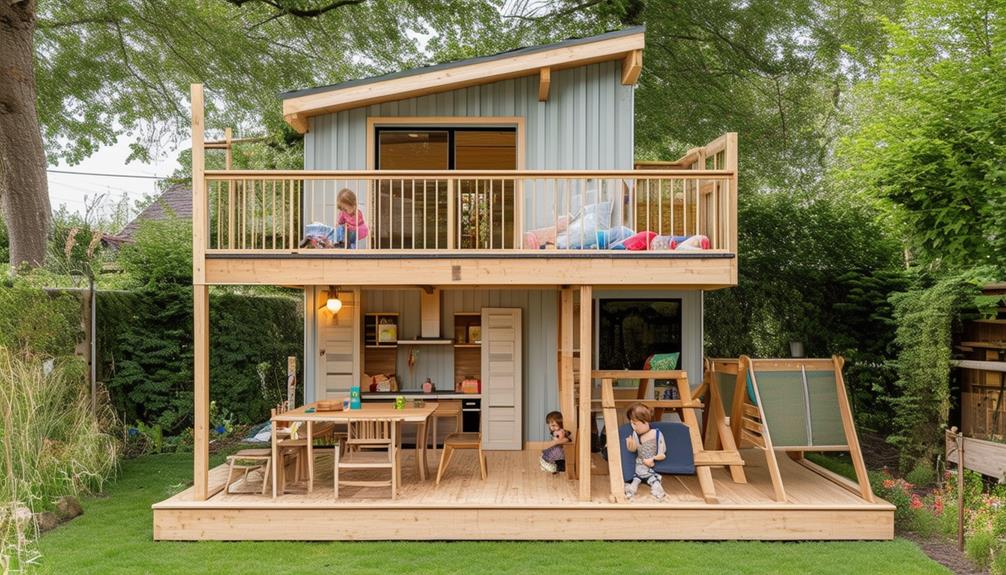
When designing a tiny home for your family, it's essential to consider how the space can adapt to future growth. As your family expands, incorporate versatile layouts that accommodate children and changing needs. Choose a tiny home model with flexible spaces, such as a living area that can also serve as a bedroom or a loft that can be converted into a play area for kids.
Planning for potential extensions is another crucial factor. Some tiny homes are designed with future family growth in mind, allowing for the addition of extra rooms or extensions when needed. This foresight can save you the hassle and expense of relocating as your family grows.
Storage solutions are also key. Opt for multifunctional furniture, such as beds with built-in drawers or expandable tables. These solutions help accommodate children's toys, clothes, and school supplies without cluttering your living space.
Lastly, consider the long-term potential for modifications. Investigate how your tiny home can be expanded or altered as your family dynamics change. Planning ahead ensures that your tiny home remains a cozy and functional haven for years to come.
Outdoor Living Solutions
While planning for future growth inside your tiny home is essential, creating thoughtful outdoor living solutions can significantly enhance your family's quality of life. Start by designing a spacious porch to serve as a designated play area. This not only offers your kids a safe place to enjoy fresh air but also provides an accessible spot for various outdoor activities.
Consider parking your tiny house near open spaces where kids can play freely. This ensures they have a safe and accessible area to explore, run around, and engage in different activities. Setting up play areas or seating near your tiny house entrance allows your children to enjoy the outdoors while staying close to home.
Inside the tiny house, ensure there is adequate space for unwinding and relaxation after outdoor adventures. Balancing indoor and outdoor environments promotes a healthy lifestyle for your kids. Creating designated relaxation areas both inside and outside the house provides multiple environments for leisure and play, making the most out of tiny home living.