Tiny Home Living in Urban Areas: What to Expect
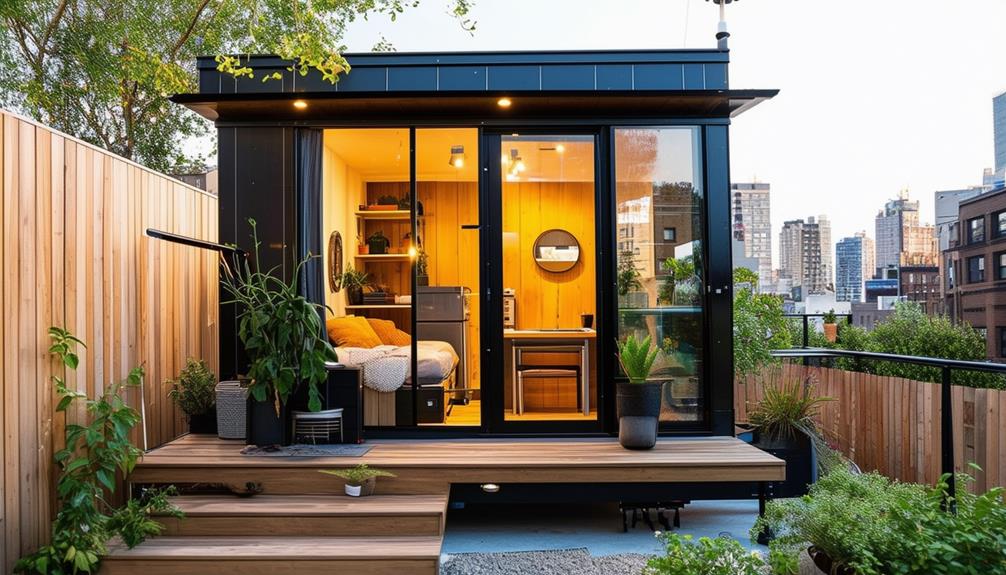
Considering tiny home living in urban areas involves embracing efficient space utilization and a minimalist lifestyle. You'll enjoy the benefits of close family connections and outdoor living, but also face challenges like bathroom installations and privacy concerns. Legal and zoning issues require thorough planning and adherence to local regulations. Financial realities and unexpected expenses are part of the journey, making it essential to be well-prepared. Community support can provide valuable insights and assistance. But what initial steps should you take to ensure a smooth transition into this unique living arrangement?
Bathroom Challenges
Navigating the bathroom in urban compact homes can be particularly challenging due to limited space for traditional fixtures like tubs or large vanities. Every inch of your small area must be strategically utilized. This can be especially difficult for those with mobility issues, as the restricted space limits flexibility.
In compact homes, drainage and upkeep also require meticulous planning. With less space, each component must be efficiently designed to avoid blockages and leaks, which could quickly become problematic. A well-planned drainage system is essential to prevent the space from feeling even more confined and to avoid costly repairs.
Even closing the bathroom door can be a challenge in such compact quarters. Consider sliding doors or curtains to save space and maintain privacy without compromising the limited area. While upgrading to a compact home with multiple bathrooms might seem appealing, the overall square footage remains limited, so space constraints will persist. Creative solutions and careful planning are crucial to making your compact home bathroom functional and comfortable.
Privacy Benefits
Living in a tiny home offers enhanced privacy for the master bedroom, creating a tranquil space for relaxation and decompression after a busy day. Additionally, the intimate setting fosters stronger family bonds, as you're always close to loved ones.
Enhanced Master Bedroom Privacy
You'll appreciate the enhanced privacy that a dedicated master bedroom in a tiny home offers compared to an open loft layout. Tiny house living doesn't mean sacrificing personal space. With a distinct master bedroom, you can enjoy a secluded environment conducive to true relaxation. This arrangement can significantly improve the quality of family time, as everyone has their own space to retreat to when needed.
| Aspect | Benefit |
|---|---|
| Privacy | Greater than an open loft |
| Sound Insulation | Limited with sliding barn doors |
| Cleaning | Faster and more efficient |
| Family Time | Improved with individual spaces |
| Personal Space | More defined and secluded |
A separate master bedroom in a tiny home also results in a more efficient cleaning routine, freeing up more time for leisure activities you love. However, it's important to note that sliding barn doors, commonly used in tiny homes, may not provide optimal sound insulation. Despite this, the overall improved privacy and personal space make this feature highly desirable for many. This separation helps create distinct areas for different activities, reducing stress and enhancing the overall living experience in your tiny home.
Serene Sleeping Environment
A separate main bedroom in a small home fosters a peaceful sleeping environment by providing increased privacy and reducing noise from common living areas. Unlike loft bedrooms, which often lack sound insulation, a dedicated main bedroom shields you from the hustle and bustle of daily activities. This separation creates a tranquil space where you can relax and enjoy uninterrupted sleep.
While traditional sliding barn doors add a stylish touch, they may not offer the same level of noise reduction as solid walls and conventional doors. Nevertheless, the design of a separate bedroom plays a crucial role in establishing a peaceful sleep environment. It allows you to disconnect from common areas, making it easier to wind down and fall asleep without interruptions.
The limited space in a small home can work to your advantage by naturally dampening external noises. This quieter environment is particularly beneficial in urban settings, where outside sounds are more prevalent. By having a distinct, enclosed bedroom, you gain a private sanctuary and improve your overall sleep quality. Embracing the compact nature of small homes can lead to a more serene sleeping environment, essential for your well-being.
Close Family Bonds
Living in a small dwelling nurtures close family bonds through shared experiences and intimate living spaces. Limited personal space naturally leads to enhanced communication and bonding among family members. The absence of physical barriers means you'll spend more quality time together, engaging in meaningful interactions and building stronger connections.
Small home living promotes cooperation, compromise, and respect. Navigating daily routines and personal preferences ensures everyone's comfort and happiness, fostering a deeper understanding and empathy for each other's needs and feelings.
Here's a quick look at how small home living impacts family dynamics:
| Aspect | Benefit |
|---|---|
| Shared Experiences | Stronger family bonds |
| Limited Personal Space | Enhanced communication |
| Intimate Living Space | More quality time together |
Embracing Outdoor Living
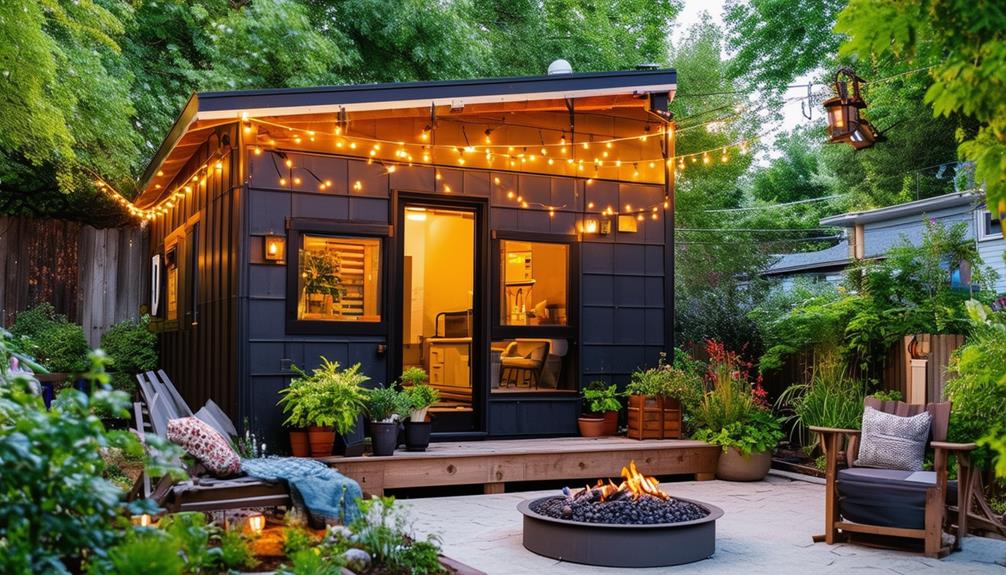
Transform your daily routines into opportunities for fresh air and adventure by embracing outdoor living. Tiny living naturally encourages a closer connection with nature, as the limited indoor space often leads to more time spent outside. Picture starting your day with a peaceful morning coffee on your tiny home's porch, followed by an invigorating hike or bike ride.
In tiny living, outdoor activities become integral to your lifestyle. Engaging in regular activities like hiking, biking, and even sledding during the winter months not only promotes physical fitness but also adds a sense of adventure and exploration to your everyday routine.
Gardening can become a new, relaxing hobby that allows you to spend productive time outdoors. Dining al fresco under the stars transforms ordinary meals into memorable experiences. This shift from indoor to outdoor living fosters a deeper bond with the environment, enhancing your overall well-being. Embracing these outdoor elements ensures that your tiny home experience is not just about living small but living fully and vibrantly.
Extensive Planning
When planning your tiny home in an urban area, you'll need to address winter season challenges, navigate complex legal regulations, and manage unexpected expenses. It's essential to be prepared for harsh weather, understand zoning laws, and budget for surprise costs. These steps ensure a smoother transition to tiny home living in the city.
Winter Season Challenges
As winter approaches, urban tiny home residents must strategically plan for heating, insulation, and energy efficiency to maintain comfort. The season brings specific challenges like condensation, frozen pipes, and snow removal. Given the limited space in a tiny home, storing extra blankets, heaters, and winter clothing can be difficult. Opt for compact heaters and efficient insulation to stay warm without overcrowding your space.
Proper ventilation and moisture control are essential to prevent mold and mildew growth during colder months. Ensure your tiny home has adequate airflow to manage humidity levels and avoid condensation on windows and walls. Insulating your home effectively will keep the cold out and the warmth in, while also preventing moisture buildup.
Frozen pipes are another critical concern. Insulate your plumbing and consider using heat tape to keep water flowing. Regularly inspect for potential leaks or weak spots. Snow removal around your tiny home is crucial for maintaining access and preventing damage from heavy snow loads. With thorough planning, you can successfully navigate winter's challenges and enjoy your tiny home comfortably.
Legal Regulations Complexity
Navigating the complexities of legal regulations is essential for establishing a tiny home in urban areas, requiring meticulous planning and research. Zoning laws are a critical factor, determining where you can park or build your tiny home. Urban areas often have stringent zoning laws that can restrict or entirely prohibit tiny homes in specific neighborhoods.
Understanding these legal regulations upfront can save you from future complications. For example, some cities might permit tiny homes in backyards, while others restrict them to designated tiny home communities. Additionally, you must consider local building codes and infrastructure requirements. Ensuring your tiny home complies with utilities like water, sewage, and electricity is vital for both compliance and livability.
Environmental impact assessments should not be overlooked. Urban areas may mandate these assessments to ensure your tiny home project is sustainable, particularly in densely populated locations. Ignoring these requirements could result in hefty fines or forced relocations. Adhering to all local building regulations is crucial to avoid legal issues and ensure your tiny home project is successful. Therefore, invest the time to research and plan thoroughly.
Unexpected Expenses Management
Managing unforeseen expenses in tiny home living requires extensive planning and a proactive approach to budgeting and financial preparedness. Costs such as towing trucks, maintenance, higher fuel expenses for diesel vehicles, insurance, and parking taxes can accumulate quickly. Without proper financial planning, these expenses can become overwhelming.
One effective strategy is to plan for periodic returns to a stable parking spot. This helps you save money before embarking on your next adventure, mitigating unforeseen financial burdens like vehicle repairs or fuel costs. Legal restrictions on parking locations can also complicate things, making careful budgeting crucial to avoid fines or relocation costs.
To effectively manage these unexpected expenses, consider the following financial planning tips:
| Expense Type | Estimated Cost | Planning Tip |
|---|---|---|
| Towing Truck Rental | $100-$200/day | Budget for longer stays to save |
| Maintenance | $500-$2,000/year | Set aside a monthly maintenance fund |
| Fuel Costs | $3-$5 per gallon | Optimize routes to reduce fuel usage |
| Insurance | $500-$1,500/year | Shop around for the best rates |
| Parking Taxes | Varies by location | Research locations with lower fees |
Financial Realities
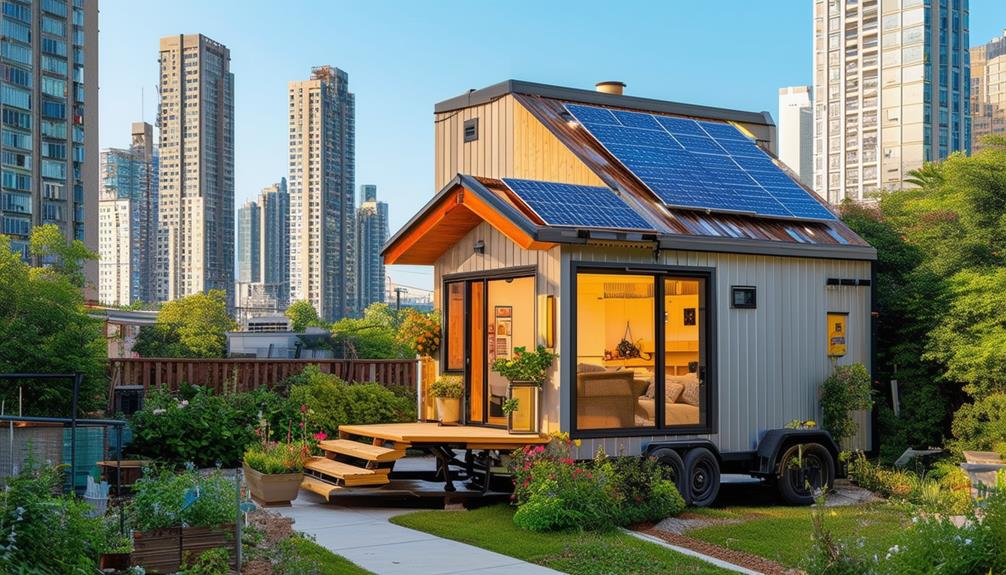
Living in a small home in an urban area can be financially demanding due to unforeseen expenses like insurance, parking taxes, and maintenance costs. Opting for a small house in a city doesn't necessarily equate to lower living expenses. Insuring your small home can be costly, and finding a legal parking spot often incurs taxes that add up over time.
A significant financial reality is the need for a larger truck to tow your home. These trucks typically run on diesel, which is more expensive, especially in urban areas. Additionally, the maintenance costs for both your small house and the towing vehicle can be substantial. To save money, you might find yourself frequently returning to a familiar parking spot before setting off again.
While small houses offer a minimalist lifestyle, the financial challenges can sometimes have severe consequences, including the potential loss of your home due to financial difficulties. Understanding these financial aspects thoroughly is essential. Planning and budgeting for these expenses can help you navigate the complexities of urban small home living more effectively.
Unexpected Expenses
Exploring the world of small home living often brings unexpected expenses that can catch you off guard. While the appeal of downsizing and reducing costs is strong, the financial hurdles can be significant. For example, you might require a larger truck to haul your small home, resulting in higher fuel expenses, especially if you're using a diesel vehicle. Additionally, maintenance costs and insurance for your small home can quickly accumulate.
Here's a snapshot of potential unforeseen expenses you might encounter:
| Expense Type | Description |
|---|---|
| Hauling Vehicle | Bigger truck for towing, increased fuel costs (diesel) |
| Upkeep Costs | Regular maintenance and unexpected repairs |
| Insurance | Coverage for the small home |
| Parking Fees | Fees for different parking locations |
To manage these expenses, you might need to return to a stable parking spot periodically to save money before hitting the road again. Planning for vehicle repairs, fuel costs, and navigating legal regulations on parking locations is vital for a smooth experience. Despite the benefits of downsizing, unforeseen repairs and insurance can add to financial pressures, requiring careful budgeting and planning. Being prepared for these financial challenges will help you better enjoy the advantages of your small home lifestyle.
Community Engagement
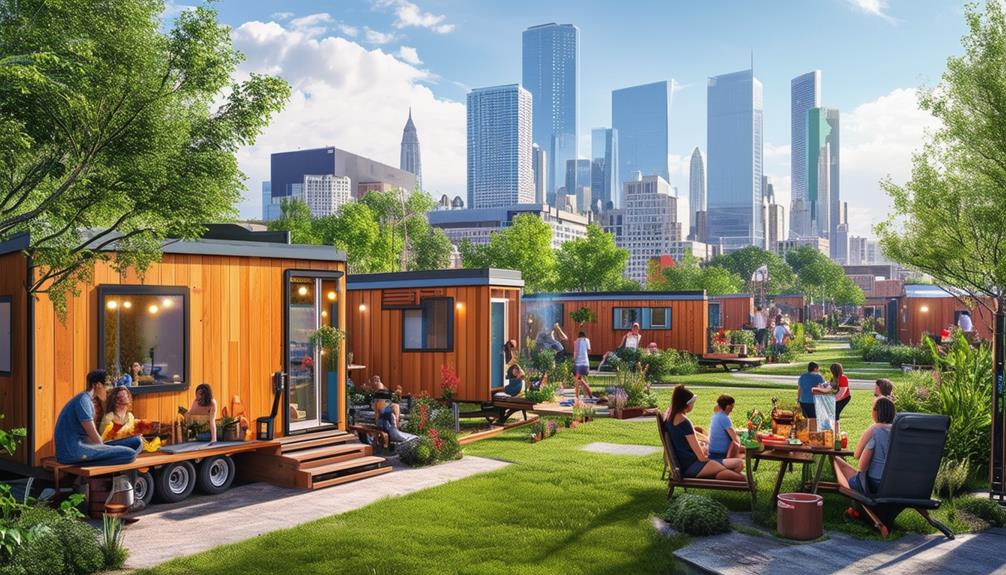
Engaging with a supportive community can significantly enhance the experience of tiny home living, making it more enjoyable and sustainable. Connecting with others who share a similar lifestyle can provide invaluable resources and support. Local tiny home communities often host meet-ups, workshops, and online forums where members can exchange ideas, solve common problems, and share tools or materials. This type of community engagement reduces feelings of isolation and empowers individuals in their lifestyle choices.
In urban areas, you might encounter a diverse mix of traditional tiny houses, travel trailers, and motorhomes. Each type of small living space has its own set of challenges and benefits, but community engagement can help you navigate these nuances more effectively. For instance, someone living in a tiny house on wheels might offer tips on legal parking options or utility hookups, while those in stationary tiny homes can share insights on long-term sustainability practices.
Being part of a community can also lead to cost savings. Group buying discounts for materials or shared garden spaces are just a couple of ways you can benefit financially. Overall, joining a supportive network can make your tiny home experience richer and more fulfilling.
Minimalistic Lifestyle
Why consider a minimalist lifestyle in a tiny home? Living in a tiny home in urban areas encourages simplicity and reduces clutter and stress. Small spaces naturally lead you to downsize, keeping only essential items. This not only declutters your physical space but also clears your mind, fostering a tranquil environment.
Tiny homes emphasize sustainability and environmental responsibility. With fewer possessions, you reduce your carbon footprint. Small spaces consume less energy for heating, cooling, and lighting, making them more eco-friendly. Additionally, owning fewer items means generating less waste, contributing to a healthier planet.
Financial freedom is another key benefit. Tiny homes have lower living expenses, allowing you to save money or invest in experiences rather than material goods. This shift in focus often results in a more fulfilling life, prioritizing relationships and experiences over the accumulation of stuff. A minimalist lifestyle in a tiny home also prioritizes quality over quantity. Every item you keep must serve a purpose or bring joy, creating a curated space filled with meaningful possessions.
Legal and Zoning Issues
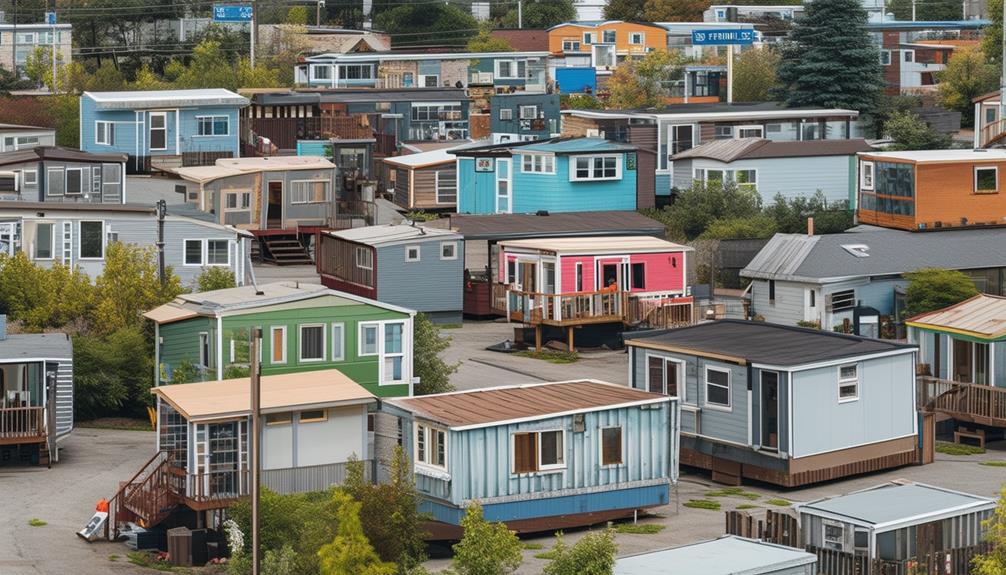
Navigating legal and zoning issues for tiny homes in urban areas can be a complex and challenging task. Zoning laws often restrict where tiny homes can be parked or placed, significantly limiting options. These regulations vary widely between cities, making thorough research essential before choosing a location.
Land use regulations add another layer of complexity, particularly when establishing tiny home communities in urban settings. Navigating through the necessary paperwork and meeting legal requirements to comply with local building codes is crucial for ensuring the safety and legality of your tiny home.
Beyond location, infrastructure considerations are vital. Access to utilities such as water, electricity, and sewage can present additional challenges. Environmental impact assessments may also be required to address sustainability concerns.
Key considerations include:
- Research Local Zoning Laws: Understand restrictions in your chosen area.
- Adhere to Building Codes: Essential for safety and legal compliance.
- Plan for Utilities and Infrastructure: Necessary for a comfortable living experience.