Tiny Home Living in Cold Climates: Insulation and Heating Tips
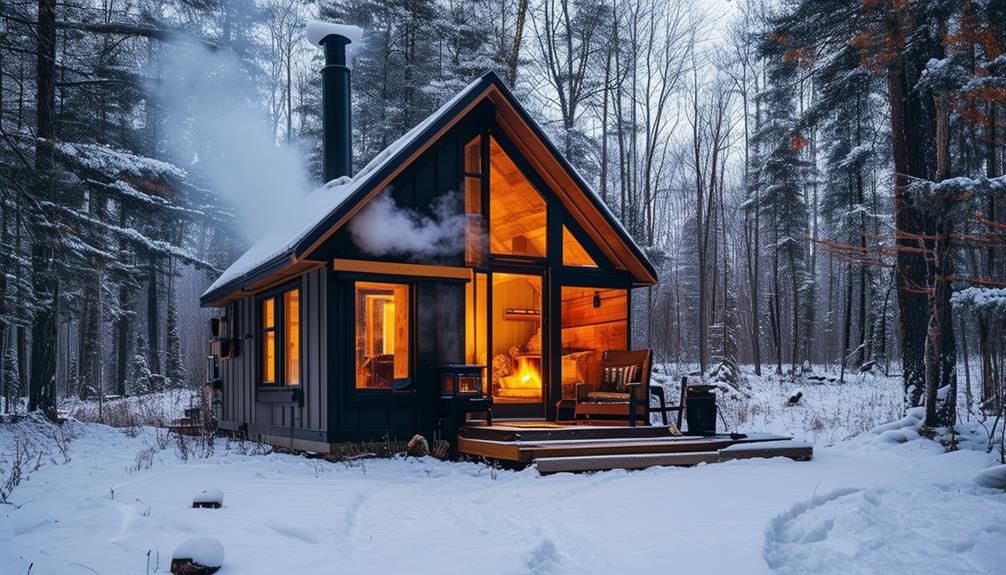
Living in a tiny home in cold climates requires careful planning to maintain warmth and energy efficiency. Focus on selecting the right insulation, such as spray foam or Structural Insulated Panels (SIPs), to keep the cold at bay. Heating options like wood stoves or radiant floor heating offer different benefits and considerations. Regular maintenance and winterizing your tiny home are crucial. Have you considered how water and propane management can prevent freezing pipes and ensure a comfortable living environment? Here are some practical strategies to keep your tiny home cozy and efficient during the cold months.
Understanding the Challenges
Residing in a small home in cold regions presents unique challenges, particularly concerning insulation and heating. With limited space, every inch must be optimized for energy efficiency. The compact nature of small homes often leads to higher heat loss compared to larger dwellings, making it a constant struggle to maintain warmth during freezing months.
A primary challenge is balancing effective insulation with suitable heating systems. In confined quarters, not just any heating solution will do. Maximizing insulation R-values to minimize heat loss is essential. High-quality insulation serves as the first line of defense against the cold, helping to retain the heat generated indoors.
Additionally, the efficiency of your heating system is crucial. In small homes, energy efficiency is a necessity, not a luxury. A poorly chosen heating system can lead to excessive energy consumption and high utility bills. Therefore, it's vital to select a heating option that complements your insulation efforts.
Proper preparation with efficient insulation and heating solutions ensures that your small home remains a warm sanctuary, even in harsh winter climates. Without these measures, you risk discomfort and inefficiency.
Effective Insulation Solutions
Selecting the right insulation for tiny homes in cold climates is crucial for maintaining warmth and energy efficiency. Several effective options exist, each with unique benefits and trade-offs. Spray foam insulation offers superior sealing and thermal performance, making it a top-notch choice for those willing to invest. Its effectiveness in keeping tiny homes warm justifies its higher cost.
For extreme cold climates, rock wool insulation excels with exceptional thermal performance and fire resistance, providing robust protection against frigid temperatures and adding an extra layer of safety.
Structural Insulated Panels (SIPs) are known for their high R-value and energy efficiency. They provide a solid, continuous layer of insulation, reducing thermal bridging and enhancing overall energy efficiency.
For budget-conscious individuals, fiberglass and rock wool are cost-effective alternatives to spray foam, still delivering effective thermal performance. Reflective insulation is another budget-friendly option, improving energy efficiency by reflecting heat back into the tiny home, thus reducing heating costs. Each insulation type offers distinct advantages, ensuring options to fit various needs and budgets while maintaining energy efficiency and warmth in tiny homes.
Efficient Heating Options
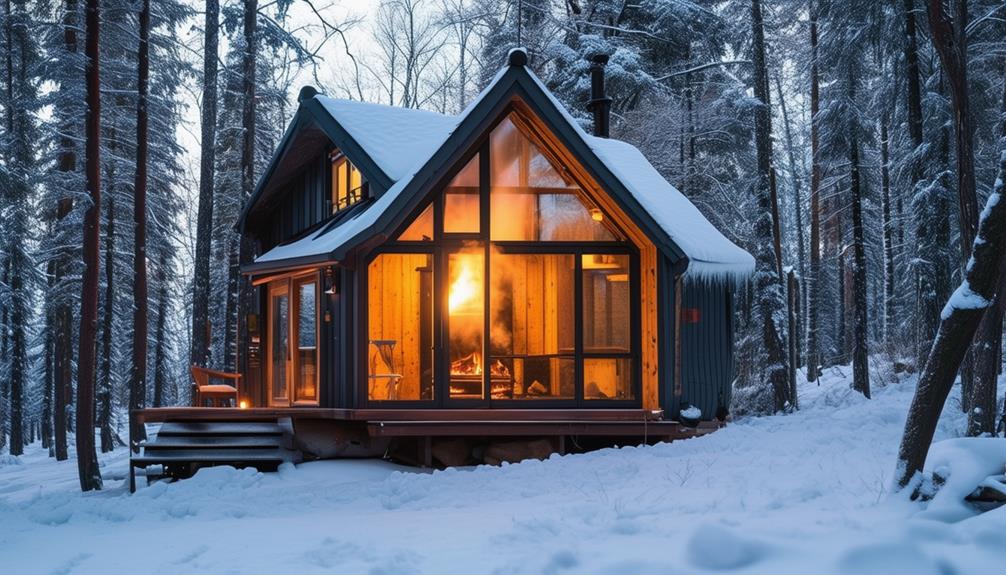
Selecting the appropriate heating system for your tiny home is essential to ensure comfort and efficiency in cold climates. With the right insulation and heating solutions, you can maintain a cozy environment without excessive energy use. Among the efficient heating options available, several stand out for their effectiveness and ease of integration into tiny homes.
Wood stoves are a popular choice, providing both warmth and a charming ambiance. They are particularly effective in small spaces, making them ideal for tiny homes. If you prefer a more modern approach, propane heaters offer another efficient heating solution that's easy to install and operate. They provide consistent heat and can be a great fit for tiny homes.
Radiant floor heating is a creative option that provides warmth from the ground up, ensuring even heat distribution. This method can be integrated seamlessly into your home's design. Moreover, solar heating systems harness renewable energy to heat your home, which is both eco-friendly and cost-effective in the long run.
Consider the following heating options:
- Wood stoves: Ambiance and efficiency
- Propane heaters: Easy installation and operation
- Radiant floor heating: Consistent warmth from the ground up
- Solar heating systems: Renewable energy and long-term savings
Financial Considerations
Selecting the best heating options for your tiny home is crucial for comfort, but understanding the financial implications behind these choices is equally important. Begin by assessing insulation costs, which vary from affordable fiberglass batt insulation to more expensive spray foam insulation. Each type has different installation expenses and effectiveness, directly impacting your budget.
Next, evaluate various heating options such as electric, propane, wood, and solar. Calculate both initial and ongoing costs to identify the most cost-effective solution. For instance, electric heating might have lower installation costs but could result in higher monthly bills, while wood and propane may involve higher initial expenses but offer lower long-term costs.
Consider the installation expenses and labor costs for both insulation and heating systems. DIY projects can save money but may not provide the same efficiency as professional installations. Weighing these choices will help you determine the financial feasibility of different options.
Lastly, consider the return on investment (ROI) of energy-efficient solutions. Although high-quality insulation and efficient heating systems might come with higher upfront costs, they can lead to significant long-term savings on energy bills. Analyzing these factors will help you make informed decisions that balance comfort and financial viability.
Maintenance and Sustainability
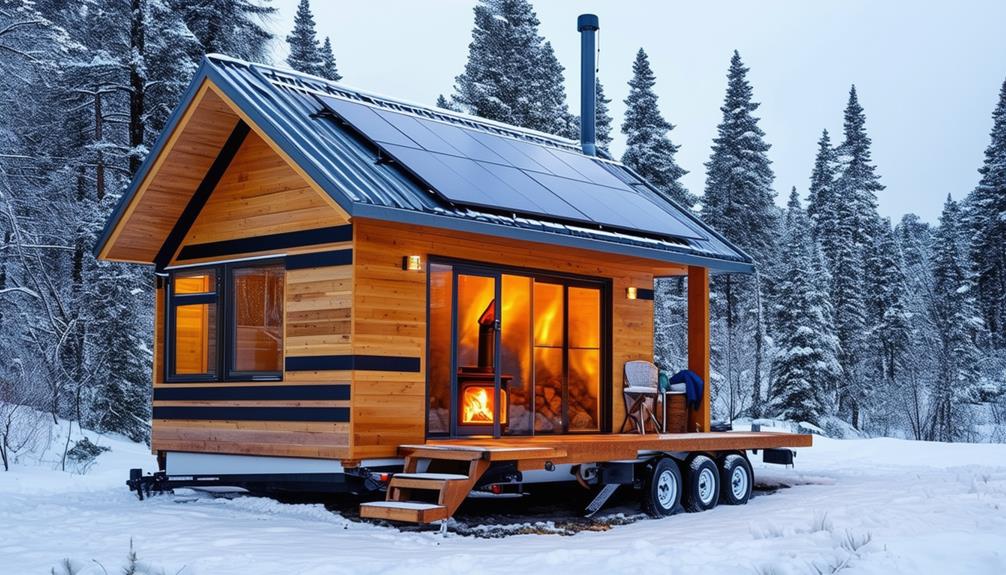
Maintaining your tiny home's heating system is crucial for both comfort and sustainability in cold climates. Regular upkeep extends the life of your heating systems and helps prevent unexpected breakdowns during harsh winter months. Annual maintenance costs can range from $100 to $500, depending on the type of system and its usage. Staying on top of maintenance ensures your tiny house remains cozy and efficient.
To enhance sustainability, consider investing in high-quality insulation materials and energy-efficient heating systems. Effective insulation and heating can lead to significant long-term savings, with potential ROI ranging from 20% to 50% over several years. Here are some key maintenance tips:
- Inspect regularly: Periodically check your heating systems and insulation materials for wear and tear.
- Clean and service: Keep your heating systems clean and service them annually to ensure optimal performance.
- DIY projects: Consider DIY insulation and heating system installation to save up to 50% in labor costs.
Cold Climate Preparation
To stay warm in your tiny home during winter, focus on effective insulation and efficient heating systems. Additionally, winterize your home by skirting the trailer and using tire covers to protect against extreme cold.
Effective Insulation Strategies
Insulating your tiny home effectively is crucial for maintaining warmth and energy efficiency in cold climates. Begin by addressing the floor, a common source of heat loss. Utilize rigid foam insulation to achieve an R-value of R-18, ensuring your floor retains heat and your heating system operates efficiently.
Next, focus on the walls and roof. Rigid foam insulation is also highly effective in these areas. By maintaining a consistent R-value throughout your tiny home's structure, you can significantly reduce heat loss and enhance energy efficiency. This approach ensures a cozy living space even in extremely cold conditions.
Consider these additional strategies to further improve your insulation:
- Skirt your trailer: This helps protect the underbelly of your tiny home from cold drafts, maintaining a stable internal temperature.
- Use tire covers: These can reduce drafts, preventing cold air from seeping in at ground level.
- Ensure proper ventilation: Clear vents are crucial for air quality and moisture control, preventing issues like mold.
Learning from successful examples, such as Mark Wipfli's Alaskan Tiny Home, can provide valuable insights. By adopting these insulation strategies, you'll be well-prepared to live comfortably in cold climates.
Efficient Heating Systems
Choosing the right heating system for your small home is essential for maintaining warmth and comfort during harsh winter months. Efficient heating systems not only ensure comfort but also manage energy consumption effectively.
Wood Stoves: Popular in colder regions, wood stoves offer both efficiency and a pleasant ambiance. They provide consistent warmth and can double as a cooking surface, making them a versatile option.
Propane Heaters: For easy installation and modern efficiency, propane heaters are an excellent choice. They quickly heat small spaces and require minimal maintenance. However, adequate ventilation is crucial to avoid safety hazards.
Electric Heaters: Ideal if you have reliable electricity, electric heaters are easy to install and operate. However, they can become costly if used continuously over long periods.
Radiant Floor Heating: For a more innovative approach, consider radiant floor heating. This system offers uniform warmth and can be highly efficient when combined with proper insulation.
Solar Heating: An eco-friendly alternative, solar heating has a higher initial setup cost but offers significant long-term savings and environmental benefits.
Each of these heating systems has its own advantages and disadvantages, so choose the one that best fits your needs and lifestyle.
Winterizing Essentials
After choosing the ideal heating system, it's time to focus on winterizing essentials to ensure your tiny home remains warm and efficient during the cold months. Proper winterization involves several critical steps to protect your home from freezing temperatures and maintain your comfort.
Start with proper insulation. Using dense foam with an R-value of R-18 is crucial. This high level of insulation will help retain heat and keep your home snug. Additionally, insulating windows with solar shades or heavy drapes improves energy efficiency, minimizing heat loss.
Next, consider enclosing your Tiny House RV. This will help retain heat and protect the underside of your home, especially in extreme cold. Enclosure prevents cold air from penetrating and causing issues with your plumbing and flooring.
To maintain a consistent water supply, use heated hoses and tire covers. These prevent freezing and ensure your water lines remain functional. Additionally, protect your propane tanks with blankets and keep holding tanks below the permafrost line to avoid freezing problems.
- Insulate with dense foam: Use an R-value of R-18 for optimal warmth.
- Enclose your Tiny House RV: Retain heat and protect the underside from extreme cold.
- Use heated hoses: Prevent freezing and ensure a steady water supply.
Water and Propane Management
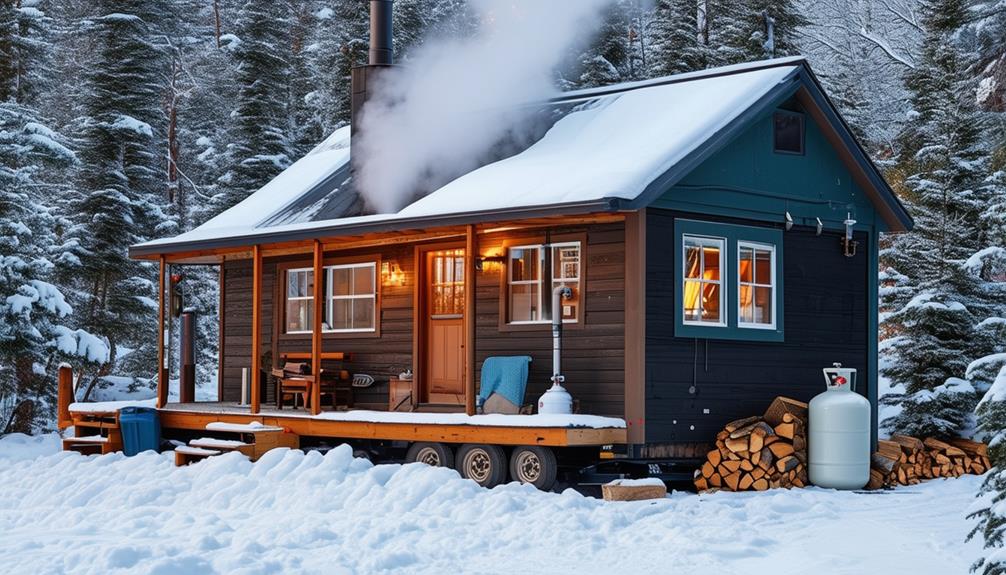
To maintain your tiny home in cold climates, efficient management of water and propane is crucial. Use heated hoses and propane blankets to prevent pipes from freezing. Insulate water tanks and consult manufacturers for best practices in cold weather to avoid potential issues.
Preventing Freezing Pipes
Ensuring your water pipes and propane tanks don't freeze is crucial for maintaining a functional and comfortable tiny home in cold climates. To prevent freezing, proactive insulation and effective management of your propane system are essential. Here are some practical tips:
- Insulate water pipes: Use heated hoses or heat tape to prevent your pipes from freezing. These tools provide a steady source of warmth, ensuring that water keeps flowing even in the coldest weather.
- Use propane tank blankets: Wrap your propane tanks in specialized blankets to prevent freezing and maintain efficiency. These blankets trap heat and protect your tanks from extreme temperatures, ensuring your heating system works smoothly.
- Monitor propane lines: Regularly check your propane lines for signs of freezing. Frozen lines can disrupt your heating system, making your tiny home uncomfortable and potentially leading to costly repairs.
Efficient Propane Usage
In cold climates, managing your propane usage efficiently is essential for maintaining a warm and cost-effective tiny home. Start by insulating your propane tanks with propane blankets, which range from $80 to $400 depending on your climate. These blankets provide vital insulation, preventing your propane tanks from freezing and ensuring a consistent fuel supply for heating.
Additionally, use heated hoses or electrically heated tape to prevent your drinking water hoses from freezing. Frozen water lines can disrupt your water supply and cause costly damage. Thoroughly insulate both your propane tanks and water hoses to maintain efficient operation in cold weather.
Failure to properly shield your propane tanks can result in frozen lines, leading to expensive repairs and heating system disruptions. Proactively managing your propane and water systems helps prevent these issues. Invest in quality insulation, and regularly check your propane blankets and heated hoses to ensure they are functioning correctly. This way, you'll maintain a warm and comfortable home even in the harshest winter conditions.