Tiny Home Living for Minimalists: Embrace Simplicity
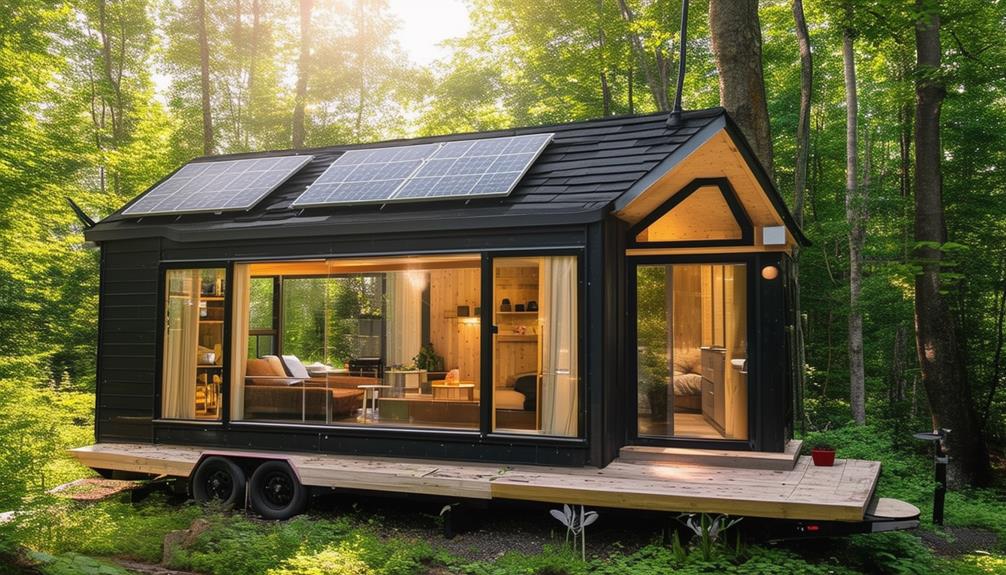
Imagine simplifying your life by downsizing to a tiny home, eliminating clutter, and focusing on what truly matters. Tiny home living for minimalists isn't just about reducing space; it's about creating a lifestyle that prioritizes experiences over possessions. Multi-functional furniture and innovative storage solutions make your living space both practical and efficient. This lifestyle cuts down on expenses and fosters a deeper appreciation for essentials, enhancing mental clarity and holistic well-being. Curious about how such simplicity can transform your life? Discover the enriching journey of minimalist living.
Psychological Impact
Downsizing to a tiny home often brings emotional challenges, such as attachment to possessions and fear of regret. Letting go of items accumulated over the years can be difficult, complicating the decluttering process and hindering the embrace of a minimalist lifestyle. Resistance to change is another psychological barrier; it's natural to worry about missing the comfort of a larger home or regretting the decision to downsize.
However, a clutter-free environment can provide mental clarity. Prioritizing experiences over possessions can enhance overall happiness and well-being. Imagine spending more time outdoors or engaging in activities you enjoy, rather than maintaining a space filled with unnecessary items. This shift aligns your living environment with personal values, leading to a stronger sense of contentment.
Adopting a minimalist lifestyle is not just about owning fewer things; it's about creating a space that reflects what truly matters to you. By focusing on experiences and aligning your home with your values, tiny home living can be incredibly fulfilling.
Coping With Limited Space
Living in a tiny home requires smart space management. Opt for multi-functional furniture like convertible sofas and storage beds to maximize utility. Employ creative storage solutions such as vertical racks and floating shelves to maintain an organized and spacious environment.
Multi-Functional Furniture Options
In a tiny home, versatile furniture like sofa beds and storage ottomans optimize your space by serving multiple purposes, essential for a space-efficient lifestyle. Imagine a tiny house where smart storage solutions and vertical spaces come together to create an environment that's both practical and visually appealing.
Consider these versatile furniture options:
- Sofa Beds: Ideal for transforming your living room into a bedroom at night, maximizing limited floor space.
- Storage Ottomans: Serve as seating or footrests while providing hidden storage for blankets, books, or other necessities.
- Murphy Beds: Fold up into the wall when not in use, freeing up valuable living space during the day.
- Folding Tables: Can be tucked away when not needed, ensuring you have room to move around.
These space-efficient solutions not only maximize functionality but also enhance the aesthetic appeal of your tiny house. Incorporating vertical spaces with wall-mounted shelves or hanging baskets keeps your living area clutter-free and stylish. Adopt these intelligent storage solutions to create a harmonious and efficient living space in your tiny home.
Creative Storage Solutions
Maximizing limited space in a small dwelling requires multifunctional furniture and innovative storage solutions to make every corner count. In compact living, adopting minimalism and thinking creatively can keep your areas organized and efficient. Vertical storage solutions, such as installing hooks and floating shelves, utilize wall space and free up valuable floor area.
Multipurpose furniture is essential. Choose beds with built-in drawers or coffee tables with concealed compartments to store items without compromising style or space. Under-bed storage bins are highly effective, and utilizing ceiling space for hanging pots and pans can free up kitchen cabinets.
Even the smallest nooks can be transformed into functional storage areas. Consider adding pull-out drawers under stairs or using over-the-door organizers for shoes and accessories. These innovative storage solutions ensure efficient space utilization, making your small home feel more spacious and welcoming.
Environmental Benefits
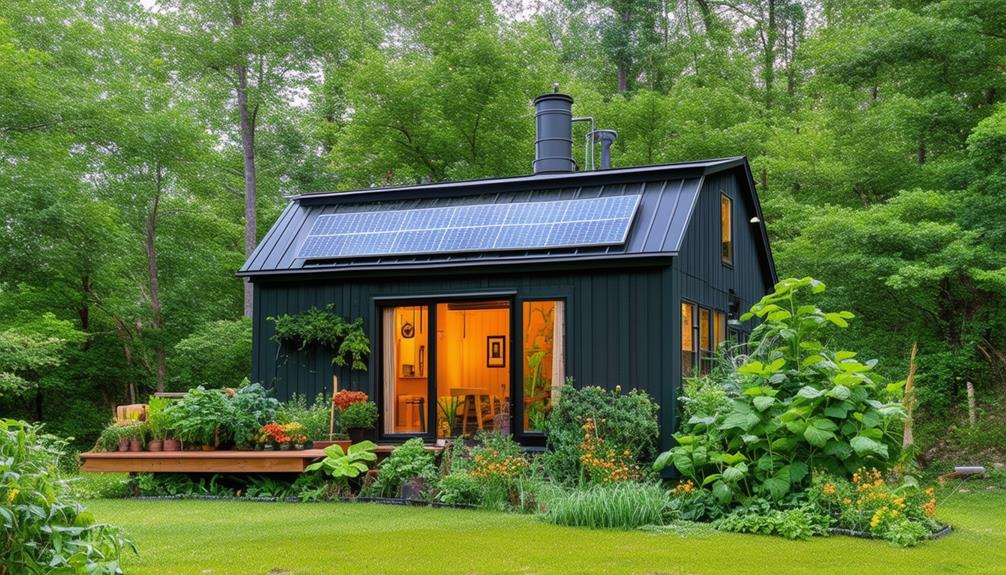
Choosing to live in a tiny home significantly reduces your energy consumption due to the smaller space. Many tiny homes use sustainable materials, enhancing both eco-friendliness and durability. By embracing this lifestyle, you are actively contributing to a more sustainable planet.
Reduced Energy Consumption
Tiny homes can reduce energy consumption by up to 75%, making them an excellent choice for eco-friendly living. By opting for a tiny home, you're not just saving space; you're also committing to a sustainable lifestyle. These homes are equipped with energy-efficient features that significantly lower both energy use and environmental impact.
Here's how tiny homes achieve this:
- Solar Panels: Many tiny homes are equipped with solar panels, which harness solar energy to provide clean, renewable power.
- LED Lighting: Energy-efficient LED lights consume less electricity while providing sufficient illumination.
- High-Quality Insulation: Effective insulation keeps the home warm in winter and cool in summer, reducing the need for heating and cooling.
- Small Appliances: Compact, energy-efficient appliances use less power, further decreasing energy consumption.
Sustainable Building Materials
Choosing sustainable building materials for your tiny home reduces environmental impact and aligns with eco-friendly living principles. By minimizing resource consumption, you contribute to a healthier planet. Recycled materials like reclaimed wood and metal are ideal for eco-friendly construction, repurposing old resources while reducing waste.
Energy-efficient materials, such as Structural Insulated Panels (SIPs), significantly improve insulation, helping you save on energy costs and reducing your carbon footprint. These panels maintain a comfortable indoor temperature year-round, ensuring your tiny home is both cozy and environmentally responsible.
Non-toxic materials are crucial for a healthy indoor environment. Opt for low-VOC paints and finishes to ensure the air inside your tiny home remains fresh and free from harmful chemicals.
Additionally, sustainable options like bamboo flooring and cork insulation are not only eco-friendly but also durable and stylish. These materials embody the minimalist ethos, offering simplicity without compromising functionality or aesthetics.
Navigating Zoning Laws
Mastering local zoning laws is crucial for anyone planning to legally place a tiny home. These laws dictate permissible locations and may impose strict building code requirements. To avoid fines or forced relocation, understanding these regulations is essential.
Follow these steps for a smoother experience:
- Research Local Zoning Laws: Start by investigating the specific zoning laws in your area, as they vary widely by region and can significantly affect where you can place your tiny home.
- Consult Local Officials: Engage with local officials and zoning boards. They can offer valuable insights and guidance to help you navigate complex regulations.
- Identify Tiny Home-Friendly Areas: Some municipalities have embraced tiny homes, creating designated zones or permitting backyard placements. Seek out communities that have adjusted their zoning laws to accommodate tiny homes.
- Ensure Compliance: Always confirm that your tiny home adheres to local building codes and regulations, covering aspects such as structural integrity and utility connections.
Overcoming Social Stigma
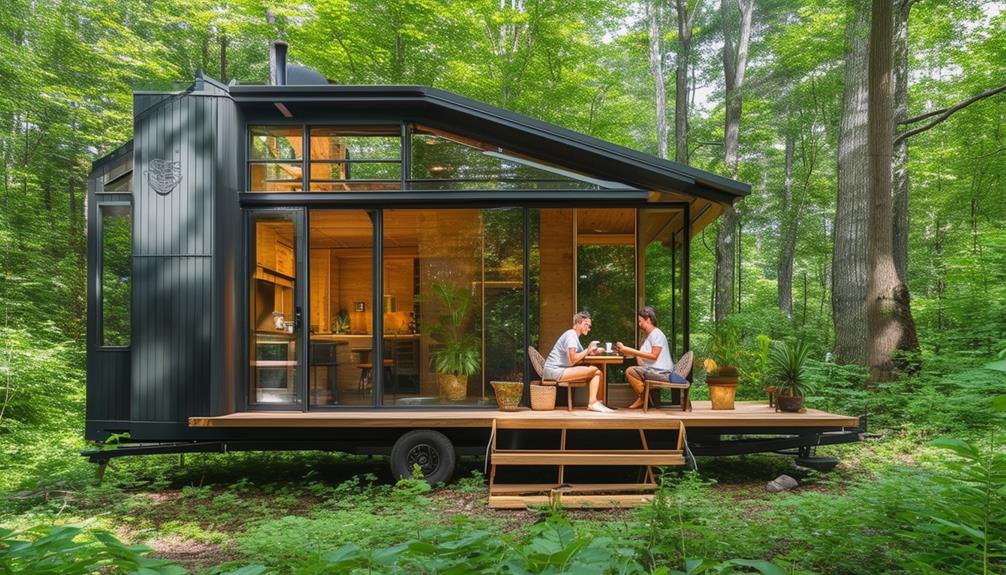
Navigating zoning laws ensures legal placement, but overcoming social stigma about tiny home living challenges perceptions and opens up new possibilities. Embracing simplicity often means confronting societal norms that equate larger homes with success. People might judge you for choosing a smaller footprint, assuming it reflects a lower status. However, your commitment to intentional living and sustainability can turn doubt into admiration.
Tiny homes are not just about downsizing; they showcase inventive design that optimizes every inch of space. When people see how these homes defy traditional norms with clever solutions, their perceptions start to change. The community of tiny home enthusiasts is growing, offering support and camaraderie. You'll find like-minded individuals who share your values, making it easier to navigate any social stigma you face.
Living in a tiny home encourages you to prioritize experiences over material possessions. This shift can inspire others to rethink their own lifestyles. As you adopt minimalism, you challenge societal expectations and demonstrate that a fulfilling life doesn't require excess. Overcoming social stigma isn't just about defending your choices; it's about opening minds to new ways of living that prioritize sustainability and intentionality.
Enhancing Relationships
Living in a tiny home fosters stronger relationships by promoting quality time and shared experiences with loved ones. The simplified lifestyle reduces distractions, allowing you to focus on what truly matters—your relationships. Close living conditions naturally necessitate good communication skills, leading to improved interactions and deeper connections. You will find that your time together becomes more meaningful and deliberate.
To illustrate further, here are four ways tiny home living enriches relationships:
- Quality Time: With fewer possessions and distractions, you'll engage more in meaningful conversations and activities.
- Shared Experiences: The intimate space encourages joint projects and adventures, creating lasting memories.
- Enhanced Communication Skills: Living in close quarters requires clear and effective communication, strengthening your bond.
- Deeper Connections: The simplified lifestyle allows for more focused and intentional interactions, nurturing a sense of closeness.
Additionally, the financial freedom from reduced living expenses in a tiny home enables you to invest more in your relationships. Whether it's a small vacation or a simple dinner outing, these shared experiences enhance your overall well-being. Embracing tiny home living means prioritizing relationships and fostering deeper connections in your life.
Achieving Financial Freedom
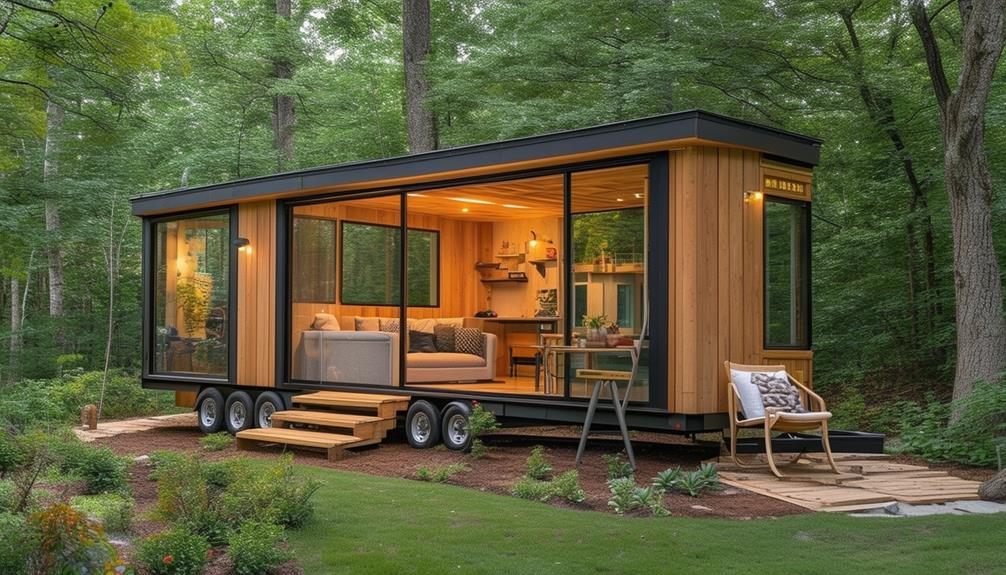
Furthermore, by improving relationships, tiny home living significantly enhances your financial freedom by reducing mortgage or rent expenses. Downsizing your living space notably decreases your living costs, freeing up funds that can be better spent on personal growth and experiences. Embracing a minimalist lifestyle provides financial flexibility, allowing you to live life on your own terms.
In a tiny home, the cost of utilities, maintenance, and property taxes decreases significantly, further alleviating financial burdens. This newfound financial freedom can be life-changing, offering opportunities to invest in your passions and hobbies. Minimalist living isn't just about reducing clutter; it's about making space for what truly matters.
Downsizing to a tiny house means you're no longer tied to a hefty mortgage or excessive rent, granting you a sense of liberation and control over your finances. This minimalist lifestyle empowers you to prioritize experiences over possessions, leading to a more fulfilling and enriched life. Ultimately, tiny home living provides an effective pathway to achieving financial freedom, enabling you to focus on what brings you joy and personal growth.
Design Efficiency
Design efficiency in tiny homes centers on optimizing every inch through innovative solutions and smart use of space. Given the limited square footage, maximizing space efficiency is vital. Here's how to achieve it:
- Multifunctional Furniture: Choose pieces that serve multiple functions, such as a sofa that converts into a bed or a dining table that doubles as a workspace. This approach saves space while preserving functionality.
- Lofted Sleeping Areas: Elevate your bed to create additional living space underneath. This not only provides more room but also establishes a cozy, private sleeping area.
- Convertible Living Spaces: Design adaptable areas that can change based on your needs. For instance, a foldable desk or a retractable kitchen counter can quickly transform a small room into a versatile living space.
- Clever Storage Solutions: Maximize storage by utilizing every available space. Install shelves above doorways, use under-bed storage, and invest in furniture with built-in compartments.