Tiny Home Living for Digital Nomads: Work and Travel
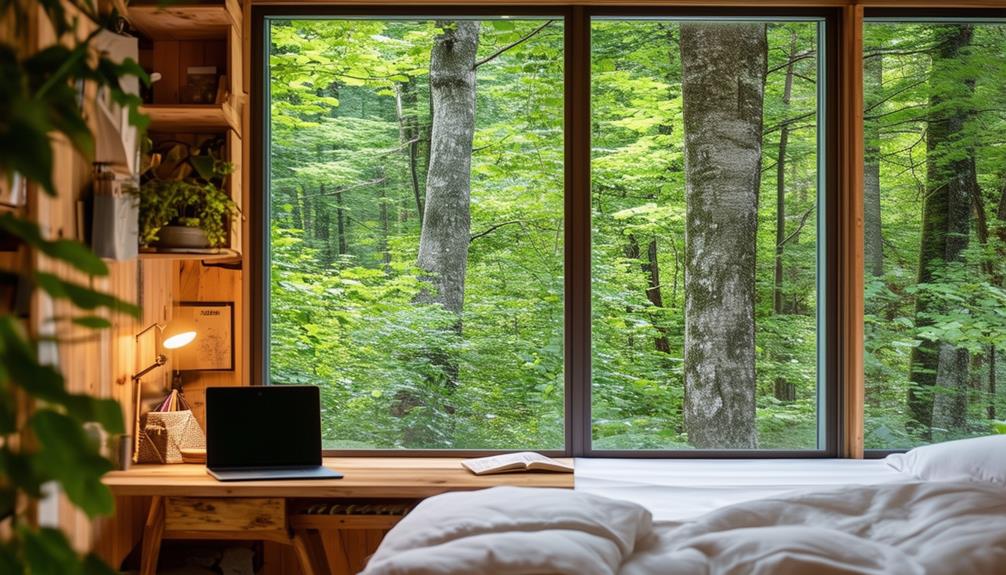
Living in a tiny home as a digital nomad offers a unique mix of flexibility and stability. Customizing a school bus or a tiny house enables you to create an efficient mobile office that meets your specific needs. Owning land can add the benefits of cost-effective living and a stable base of operations. Sustainability features like solar power and reliable internet connectivity are essential for maintaining productivity while traveling. However, balancing the freedom of the open road with zoning laws and regulations can be challenging.
Nomadic Lifestyle and Land Ownership
Purchasing land provides digital nomads with a stable home base without compromising their mobile lifestyle. Owning land offers a reliable spot to park your tiny home, creating a cost-effective living solution. For instance, Benny acquired 2.5 acres with utilities for just $21,000. This investment not only offers a permanent address but also a sense of security during uncertain times.
Having your own land means you can return whenever you need a break from the road, offering stability in an otherwise fluid lifestyle. It provides a sense of ownership and permanence, essential for balancing the unpredictability of nomadic living. With your own land, you're not constantly searching for the next place to park or stay, which can be both time-consuming and stressful.
Moreover, land ownership can be financially advantageous. Instead of paying for campsites or temporary rentals, you have a long-term investment that can appreciate over time. This ensures that your living expenses remain predictable and manageable, allowing you to focus more on your travels and work.
Choosing and Converting Your Vehicle
When choosing a vehicle for your tiny home, school buses are a popular option due to their generous space, robust construction, and cost-effectiveness. However, converting a school bus can range from $10,000 to $30,000. It is essential to review maintenance records before purchasing to ensure the bus is in good condition. Typically spanning 35 to 45 feet in length, these buses offer a spacious and customizable interior suitable for both living and working.
School Bus Advantages
Converting a school bus into a tiny home offers unmatched durability and a spacious interior, making it an excellent choice for digital nomads. Built to last, school buses provide a solid foundation for a mobile lifestyle. Their robust construction withstands the wear and tear of constant travel, ensuring your tiny home remains secure and reliable.
Purchasing a school bus is also cost-effective. Those familiar with school systems can find buses at reasonable prices. This affordability, combined with customization potential, makes school buses popular among digital nomads. You'll have the freedom to create a living space tailored to your needs, with features like raised roofs and dependable Cummins 8-3 engines. The spacious interior allows for creative layouts, offering ample room for a work setup and personal comforts.
Before starting a conversion project, obtain the bus's maintenance records to ensure reliability and longevity. Choosing a school bus means investing in a sturdy, adaptable home on wheels that supports your work and travel adventures.
Maintenance Cost Considerations
When converting a vehicle into a tiny home, taking maintenance costs into account is essential. For a school bus conversion, the initial investment ranges from $10,000 to $30,000, depending on the level of customization and materials used. However, it's important to consider ongoing maintenance costs as well.
Annually, maintaining a converted school bus can cost between $1,000 and $3,000. Regular maintenance tasks include engine tune-ups, brake system checks, and electrical system inspections. These are crucial for ensuring your mobile home operates safely and efficiently.
To reduce future maintenance expenses, invest in proper insulation, ventilation, and plumbing during the conversion. Quality insulation, for instance, helps the bus endure various weather conditions, minimizing wear and tear.
While a school bus offers more living space compared to vans or RVs, it also comes with additional responsibilities. By keeping up with regular maintenance, you can enjoy the perks of tiny home living without unexpected costs disrupting your journey.
Benefits and Challenges of Tiny Homes
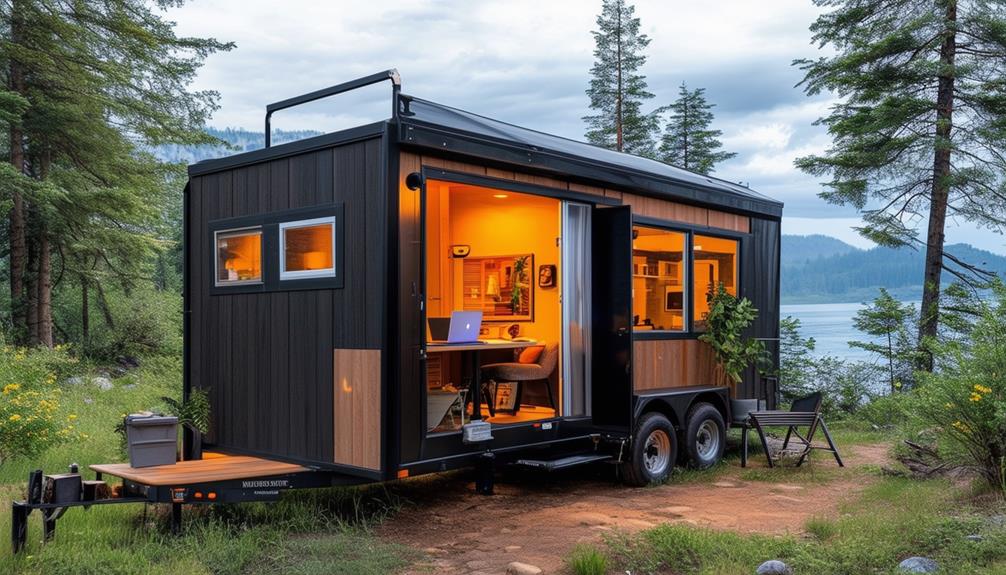
Tiny homes provide an eco-friendly lifestyle and reduced living expenses, but they also come with unique challenges like limited storage and complex zoning regulations. Living in tiny home communities can offer support from like-minded individuals and shared resources, enhancing the sustainability and enjoyment of the experience. However, these communities often have specific rules and criteria that can either simplify or complicate your tiny living journey.
Here's a quick comparison of the advantages and challenges you might face:
| Advantages | Challenges |
|---|---|
| Reduced environmental impact | Limited storage capacity |
| Lower utility expenses | Complex zoning regulations |
| Customizable DIY construction | Varies by tiny home communities |
| Diverse designs to suit preferences | Legal feasibility varies by location |
| Supportive tiny home communities | Lifestyle adjustments may be needed |
The reduced environmental impact and lower utility costs make tiny homes appealing, especially if you're committed to sustainable living. Customizable DIY options allow you to tailor your tiny home to your specific needs, potentially saving money. However, you must be prepared for challenges like limited storage space and navigating zoning laws that differ by location. Balancing these advantages and disadvantages is crucial to making tiny home living viable for you as a digital nomad.
Sustainable Living With Solar Power
Harnessing solar power can significantly enhance the sustainability of your tiny home lifestyle. By integrating solar-powered systems, you can achieve energy efficiency while reducing your carbon footprint. Utilizing components like Victron inverters and Battleborn batteries will ensure your setup is both reliable and long-lasting.
To optimize your solar-powered system, consider the following strategies:
- Optimize Energy Consumption: Adjust your energy usage based on seasonal variations. During sunnier months, you can rely more on solar power, while conserving energy during cloudy periods.
- Select Quality Components: Investing in high-quality components like Victron inverters and Battleborn lithium batteries can increase efficiency and longevity, making your system more cost-effective over time.
- Monitor Market Trends: Keep an eye on trends in lithium battery technology. Advancements can lead to better cost savings and improved energy storage solutions.
Installing a solar system for your tiny home isn't just about sustainability; it's also practical. The initial cost can vary based on the components you choose and installation requirements, but the long-term benefits often outweigh the upfront expenses. By adopting these practices, you'll not only live more sustainably but also more economically.
Reliable Connectivity for Remote Work
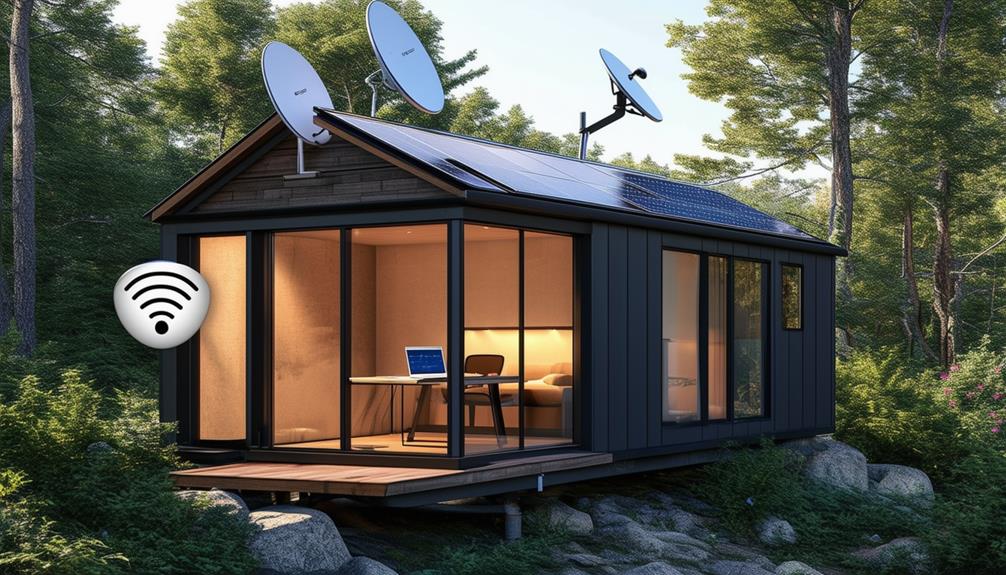
Ensuring dependable connectivity is crucial for remote work success in your compact home. As a digital nomad, you understand that reliable internet is not just a luxury but a necessity. Whether you're attending virtual meetings or uploading large files, a robust internet connection is paramount.
Wi-Fi amplifiers can significantly improve your connectivity, ensuring stable internet even in a small home. For those in remote locations, solutions like Starlink provide high-speed internet access, making it easier to maintain work commitments. Reliable connectivity allows you to seamlessly blend work and travel, enjoying the freedom of a nomadic lifestyle without compromising your professional responsibilities.
Here's a look at the emotional impact of maintaining reliable connectivity:
| Emotion | Solution |
|---|---|
| Frustration | Wi-Fi Amplifiers |
| Relief | Starlink |
| Confidence | Reliable Internet |
The need for reliable connectivity drives technological advancements, meeting the unique needs of small home communities. When selecting a location for your small home, access to dependable internet becomes a key factor, ensuring you can keep up with work demands and fully enjoy your digital nomad lifestyle.
Navigating Zoning Laws and Regulations
Understanding zoning laws and regulations is crucial when setting up your tiny home. You'll need to ensure zoning compliance, address permitting challenges, and identify legally permissible locations for your home. Collaborating with local officials can help you navigate these requirements and ensure your tiny home seamlessly integrates into the community.
Zoning Compliance Essentials
Understanding zoning laws and regulations is crucial for digital nomads to ensure their tiny home lifestyle is both legal and sustainable. Navigating zoning compliance can be complex, as regulations vary by location and impact where you can park or build your tiny home. To avoid fines or legal issues, it's essential to understand and adhere to local zoning laws.
Here are three key steps to ensure zoning compliance:
- Research Local Zoning Codes: Investigate the zoning laws in the areas you plan to live or travel. Some regions have specific codes for tiny homes, while others may not, requiring innovative solutions or waivers.
- Understand Zoning Restrictions: Zoning laws can dictate various aspects such as the size, location, and permanency of tiny homes. Ensure your tiny home complies with these parameters to avoid complications.
- Engage with Local Authorities: Establish relationships with local zoning officials to better comprehend requirements and obtain necessary approvals. They can provide valuable insights and help you navigate any unclear areas.
Permitting Challenges
Navigating the permitting challenges for tiny homes can be daunting due to the varied and intricate zoning laws across different regions. Thoroughly researching local restrictions is crucial before establishing your tiny home. Zoning codes may not always accommodate this type of dwelling, complicating the process of securing permits for parking or habitation.
Some jurisdictions enforce specific regulations for tiny homes, such as minimum square footage requirements or limitations on parking locations. These rules add complexity to the permitting process. To manage these challenges, you will often need to collaborate closely with local government offices, secure the necessary documentation, and potentially seek variances or special permits.
Understanding the details of local zoning laws is essential to avoid fines, penalties, or forced relocation. Ensuring compliance through diligent research and proactive engagement with local authorities will help you sidestep unexpected issues. By investing time upfront to comprehend these regulations, you can successfully overcome permitting hurdles and enjoy the benefits of tiny home living as a digital nomad. Your initial effort in understanding these rules will save you from future headaches.
Legal Tiny Home Locations
Finding legal locations for your tiny home requires a thorough understanding of zoning laws and regulations, which can vary significantly by location. These laws impact where you can park or build your tiny home, and non-compliance can lead to legal repercussions.
To navigate this complex landscape, follow these steps:
- Research Local Zoning Laws: Investigate the specific ordinances in the city or county you're interested in. Some jurisdictions have requirements related to minimum square footage, foundation types, and utility connections. Ensure your tiny home meets these standards.
- Consult State Regulations: Certain states, like California and Colorado, have laws that accommodate tiny homes, including provisions for Accessory Dwelling Units (ADUs) or tiny home villages. Understanding these state-level regulations can simplify the process.
- Join a Tiny Home Community: These communities often have extensive knowledge of local laws and can provide guidance on legal parking or building spots.
Local research is crucial, as violating zoning laws can result in fines, eviction, or other legal issues. By joining a tiny home community or consulting with zoning professionals, you can better navigate these regulations and secure a legal location for your tiny home.