Tiny Home Living for Adventure Seekers: Mobile and Modular Options
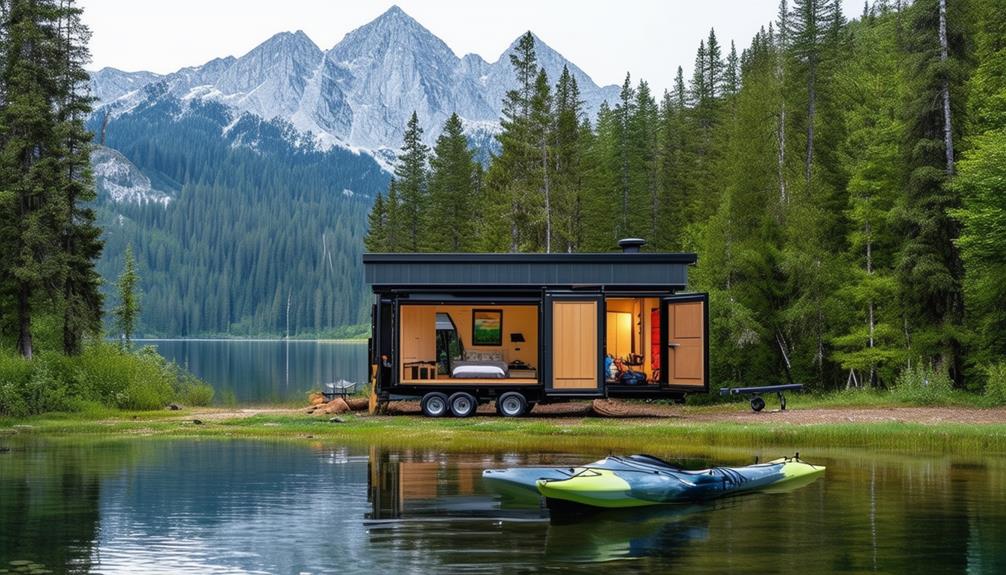
Imagine a lifestyle that seamlessly blends freedom and comfort within a compact, efficient living space. Tiny home living offers two compelling options for adventure seekers: mobile and modular homes. With a mobile tiny home, you can transport your personalized, self-sufficient sanctuary wherever your journey takes you, making it ideal for those who thrive on constant exploration. On the other hand, modular tiny homes offer sturdy, customizable structures designed to meet specific lifestyle needs, ensuring high-quality living whether you're in the city or the wilderness. Curious about how these choices can enhance your adventurous life? Let's delve into the unique benefits and challenges of each type.
Benefits of Tiny Home Living
Embracing tiny home living offers adventure seekers the freedom to travel without being anchored to a permanent residence. Imagine having a cozy living room in your tiny home where you can unwind after a day full of outdoor activities. This minimalist lifestyle reduces the need for excess belongings, allowing you to focus more on experiences and less on material possessions.
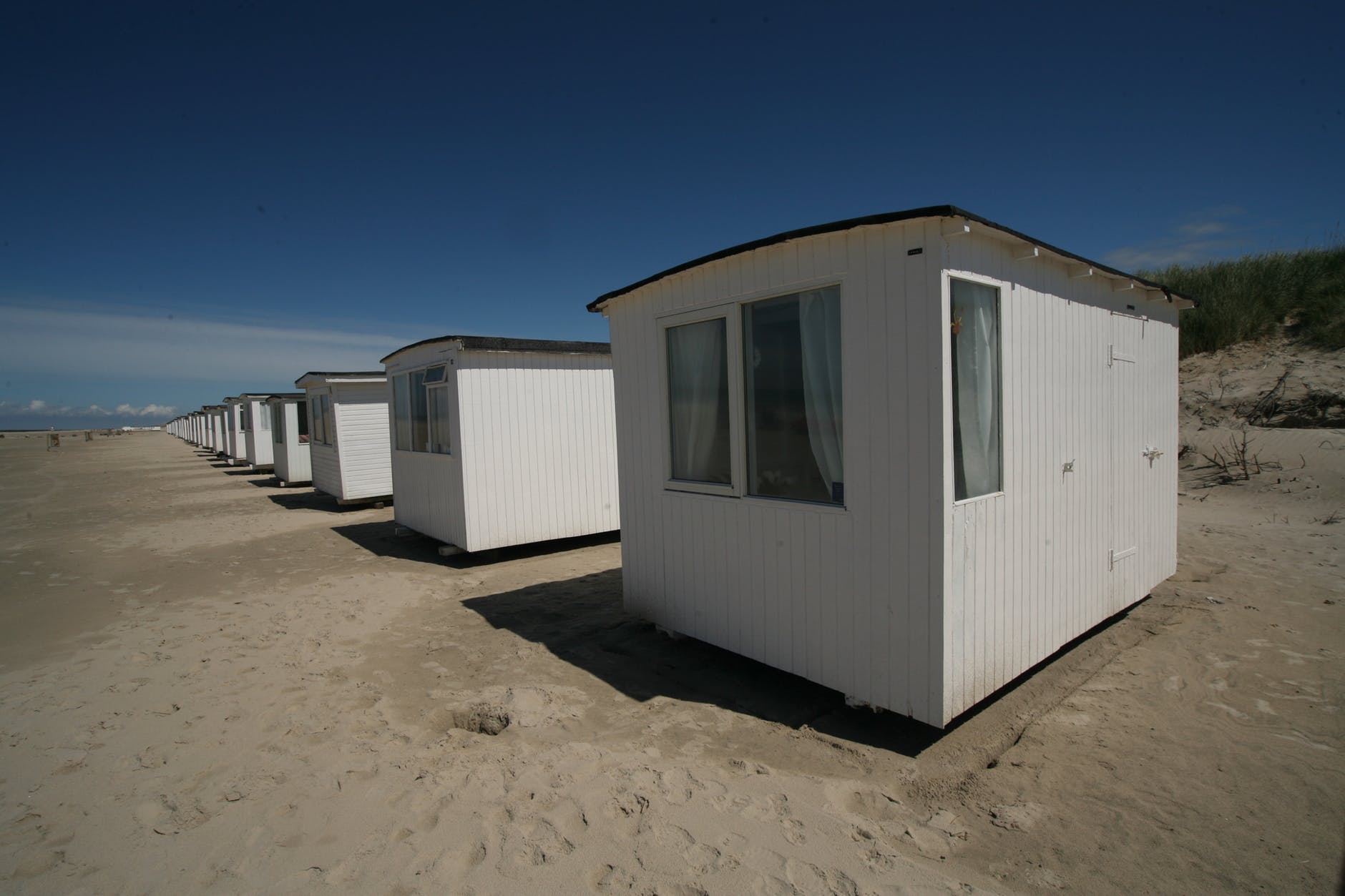
The compact size of a tiny home is ideal for those who want to downsize while still enjoying modern amenities. You can customize your tiny home to include all the necessary items, creating a perfect blend of comfort and practicality. Whether you're situated in the mountains, by the beach, or in the forest, your tiny home's living room can provide a warm and inviting space to relax.
Additionally, a minimalist lifestyle encourages more sustainable living. With fewer possessions, adopting eco-friendly practices becomes easier. Your tiny home can even be outfitted with off-grid capabilities, allowing you to live off the beaten path. This way, you can enjoy unparalleled flexibility and freedom, making every new location your personal haven. Tiny home living offers a unique and enriching way to explore the world.
Mobile Tiny Homes
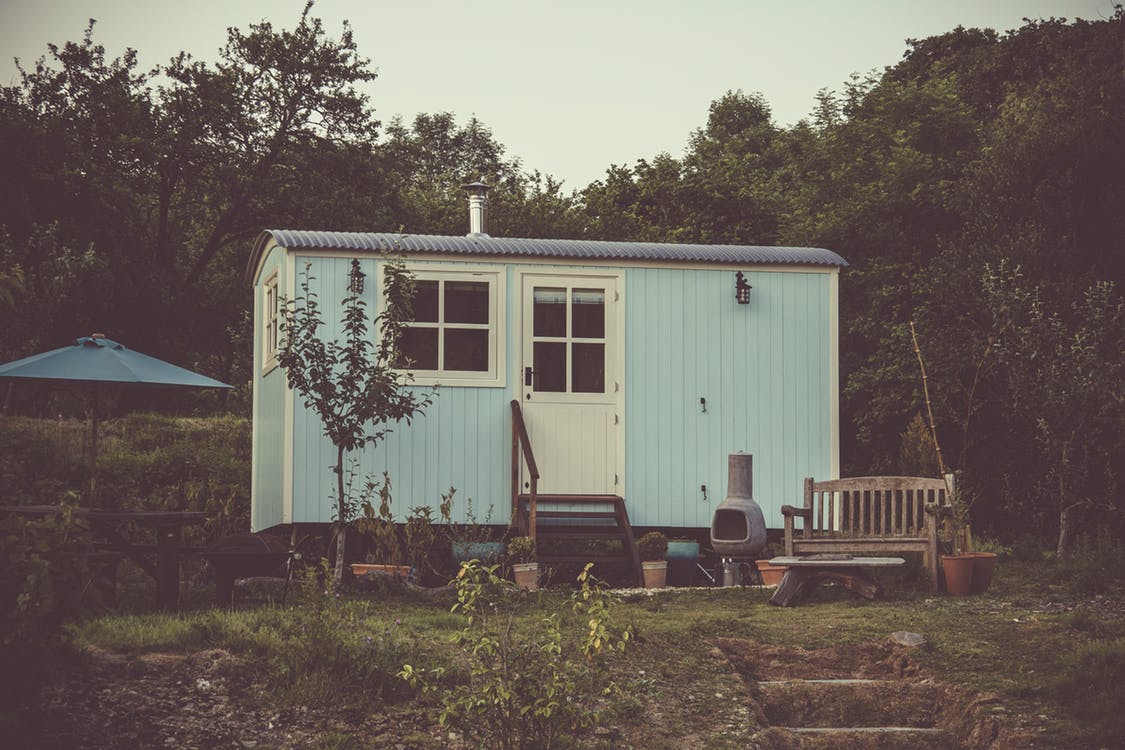
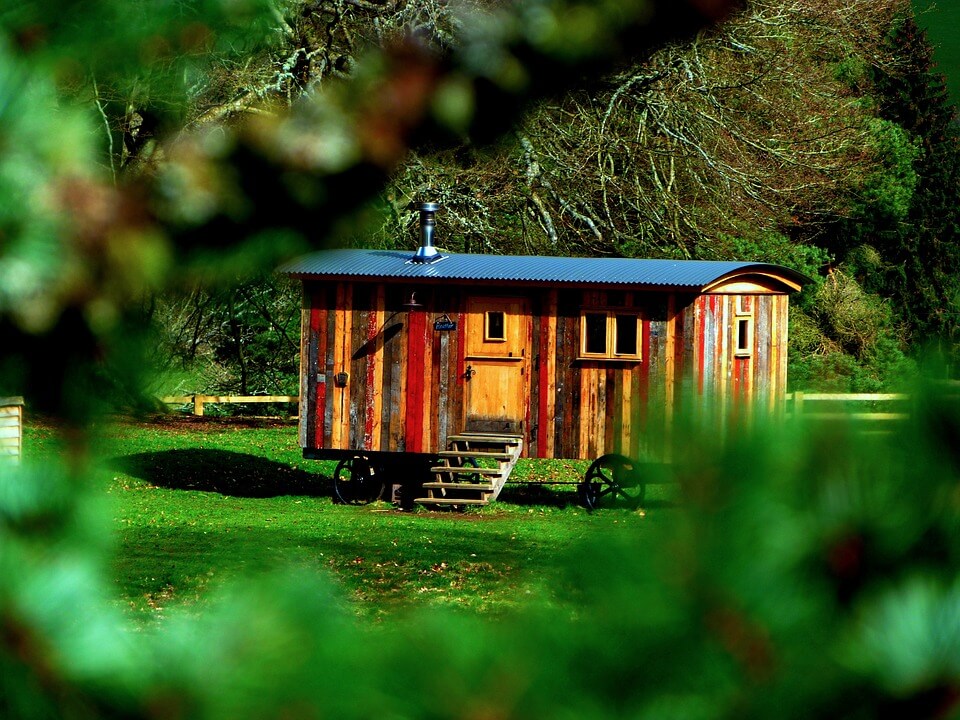
Mobile tiny homes elevate minimalist living by offering a customizable, mobile space that you can take anywhere. Built on trailers, these tiny houses make relocation easy, granting you the flexibility to explore new places without the need for a permanent address. Imagine waking up in a different scenic location each week while still enjoying the comforts of home.
A key feature of mobile tiny homes is their fully functional kitchen. Despite the compact size, these kitchens are well-equipped, enabling you to prepare your favorite meals wherever you are. With full-sized appliances and ample storage, a functional kitchen ensures your tiny house truly feels like home.
Designed with lightweight materials and aerodynamic shapes, mobile tiny homes are efficient to tow, making your travels smoother and more fuel-efficient. Additionally, you can equip your tiny house with off-grid capabilities, such as solar panels and water storage, ensuring self-sufficiency during your journeys. For those seeking a nomadic lifestyle without sacrificing modern conveniences, mobile tiny homes offer an ideal blend of freedom and comfort.
Modular Tiny Homes
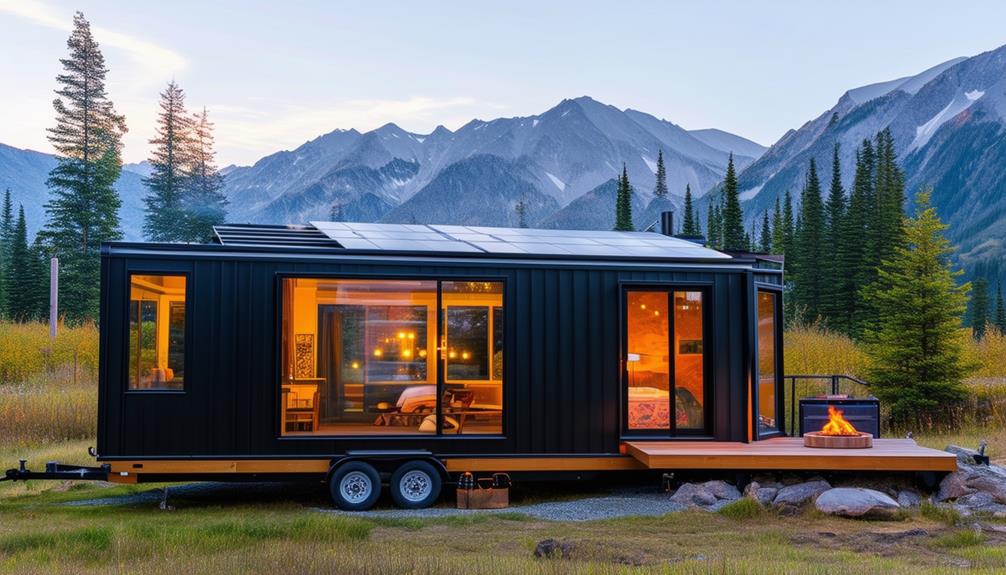
Modular tiny homes offer thrill-seekers the perfect combination of mobility and customization. These prefabricated structures are built in factory settings, ensuring high-quality construction and significantly reducing building time. Built with precision, they feature durable materials that can withstand the demands of travel and relocation.
One of the standout features of modular tiny homes is their flexibility. Whether you prefer a minimalist design or need a layout tailored to your specific lifestyle, these homes come in various sizes and designs to fit your needs. You can personalize your space to reflect your adventurous spirit, making your tiny home uniquely yours.
The modular construction process is also eco-friendly. By minimizing waste and reducing environmental impact, these homes offer a sustainable living solution. Prefabricated structures are designed for easy transportation and on-site assembly, allowing you to relocate your home whenever you desire a change of scenery. This mobility makes modular tiny homes ideal for a nomadic lifestyle, enabling you to explore new places without sacrificing comfort and customization.
Energy Efficiency
To enhance energy efficiency in tiny homes, you can significantly reduce your environmental footprint by incorporating sustainable building practices such as using Structural Insulated Panels (SIPs) and passive solar design. Smart technology can further optimize your home's efficiency by allowing real-time monitoring and management of energy usage. These features not only make your tiny home more eco-friendly but also help in lowering utility costs.
Sustainable Building Practices
Sustainable building practices in tiny home living focus on maximizing energy efficiency through solar panels, LED lighting, and high-performance insulation. These strategies significantly reduce your ecological footprint. A crucial element is the use of sustainable materials like reclaimed wood, recycled metal, and eco-friendly insulation, which not only support environmental responsibility but also enhance indoor air quality.
Opting for energy-efficient windows and strategically orienting your tiny home to capture natural light can greatly improve thermal performance. High-quality insulation ensures your home remains warm in winter and cool in summer, minimizing the need for additional heating or cooling systems.
Integrating energy-efficient appliances and passive heating and cooling techniques further reduces energy consumption. These features lower utility costs and promote a sustainable lifestyle. By adopting these sustainable building practices, your tiny home becomes a model of energy efficiency, enabling you to enjoy an adventurous lifestyle while minimizing your environmental impact.
Smart Technology Integration
Integrate smart technology into your small living space to enhance energy efficiency and support a sustainable lifestyle. By adopting smart technology, you can benefit from energy-efficient appliances, solar panels, and smart thermostats, all while minimizing your environmental impact. Smart home automation systems allow for remote monitoring and control of energy usage, optimizing efficiency and reducing utility costs.
Here's a concise overview of how smart technology integration can improve various aspects of your small living space:
| Feature | Benefits | Examples |
|---|---|---|
| Solar Panels | Off-grid capabilities, energy savings | Roof-mounted solar panels |
| Smart Thermostats | Optimized heating/cooling, cost saving | Programmable smart thermostats |
| Energy Monitoring Systems | Track and reduce energy usage | Real-time energy monitoring apps |
| Energy-Efficient Appliances | Lower energy consumption | LED lighting, smart fridges |
For adventure seekers, mobile tiny homes equipped with these smart features offer off-grid living and energy independence, ideal for exploring remote areas. Modular tiny homes can benefit from adaptable and customizable smart energy solutions tailored to individual lifestyle needs. Embrace smart technology integration to not only enhance your living experience but also contribute to a sustainable future.
Customization Options
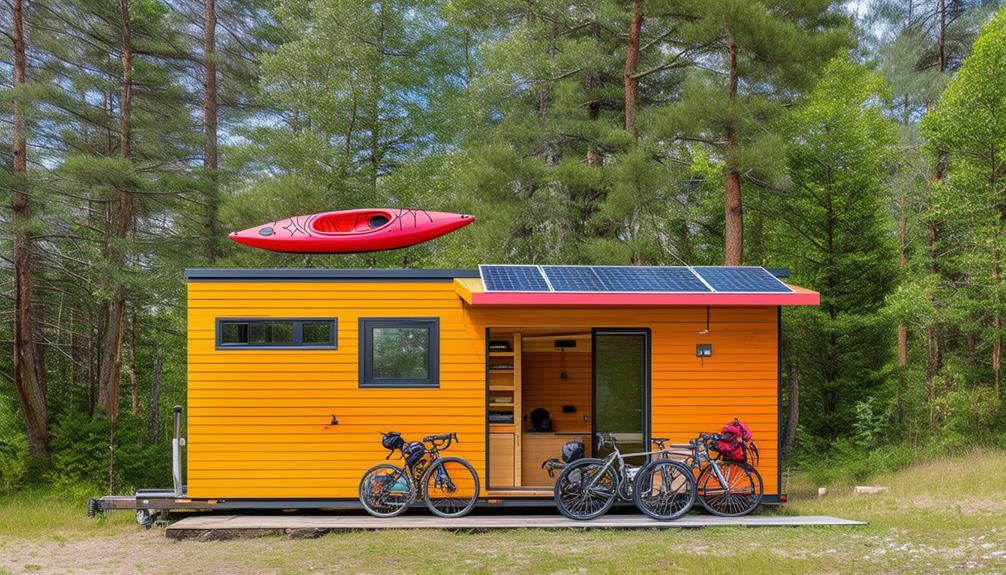
Customization options in compact dwellings enable you to tailor every detail, from layouts and finishes to appliances and off-grid capabilities, ensuring your space meets your unique adventure needs. With modular and mobile designs, you can maximize functionality in every inch, often at a lower cost than expected.
You can customize your tiny house by selecting a layout that fits your lifestyle, whether you need a larger kitchen for cooking or a cozy nook for reading. Choose from a variety of finishes, ranging from sleek modern surfaces to rustic wood, to create a home that reflects your personal style. Appliances can be selected for efficiency and compactness, ensuring all conveniences are met without sacrificing space.
For those seeking off-grid experiences, options like solar panels, composting toilets, and rainwater collection systems make sustainable living possible wherever you go. Smart home technology can be integrated to manage lighting, temperature, and security systems remotely, even when you're far from civilization.
Exterior customization options, such as roofing materials, window designs, and finishes, ensure your tiny home stands out. Whether you prefer a modern look or a cozy cabin feel, the possibilities are endless.
Design Challenges
Designing a mobile or modular tiny home involves the intricate task of maximizing space while ensuring both functionality and aesthetic appeal. Every square inch must be utilized effectively, often requiring innovative solutions like foldable furniture and multipurpose fixtures that adapt to various needs.
A primary challenge is selecting lightweight materials. These are crucial for both mobility and maintaining structural integrity during transportation. The materials must be sturdy yet light enough to ensure stability on the road.
Balancing aesthetics with functionality is another significant hurdle. While it's tempting to focus on making the space visually pleasing, practicality cannot be compromised. Customization options add complexity, requiring meticulous planning to meet individual preferences without sacrificing space efficiency.
Mobility and stability are also critical considerations. The design must endure the rigors of travel and varying environmental conditions. Modular components offer flexibility and ease of assembly, aiding in the creation of a tiny home that is both mobile and resilient.
Real Estate Insights
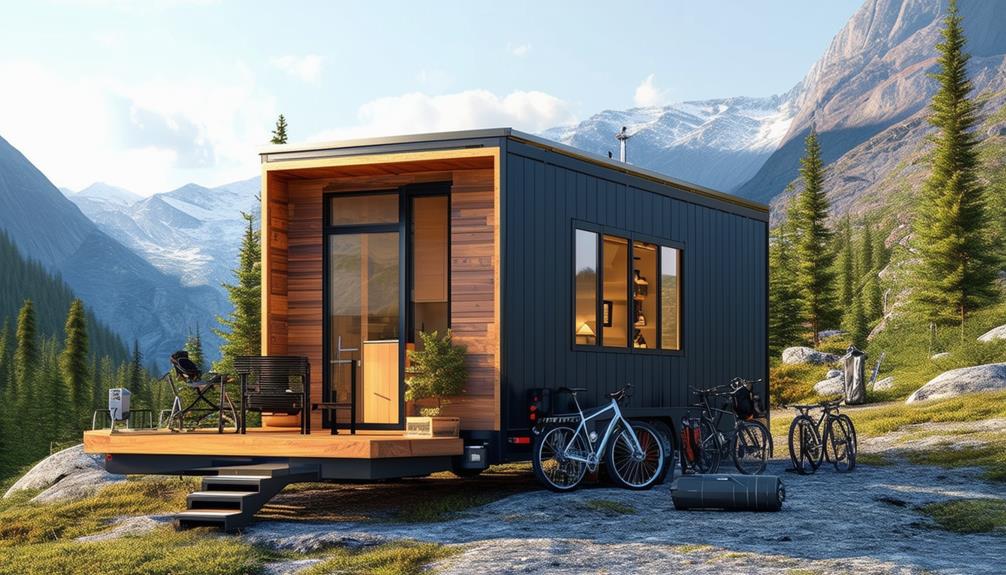
When navigating the design challenges of small home living, it's crucial to understand real estate trends that make mobile and modular small homes appealing to adventure seekers. These trends indicate a growing interest in compact living solutions due to their flexibility and customization options.
Mobile small homes are ideal for those who value freedom and spontaneity. Designed for easy transport, these homes allow you to relocate and explore new destinations without the constraints of traditional housing. This portability suits individuals who enjoy a nomadic lifestyle, offering a home that travels with you.
Conversely, modular small homes offer a customizable living solution tailored to your specific needs and preferences. These homes combine modern amenities with a compact design, making them attractive for adventure seekers seeking versatile living environments. Whether in a remote mountain area or a bustling urban setting, modular small homes adapt to different environments, providing comfort and functionality.
Understanding these real estate trends enables you to make informed decisions when adopting the small home lifestyle, ensuring your home aligns with your adventurous needs.
Future Living Plans
When planning your future in a tiny home, choose a location that aligns with your adventurous spirit. Customizing and personalizing your space will ensure it meets your unique needs. Careful budgeting and investment planning will keep your dreams financially sustainable. By considering these factors, you'll be well on your way to an exciting and fulfilling tiny home lifestyle.
Choosing Ideal Location
When selecting an ideal location for your small home, prioritize proximity to outdoor activities such as hiking, biking, and water sports to complement your adventurous lifestyle. Being close to these activities ensures endless opportunities for exploration and excitement right at your doorstep. Additionally, research local zoning regulations to ensure your movable or modular small home complies with community rules and avoids any legal issues.
Next, consider access to essential amenities like grocery stores, healthcare facilities, and recreational areas. These conveniences will enhance your living experience and make daily life more manageable. Don't forget to evaluate the local climate; understanding weather patterns and temperature fluctuations will help you prepare and adjust your small home for year-round comfort.
Picturesque views and natural surroundings can significantly enrich your small home living experience. Look for locations with stunning landscapes, proximity to national parks, or wilderness areas. Such settings not only offer visual pleasure but also provide additional outdoor activities and a sense of tranquility. By thoughtfully considering these factors, you can find a location that perfectly matches your adventurous spirit and small home lifestyle.
Customization and Personalization
Imagine waking up to breathtaking views in a small home that's meticulously tailored to suit your adventurous lifestyle. Customization in small home living allows you to match every aspect of your space to your unique preferences. Picture selecting energy-efficient features that not only conserve resources but also reduce your carbon footprint. Using sustainable materials can transform your home into an eco-friendly sanctuary, while innovative storage solutions maximize every square inch.
For future living arrangements, mobile and modular small homes offer flexibility and portability, perfect for adventure enthusiasts. Personalize your home by choosing layouts that meet your specific needs, from spacious floor plans to cozy nooks. Interior finishes like solid wood floors or contemporary countertops can reflect your individual style. Smart home technology ensures convenience and efficiency, simplifying your life on the go.
Modular small homes also offer expandability. You can adjust your living space as your needs change, whether by adding an extra room or enhancing outdoor features like a rooftop deck. The opportunities for personalization are endless, ensuring your small home is a true reflection of your adventurous spirit.
Budget and Investment Planning
Planning your budget and investment for a mobile or modular tiny home is essential to making your adventurous living dreams a reality. Start by accounting for the costs of the home itself, transportation, site preparation, and any additional features you may desire. Effective budgeting ensures you are prepared for each step of the process.
Investment planning extends beyond initial expenses. Consider the potential resale value of your tiny home and the possible rental income if you decide to lease it out. These factors can significantly impact your long-term financial returns. Research financing options such as personal loans, RV loans, or tiny home-specific loans to manage upfront costs while maintaining your financial stability.
Additionally, factor in the cost savings associated with tiny home living. Reduced utility bills and lower maintenance expenses can result in substantial savings over time. Incorporate these savings into your investment plan to get a comprehensive view of your future financial outlook.
Customize your budget and investment plan to align with your individual preferences, lifestyle needs, and future goals. This tailored approach ensures a smooth transition to your new mobile or modular tiny home lifestyle, making your adventure both financially and personally fulfilling.