Tiny Home Living and the Environment: Eco-Friendly Practices
When you think about tiny home living, you probably consider downsizing and simplifying your life. But did you know it can also significantly reduce your environmental footprint? By incorporating sustainable design, energy-efficient technologies, and water conservation methods, tiny homes provide a practical solution for eco-friendly living. Imagine using reclaimed wood, solar panels, and rainwater harvesting systems to create a self-sustaining, minimalistic lifestyle. How do these eco-friendly practices contribute to a greener world, and what steps can you take to implement them effectively in your tiny home? Let's explore how you can make a meaningful impact.
Sustainable Design
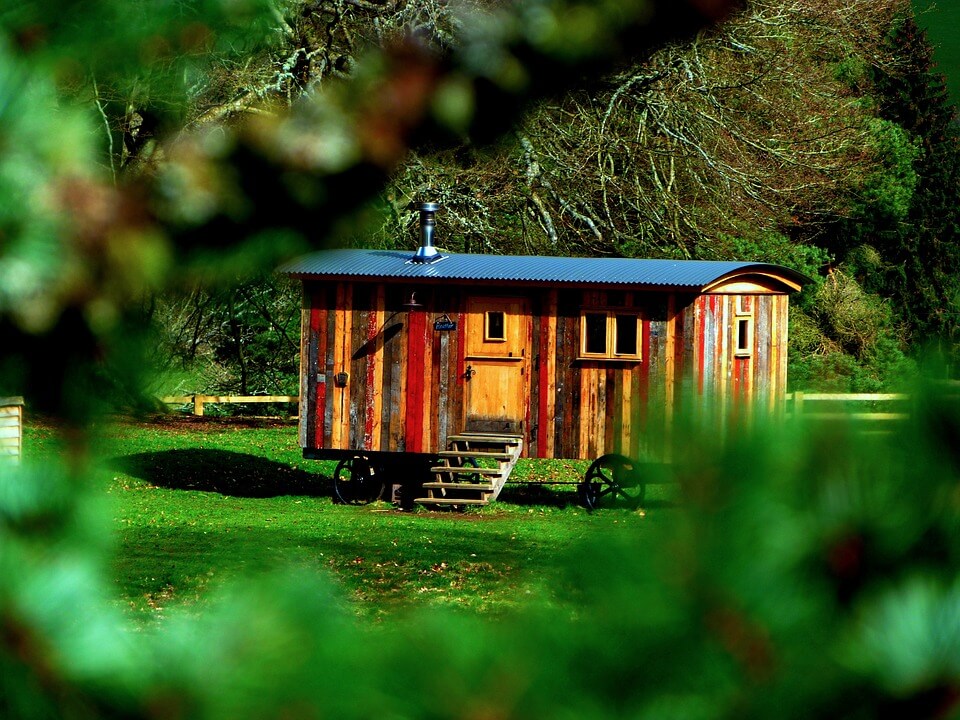
Incorporating sustainable design in tiny homes optimizes space and reduces environmental impact. Sustainable building practices minimize waste and promote a greener lifestyle. Key aspects include using eco-friendly materials like reclaimed wood, salvaged materials, and recycled bricks. These materials not only give your tiny home unique character but also decrease the demand for new resources.
Another crucial element is passive solar design. By strategically positioning windows and using materials that absorb and release heat, you can maximize natural light and warmth. This reduces the need for artificial heating and cooling, thereby lowering energy consumption.
Additionally, incorporating natural elements such as bamboo flooring enhances both the aesthetic appeal and sustainability of your tiny home. Bamboo is a fast-growing, renewable resource that adds elegance while being environmentally friendly.
Energy Efficiency
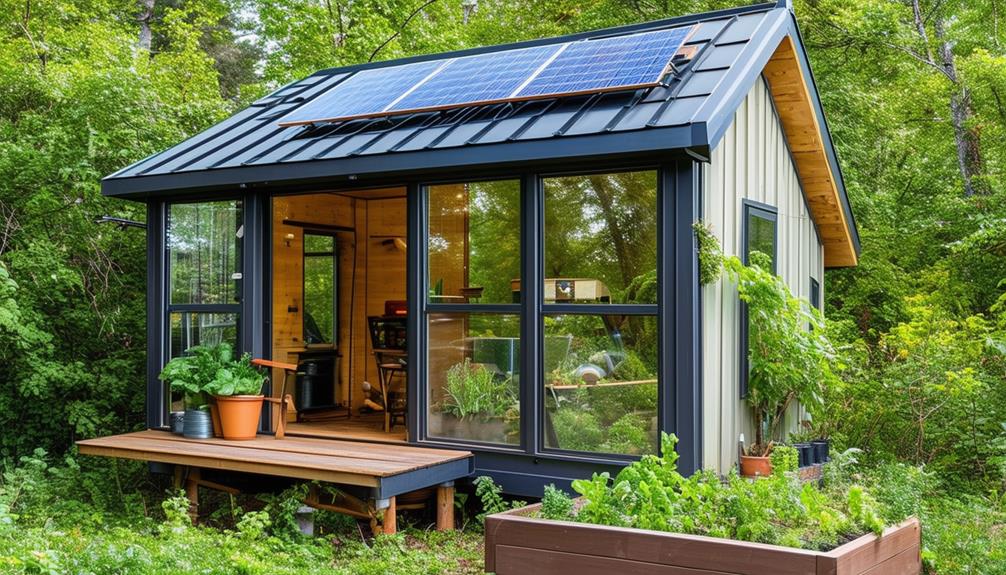
Integrating energy-efficient technologies in your tiny home can significantly lower both your energy bills and carbon footprint. Solar panels offer clean, renewable energy, potentially saving you thousands of dollars annually. Additionally, smart home systems enable optimal control of heating, cooling, and lighting, enhancing overall efficiency. By adopting these solutions, you not only save money but also contribute to a more sustainable environment.
Smart Home Technologies
Smart home technologies can significantly enhance energy efficiency in tiny homes by optimizing and automating energy usage. By integrating energy-efficient appliances and energy monitoring systems, you can make your tiny home both eco-friendly and cost-effective. Technologies such as smart thermostats enable remote control of heating and cooling, ensuring energy is used only when necessary. Energy-efficient appliances, especially those with Energy Star ratings, complement these systems to minimize energy consumption.
Here's a quick look at how these technologies can benefit your tiny home:
| Technology | Benefits |
|---|---|
| Smart Thermostats | Optimize heating and cooling |
| Energy-Efficient Appliances | Reduce overall energy usage |
| Energy Monitoring Systems | Track and adjust consumption |
| LED Lighting | Consume less power |
Energy monitoring systems provide real-time data on your energy usage, enabling informed decisions to reduce waste. For example, you can identify which appliances consume the most energy and adjust your usage habits accordingly. These smart systems can even automate energy-saving practices, such as turning off lights when you leave a room.
Solar Panel Benefits
Solar panels can significantly reduce or even eliminate your electricity bills in a tiny home. By installing them, you harness renewable energy, effectively powering your home while promoting sustainable living. This means you won't have to worry about rising electricity costs as your tiny home generates its own power.
Utilizing solar panels also reduces your carbon footprint, decreasing reliance on traditional power grids that often use fossil fuels. This shift to renewable energy aids in combating climate change by lowering carbon emissions. For tiny home dwellers, this translates to not only financial savings but also a meaningful environmental impact.
Additionally, solar panels can enhance the value of your tiny home. Eco-conscious buyers are frequently willing to pay a premium for properties that embrace sustainable practices. This makes solar panels a worthwhile long-term investment, offering both economic and environmental returns.
Incorporating solar panels into your tiny home is not just a financially savvy decision; it is a commitment to a more sustainable and eco-friendly lifestyle. By opting for this renewable energy source, you are actively contributing to a greener future.
Water Conservation
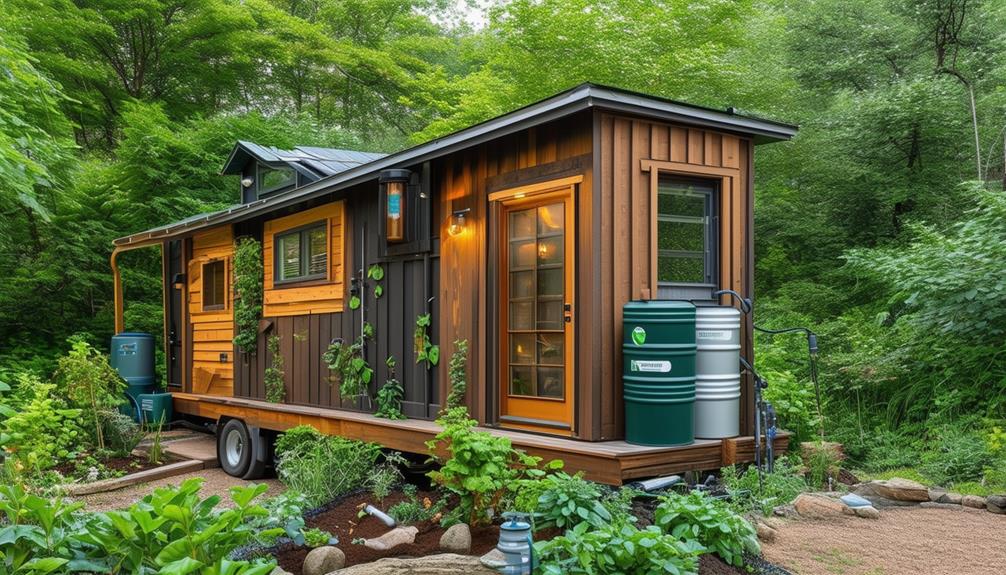
In your tiny home, you can significantly contribute to water conservation by installing efficient water fixtures and utilizing rainwater harvesting systems. Low-flow faucets and showerheads reduce water usage without compromising performance, while rainwater systems capture and store water for non-potable purposes, such as irrigation and flushing toilets. These strategies collectively help decrease freshwater consumption and promote a more sustainable lifestyle.
Efficient Water Fixtures
Installing low-flow fixtures in your tiny home can significantly reduce water usage and save money. Water-efficient fixtures, such as low-flow appliances and aerators, can decrease water consumption by up to 60% without compromising performance, making them perfect for eco-friendly living.
Upgrading to high Energy Star-rated appliances can save up to 20% more water compared to standard models. For instance, replacing older faucets with aerator-equipped models can reduce water flow by up to 30%, conserving water and lowering utility bills. Additionally, implementing rainwater harvesting systems for non-potable uses can further decrease reliance on local water supplies.
A quick comparison of the benefits:
| Fixture Type | Water Savings | Extra Benefits |
|---|---|---|
| Low-Flow Showerheads | Up to 60% | Reduced water and energy bills |
| Energy Star Appliances | Up to 20% | Less water usage, more energy-efficient |
| Faucet Aerators | Up to 30% | Maintains pressure, reduces water usage |
| Rainwater Harvesting | N/A | Reduces strain on local water supplies |
Rainwater Harvesting Systems
After upgrading your water fixtures, consider installing a rainwater harvesting system to enhance your tiny home's water conservation efforts. These systems significantly reduce dependence on traditional water sources and promote eco-friendly practices. Typically, a rainwater harvesting system includes gutters, downspouts, filters, and storage tanks that work together to efficiently capture and store rainwater.
Here are four key benefits of implementing a rainwater harvesting system in your tiny home:
- Water Conservation: By collecting and reusing rainwater, you decrease your reliance on municipal water supplies, conserving this precious resource.
- Cost Savings: Using rainwater for non-potable purposes such as watering plants, flushing toilets, and doing laundry can significantly reduce your utility bills.
- Environmental Impact: Lowering your demand on traditional water sources minimizes your environmental footprint and supports sustainable living.
- Self-Sufficiency: A rainwater harvesting system provides greater control over your water supply, making you less vulnerable to water shortages.
Waste Reduction
Living in a tiny home offers a unique opportunity to significantly reduce waste through composting, meal planning, and repurposing materials. By integrating effective waste reduction strategies, you can create a more sustainable living environment.
Implementing composting systems such as vermicomposting and aerobic composting transforms organic waste into nutrient-rich soil, perfect for maintaining a small garden or potted plants. These systems not only reduce the waste you send to landfills but also provide you with valuable compost.
Meal planning in a tiny house is crucial for minimizing food waste. Limited storage space encourages you to buy only what you need and use leftovers creatively. Proper food storage practices extend the life of your groceries, ensuring you maximize your resources.
Repurposing and upcycling materials are fundamental to waste reduction in tiny homes. By finding new uses for old items, you minimize the need for new materials and optimize space utilization. Whether it's transforming an old ladder into a shelf or turning glass jars into storage containers, upcycling helps you live more sustainably while adding a unique touch to your tiny home.
Recycling Methods
Recycling methods in a tiny home can significantly reduce your environmental footprint and optimize resource use. By adopting simple yet effective strategies, you can make a meaningful impact. Here are four methods to consider:
- Composting Systems: Utilize vermicomposting or aerobic composting to transform food scraps into nutrient-rich soil. This not only reduces waste but also enhances your garden if you have one.
- Meal Planning: Thoughtful meal planning helps minimize waste. By planning your meals ahead of time, you can use leftovers creatively and store food properly, reducing the amount you discard.
- Upcycle Materials: Reuse items to create new, functional objects. This reduces waste and lessens the need to buy new materials, which is particularly important in a tiny home where space is limited.
- Creative Use of Leftovers: Turn yesterday's dinner into today's lunch. This practice ensures that food doesn't go to waste and helps you make the most of what you have.
Off-Grid Living
When you adopt off-grid living in your tiny home, you'll rely on renewable energy sources like solar or wind to meet your power needs. Additionally, you'll implement water independence strategies, such as rainwater harvesting and filtration systems. Efficient waste management is also essential for maintaining a sustainable and self-sufficient lifestyle.
Renewable Energy Sources
Embracing renewable energy sources such as solar panels, wind turbines, and micro-hydro systems empowers tiny home residents to achieve off-grid living while significantly reducing their environmental impact. Integrating these technologies allows for a sustainable lifestyle independent of public utilities. Here are four key benefits of utilizing renewable energy sources in your tiny home:
- Energy Self-Sufficiency: Independence from external power grids allows for greater control over energy consumption.
- Environmental Impact: Renewable energy reduces your carbon footprint, promoting an eco-conscious lifestyle.
- Cost Savings: Although the initial setup can be costly, long-term savings on utility bills make it a worthwhile investment.
- Reliability: Proper energy storage solutions, such as batteries, ensure a consistent power supply even in remote locations.
Off-grid living with renewable energy sources not only promotes environmental stewardship but also enhances awareness of energy use and resource management. By adopting these eco-friendly practices, you're contributing to a cleaner, greener future.
Water Independence Strategies
Achieving water independence in your tiny home involves strategies like rainwater harvesting, well systems, and effective water filtration. By incorporating these methods, you can ensure a steady supply of clean water without relying on external sources. Start by setting up a rainwater harvesting system to collect and store rainwater. This provides a renewable water source that, when paired with a reliable filtration system, keeps your water safe and potable.
If your location permits, consider drilling a well. A well system can offer a consistent water supply, contributing significantly to your water self-sufficiency. To maintain this independence, practice water conservation techniques such as fixing leaks promptly and using water-saving fixtures.
Additionally, consider using composting toilets. These systems significantly reduce water usage and are more eco-friendly than traditional flush toilets. Incorporating greywater systems can also recycle water from sinks and showers for use in irrigation, further promoting water conservation.
Waste Management Solutions
Effective waste management solutions are essential for maintaining an eco-friendly and sustainable lifestyle in an off-grid tiny home. Implementing composting techniques can transform organic waste into nutrient-rich soil, which is invaluable for gardening. Both vermicomposting, which uses worms, and aerobic composting systems can effectively minimize waste generation.
Here are some strategies to help you start with sustainable waste management:
- Composting: Convert kitchen scraps and yard waste into fertile soil using a composting system. Vermicomposting is especially efficient for small spaces.
- Waste Reduction: Proper food storage, thoughtful meal planning, and creative use of leftovers can significantly reduce waste production.
- Upcycling: Repurpose materials like glass jars, wood scraps, and old furniture to minimize waste and maximize resource use.
- Creative Reuse: Innovatively reuse items to reduce your environmental footprint, such as turning old textiles into cleaning rags or creating art from discarded materials.
Eco-Friendly Materials
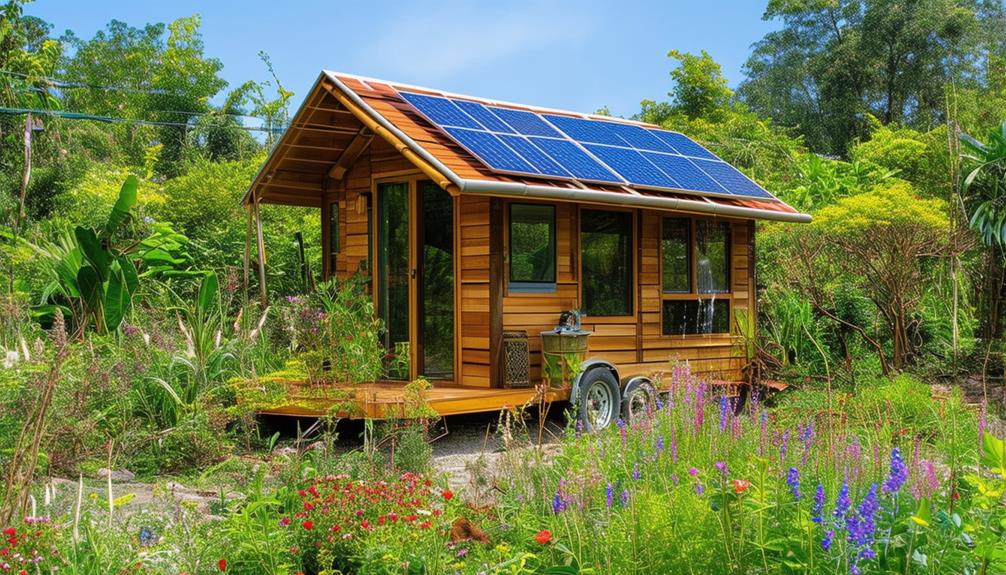
Choosing eco-friendly materials for your tiny home not only reduces your environmental impact but also enhances its unique appeal. Opting for sustainable options like bamboo flooring and reclaimed wood is a great start. Bamboo, a fast-growing, renewable resource, is both durable and versatile, making it an excellent choice for flooring and furniture. It provides a sleek, modern look while being environmentally friendly.
Reclaimed wood offers a rustic, unique aesthetic and reduces the demand for new timber, thus helping to preserve forests. By repurposing old wood, you achieve a one-of-a-kind look while benefiting the environment. Incorporating salvaged materials like recycled bricks and metals can also add character to your tiny home, minimizing waste and promoting sustainable construction practices.
Using eco-friendly materials contributes to a healthier planet and makes your tiny home a testament to sustainable living. Every choice you make, from the floor to the walls, helps create a space that's both stylish and environmentally responsible. Choose wisely and let your tiny home reflect your commitment to sustainability.
Passive Solar Design
Incorporating passive solar design in your tiny home can significantly enhance energy efficiency and reduce environmental impact. By optimizing southern exposure, you can leverage natural light and heat, thereby reducing your energy consumption. Key elements to consider include:
- Orientation: Position your home to maximize southern exposure, ensuring ample natural light throughout the day.
- Thermal Mass: Use materials like concrete or brick to absorb and store heat during the day, releasing it at night to help regulate indoor temperatures.
- Windows and Skylights: Install large windows and skylights with light-colored finishes to maximize natural lighting, reducing the need for artificial lighting and conserving energy.
- Shading Elements: Include features like overhangs or pergolas to control solar gain and minimize heat loss, keeping your home cool in summer and warm in winter.
Minimalism Benefits
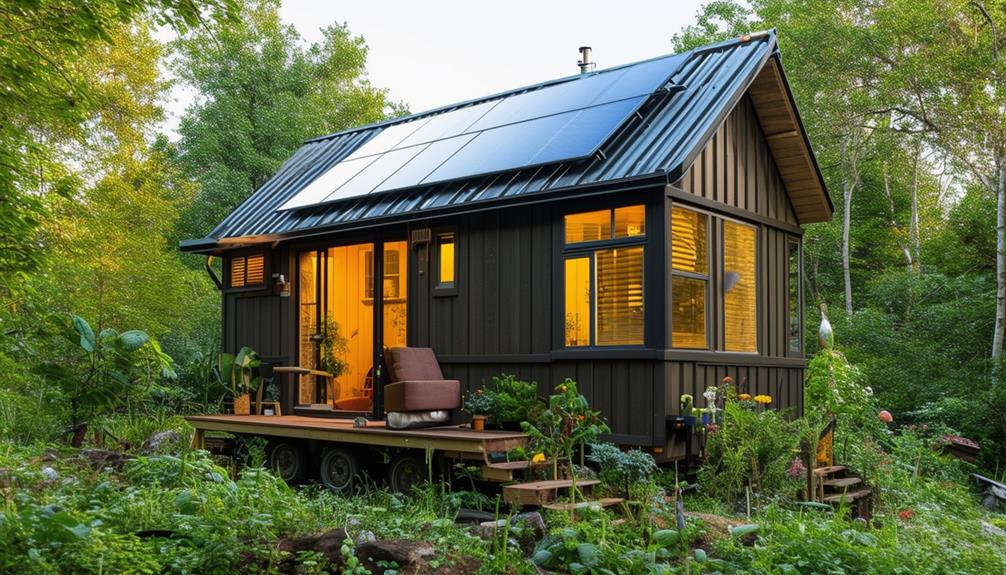
Embracing minimalism in tiny home living not only declutters your space but also reduces your environmental footprint. By focusing on intentional consumption, you make a conscious effort to buy only what you need, inherently reducing waste. This lifestyle encourages prioritizing quality over quantity, leading to investments in durable, eco-friendly items rather than cheap, disposable ones.
Living in a tiny home naturally pushes you to simplify your possessions to the essentials, resulting in a lower environmental impact due to fewer resources consumed. Every item chosen for your tiny home is selected with purpose, minimizing the accumulation of goods that often end up in landfills.
Moreover, a minimalist approach in tiny home living can enhance mental well-being. Reducing clutter creates a serene living environment, which can help lower stress and promote a sense of calm. Additionally, focusing on experiences over material possessions enriches your life and fosters deeper connections with those around you.
In essence, minimalism in tiny home living offers a sustainable way to reduce your environmental impact while enhancing your quality of life through intentional consumption and simplified living.
Environmental Impact
Tiny homes substantially reduce your environmental footprint through their compact size and energy-efficient design. By choosing a tiny home, you embrace sustainable living practices that benefit both you and the planet. Here's how:
- Reduced Material Usage: Tiny homes require fewer materials to build, which lowers the environmental impact of construction. Using reclaimed wood, recycled bricks, and bamboo further decreases ecological harm.
- Energy Efficiency: The smaller living space means less energy is needed for heating, cooling, and powering your home. Many tiny homes feature solar panels and energy-efficient appliances, reducing dependence on non-renewable energy.
- Minimalist Lifestyle: Living in a tiny home encourages minimalism, making you more mindful of your consumption habits. This shift reduces waste generation and fosters a more sustainable way of life.
- Waste Management: Tiny homes often include composting toilets and greywater systems, significantly reducing water waste and enhancing eco-friendly living practices.