Tiny Home Living and Community Building: Tips for Social Connections
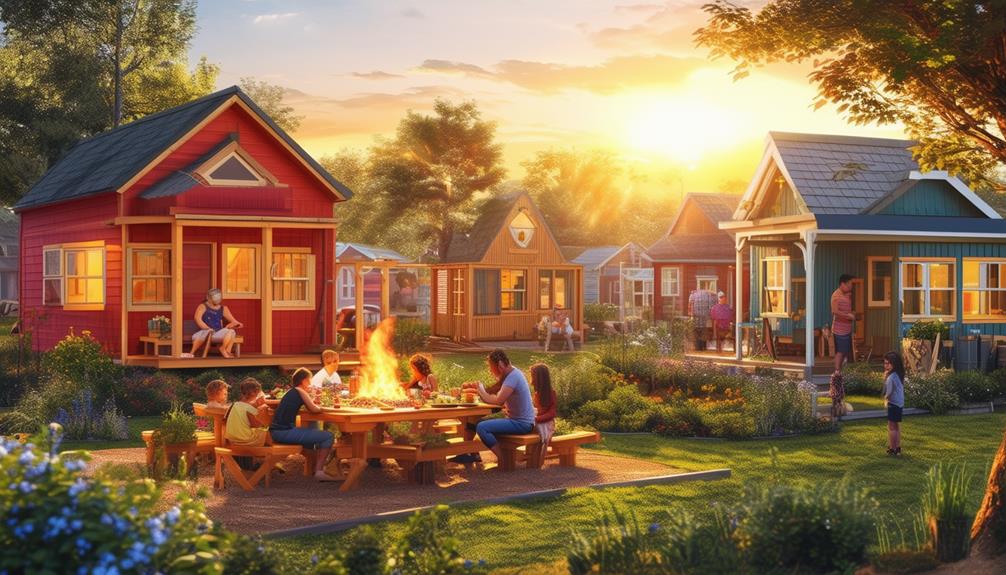
Living in a tiny home offers a unique chance to nurture strong social connections and build a tight-knit community. You can enrich these bonds by engaging in shared activities, attending local events, and participating in group projects. By actively seeking out interactions and contributing to your community's well-being, you'll create a sense of belonging and mutual support. Imagine a lifestyle where collaboration isn't just encouraged but essential. How can you take full advantage of these opportunities to enrich your own life and uplift those around you?
Benefits of Tiny Home Communities
Residing in a tiny home community offers numerous advantages, including strong social bonds and support networks among residents. These communities foster a sense of belonging through shared resources and amenities, such as communal gardens, kitchens, and recreational areas. These shared spaces encourage regular interactions and collaboration among neighbors, enhancing your social connections.
Living in a tiny home community promotes a sustainable lifestyle that values relationships and experiences over material possessions. This simpler way of living naturally leads to more meaningful social connections. The community-oriented nature of these neighborhoods ensures that you can rely on your neighbors for assistance and emotional support. Whether you need help with a project or just someone to talk to, there's always a friendly face nearby.
Communal activities and gatherings further strengthen the bonds within the community. Events such as potlucks and group exercise sessions ensure that everyone feels included and connected. This supportive environment reduces feelings of isolation and enhances overall well-being. In tiny home communities, you're not just residing in a dwelling; you're part of a vibrant, interconnected, and supportive community.
Building Social Connections
Engaging in communal activities like potluck dinners and group projects is a fantastic way to build strong social connections in a tiny home neighborhood. These events offer perfect opportunities to meet and interact with fellow residents. By participating in shared responsibilities, you contribute to the community's well-being and create meaningful connections with those around you.
To enrich your social connections, consider these activities:
- Attend community events and gatherings: Participate in regular events such as movie nights or gardening days to bond with others.
- Participate in group projects: Collaborate on initiatives like building a communal garden or organizing a cleanup day to strengthen camaraderie.
- Seek out opportunities for social interactions: Simple gestures like greeting neighbors or having a casual chat can lead to deeper relationships.
Embracing supportive networks in your tiny home community fosters a sense of belonging and enhances your social connections. By taking an active role in shared responsibilities and group projects, you help create a vibrant, interconnected environment where everyone feels valued and supported.
Financial Advantages
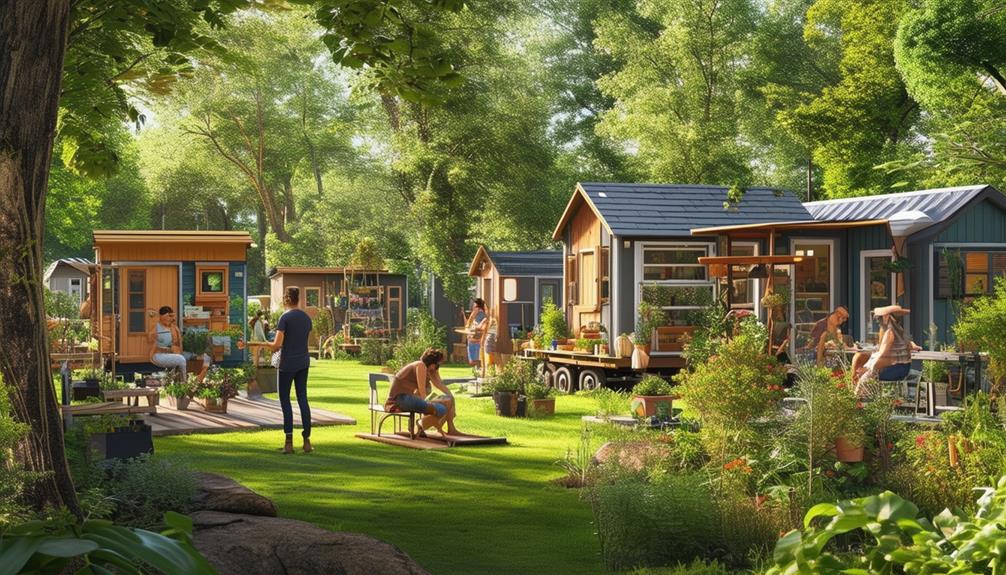
Opting for a tiny home can significantly reduce your overall living expenses. Tiny homes typically incur lower utility costs, resulting in savings on electricity, water, and heating. This leads to substantially reduced living expenses compared to conventional homes.
A key financial benefit of tiny home living is the reduced maintenance costs. With a smaller space, repairs and upkeep are less frequent and more affordable. This makes tiny homes one of the most economical housing options available.
Additionally, tiny home communities often emphasize shared resources, enhancing cost-efficiency. Shared gardens, communal tools, and collective bulk buying can further reduce expenses, contributing to a more affordable lifestyle.
Lower expenses translate to increased savings potential. The money saved on utilities, maintenance, and shared resources can be allocated to other financial goals, such as debt repayment or building an emergency fund.
Environmental Impact
Opting for tiny home living significantly reduces your carbon footprint through sustainable practices and energy-efficient designs. These homes commonly incorporate solar panels and eco-friendly materials, offering a greener alternative. By sharing resources within the community, you foster a more sustainable and environmentally conscious lifestyle.
Sustainable Living Practices
Tiny home living exemplifies sustainable living by prioritizing recycling, composting, and energy-efficient designs. By focusing on eco-friendly practices, you can significantly reduce your environmental impact. In these communities, resource sharing and collaborative living are key to maintaining an eco-conscious lifestyle. Here are a few ways to adopt sustainable living in a tiny home community:
- Recycling and Composting: Implement robust recycling programs and composting systems. These practices not only reduce waste but also enhance community gardens, promoting a circular economy.
- Energy-Efficient Designs: Choose energy-saving appliances and materials for your tiny home. Solar panels, LED lighting, and high-efficiency insulation can greatly reduce energy consumption.
- Community Gardens: Participate in community gardens to grow your own food and share resources with neighbors. This reduces the need for transportation and packaging, lowering your ecological footprint.
Living in a tiny home community allows you to blend sustainable practices with the benefits of a supportive, eco-friendly environment. By collaborating, you can create a lifestyle that honors the planet and fosters a strong sense of community.
Reduced Carbon Footprint
Adopting eco-friendly practices not only promotes sustainable living but also significantly reduces your carbon footprint. Opting for tiny home living is a conscious choice to use less energy and fewer resources. Due to their smaller size, tiny homes inherently require less space to heat, cool, and power, thereby greatly reducing your carbon footprint.
Incorporating eco-friendly design elements such as solar panels and energy-efficient appliances further minimizes environmental impact. These features not only lower energy bills but also contribute to broader green living practices. Additionally, using sustainable construction materials ensures that your tiny home has a smaller ecological footprint compared to traditional houses.
Tiny home living also fosters minimalism and energy efficiency, aligning well with eco-conscious values. The emphasis on using less and living more sustainably creates positive changes in your daily life and within your community. Tiny home communities often focus on shared values of sustainability and environmental stewardship, fostering collective efforts to reduce carbon footprints. Ultimately, choosing tiny home living is a significant step toward a more sustainable and eco-friendly lifestyle, benefiting both you and the planet.
Resource Sharing Benefits
Sharing resources in tiny home communities significantly reduces waste and promotes sustainability. Living in such a community naturally encourages resource sharing, where neighbors collaborate on using shared spaces and tools. This practice not only saves money but also supports an eco-friendly lifestyle.
Here are some specific benefits of resource sharing for both individuals and the environment:
- Tool and Equipment Sharing: By creating a communal toolkit, households can avoid buying separate tools or gardening equipment. This reduces manufacturing demand and minimizes waste.
- Shared Garden Spaces: Working together to develop community gardens allows residents to grow their own food sustainably while fostering social connections.
- Energy Efficiency: Utilizing shared spaces like communal kitchens or laundry areas means fewer appliances are running simultaneously, leading to lower energy consumption.
Resource sharing leads to more efficient and sustainable living, fostering a sense of community and encouraging cooperation among neighbors. Participating in these initiatives not only reduces your environmental impact but also strengthens community bonds.
Emotional Well-being
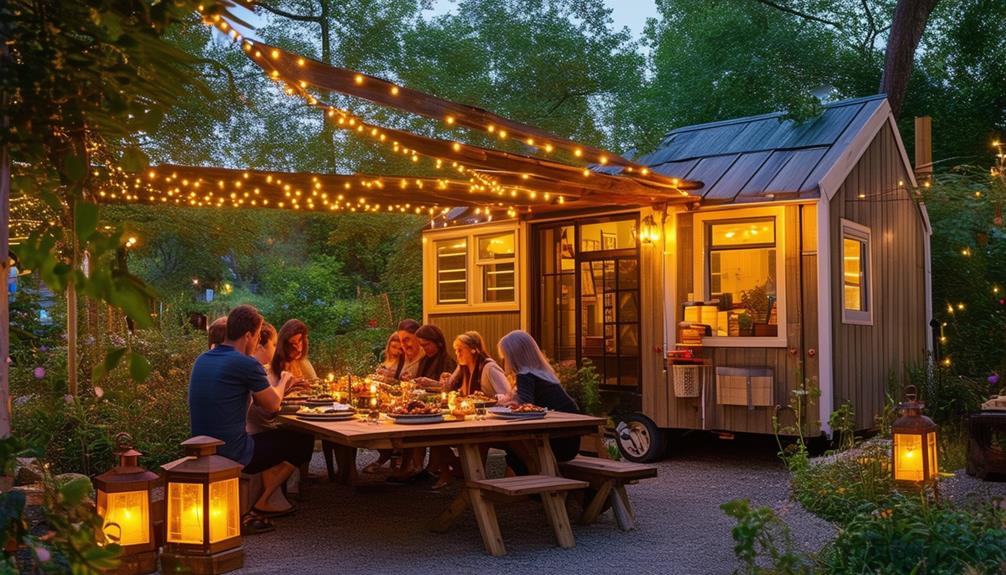
Living in a tiny home community can significantly enhance your emotional well-being. Simplifying your lifestyle and fostering closer relationships with neighbors can reduce stress and improve your overall quality of life. This intentional way of living promotes a profound sense of belonging and security, making you feel more connected and supported.
Simplified Living Benefits
Living in a tiny home community can significantly reduce stress and anxiety, thereby enhancing your emotional well-being. The simplified lifestyle involves fewer possessions to manage and less space to maintain, which translates to less worry and more peace of mind. This intentional living approach fosters a sense of belonging and security, further promoting emotional well-being.
Tiny home communities provide a supportive environment that encourages emotional well-being through shared experiences and strong social connections. You'll be surrounded by like-minded individuals who value community building and are committed to creating a harmonious living space. This can lead to deeper relationships and a stronger sense of purpose.
Here are three key benefits of simplified living in tiny home communities:
- Reduced Clutter: With limited space, you're encouraged to keep only what's truly necessary, reducing both material distractions and mental clutter.
- Enhanced Relationships: Proximity and shared goals naturally foster closer social connections, contributing to a supportive environment.
- Mindful Living: The focus on intentional living helps you prioritize what truly matters, leading to greater emotional well-being and fulfillment.
Fostering Neighbor Relationships
Building strong relationships with your neighbors in a small home community can significantly enhance your emotional well-being. By actively engaging with those around you, you create a supportive network that makes daily life more fulfilling. Social connections are vital in any living situation, but they are especially important in a small house community, where close proximity can either be a challenge or a benefit.
Start by participating in shared activities such as a community garden, potluck dinners, or group yoga sessions. These activities offer opportunities to bond and develop a support system. Regular interactions help cultivate a strong sense of community, where everyone feels valued and included.
Such community building can notably reduce feelings of isolation and loneliness. Knowing your neighbors well encourages mutual check-ins, resource sharing, and lending a hand when needed. This mutual support enhances your quality of life and contributes to overall happiness.
In a small house community, relationships with neighbors aren't just about physical closeness—they're about forming meaningful social connections that enrich your emotional well-being and foster a more connected, supportive living experience.
Intentional Lifestyle Impact
Choosing to live in a tiny home community involves adopting an intentional lifestyle that can greatly enhance your emotional well-being. By simplifying your living space and reducing material possessions, you create an environment that minimizes stress and anxiety. This shift allows you to focus more on relationships and experiences, leading to a more fulfilling and contented life.
Engaging in intentional living practices is vital for nurturing your emotional well-being. Here are three ways this lifestyle can benefit you:
- Supportive Community Environment: Living close to your neighbors fosters a strong sense of belonging and security. Sharing resources and experiences with like-minded individuals builds a tight-knit, supportive community.
- Improved Quality of Life: With fewer distractions and a simpler lifestyle, you can enjoy a higher quality of life. This means more time for hobbies, outdoor activities, and meaningful interactions.
- Closer Relationships: The intentional lifestyle promoted by tiny home living encourages deeper connections with those around you. Prioritizing relationships and experiences over material possessions enhances your emotional well-being and leads to a more fulfilling life.
Creative Design Opportunities
Tiny home communities offer a wealth of opportunities for customizing your living space to reflect your unique style and needs. These communities are ideal for personalized living spaces where inventive storage solutions and versatile furniture ideas shine. By optimizing every inch, you can create a vibrant, practical, and stylish living environment.
Here are a few ideas to get you started:
| Feature | Description | Benefits |
|---|---|---|
| Creative Storage | Custom shelves, under-bed compartments | Maximizes space, reduces clutter |
| Adaptable Furniture | Sofa beds, fold-out tables | Enhances functionality, versatility |
| Personalized Touches | Unique décor, custom color schemes | Reflects personal style |
| Community Inspiration | Design swaps, collaborative projects | Sparks creativity, shared ideas |
In tiny home communities, the design process often becomes a collaborative experience. Sharing tips and tricks with neighbors can inspire new ideas, making your home even more special. This sense of community fosters a supportive atmosphere where everyone benefits from each other's creativity and resourcefulness. By embracing these design opportunities, you'll not only optimize your space but also contribute to a dynamic and engaging living environment. Let your imagination run wild and transform your tiny home into a personalized haven!
Sustainability Practices
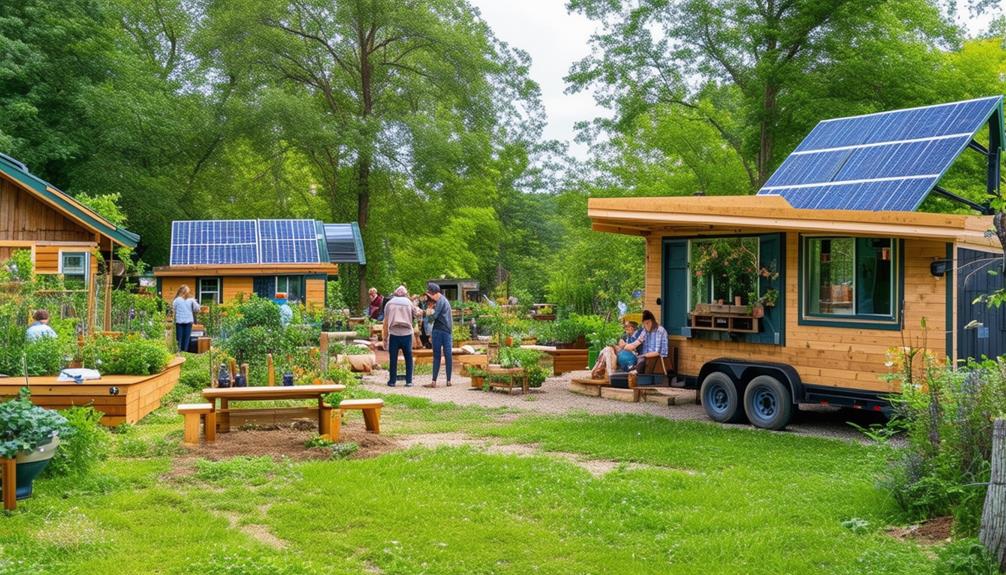
Adopting sustainable practices in small home communities can significantly reduce your environmental footprint. By integrating eco-friendly habits, you support environmental health and strengthen community bonds. Here's how to get started:
- Resource Sharing and Collaborative Consumption: Sharing resources like tools, appliances, and vehicles reduces waste and energy consumption. This eco-friendly approach also fosters stronger relationships among residents.
- Community Agriculture and Composting: Incorporating communal gardens and composting systems provides fresh, local produce, reduces food waste, and enriches the soil. Participating in these activities promotes environmental responsibility and offers opportunities for community workshops.
- Energy-Efficient Measures: Implementing technologies such as solar panels, LED lighting, and water-saving fixtures can minimize your carbon footprint. These measures make your living space eco-friendly and cost-effective.
Proximity to Neighbors
Living sustainably extends beyond environmental concerns to include nurturing close-knit relationships, and the proximity to neighbors in tiny home communities facilitates this. In such close quarters, easy communication and frequent social interactions become part of daily life, fostering strong bonds and a true sense of community.
Shared spaces play a crucial role in tiny home neighborhoods. These areas—such as communal gardens, shared laundry rooms, or joint workspaces—promote collaboration and connection among neighbors. Spending time together in these shared spaces creates a supportive atmosphere where everyone looks out for one another.
Living close to your neighbors increases the likelihood of shared experiences and regular interactions. This proximity builds relationships founded on mutual trust and understanding, leading to collaborations on projects, shared meals, and simply enjoying each other's company. These elements contribute to a friendly and supportive environment, making tiny home living not only sustainable but also deeply connected and fulfilling.
Shared Responsibilities
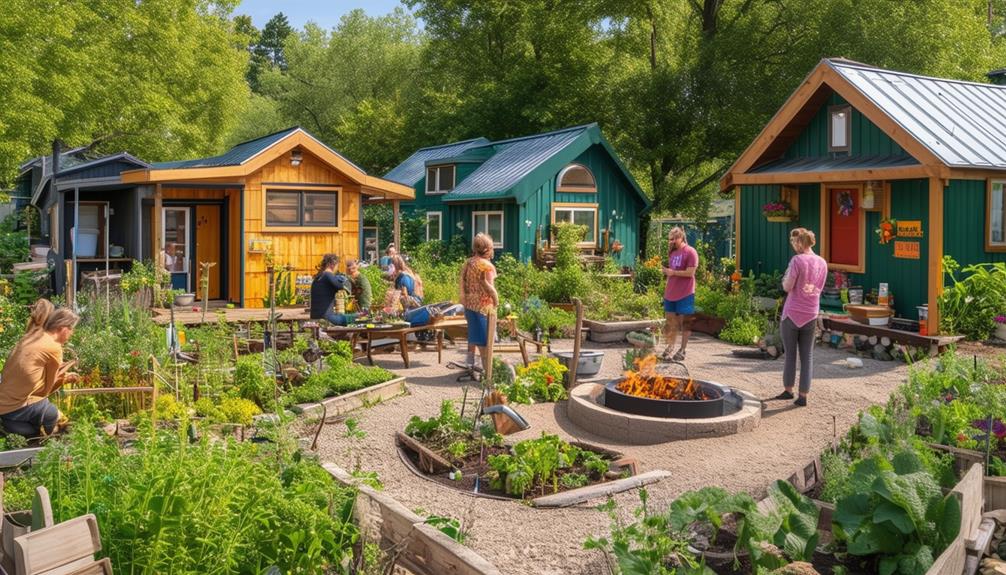
In tiny home communities, sharing responsibilities involves residents collaboratively maintaining common areas and organizing community events. These joint efforts foster a supportive and friendly atmosphere, instilling a sense of pride and ownership among all members. By working together, you enhance the community's overall well-being and strengthen neighborly bonds.
Here are three key areas where shared responsibilities significantly impact the community:
- Common Area Maintenance: Ensuring shared spaces are clean and well-maintained benefits everyone. Tasks may include gardening, cleaning, and minor repairs. Contributing to these efforts helps create a welcoming environment for all residents.
- Community Events: Organizing social gatherings, such as potlucks or game nights, unites residents and builds a stronger sense of community. These events facilitate bonding and make the neighborhood feel more cohesive.
- Neighborhood Projects: Working together on initiatives like building a community garden or setting up a shared tool shed involves everyone in meaningful activities. These projects not only enhance the living space but also foster a sense of pride and accomplishment among residents.