The Top Tiny Home Builders in the U.S
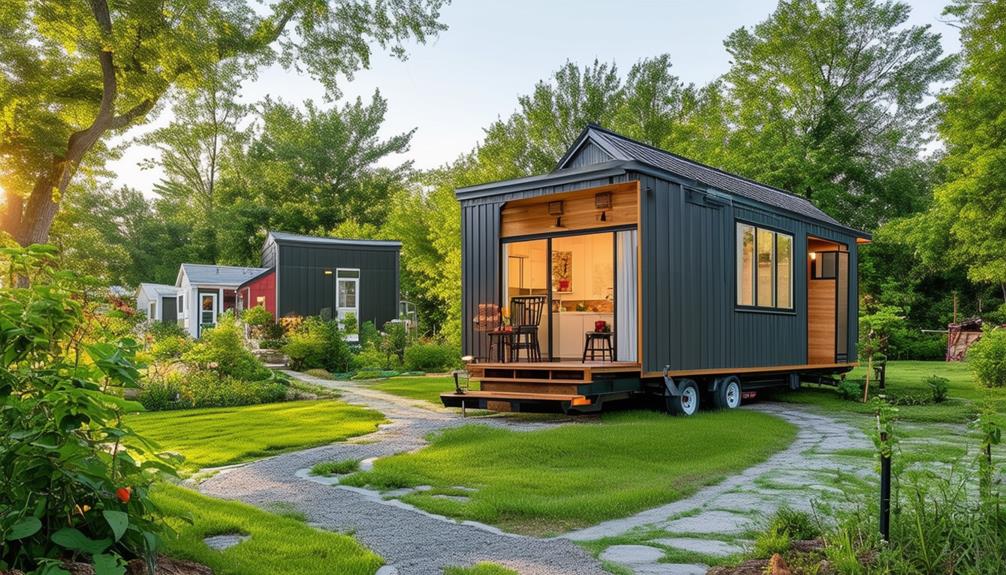
When searching for the top tiny home builders in the U.S., it's essential to consider factors like craftsmanship, customization, and sustainability. Leading companies such as Tumbleweed Tiny House Company, Tiny Heirloom, and Mustard Seed Tiny Homes excel in these areas with their innovative designs and commitment to quality. To make an informed decision, it's important to understand the unique features and benefits each builder offers. Stay tuned to discover which builder best aligns with your vision for a tiny home.
Choosing the Right Builder
When selecting the right small home builder, consider factors such as customization options, construction time, and pricing. A builder that offers a variety of tiny home types—such as THOWs (Tiny Houses on Wheels), park-ready homes, and THOF (Tiny Houses on Foundations) models—ensures you have flexibility in design and function.
Pay close attention to the warranties provided on structural and mechanical components. A solid warranty gives you peace of mind about the quality and durability of your home. Research the builder's reputation through customer reviews and verify that they adhere to strict safety standards. Positive reviews and high safety standards are indicators of a trustworthy builder.
Experience is essential. Builders with a long history and proven expertise are more likely to deliver your dream small home efficiently and effectively. A transparent process is also fundamental, ensuring you feel informed and involved from start to finish. Additionally, compare pricing among builders to ensure you get the best value without compromising quality. By focusing on these elements, you'll be well on your way to selecting the right small home builder for your needs.
Types of Tiny Homes
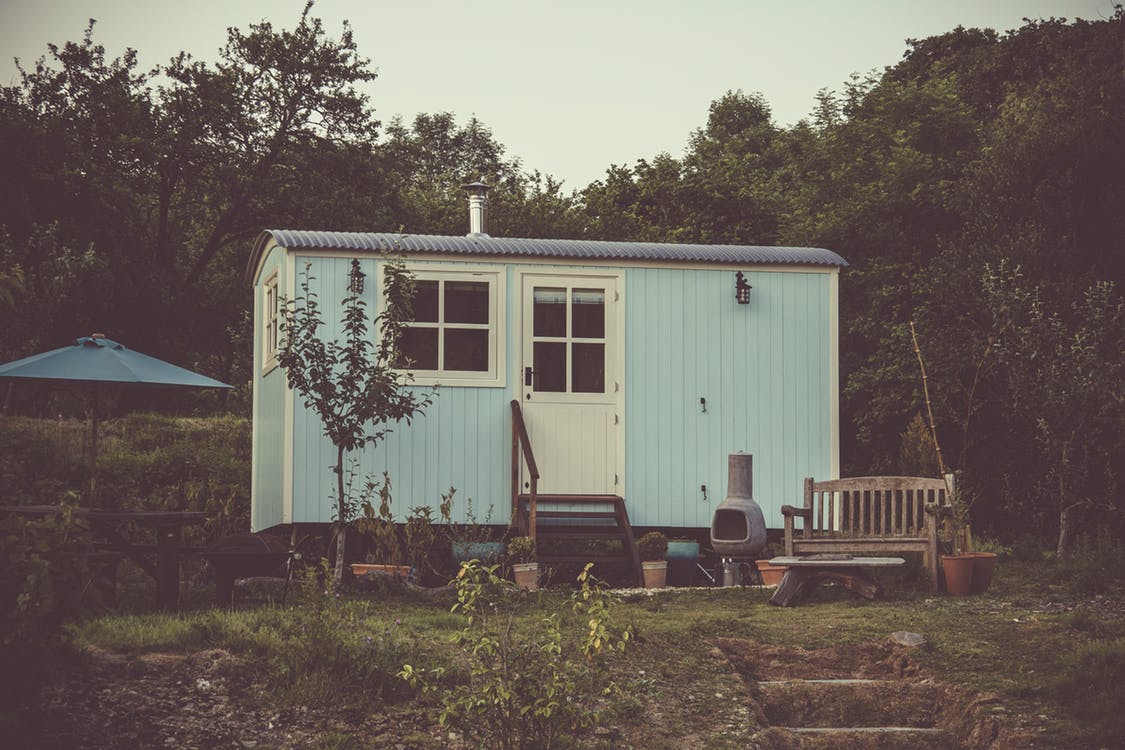
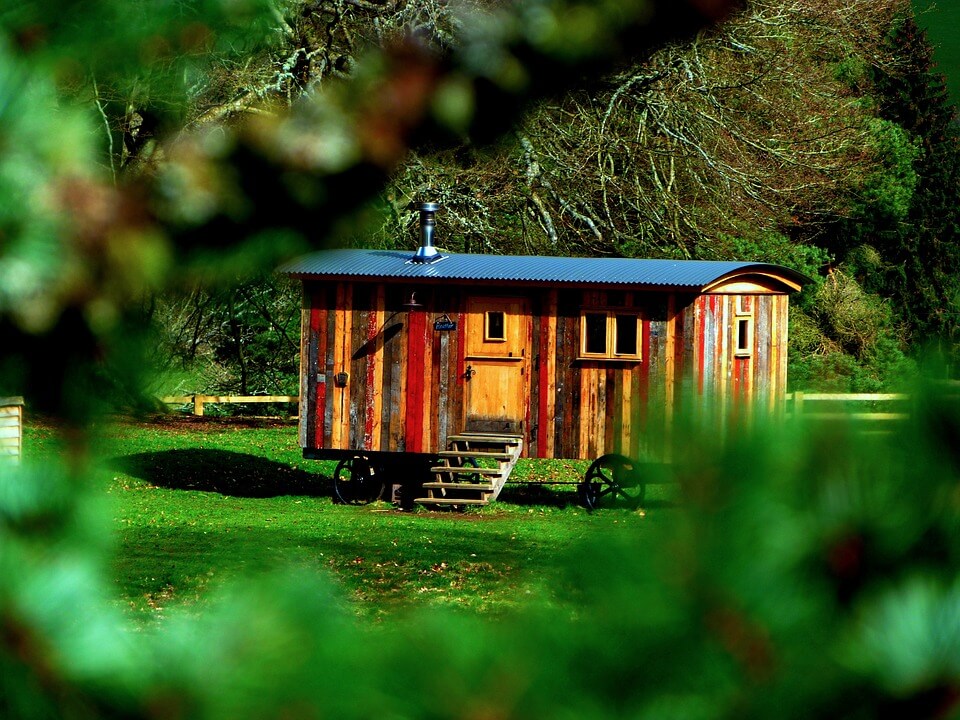
Tiny homes come in various types, each catering to different needs and lifestyles. If mobility is a priority, Tiny Homes on Wheels (THOWs) are ideal. They allow you to travel and live anywhere, offering the freedom to explore. Park-ready tiny homes, on the other hand, are designed for those who prefer a stationary lifestyle but still want a compact living space. These homes are meant to be placed in RV parks or other designated areas. For those seeking more stability and space, Tiny Homes on Foundations (THOFs) provide a permanent solution.
Prices for tiny homes range from $30,000 to $130,000, depending on the type and customization options. Builders offer a variety of design choices, from traditional to modern styles, allowing you to select one that matches your preferences. Customization options include finishes, materials, and layouts, enabling you to create a home that reflects your personality. Whether you favor classic wooden finishes or sleek, modern materials, there is a design to suit everyone. With numerous options available, you can design a tiny home that perfectly fits your lifestyle and needs.
Custom Vs. Production Homes
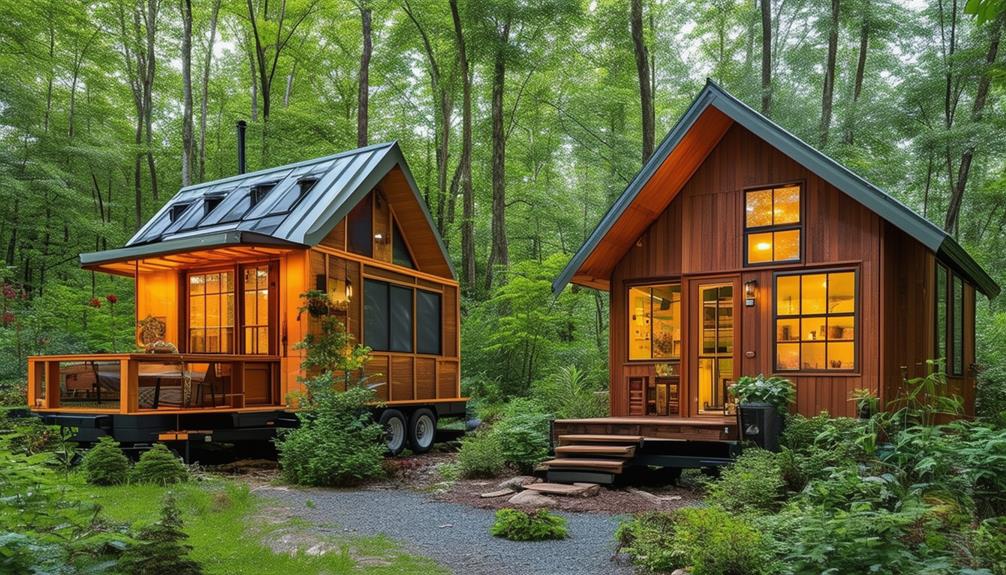
Choosing between custom and production homes depends on your budget, timeline, and desire for personalization. Custom homes offer unparalleled flexibility in design, allowing you to collaborate with builders to create distinct features and layouts tailored to your lifestyle. If you have specific needs or preferences, custom homes can deliver a one-of-a-kind living experience.
On the other hand, production homes are generally more affordable and have quicker construction times. These homes come in standard layouts, which means you might have limited options for customization. However, if you're looking for a cost-effective solution and need your home built quickly, production homes are a practical choice.
Builders specializing in custom homes will focus on your individual requirements, ensuring every detail aligns with your vision. This might mean more time and potentially higher costs, but the result is a home that's distinctly yours. Conversely, production builders streamline the process by offering predefined layouts and designs, making them an excellent option for those who prioritize affordability and speed.
Ultimately, the decision between custom and production homes hinges on what you value more: a personalized, distinct design or a quicker, more affordable build.
Pricing and Budget
Understanding the pricing and budget for tiny homes is crucial for making informed decisions about your investment. Most tiny home builders offer pricing transparency, displaying costs upfront, which simplifies both budget and project planning. The price range for tiny homes typically falls between $30,000 and $130,000, accommodating various budget considerations.
Transparent pricing enables you to compare costs and customization options effortlessly, making your decision-making process smoother. Knowing the cost upfront ensures there are no surprises later on, allowing for well-informed decisions about your tiny home.
Here's a quick breakdown to give you an idea of what to expect:
| Price Range | Features Included | Customization Options |
|---|---|---|
| $30,000-$50,000 | Basic models, essential amenities | Limited customization |
| $50,000-$80,000 | Mid-range models, upgraded features | Moderate customization |
| $80,000-$100,000 | High-end models, premium finishes | Extensive customization |
| $100,000-$130,000 | Luxury models, top-tier amenities | Full customization |
| Above $130,000 | Custom builds, unique designs | Highly personalized options |
Shipping Areas
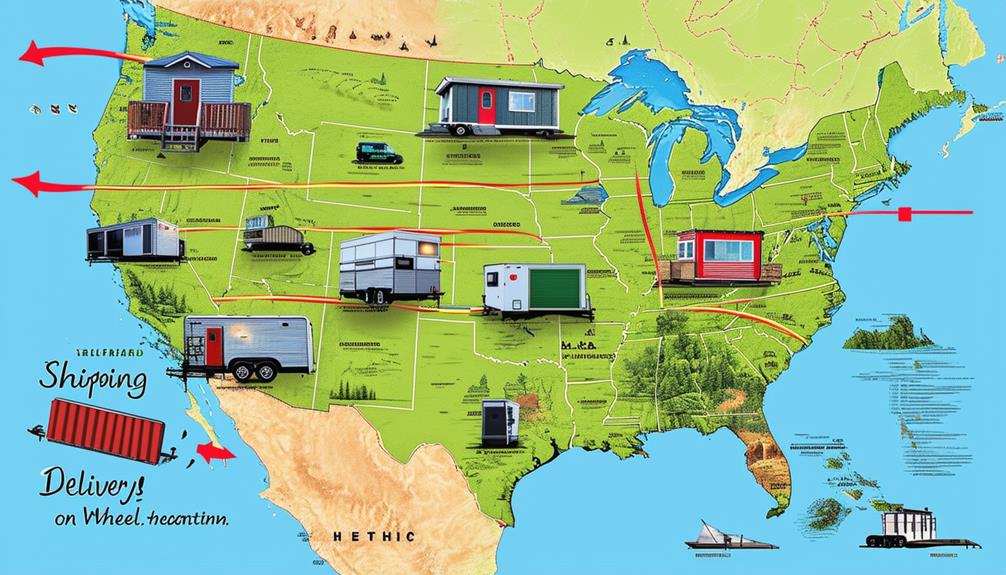
When planning your tiny home purchase, verifying if the builder's shipping area includes your location is crucial. Tiny home builders have specific regions they cover to ensure timely and efficient delivery. Each builder's shipping area varies, affecting your delivery options and associated costs.
Begin by confirming the shipping coverage of the tiny home builders you're considering. Ensure your desired location falls within their service area, as this directly impacts delivery timelines and shipping costs. Builders typically aim to deliver homes finished and ready for use, but shipping area constraints can influence the speed and efficiency of delivery.
To avoid unexpected delays, inquire about delivery timelines and understand the shipping areas defined by each builder. Some builders offer broader shipping coverage with more flexible delivery options, while others have more limited service areas to maintain efficiency. By understanding these nuances, you can better plan the arrival of your tiny home and avoid extra shipping costs.
Construction Time
Constructing a tiny home usually takes 2-4 months for standard models, while custom designs can extend the timeline to 4-6 months or more. Several factors influence the construction time of your tiny dwelling. Standard models benefit from pre-designed layouts and readily available materials, leading to quicker completion. Custom models require additional time for unique design elements and special requests.
Weather conditions significantly impact the construction timeline. Inclement weather can cause delays, especially for outdoor builds. Builder workload is another crucial factor; high-demand builders may have longer wait times before starting your project. Additionally, the availability of materials can either expedite or slow down the construction process, depending on supplier efficiency.
During the consultation phase, builders will provide estimated delivery times, helping you plan your move-in date. It's essential to inquire about construction timelines upfront to set realistic expectations and make necessary arrangements.
Warranties and Insurance
When choosing a tiny home builder, it is crucial to understand the warranties available for both structural and mechanical components. Look for builders who offer standard 1-year warranties, and consider those that extend coverage up to 5 years for added peace of mind. Additionally, explore insurance options specifically designed for tiny homes, as conventional policies may not adequately cover your unique requirements.
Coverage and Duration
Understanding the coverage and duration of warranties and insurance is crucial for protecting your tiny home investment. Most reputable manufacturers offer a standard 1-year warranty on structural items, ensuring they meet high safety standards and quality construction. Some premium builders even offer extended warranties, providing added peace of mind. Addressing any manufacturing defects promptly is essential to maintaining your tiny home's longevity and reliability.
In addition to warranties, insurance options are vital for safeguarding your tiny home. Policies such as manufactured home or RV insurance are tailored to protect against unforeseen circumstances. Choosing the right insurance ensures your tiny home investment is well-protected.
Here's a quick comparison of warranty and insurance aspects among top builders:
| Aspect | Standard Warranty | Extended Warranty |
|---|---|---|
| Duration | 1 year | Varies (2-5+ years) |
| Coverage | Structural items | Broader inclusions |
| Defect Handling | Prompt repair/replacement | Enhanced service terms |
| Safety Standards | High | Highest |
| Insurance Options | Basic coverage options | Comprehensive plans |
Structural and Mechanical Warranties
Many small home builders provide structural and mechanical warranties to ensure your investment is secure over the long term. These warranties typically cover essential structural elements and mechanical systems for at least a year, ensuring any issues arising from manufacturing defects are promptly addressed. This protection is crucial for maintaining the integrity and safety of your small home.
Choosing reputable builders who prioritize safety standards and offer comprehensive warranties ensures your small home is built to last. Some top-tier builders even provide extended warranties, offering additional peace of mind and assurance of the home's durability.
Extended warranties go beyond standard coverage, providing prolonged protection for structural and mechanical components. This additional layer of security can be invaluable, especially given the unique construction and usage of small homes.
While standard warranties offer significant protection, exploring additional insurance options can provide even more extensive coverage. These options can safeguard your small home against unforeseen events, offering extra peace of mind beyond what warranties typically cover.
Insurance Policy Options
Securing the appropriate insurance policy for your tiny home is essential to protect your investment and ensure peace of mind. Depending on your tiny home's design and mobility, you might consider a manufactured home policy or an RV policy. Both options provide vital coverage, but choosing the right one depends on your home's specifics.
When purchasing a tiny home, always look for warranties covering structural and mechanical aspects. Reputable builders usually offer these warranties, ensuring that any manufacturing defects are promptly addressed. Standard warranties typically last for a year, but premium builders often extend these warranties for longer-term protection.
For specialized coverage tailored to tiny homes, seek a specialist insurer like Strategic Insurance Agency. They understand the unique needs of tiny homeowners and offer policies that cover both common and unusual risks. These insurers provide peace of mind by ensuring that your home, whether stationary or mobile, is well-protected.
Choosing the right insurance and warranties from the start can save you significant trouble and expense down the line. By partnering with reputable builders and specialist insurers, you can secure your tiny home's future against potential risks and defects.
Top Tiny Home Builders
When searching for top tiny home builders in the U.S., consider these industry leaders known for their unique designs and exceptional craftsmanship:
Tumbleweed Tiny House Company stands out with its Certified Green status by TRA, offering a wide range of styles and interactive online design options. Their special pricing and eco-friendly builds make them an excellent choice for both veteran and newcomer buyers.
Tiny Heirloom excels in customization. Specializing in bespoke tiny home design and build, they collaborate with clients throughout the process, providing frequent updates to ensure the home is tailored to exact specifications.
Mustard Seed Tiny Homes offers versatility with their models, including THOWs (Tiny Houses on Wheels), park-ready homes, and THOFs (Tiny Houses on Foundations). Their extensive customization options allow you to create a home perfectly suited to your lifestyle.
Custom Container Living focuses on upcycling shipping containers into eco-friendly tiny homes. They provide interactive design features, enabling you to create sustainable housing solutions that meet modern green living standards.
Mint Tiny House Company is ideal for those seeking RV-style tiny homes. They offer modern design touches and upgradable features, ensuring your compact living space is both functional and stylish.
These companies are recognized for their commitment to quality, innovation, and customer satisfaction, making them trustworthy choices for your tiny home needs.