The Pros and Cons of Tiny Home Living
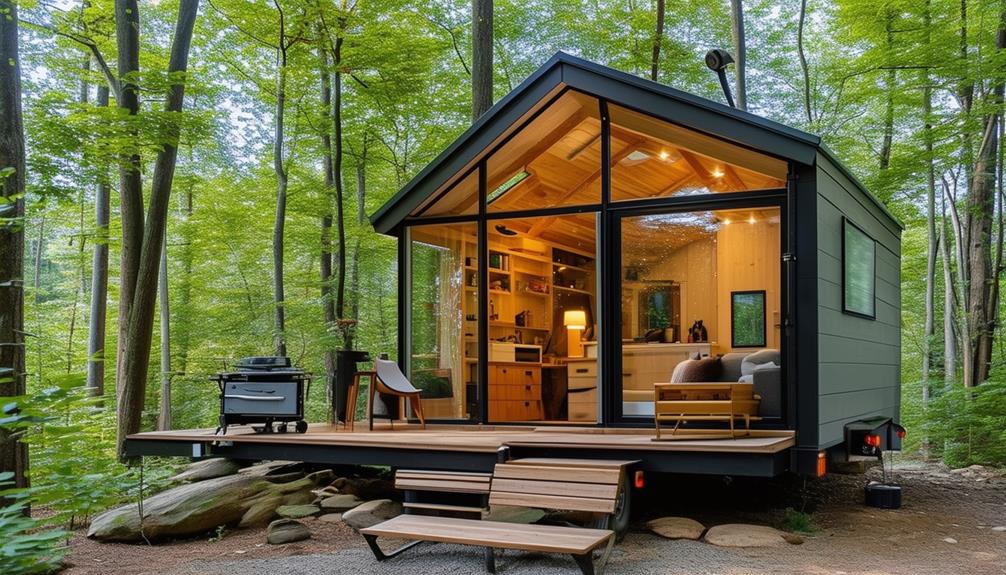
When considering tiny home living, you might be attracted to its financial and environmental benefits, such as lower utility costs and the ability to design a personalized space. However, this lifestyle also comes with challenges, including legal complexities and limited storage. Weighing these factors—cost-effectiveness versus practical limitations—can help you determine if tiny home living is right for you.
Financial Benefits
Small homes offer significant financial advantages, making them an attractive option for budget-conscious individuals. One of the most compelling aspects is their affordability. While conventional homes can cost hundreds of thousands of dollars, small homes generally range from $30,000 to $60,000. This substantial difference enables homeownership without the heavy financial burden.
Lower utility bills also contribute to cost savings. Smaller homes require less energy to heat, cool, and power, resulting in lower monthly utility expenses. Maintenance costs are similarly reduced, as the smaller space requires fewer resources to upkeep.
Constructing your small home can provide additional financial benefits. Building it yourself is often cheaper than purchasing a pre-fabricated model, further enhancing affordability. Big-box stores like Amazon and Costco offer cost-effective options for furnishing and equipping your small home, providing additional savings opportunities.
The affordability of small homes broadens access to homeownership for a wider demographic, promoting financial freedom. This accessibility allows you to allocate resources to other essential areas of your life. In essence, small home living offers a smart, budget-friendly pathway to owning a home.
Practical Advantages
Living in a small home offers several practical advantages that can significantly enhance your daily life. One major benefit is the ease of furnishing. With a smaller space, you require less furniture, encouraging a clutter-free environment that can reduce stress and increase enjoyment.
Tiny homes are also highly customizable. You can tailor your space to meet your specific needs, whether it's a lofted bed, built-in storage, or a cozy reading nook. This personalization ensures that your home feels uniquely yours.
Affordability is another key advantage. Tiny homes typically have lower construction and maintenance costs compared to traditional houses, making them a more accessible option for many. Additionally, they often result in reduced energy consumption, leading to savings on utility bills.
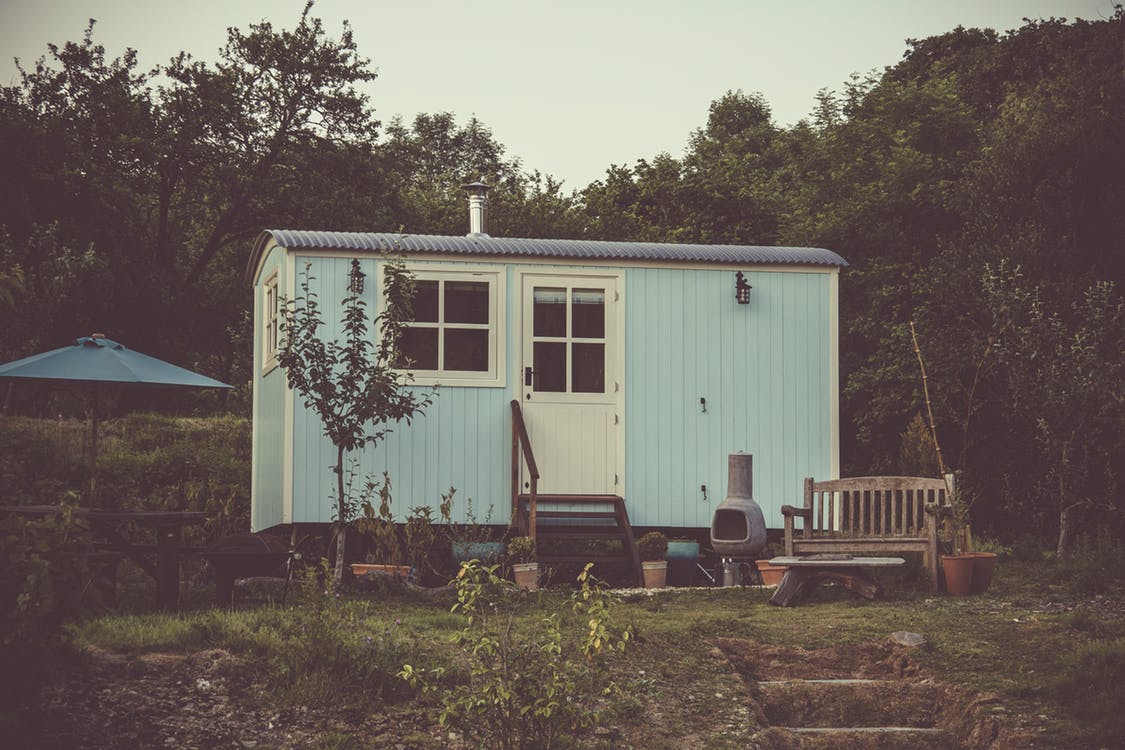
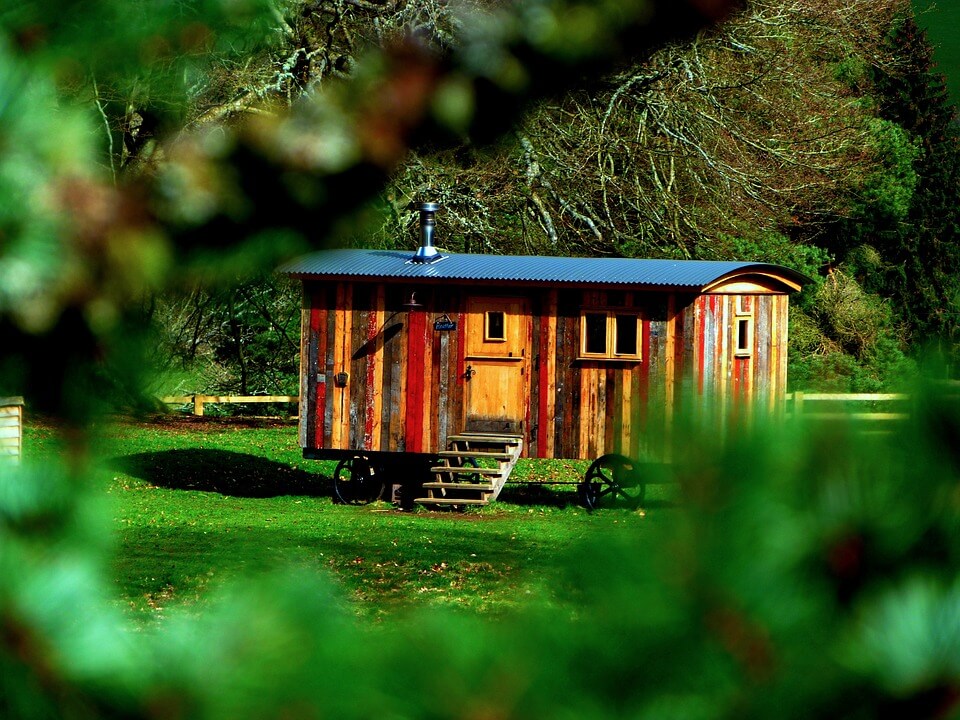
Mobility is an added benefit. Many tiny homes are built on wheels, allowing you to travel with your home and experience different living environments without the hassle of moving furniture or securing new accommodations.
Environmental Benefits
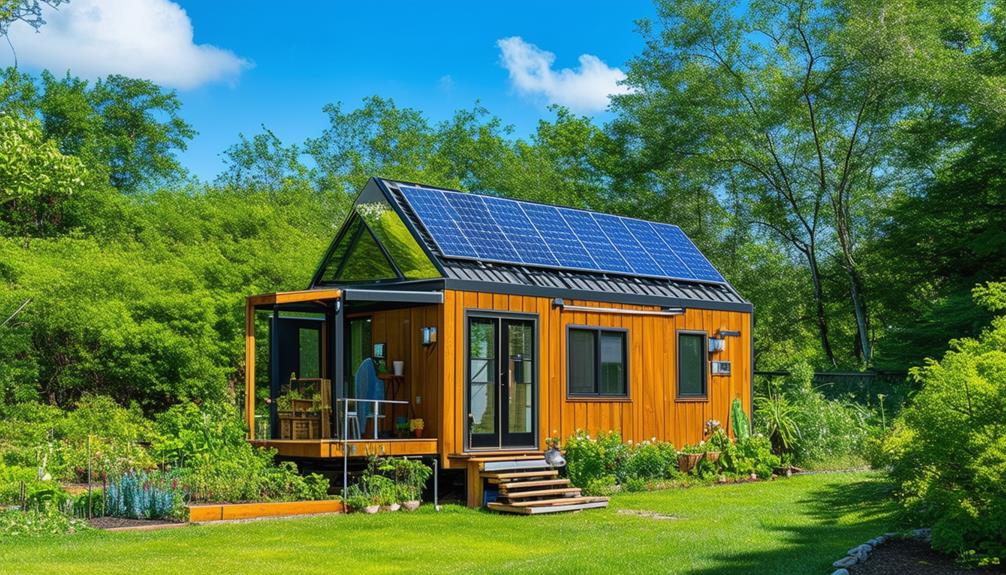
In addition to practical benefits, tiny home living presents significant environmental advantages. By opting for a tiny home, you can substantially reduce your carbon footprint. These homes often feature energy-efficient designs that lower energy consumption, making them a sustainable living choice.
Tiny houses are frequently constructed using eco-friendly materials, minimizing environmental impact during the building process. Moreover, a minimalist lifestyle supports conservation efforts, as owning fewer possessions leads to reduced resource consumption and waste production.
Many tiny homes offer off-grid options, enabling self-sufficient living and decreased reliance on traditional utilities. Utilizing renewable energy sources like solar panels to power your home further supports environmentally friendly practices. Additionally, implementing rainwater harvesting systems and composting toilets can further reduce your environmental footprint.
Space and Storage
How do you optimize limited space and storage in a tiny home? Tiny house living requires creativity in storage solutions and a strong focus on organization. Downsizing your belongings is essential to minimize clutter and maximize available space. Begin by evaluating your necessities and letting go of non-essential items.
One effective strategy is utilizing multi-purpose furniture with concealed storage compartments. Beds, sofas, and even stairs can serve dual functions, providing storage while fulfilling their primary role. Integrated shelving and wall-mounted racks help utilize vertical space, keeping items off the floor and creating more room to move around. Customizing your storage solutions to meet your specific needs will help balance space limitations and reduce clutter.
Here's a concise overview of some innovative solutions to optimize space:
| Storage Solution | Benefit |
|---|---|
| Multi-purpose furniture | Concealed compartments for storage |
| Integrated shelves | Utilize vertical space |
| Wall-mounted racks | Keep items off the floor |
| Customized storage solutions | Fit specific needs and maximize space |
Organization is crucial in tiny homes. Strategic planning ensures every item has a designated place, reducing clutter. By embracing these innovative solutions and focusing on organization, you can optimize limited space effectively in your tiny home.
Mobility and Flexibility
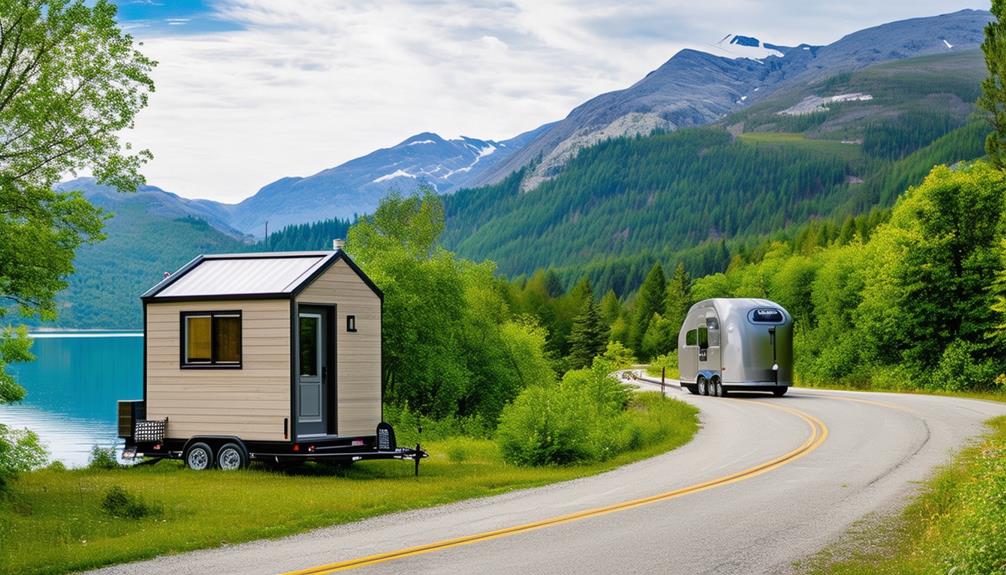
Tiny homes offer unparalleled mobility and flexibility, allowing you to tow your house to new locations with ease. This means you can relocate effortlessly and explore different environments while retaining the comforts of home. Imagine the freedom to change your surroundings whenever you desire, embracing new landscapes and lifestyles.
Home on Wheels
Tiny homes on wheels offer a unique blend of mobility and flexibility, allowing you to easily relocate or travel with your entire home. These homes can be towed to various locations, giving owners the freedom to change their scenery or lifestyle as they see fit. Whether you're an adventurer seeking new landscapes or someone who enjoys the option to move, tiny homes on wheels cater perfectly to those needs.
Traveling with your tiny house means you don't have to sacrifice the comforts of home while exploring new places. You can experience different living environments, from the mountains to the coast, without ever leaving your front door behind. The ability to relocate your home opens up endless possibilities for seasonal living or spontaneous road trips.
While some owners prefer to keep their tiny homes on a foundation, having the flexibility to tow and travel offers a unique advantage. This lifestyle isn't just about reducing your living space; it's about maximizing your experiences and opportunities. Tiny homes on wheels empower you to live life on your terms, adapting to your desires and circumstances with unparalleled ease.
Relocation Made Easy
Tiny homes offer unmatched mobility and flexibility, allowing you to effortlessly relocate and experience a variety of living environments. Whether your tiny home is stationary on a foundation or designed to be towed, this lifestyle provides unparalleled freedom. Imagine waking up to mountain views one month and seaside sunsets the next—tiny homes make such vibrant living a reality.
Traveling with your tiny home means you can explore new places without sacrificing the comforts of home. This lifestyle is perfect for those with a thirst for adventure and a love for exploration. With minimal effort, you can switch your surroundings, creating an ever-evolving backdrop for your life.
Here's an overview of how tiny homes enhance mobility and flexibility:
| Aspect | Benefit |
|---|---|
| Mobility | Easy to tow to diverse locations |
| Relocation | Effortless moves to different settings |
| Flexibility | Adaptable living arrangements |
| Travel | Home comfort while discovering new destinations |
| Dynamic Living | Constantly changing scenery and experiences |
This dynamic approach not only adds a sense of adventure but also allows you to fully customize your living experience to suit your lifestyle and preferences. Tiny homes optimize mobility and flexibility, making it easier for you to live a vibrant and personalized life, no matter where you choose to go.
Explore New Horizons
Embracing the mobility and flexibility of tiny house living allows you to explore a variety of new horizons and environments. With a mobile tiny home, you can easily tow it to different locations, granting you the freedom to choose where you want to live. This versatility enables you to navigate new landscapes whenever you crave adventure.
Traveling with your tiny house combines the comforts of home with the excitement of personalized travel. Imagine waking up to different settings, from serene mountains to bustling cities, without ever leaving your home. This lifestyle offers a unique way to experience diverse environments and adapt to your changing preferences and needs.
The ability to move your tiny home wherever you please opens up a world of possibilities:
- Explore New Places: Discover new locations and cultures without the hassle of traditional relocation.
- Enhanced Mobility: Easily relocate your home based on your personal and professional needs.
- Increased Flexibility: Adapt your living arrangements to suit your lifestyle, whether staying put or constantly on the move.
- Endless Adventure: Enjoy the thrill of new experiences and ever-changing surroundings.
Tiny house living's mobility and flexibility offer unparalleled opportunities for exploration and adventure.
Design and Customization
Designing and customizing a tiny home allows you to create a personalized and functional space tailored to your unique style and needs. In tiny house living, design and customization are crucial for maximizing the potential of a compact space. Multi-functional furniture plays a significant role, enabling efficient use of every square inch. For instance, a sofa that converts into a bed or a dining table that doubles as a workspace can significantly enhance your living area.
Despite their small size, tiny homes can include modern amenities that add a touch of luxury. Features such as heated tiles and towel warmers can make your tiny home feel like a high-end retreat. Customization empowers you to select high-quality appliances without compromising comfort. Imagine incorporating a compact washer/dryer unit or a small bathtub into your design.
Customization also allows you to align your tiny home with your lifestyle preferences. Whether you lean towards a minimalist aesthetic or a more opulent look, you have the freedom to choose materials, colors, and layouts that resonate with you. This makes your tiny home a true reflection of your personality and functional needs.
Modern Amenities
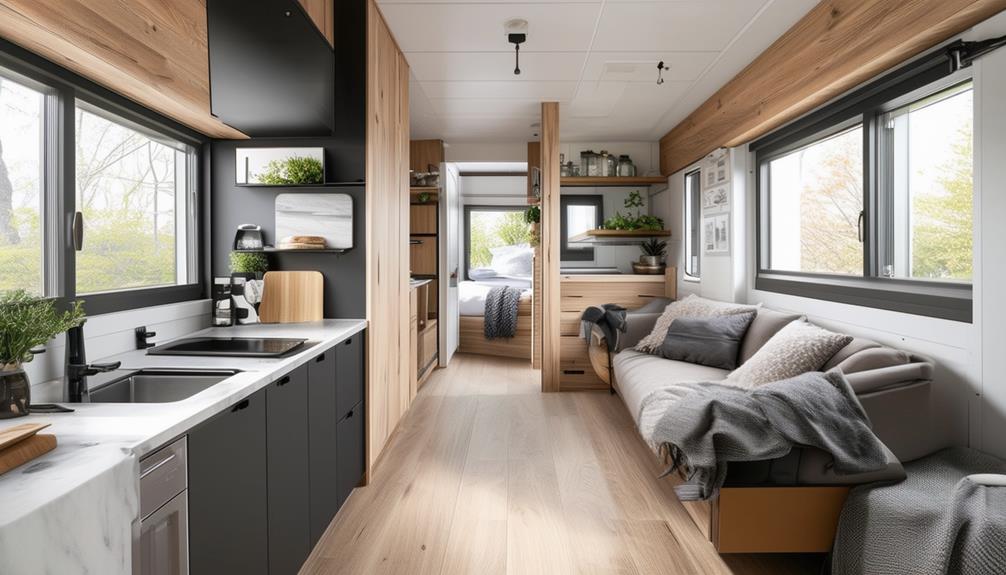
In a tiny home, you can still enjoy modern amenities like air conditioning and washer/dryer units. Space-saving innovations such as heated tiles and compact stovetops ensure you don't sacrifice luxury for size. This efficient use of space allows you to have all the necessary conveniences in a smaller footprint.
Maximizing Comfort Features
Tiny homes often come equipped with modern amenities such as air conditioning and washer-dryer units, ensuring that comfort is not sacrificed for space. These compact dwellings are designed to optimize both comfort and functionality. By thoughtfully integrating contemporary features, tiny homes can offer a luxurious living experience within a limited footprint.
You might be surprised by how many conveniences can fit into a small space thanks to smart customization options. Heated tiles and towel warmers can transform your tiny home into a cozy retreat, while compact stovetops and small bathtubs ensure that you can enjoy the same comforts found in larger homes. Careful design choices enhance the functionality of these tiny homes, ensuring every corner is utilized effectively.
Here are some modern amenities you can expect in a well-designed tiny home:
- Air conditioning: Keeps your living space comfortable regardless of the weather.
- Washer-dryer units: Offers the convenience of in-home laundry without taking up extra space.
- Heated tiles: Provides warmth and a touch of luxury underfoot.
- Compact stovetops: Allows you to cook meals without compromising kitchen space.
Space-Saving Innovations
Maximizing comfort is essential, and space-saving innovations ensure that tiny homes make the most of every inch without compromising on modern amenities. Tiny houses can feature conveniences like air conditioning, washers and dryers, stovetops, and even small bathtubs. They often mimic larger homes by incorporating luxurious elements such as heated tiles and towel warmers, ensuring no loss of comfort.
Designing a tiny house focuses on maximizing both space and functionality. Clever layouts and multi-purpose furniture allow for the inclusion of all necessary appliances and comforts within a compact space. Fold-out beds and retractable tables are examples of how space-saving advancements ensure each element serves multiple purposes. This enables you to enjoy the same conveniences found in larger homes but in a more efficient manner.
Despite their smaller footprint, tiny houses offer the convenience and comfort of larger homes. Modern amenities enhance your living experience, making it possible to live comfortably in limited space. With careful planning and innovative design, tiny homes demonstrate that you don't need a large area to enjoy a fully functional, comfortable, and convenient living space.
Legal and Zoning Challenges
Understanding the legal and zoning challenges of small dwelling living requires a comprehensive grasp of local regulations and potential restrictions. Zoning laws might limit where you can park or construct your small dwelling, affecting your options for placement. Legal issues often stem from outdated building codes that fail to accommodate small dwellings. Many areas have minimum size requirements that your small dwelling might not meet, leading to zoning problems. Familiarity with local laws and regulations is crucial to ensure compliance and avoid legal complications.
Navigating these challenges demands thorough research and consultation with professionals experienced in small house regulations. Some areas may be more welcoming to small dwellings, offering more flexible zoning regulations and fewer legal hurdles. Each locality has its own set of rules, so understanding these in advance can prevent future difficulties.
- Zoning Regulations: Review local zoning laws to determine permissible locations for your small dwelling.
- Building Codes: Ensure your small dwelling complies with local building codes to avoid legal challenges.
- Area Size Requirements: Verify that your small dwelling meets minimum area size requirements.
- Consultation with Professionals: Seek advice from experts knowledgeable about small house regulations to ensure compliance.
Understanding these challenges will help you make informed decisions as you embark on your small dwelling journey.