The Most Popular Tiny Home Designs of 2024
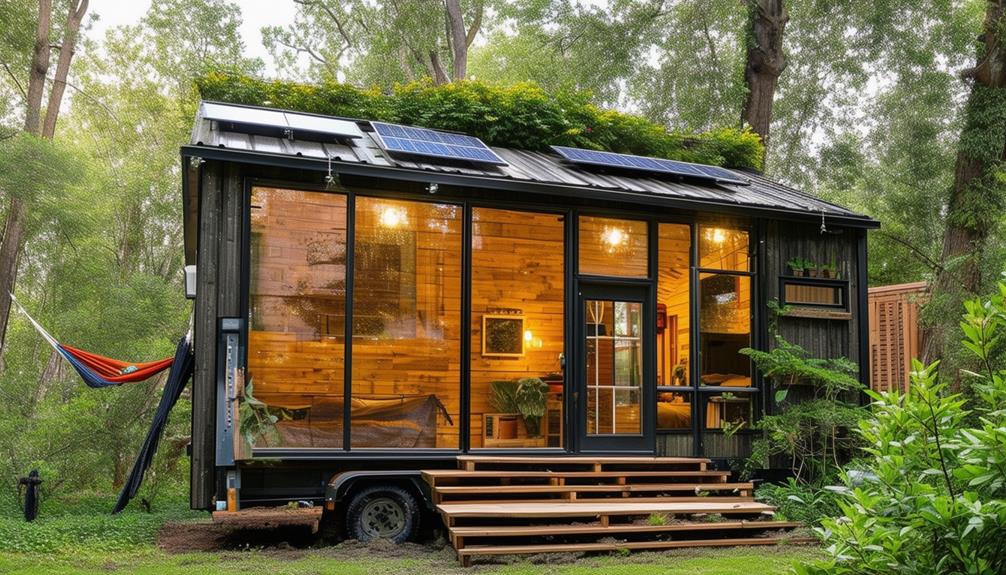
Curious about the top tiny home designs for 2024? These innovative spaces are transforming compact living through a blend of modern minimalism, sustainability, and smart technology. Imagine homes where sleek lines meet versatile furniture, creating both stylish and functional environments. Eco-friendly solar-powered homes and cozy rustic designs are also gaining traction, each offering unique benefits. What truly sets this year's designs apart are the ingenious solutions that make the most of every square inch. Ready to explore the details and find the perfect design for you? Let's dive into the specifics and see how these trends can transform your living space.
Modern Minimalist Design
Embracing contemporary minimalist design in your small home means focusing on sleek lines, open spaces, and a neutral color palette. Prioritizing functionality and efficiency is crucial to creating a sanctuary where every inch is optimized to reduce clutter and promote relaxation.
Start by integrating multifunctional furniture, such as a couch with built-in storage or a wall-mounted bed. These solutions help maintain a clutter-free environment. Neutral tones like whites, grays, and beiges create a serene atmosphere, while natural materials like wood and stone add warmth and texture, making the space feel both cozy and spacious.
Strategic lighting is vital. Maximize natural light with large windows and skylights, and use simple fixtures to provide ample illumination without overwhelming the space. Minimalist decor, such as understated artwork and a few well-chosen plants, enhances harmony and mindfulness. By adhering to these principles, your small home will not only look stylish but also offer a tranquil and efficient living experience.
Sustainable Solar Homes
Harnessing the power of sunlight, sustainable solar homes generate their own electricity through photovoltaic panels, significantly reducing your carbon footprint. Choosing one of these tiny homes means embracing a minimalist lifestyle and committing to a greener planet. Photovoltaic panels convert sunlight into electricity, powering your home's appliances and lighting systems.
Given the limited space in tiny homes, energy efficiency is crucial. These homes are equipped with energy-efficient appliances and LED lighting to minimize energy consumption. Every bit of space and energy is optimized, making your tiny home both cozy and sustainable.
To ensure consistent power supply even during cloudy days, many designs include battery storage systems. These systems store excess energy produced on sunny days, providing a reliable electricity supply when needed. Additionally, some designs incorporate passive solar heating techniques, maximizing natural light and warmth to reduce the need for additional heating.
Cozy Rustic Charm
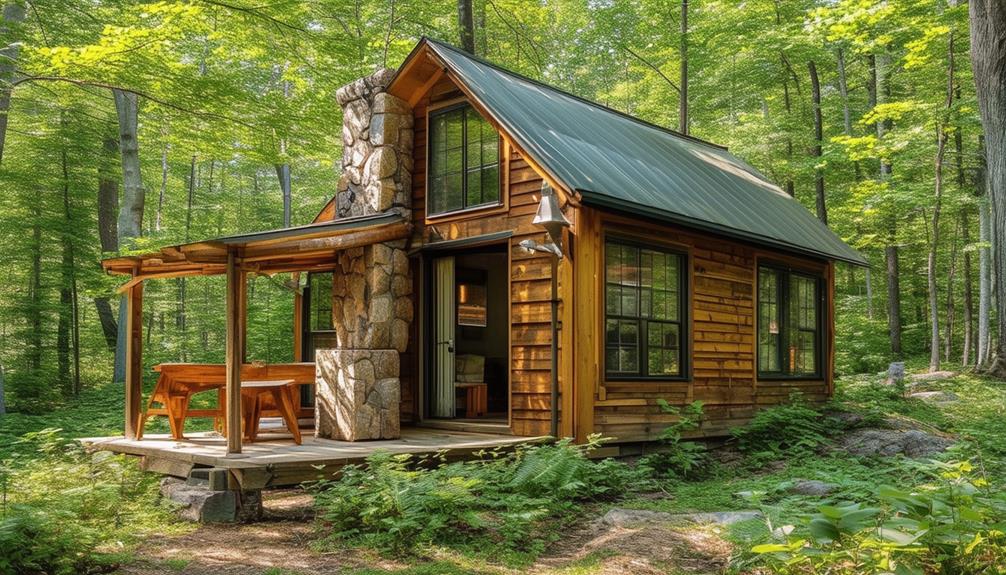
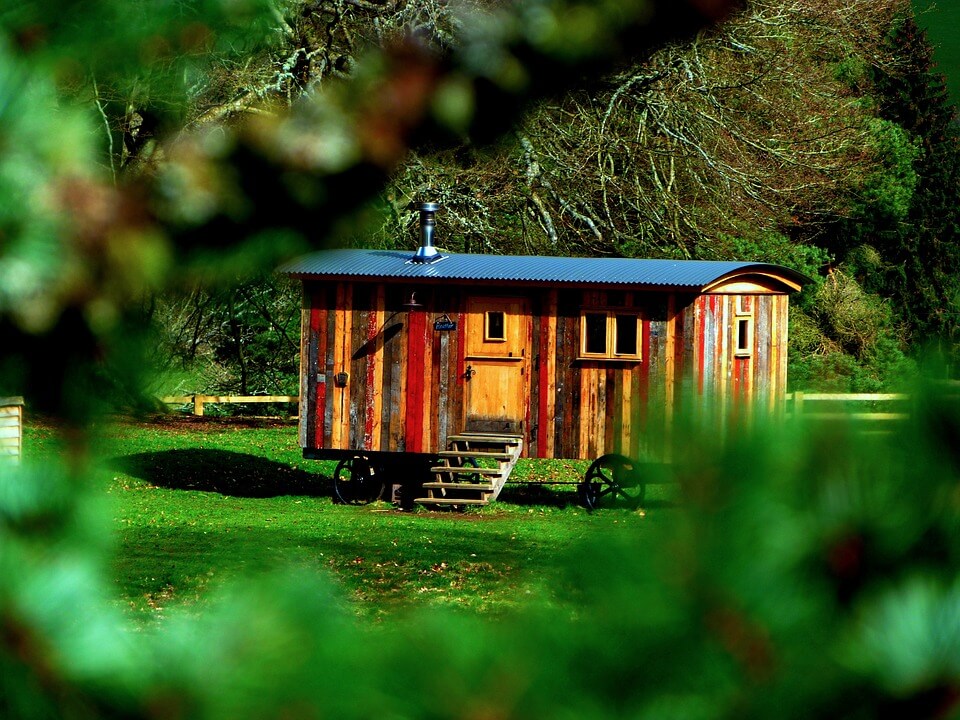
After exploring the sustainable benefits of solar homes, let's turn our attention to the cozy rustic charm of tiny home designs that bring warmth and comfort into your living space. Imagine stepping into a vintage farmhouse-inspired tiny home where reclaimed wood elements and earthy tones envelop you in a sense of nostalgia and simplicity. These homes often feature exposed beams and wood-burning stoves, creating a cozy cabin atmosphere ideal for chilly evenings.
Incorporating natural materials like stone, wood, and metal, these designs achieve an authentic rustic chic aesthetic. The charm lies in the details—think rustic decor that balances functionality with aesthetic appeal, seamlessly blending modern amenities with traditional rustic elements. The use of reclaimed wood and natural stones not only enriches the visual appeal but also connects you to nature, making your tiny home a serene retreat.
These designs are all about creating an inviting and warm environment. Whether you're drawn to a vintage farmhouse style or the feel of a cozy cabin, these tiny homes focus on simplicity and comfort, proving that small spaces can be both functional and utterly charming.
Off-Grid Living
Off-grid living allows you to break free from traditional utilities and embrace a sustainable, eco-friendly lifestyle. By adopting this approach, you can join a community that values independence and a closer connection to nature. Off-grid tiny homes are typically self-sustaining, utilizing renewable energy sources like solar panels and wind turbines for power. This reduces reliance on the grid and minimizes your carbon footprint.
One of the standout innovations in these homes is water recycling systems, which ensure every drop is used efficiently. Composting toilets are another common feature, converting waste into valuable compost and reducing environmental impact. These sustainable technologies make off-grid living both practical and responsible.
Many off-grid tiny homes are designed to be portable, allowing you to take your eco-friendly lifestyle wherever you go. Whether you choose a remote location or prefer to travel, these homes offer the flexibility and independence you desire. Off-grid living isn't just about sustainability; it's about embracing a simpler, more fulfilling way of life that aligns with your values.
Luxury Smart Homes
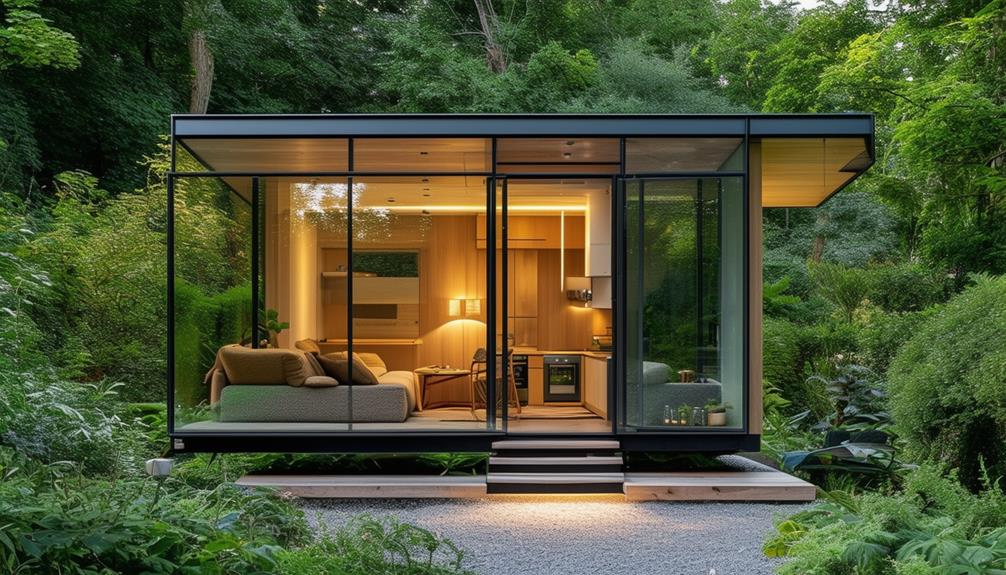
Luxury smart homes seamlessly integrate advanced technology to offer unparalleled convenience, security, and comfort. These residences excel in space optimization, utilizing multi-functional furniture and hidden storage solutions to maximize every square foot. Embrace a high-end, tech-savvy lifestyle without compromising on style or functionality.
Integrated Smart Technology
Imagine living in a high-end, compact residence where you control everything from lighting to security using just your voice or smartphone. In 2024, these homes are equipped with voice-operated appliances and remote lighting systems, simplifying daily activities. Envision adjusting your oven's temperature or the lights effortlessly.
Smart security systems ensure your well-being with features like intelligent locks and surveillance cameras that you can monitor from anywhere. These systems not only enhance security but also contribute to energy efficiency by integrating with smart thermostats and automated blinds. This integration allows you to optimize your home's climate and reduce energy consumption effortlessly.
The appeal of these high-end, compact residences lies in their personalized experiences. A central control hub enables you to customize lighting, temperature settings, and entertainment options to suit your preferences. Imagine entering a home where the lights adjust to your mood, the temperature is perfect, and your favorite music starts playing—all automatically.
Space Optimization Techniques
Optimize your living space using innovative organization techniques designed for luxury smart tiny homes. These homes are meticulously crafted to balance functionality, comfort, and style within a compact footprint.
- Concealed Compartments: Maximize unused areas with hidden storage solutions under stairs, beneath beds, and within walls. These compartments help maintain a clutter-free environment while preserving a sleek, minimalist aesthetic.
- Modular Shelving: Employ modular shelving units that can be easily reconfigured to meet evolving needs. These shelves offer flexible storage options, adapting seamlessly to various room layouts and functions.
- Simplified Decor: Embrace a minimalist decor approach to create an open, airy atmosphere. Opt for multi-functional furniture and limit ornamental items to ensure each piece serves a purpose, enhancing both functionality and sophistication.
- Versatile Furniture: Choose furniture that serves multiple roles, such as a sofa that converts into a bed or a dining table that folds into the wall. This strategy conserves space and increases the versatility of your living areas.
Scandinavian Interiors
Scandinavian interiors capture the essence of simplicity and functionality, making them perfect for tiny home designs. Embracing Nordic-inspired decor, these interiors prioritize clean lines, neutral color palettes, and natural materials like wood and stone. The result is a space that feels serene and uncluttered, ideal for maximizing the limited square footage in a tiny home.
The concept of Hygge-inspired living is central to Scandinavian design. It focuses on creating a cozy, inviting atmosphere where you can relax and unwind. Soft textiles, warm lighting, and elements that bring comfort to your living space are essential. Incorporating plants and organic shapes helps to bring a touch of nature indoors, enhancing the overall sense of tranquility.
Scandinavian simplicity is evident in every aspect of the design. Furniture is sleek and modern, focusing on practicality without sacrificing elegance. The use of natural light is emphasized, making the most of windows and open spaces to keep your tiny home feeling bright and airy.
| Key Element | Description | Example |
|---|---|---|
| Color Palette | Neutral tones for a calm, serene environment | Whites, grays, soft pastels |
| Materials | Natural elements for warmth and texture | Wood, stone, natural fibers |
| Lighting | Maximizing natural light and cozy artificial light | Large windows, soft lamps |
Incorporating these elements will help you create a tiny home that's both functional and inviting.
Space-Saving Innovations
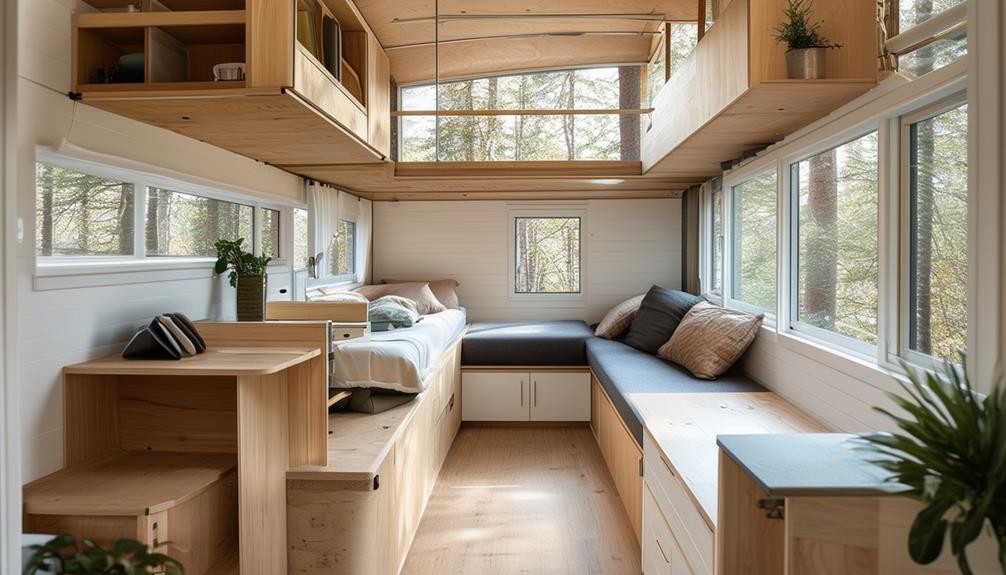
When designing a tiny home, incorporating Murphy beds, multifunctional furniture, and built-in storage is essential. These elements not only enhance efficiency but also create a more livable and comfortable environment. Utilizing these innovations significantly improves the perceived spaciousness of your tiny home.
Murphy Beds Efficiency
Murphy beds are an ingenious solution for maximizing space in tiny homes, seamlessly folding into walls or cabinets when not in use. This space-saving innovation is ideal for compact living, allowing you to transform a room with minimal effort. By utilizing vertical space, a Murphy bed frees up more floor area for other activities. Additionally, many Murphy beds feature hidden storage options, increasing their practicality.
Here are four key benefits of Murphy beds in tiny home designs:
- Maximized Floor Space: When folded, Murphy beds create open floor space, allowing the room to serve multiple purposes throughout the day.
- Hidden Storage: Some designs incorporate cabinets or shelves, offering extra storage solutions without occupying additional space.
- Vertical Space Utilization: By leveraging wall space, Murphy beds free up horizontal space, making small rooms feel more spacious.
- Versatile Functionality: Many models include integrated features such as desks or sofas, enabling you to use the same area for sleeping, working, or lounging.
Incorporating a Murphy bed into your tiny home design can significantly enhance your living experience by combining functionality with space efficiency.
Multi-Functional Furniture
Transforming your small residence into a more efficient space starts with incorporating multi-functional furniture. Embracing compact living involves selecting pieces that serve multiple purposes. For example, a Murphy bed can fold up to reveal a desk or sofa, creating a practical workspace or seating area. Customizable solutions like loft beds with built-in storage utilize vertical space, providing room for clothing or books without needing additional furniture.
Concealed compartments are essential in efficient designs, allowing you to store items out of sight but within easy reach. Modular seating with hidden compartments is perfect for storing blankets or magazines, maintaining a clutter-free environment. Convertible furniture, such as collapsible desks and foldable tables, can be expanded when needed and stowed away when not in use, making them ideal for small spaces.
Innovative storage options like wall-mounted desks and nesting tables further enhance your home's efficiency. Expandable dining sets can accommodate guests when needed and reduce back down for everyday use. By integrating these space-saving solutions, you ensure your small home remains both functional and stylish.
Built-In Storage
Maximizing space in your tiny home starts with incorporating built-in storage solutions that utilize every available nook and cranny. These clever innovations help you create a spacious and clutter-free living environment by eliminating the need for bulky furniture. Let's explore some of the most effective space-saving ideas:
- Hidden compartments: Integrate storage into unexpected places, like stairs or under the floor, to keep your belongings out of sight and your space tidy.
- Creative shelving: Use walls for storage by installing shelves that double as decor. Floating shelves, corner shelves, and shelves that fit around windows can add both function and style.
- Under-bed storage: Beds with built-in drawers or lift-up platforms provide ample room for stowing away items like clothing, linens, and seasonal gear, maximizing the space beneath your mattress.
- Multi-functional furniture: Opt for pieces that serve dual purposes, such as ottomans with storage inside or seating that doubles as a storage bench.
Energy-Efficient Features
Energy-efficient features in tiny homes, such as LED lighting and double-pane windows, significantly reduce electricity consumption and energy loss. One crucial aspect is passive solar design, which maximizes natural light and heat from the sun, thereby minimizing reliance on artificial heating and lighting. This not only enhances your tiny home's comfort but also lowers your energy bills.
Many tiny homes also incorporate eco-friendly materials known for their superior insulation properties, helping to maintain a consistent indoor temperature. Effective insulation is vital for keeping your tiny home warm in winter and cool in summer, reducing the need for energy-intensive heating and cooling systems.
Striving for net-zero energy is another common trend. By installing solar panels, your tiny home can generate the electricity it needs, making it self-sustaining and environmentally friendly. Energy-efficient appliances and energy monitoring systems further optimize your energy usage, ensuring every unit of energy is used efficiently.
Incorporating these energy-saving features not only benefits the environment but also makes your tiny home more economical to operate. You'll enjoy a cozy living space while contributing positively to the planet.
Cost Considerations
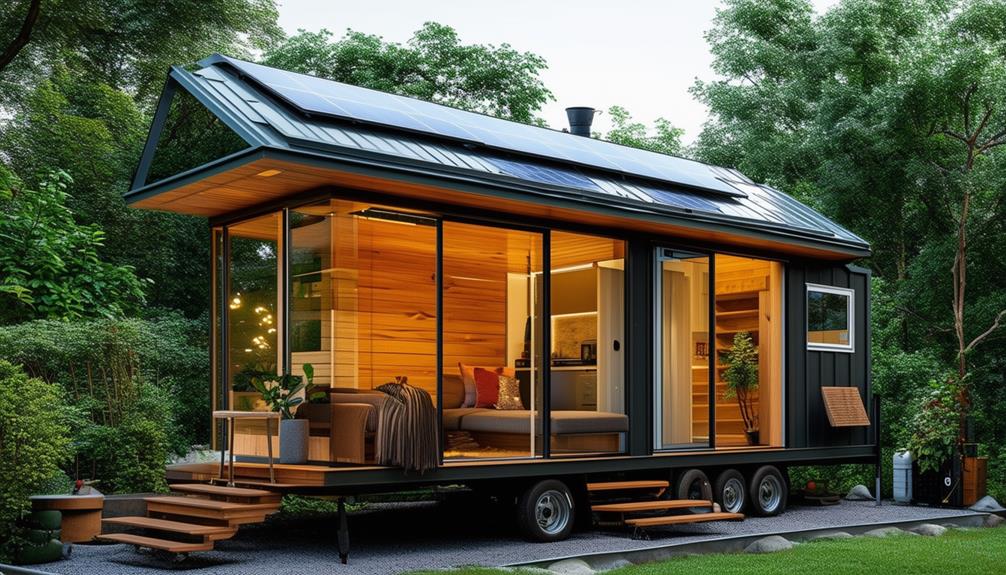
When considering a tiny home, it's crucial to evaluate both the initial investment and the long-term financial benefits. The initial cost for a tiny home can range between $20,000 and $150,000, depending on factors such as size, materials, and location. However, long-term savings from reduced utility bills and maintenance costs make tiny homes a cost-effective choice over time.
To help manage these costs, consider the following:
- Budget-friendly options: Opt for smaller sizes and simpler designs to keep the initial investment lower. Using reclaimed or recycled materials can also significantly reduce costs.
- Creative financing: Explore various financing options like personal loans, RV loans, and tiny home-specific loans. These can make tiny home ownership more accessible without requiring a large upfront payment.
- Cost-saving strategies: Invest in energy-efficient appliances and sustainable materials to reduce future utility and maintenance expenses. Consider off-grid capabilities for additional savings.
- Custom features: While appealing, custom features can drive up costs. Prioritize essential features first and add luxuries over time as your budget allows.