The Best Tiny Home Floor Plans for Families
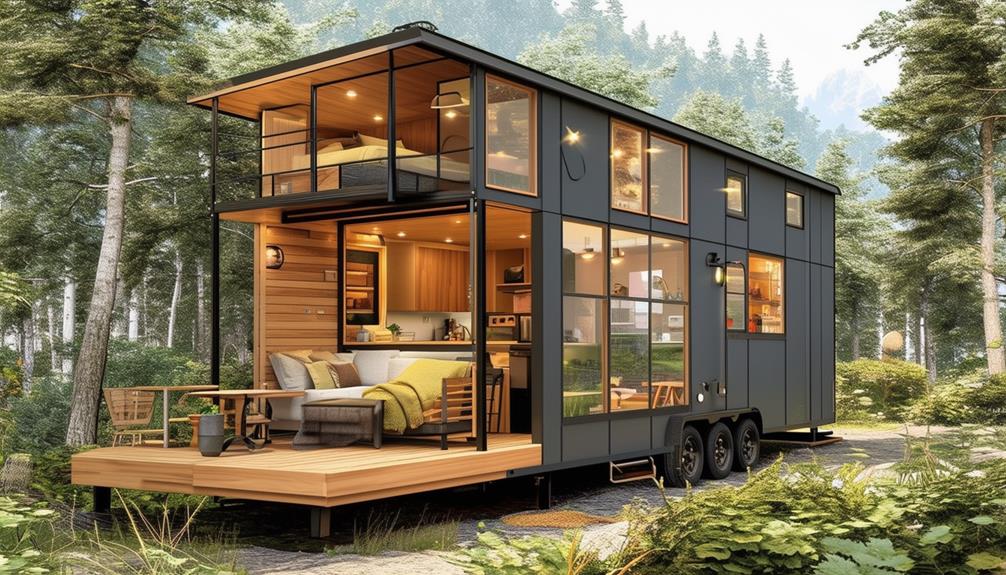
When considering small home floor plans for families, focus on designs that balance functionality and comfort. Multi-bedroom layouts and convertible spaces are essential to meet everyone's needs. Maximize every square foot with smart storage solutions and adaptable furniture. Separate sleeping areas and practical amenities tailored to family life are crucial. How can you ensure your small home meets these criteria while remaining inviting and efficient? Let's explore popular layouts and innovative solutions that can transform your small home into an ideal family haven.
Considerations for Family-Friendly Designs
When designing a family-friendly tiny home, prioritizing multi-functional spaces and convertible areas is essential to meet everyone's needs. These designs often incorporate clever storage solutions and adaptable furniture to maximize space effectively. Utilizing vertical space with built-in shelves or ceiling-high cabinets is crucial for storage optimization.
Creating separate sleeping areas is necessary for privacy and comfort. Consider solutions like bunk beds or loft spaces, which provide distinct sleeping quarters for both parents and children. Flexible layouts enable you to rearrange or repurpose spaces as your family's needs evolve. Adaptable furniture, such as fold-out tables or convertible sofas, helps make the most of limited space.
Child-friendly features are also important. Choose durable materials to withstand daily wear and tear. Design safe and accessible spaces for children, such as low storage units for toys and built-in safety rails on loft beds. By focusing on these elements, you'll create a functional and comfortable tiny home suitable for the entire family.
Maximizing Space Efficiency
To maximize space efficiency in your tiny home, consider using convertible furniture that serves multiple functions. Designing multi-functional rooms can transform a single area into a living room, dining space, and bedroom as needed. By integrating these elements, you ensure every square foot is utilized effectively to meet your family's requirements.
Convertible Furniture Solutions
Maximizing space efficiency in tiny homes relies heavily on the strategic use of convertible furniture. By incorporating multifunctional pieces like a sofa that converts into a bed or a dining table that folds away, you can optimize your limited square footage. These practical, space-saving solutions often feature creative designs that enhance the character of your home.
Convertible furniture creates adaptable living spaces that can meet your family's evolving needs. In one moment, you have a cozy living area for family gatherings, and in the next, it transforms into a dining space or a sleeping area. This flexibility ensures that your home remains functional and dynamic throughout the day.
Multi-Use Room Design
In tiny homes, multi-use room design ingeniously combines living, sleeping, and working areas to maximize every square foot. By integrating convertible furniture like Murphy beds and fold-out desks, a single space can meet diverse needs throughout the day. This approach not only optimizes space efficiency but also maintains a flexible and functional living environment.
Built-in storage solutions such as under-bed drawers, concealed cabinets, and shelves help minimize clutter and keep your tiny house organized. These practical storage options allow for a clean and orderly space without compromising on style.
Flexibility is crucial in multi-use room designs, especially for families. The space can easily adapt to accommodate guests, create a play area for children, or set up a home office. This adaptability ensures that your tiny home remains comfortable and functional as your needs evolve.
Here's a quick overview of how multi-use room design maximizes space efficiency:
| Feature | Function | Benefit |
|---|---|---|
| Convertible Furniture | Living/Sleeping/Working | Space Optimization |
| Storage Solutions | Clutter Reduction | Organization |
| Flexible Design | Adaptable Layout | Versatility |
Popular Tiny Home Layouts
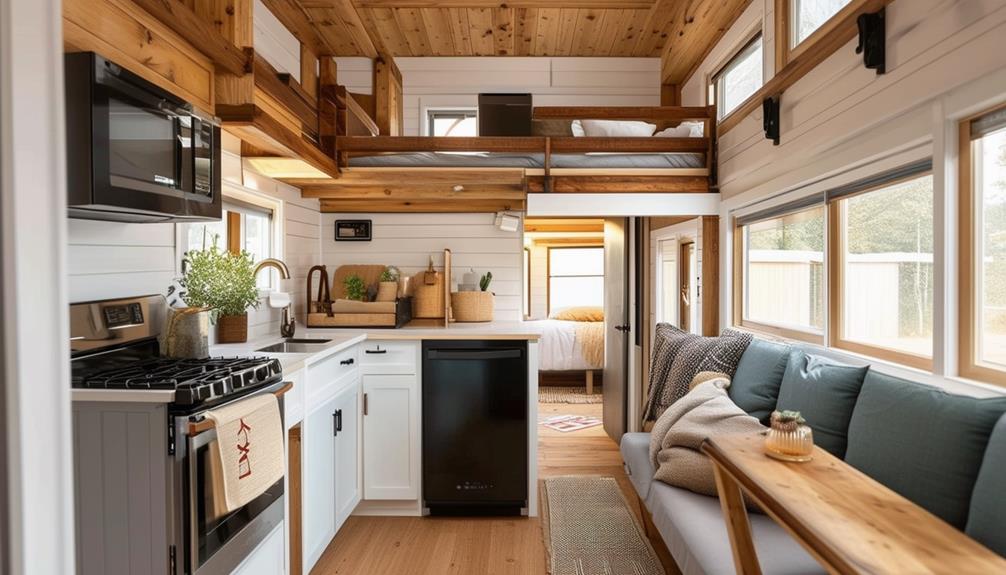
When exploring popular tiny home layouts for families, multi-bedroom options provide the extra space and privacy required. Designs with convertible spaces that adapt for multiple uses ensure every inch is functional. Prioritizing family-friendly features secures comfort and practicality without compromising style.
Multi-Bedroom Tiny Layouts
Despite their limited space, multi-bedroom tiny home layouts adeptly accommodate families by incorporating convertible spaces and customizable features. These tiny house floor plans typically include 2 to 3 bedrooms, comfortably fitting families of various sizes. By utilizing lofts and fold-out furniture, these designs maximize functionality within a compact footprint, ensuring that every square inch is efficiently used while enhancing both privacy and togetherness.
Families in these compact settings can personalize their tiny homes to meet specific needs, such as adding extra storage, workspaces, or play areas for children. Despite their size, these homes can include all the essential amenities needed for daily living. Thoughtful design solutions provide separate sleeping areas for privacy and common areas that foster a sense of community.
Comfort is not compromised in these multi-bedroom layouts. Each design prioritizes creating cozy, functional spaces where everyone can relax and unwind. Essential amenities like kitchens, bathrooms, and living areas are seamlessly integrated, making these homes both livable and enjoyable. For families considering a tiny home, these multi-bedroom designs offer a practical and inviting solution.
Convertible Space Solutions
Popular small home layouts often incorporate adaptable spaces to maximize functionality and comfort. Convertible spaces in these designs offer multiple uses, allowing for seamless transitions between different activities. For instance, a living area can transform into a bedroom with a Murphy bed, catering to your family's needs throughout the day.
Creative solutions like fold-down tables and sliding walls create distinct areas when required, enhancing the versatility of small home layouts. This adaptability ensures that every inch of space is effectively utilized. For example, a dining table that folds away after meals can free up space for play or relaxation.
Concealed storage compartments and collapsible furniture are essential for maintaining a clutter-free environment. These features not only improve the overall appearance but also contribute to a more organized and comfortable living space. By incorporating such innovative solutions, you can efficiently manage limited square footage and address various needs.
Family-Friendly Design Features
Building on the advantages of convertible spaces, popular tiny home layouts for families also emphasize family-friendly design features that make compact living both practical and enjoyable. These designs typically include multiple bedrooms to accommodate parents and children, often featuring lofted sleeping areas that optimize available floor space and create a cozy, elevated sleeping environment.
Multi-functional living areas are crucial in tiny homes, allowing families to use the same space for various activities, such as dining, working, or playing. Convertible spaces further enhance this flexibility, enabling rooms to serve multiple purposes throughout the day.
Effective storage solutions are vital in family-friendly tiny home designs. Organizing limited space ensures that every item has its place, reducing clutter and maintaining a tidy living environment.
Here are some key features:
| Feature | Benefit | Example |
|---|---|---|
| Multiple Bedrooms | Accommodates all family members | Separate rooms for parents and kids |
| Convertible Spaces | Versatile room usage | Sofa-bed or foldable desk |
| Lofted Sleeping Areas | Optimizes floor space | Raised beds |
| Multi-Functional Living Areas | Supports various activities | Combined living and dining space |
| Storage Solutions | Keeps belongings organized | Built-in shelves, under-bed storage |
Innovative floor plans in tiny homes ensure you can live comfortably without compromising the joys of family life.
Convertible and Multi-Functional Areas
Transforming your small home into a versatile living space starts with incorporating convertible and multi-purpose areas into the floor plan. By designing these spaces, you can maximize the functionality of your small house, creating adaptable living environments that cater to the dynamic needs of families. For example, Murphy beds allow a living room to transform into a guest bedroom in seconds. Hidden storage solutions further enhance the usability of these areas, ensuring every inch is effectively utilized.
Multi-purpose areas are essential in small homes, accommodating a variety of activities throughout the day. Imagine a home office that doubles as a dining area or an entertainment space—it's all about adaptable design. These convertible spaces optimize square footage to meet your family's specific needs.
As your family grows or your lifestyle changes, these flexible living spaces can easily adapt. Whether it's a fold-down table that serves as a workspace or a play area that transforms into a sleeping nook, the key is adaptability. By thoughtfully designing these multi-purpose areas, you ensure that your small home remains functional and comfortable for everyone.
Navigating Building Codes
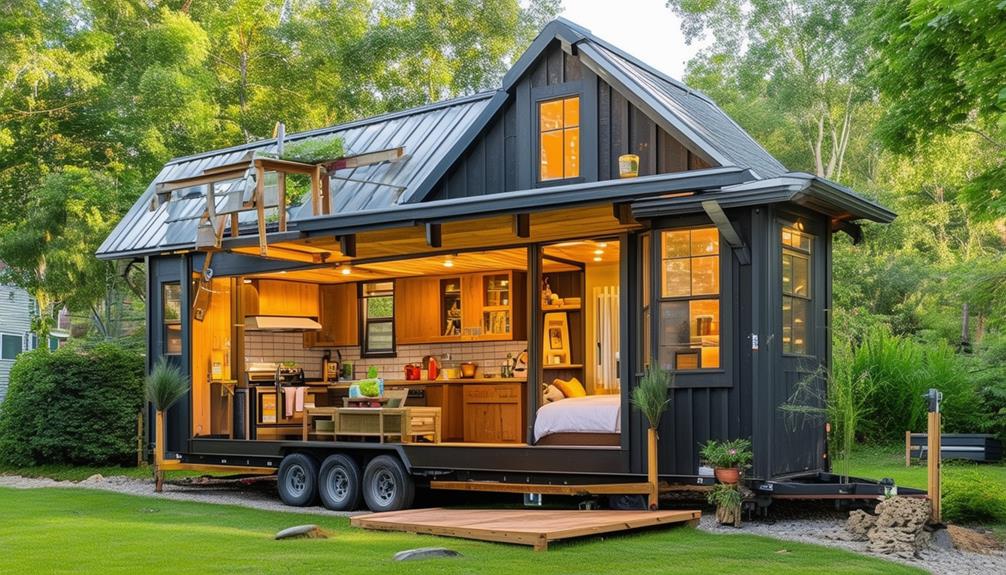
Understanding local building codes is essential when designing your tiny home to ensure it meets all safety and legal requirements. Navigating building codes can be complex, as regulations for tiny houses vary by town, state, and region. These codes influence everything from the structure and size of your tiny home to wiring, plumbing, and stair design. Ensuring compliance is crucial to avoid legal issues and guarantee that your home is safe.
When planning your tiny house, consider both safety considerations and legal requirements. Building codes often dictate specific structural elements to ensure stability and safety. For instance, the design of staircases, electrical systems, and plumbing must meet strict standards.
If you're exploring tiny house communities, be aware that they may have their own regulations and shared amenities that you must adhere to. This can impact your layout options and overall design.
Meeting building regulations isn't just about legal compliance; it's also about ensuring your tiny home is a safe and comfortable place for your family. Always prioritize design considerations that align with both your needs and regulatory requirements.
Real-Life Floor Plan Examples
When designing a tiny home for your family, exploring real-life floor plan examples can provide invaluable inspiration and practical solutions. Tiny house floor plans tailored for families often feature multiple bedrooms and flexible spaces that adapt to your changing needs. Creative layouts with convertible areas optimize space without sacrificing comfort.
One popular option includes 3-bedroom layouts suitable for larger families. These plans often feature space-saving solutions like lofted sleeping areas and built-in storage. For smaller families, 2-bedroom layouts offer a balance of private and communal spaces, ensuring everyone has their own nook.
Another key consideration is designing for physical disabilities. Some floor plans incorporate wider doorways, ramps, and accessible bathrooms to meet specific family needs. By examining these real-life examples, you can gather ideas that align with your unique requirements.
Here's a quick comparison of different floor plans:
| Floor Plan Type | Features |
|---|---|
| 3-Bedroom | Lofted sleeping areas, built-in storage |
| 2-Bedroom | Private and communal spaces, space-saving solutions |
| Accessible | Wider doorways, ramps, accessible bathrooms |
| Convertible | Multi-use spaces, flexible areas |
These examples showcase how tiny house floor plans can be functional and original, providing a cozy yet efficient living space for your family.
Connecting With the Tiny House Community
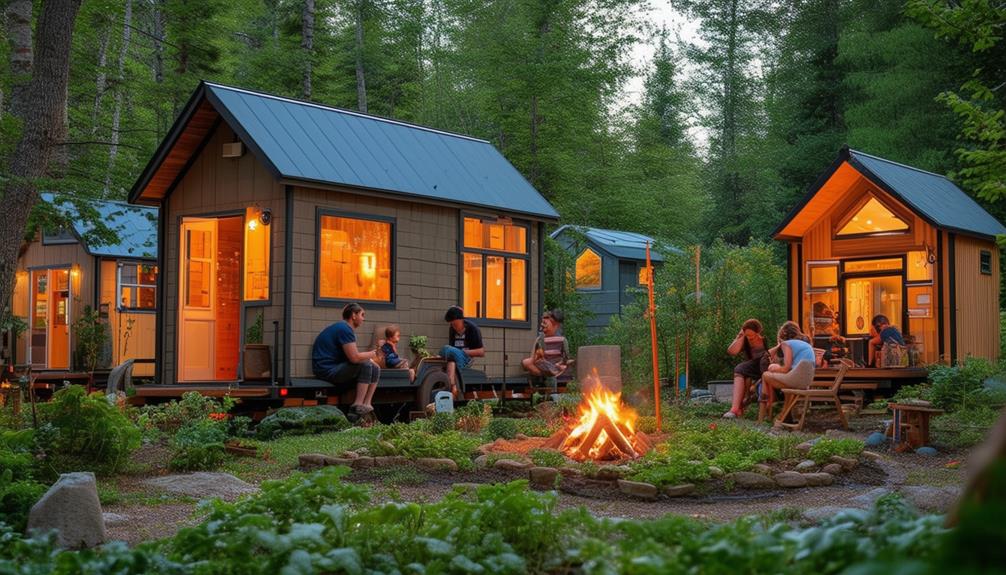
Connecting with the tiny house community can offer invaluable support and inspiration for your tiny living journey. Engaging with like-minded individuals keeps you informed about the latest design trends and creative solutions, enhancing the efficiency and enjoyment of your tiny home. This community is an excellent resource for sharing tips and ideas that you may not have considered.
Social media platforms are ideal for building connections and relationships with others who share your passion for tiny house living. Join relevant groups, follow hashtags, and engage in discussions to gather advice and feedback. The community is enthusiastic about offering support and inspiration, making your experience smoother and more enjoyable.
Exploring creative solutions and community-focused living ideas within the tiny house movement can enrich your lifestyle. Whether through online forums, local meetups, or email newsletters, staying engaged with the tiny house community helps you discover innovative ways to optimize your space and improve your living experience. These connections can transform your tiny house living into a truly supportive and inspiring endeavor.