Solar & Rainwater Setup for Texas Backyard Cabins
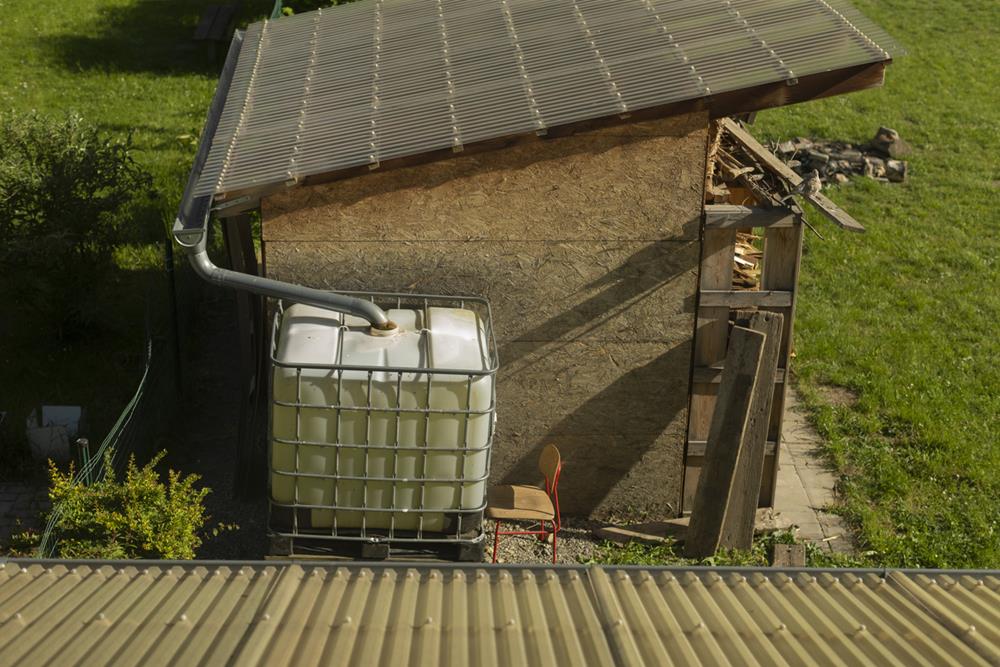
In Texas, you can legally harvest rainwater, and many small "rain barrel" setups can be installed without a permit, depending on your city and how the system is plumbed. Your backyard cabin setup should include appropriately sized solar panels with 12V batteries, coupled with rainwater collection components like first-flush diverters and filtration systems.
For a 1,200 sq ft roof with typical Texas rainfall, you could collect over 22,000 gallons annually. Proper installation requires evaluating solar exposure, roof support, and adhering to local regulations. These sustainable systems offer independence with minimal maintenance.
Legal Framework for Rainwater Collection in Texas
While many states still struggle with complex water rights issues, Texas has established itself as a leader in rainwater harvesting legislation. Your ability to collect rainwater is supported by Texas law, and Texas Property Code §202.007 limits how HOAs can restrict rain barrels and rainwater harvesting devices when they can be installed economically on your property.
The state also encourages rainwater collection through incentives that vary by city and utility, alongside statewide rules that support conservation-minded equipment. One significant advantage is that rainwater harvesting equipment and supplies are exempt from Texas sales and use tax under Tax Code §151.355. This can be especially valuable considering Texas's regional rainfall variability.
For your backyard cabin, smaller aboveground barrel-style systems are often treated as low-impact projects, though permits can still apply if you're building a large pad, running new plumbing, or tying into a structure. Larger or more complex systems may trigger local requirements, and some cities have specific storage-tank and screening rules.
Remember that all systems must include proper screening to help prevent mosquito breeding and manage overflow responsibly to promote ground infiltration rather than runoff.
Calculating Your Cabin's Collection Potential
Before installing any rainwater harvesting system, you'll need to determine exactly how much water your cabin can collect. Texas rainfall variability means your location considerably impacts your harvesting potential—from arid western regions to much wetter parts of eastern Texas.
Calculate your collection using this formula: Collection Volume (gallons) = Rainfall (inches) × Roof Area (sq ft) × 0.623 × Efficiency (typically 80-90%).
For example, a 1,200 sq ft cabin roof in an area with 35 inches of annual rainfall at 85% efficiency yields approximately 22,240 gallons yearly. This aligns with common Texas guidance that about 1,000 gallons can be collected from a 2,000-square-foot roof per inch of rain, before losses.
A properly designed system with quality filtration components will help keep collected rainwater cleaner and more usable for various purposes.
Pay attention to seasonal patterns when planning your storage capacity. Monthly rainfall data helps you size tanks appropriately to store excess during wet months for use during drier periods, supporting more consistent water availability.
Essential Components for a Dual Solar-Rainwater System
A successful dual solar-rainwater system for your Texas cabin requires carefully selected components working in harmony. Your setup needs solar panels sized for your actual loads, connected to charge controllers and 12V deep cycle batteries to power water pumps consistently, even during cloudy periods.
For water collection, install gutters leading to debris screens and inline filters that remove leaves and roof grit before water enters dual purpose water storage tanks. First-flush diverters can discard the initial runoff that tends to carry the most debris and contaminants. Float valves and electrical switches protect your pumps from running dry while maintaining proper water levels.
Incorporate sediment filtration for better water quality, and use waterproof junction boxes for all electrical connections. Consider backup charging options to supplement your solar system during winter months or long cloudy stretches when sunlight is limited.
Installation Requirements and Site Preparation
Proper installation of your solar-rainwater system begins with understanding Texas' regulatory landscape. While state law supports rainwater harvesting, you'll still need to comply with municipal zoning considerations and permitting guidelines that help ensure safety and appropriate development.
Before breaking ground, consider these essential preparation steps:
- Assess your property for ideal solar exposure, minimizing shade to maximize PV panel efficiency
- Select installation locations that balance HOA aesthetic requirements with system functionality
- Verify your roof can support solar panels, possibly requiring pre-installation assessment
- Position rainwater tanks based on terrain and drainage to reduce erosion and pooling
- Ensure all components match building aesthetics (matching color tones, roof slopes) while maintaining economic feasibility
Remember that proper placement within fenced areas can help meet visibility restrictions while maintaining system efficiency. If you're connecting your rainwater harvesting system to a public water supply or any interior plumbing, Texas and local plumbing codes typically require approved backflow prevention to protect against contamination hazards.
Maintenance Protocols for Safe Drinking Water
Maintaining safe drinking water from your rainwater collection system demands regular attention once installation is complete. You'll need to clean your roof surfaces periodically, focusing on removing leaves, twigs, and bird droppings that can compromise water quality.
Clean gutters every three to six months and inspect first flush diverters quarterly to help ensure proper function. For optimal performance, implement winterization protocols when temperatures drop, including insulating exposed pipes and draining vulnerable lines. Regular testing of water quality is essential—conduct microbiological tests to detect pathogens and physical tests for turbidity.
Maintain proper storage tank conditions by checking for structural issues 2-4 times yearly and removing accumulated sediment as needed. Don't neglect inlet filters—clean them quarterly to prevent debris buildup. If your system supplies drinking water, consider UV sterilization or carefully managed chlorination methods and keep detailed maintenance records to track performance over time.