Preserving Food Without Refrigeration
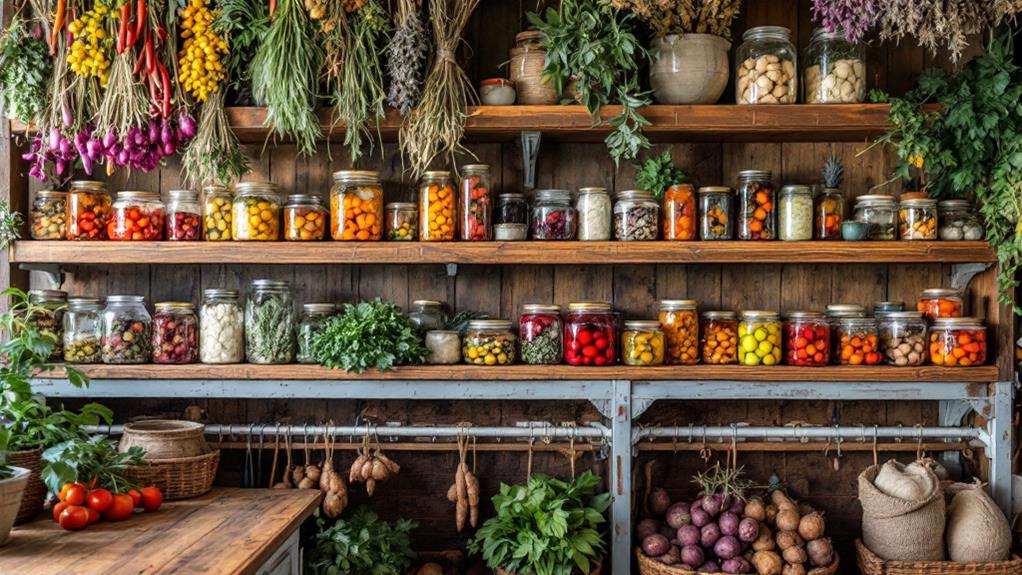
You can preserve food without refrigeration using several time-tested methods. Traditional canning, dehydration, and salt curing are effective ways to extend shelf life. Fermentation creates flavorful, nutritious foods that last for months. Root cellars and underground storage utilize the earth's natural insulation. Smoking meats and fish, preserving in oil or honey, and pickling fruits and vegetables are also reliable techniques. For long-term storage, freeze-drying is incredibly effective. Natural cold storage methods like root cellars and zeer pots offer eco-friendly alternatives.
By gaining proficiency in these techniques, you'll reduce your reliance on modern cooling technologies and maintain a stable food supply. There's a wealth of knowledge waiting to be investigated in these ancient preservation methods.
Traditional Canning Techniques
For centuries, traditional canning techniques have been a reliable method of preserving food without refrigeration. You can use these time-tested methods to extend the shelf life of your favorite foods, from pickled vegetables to jams and fruit preserves. The key to successful canning lies in creating an airtight seal that prevents microbial growth and spoilage.
When you're canning high-acid foods like fruits, tomatoes, or pickles, you'll want to use the water bath method. This involves submerging filled glass jars in boiling water for a specific amount of time. The heat kills harmful microorganisms and creates a vacuum seal as the jars cool. For low-acid foods such as vegetables and meats, you'll need to use pressure canning to attain the higher temperatures necessary for safe preservation.
To guarantee food safety, it's vital to follow proper sterilization techniques and processing times. Always use clean, sterilized glass jars and new lids to create an effective seal. By commanding these traditional canning techniques, you'll be able to enjoy your homemade preserves for months or even years without the need for refrigeration.
Dehydration and Sun-Drying Methods
While canning preserves food in liquid, dehydration and sun-drying methods remove moisture to prevent spoilage. These techniques have been used for centuries to create shelf-stable foods that can last for months or even years when properly stored.
Sun drying is an ancient, low-cost method that utilizes the sun's heat and natural air circulation. It's a simple process, but you'll need to monitor your food closely as it's weather-dependent. For a more controlled environment, you might consider using an electric dehydrator. These devices maintain temperatures between 130-140°F, ensuring consistent moisture removal.
If you're interested in a middle ground, solar dehydrators offer a compromise. They use the sun's power but provide a more controlled setting than traditional sun drying. However, they still require careful monitoring.
Regardless of the method you choose, dehydration concentrates the natural sugars and flavors in your food. This process creates nutrient-dense dried fruits, vegetables, and meats. To maintain their quality, store your dehydrated foods in airtight containers in a cool, dry place. With proper storage, you'll have access to preserved foods for months to come.
Salt Curing and Brining
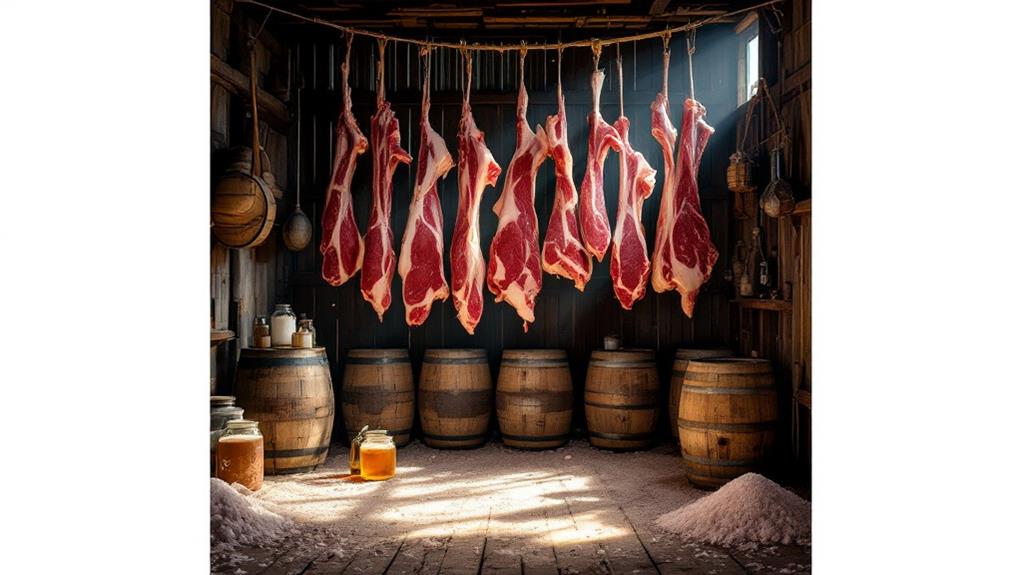
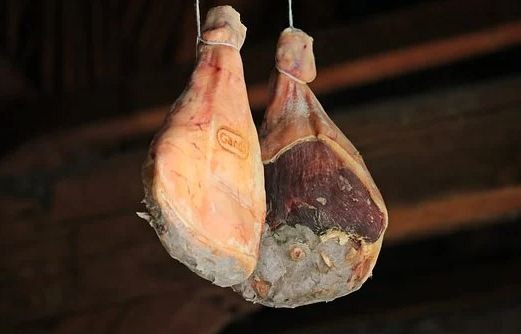
Since ancient times, salt curing and brining have been go-to methods for preserving food without refrigeration. These techniques draw moisture out of foods, creating an environment where harmful bacteria can't thrive. You'll find that salting and brining can extend the shelf life of meats and fish for months, resulting in products like ham, bacon, and salted fish.
When you're curing meat, you can use dry salt or submerge it in a brine solution. The high concentration of salt inhibits microbial growth, preventing spoilage and increasing shelf life. It's essential to follow proper curing techniques, including the correct salt-to-meat ratio and controlled temperature and humidity conditions. This guarantees you produce safe, high-quality cured meats and seafood.
One of the advantages of salt curing and brining is that they require less energy than refrigeration. This makes them ideal for off-grid or low-resource settings. By becoming proficient in these ancient preservation methods, you'll be able to store food long-term without relying on modern refrigeration technology. Whether you're preparing for emergencies or simply exploring traditional food preservation, salt curing and brining are beneficial skills to learn.
Fermentation for Long-Term Storage
Fermentation offers a powerful method for preserving food without refrigeration. This process creates an anaerobic environment that inhibits microbial growth, allowing you to store foods like sauerkraut, kimchi, and pickles for months. The lactic acid produced during fermentation acts as a natural preservative, extending shelf life and enhancing nutritional content.
To successfully ferment foods for long-term storage, you'll need to follow proper techniques. Use specific starter cultures and maintain the correct temperature and humidity levels. Once fermented, store your foods in a cool, dark location like a root cellar or basement to further extend their shelf life and maintain flavor and texture.
You'll find that fermentation is a versatile preservation approach applicable to a wide range of vegetables. This allows you to store a diverse array of nutritious and flavorful foods without relying on refrigeration. By honing fermentation techniques, you'll be able to preserve an abundance of produce for extended periods, ensuring a steady supply of nutritious foods throughout the year. Engage with this ancient preservation method to reduce food waste and enjoy the unique flavors and health benefits of fermented foods.
Root Cellars and Underground Storage
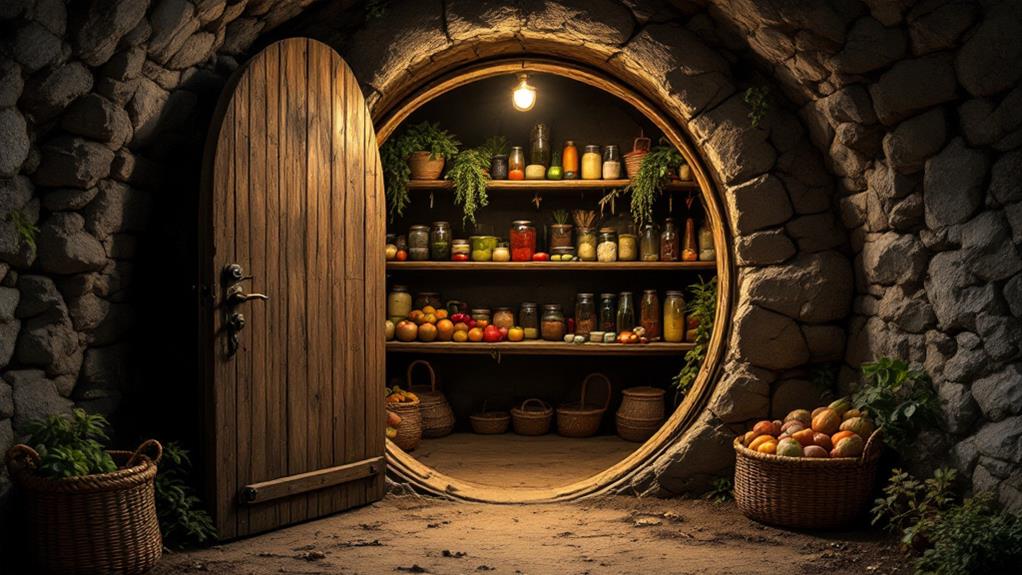
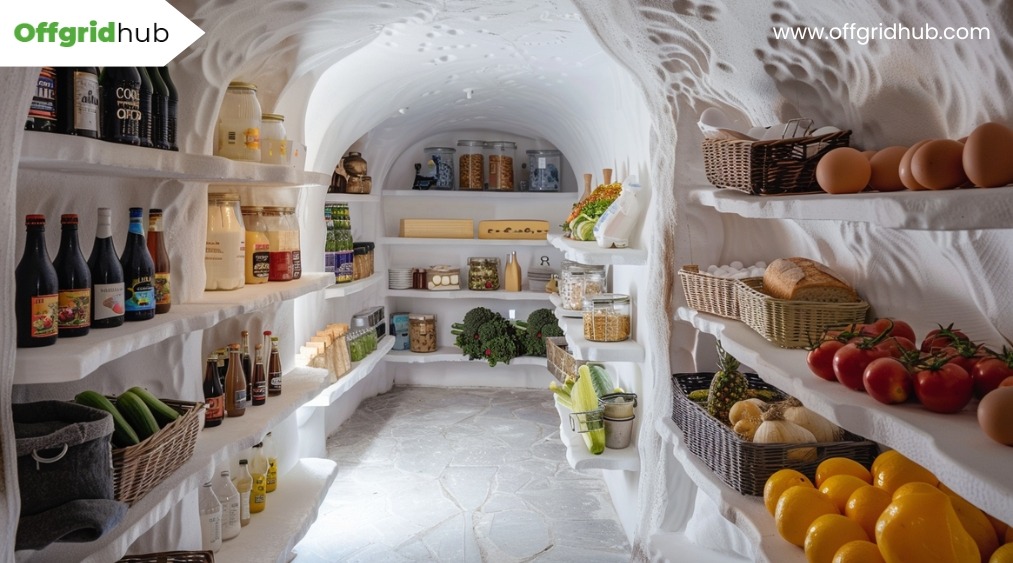
Root cellars offer another effective method for preserving food without refrigeration. These underground storage spaces leverage the earth's natural insulating properties to maintain a cool, humid environment ideal for storing produce. You can create a root cellar by converting existing underground structures like basements, concrete-lined pits, or even repurposed bomb shelters.
When designing your root cellar, focus on proper ventilation, humidity control, and entry ways to create the best storage conditions. The goal is to maintain a consistent temperature range of 32-55°F, which is essential for maximizing the shelf life of stored foods. Root cellars take advantage of the earth's thermal mass to achieve this temperature stability without relying on electricity.
Smoking Meats and Fish
Through the ages, smoking has proven to be an effective method for preserving meats and fish without refrigeration. This slow process naturally preserves food by desiccating it out with low-temperature smoke over the course of one to five days. You'll find two main types of smoking: cold smoking, which keeps the temperature below 100°F, and hot smoking, which cooks the meat at around 220°F.
Before smoking, you should cure the meat with salt or cook it first to prevent bacterial growth and allow for proper drying during the process. This step is indispensable for ensuring food safety and longevity. You can use various types of smokers, including DIY and primitive options, to take advantage of smoke's preservative properties.
When done correctly, smoking and curing can extend the shelf life of meats and fish to several months or even a year without the need for refrigeration. This time-tested preservation method allows you to enjoy flavorful, long-lasting food while reducing your reliance on modern cooling technologies. By perfecting the art of smoking, you'll have a priceless skill for preserving food in diverse situations.
Preserving in Oil and Honey
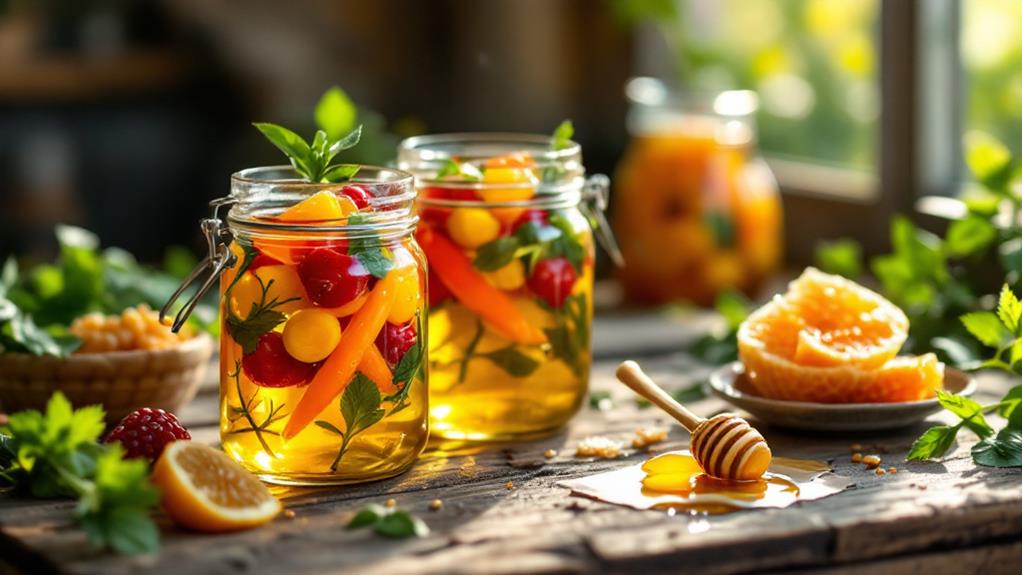
Oil and honey offer two remarkably effective methods for preserving food without refrigeration. When you're preserving in oil, you're creating an anaerobic environment that inhibits microbial growth. This technique works well for items like roasted peppers, garlic, and herbs. By packing these foods in high-quality, pure olive or vegetable oil, you can extend their shelf life for several months to over a year without the need for refrigeration.
Honey, on the other hand, serves as a natural preservative due to its low moisture content and acidic pH. You can use it to store a variety of foods, including fruits, nuts, and even dairy products. When properly submerged in honey, items like peeled hard-boiled eggs, lemon slices, and ginger root can last for weeks to months without spoiling. The antibacterial properties of honey make it an effective preservative for a wide range of foods. However, keep in mind that some items may require additional preparation before being suspended in honey. By utilizing these oil and honey preservation methods, you'll be able to extend the shelf life of various foods without relying on refrigeration.
Pickling Fruits and Vegetables
Another effective method for preserving food without refrigeration is pickling fruits and vegetables. This time-honored technique involves submerging produce in an acidic solution, typically vinegar or brine, to create an environment inhospitable to harmful bacteria. You'll find that pickling not only extends the shelf life of your fruits and vegetables but also imparts a tangy, flavorful twist to your preserved goods.
To start pickling, you'll need to gather your ingredients and supplies. Here's a basic list to get you started:
- Fresh fruits or vegetables of your choice
- Vinegar or salt for the brine solution
- Clean, sterilized jars with tight-fitting lids
When selecting produce for pickling, choose firm, unblemished fruits and vegetables. You can pickle a wide variety of items, from cucumbers and onions to peaches and watermelon rinds. The key to successful pickling lies in maintaining proper acidity levels and following safe food preservation practices. By becoming proficient in this technique, you'll be able to enjoy your garden's bounty long after the growing season has ended, without relying on refrigeration.
Freeze-Drying at Home
Freeze-drying at home has emerged as a powerful method for preserving food without refrigeration. If you're serious about long-term storage, you'll need to invest in a specialized freeze-drying machine, which can cost over $2,500 for smaller models. While this initial expense may seem steep, many users find it cost-effective compared to buying commercially freeze-dried foods.
The benefits of freeze-drying are substantial. You can preserve food for an incredible 20+ years when stored properly, making it one of the most effective long-term storage methods available. Unlike other preservation techniques, freeze-drying maintains the nutritional value and flavor of your vegetables better than canning or dehydrating. In fact, it's considered the most effective method for preserving vegetable quality and shelf life without refrigeration.
If you're committed to preserving food for the long haul, freeze-drying at home offers unparalleled results. You'll enjoy nutritious, flavorful vegetables years after preservation, giving you peace of mind and a well-stocked pantry. While the initial investment is significant, the long-term benefits make freeze-drying an attractive option for those serious about food preservation.
Natural Cold Storage Techniques
While freeze-drying offers impressive long-term preservation, natural cold storage techniques provide simpler, more accessible options for keeping food fresh without refrigeration. You can take advantage of the earth's natural insulation properties to create a root cellar, which maintains cool, consistent temperatures for storing fruits and vegetables for months. By burying a 55-gallon drum or even a standard refrigerator underground, you'll create a low-tech cooling system that utilizes the cooler temperatures found just below the surface.
For a portable solution, consider using a zeer pot. This ancient technique uses two nested terracotta pots with damp sand between them to create an evaporative cooling effect, preserving your produce without electricity.
Don't forget to capitalize on cold weather when available. Winter temperatures can serve as a natural freezer for food storage, provided you protect your items from wildlife and the elements.
Energy-efficient and eco-friendly
Low-cost and easy to implement
Effective for preserving a variety of perishable foods
Frequently Asked Questions
How Do You Preserve Food Without a Refrigerator?
You can preserve food without a refrigerator using various techniques. Try sun drying techniques for fruits and vegetables, which remove moisture to prevent spoilage. Investigate cold storage methods like root cellars, where you'll store produce in cool, dark environments. Experiment with fermentation processes to create long-lasting foods like sauerkraut and pickles. You'll also find success with canning, which seals food in airtight containers, and salting or smoking meats to extend their shelf life.
How Did People Preserve Their Food if There Were No Refrigerators?
Before refrigerators, you'd have relied on various preservation methods to keep your food edible. You'd have used dehydrating techniques like sun-drying fruits and vegetables, or salt curing methods for meats and fish. You'd have fermented foods like cabbage and milk to extend their shelf life. For fresh produce, you'd have employed root cellar storage, keeping items cool underground. You'd also have smoked meats and used pickling to preserve vegetables in vinegar or brine.
What Foods Keep Well Without Refrigeration?
You'll find many foods that keep well without refrigeration. Dried herbs retain their flavor for months, while pickled vegetables stay crisp and tangy. Fermented foods like kimchi and sauerkraut can last for weeks. Don't forget about canned goods, which have a long shelf life. Certain fruits and vegetables, such as potatoes and onions, can be stored at room temperature. Dried meats, like jerky, and hard cheeses are also great options for non-refrigerated storage.
Is There a Way to Preserve Meat Without Refrigeration?
Yes, you can preserve meat without refrigeration. You've got several options at your disposal. Try curing meat with salt and nitrites, which creates a hostile environment for bacteria. You can also dry meat into jerky, removing moisture that microbes need to thrive. Smoking meat is another effective method, combining heat and chemicals to extend shelf life. Don't forget traditional techniques like salting, fermenting, or air-drying. These methods have been used for centuries to keep meat edible for months.