Managing Gray Water and Wastewater When Living Off-Grid
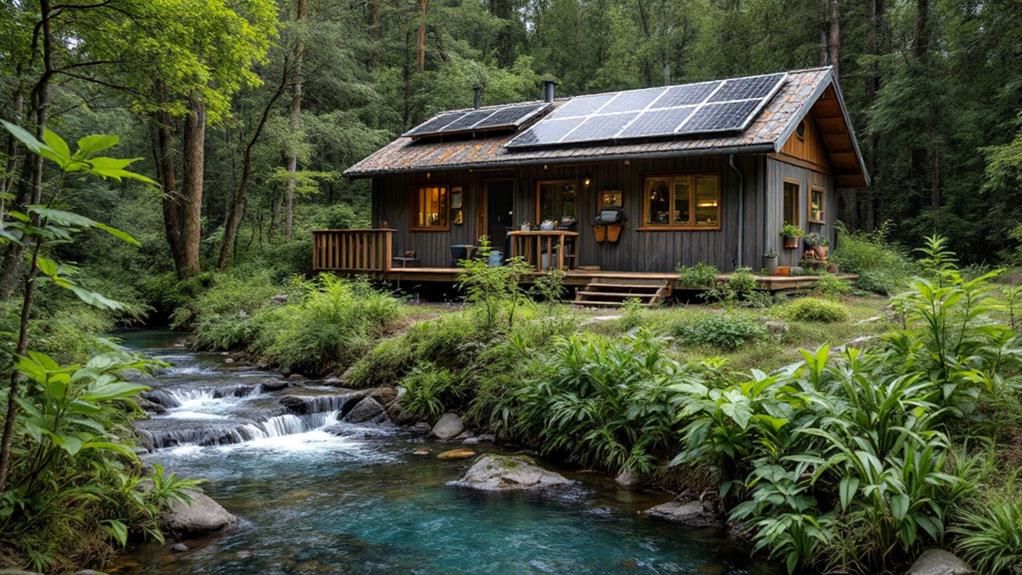
When living off-grid, you'll need to manage gray water and wastewater sustainably. Start by understanding gray water sources and its potential uses. Ponder installing composting toilets to handle human waste without traditional plumbing. Design an effective greywater system that suits your climate and soil conditions. Investigate options like leach pits, field systems, or simple DIY methods for disposal. Always check local regulations to guarantee compliance. Remember to contemplate the environmental impact of your chosen methods and maintain your systems regularly. By combining different waste management approaches, you can create an efficient and eco-friendly off-grid lifestyle. There's much more to uncover about sustainable wastewater management.
Understanding Gray Water
Nearly every household produces gray water, but many people don't realize its potential. Gray water is the relatively clean wastewater from your sinks, showers, and washing machines. Unlike black water from toilets, gray water can be recycled for various non-potable uses, substantially reducing your freshwater consumption.
When considering a gray water system, it's vital to understand what constitutes safe gray water. You'll want to make certain it's free from harsh chemicals, oils, and other contaminants that could harm plants or soil. This means being mindful of the products you use in your sinks and showers.
Proper handling and dispersal of gray water are essential to prevent environmental issues like groundwater contamination. Depending on your local regulations and site conditions, you can choose from various gray water systems. These range from simple mulch basins to more complex constructed wetlands.
Composting Toilets for Off-Grid Living
A key component of off-grid wastewater management is the composting toilet. This innovative system offers a sustainable solution for handling human waste without relying on traditional plumbing or septic systems. You'll find that composting toilets use natural decomposition processes to alter waste into nutrient-rich compost, which can later serve as fertilizer.
When you're living off-grid, you'll appreciate the eco-friendly nature of composting toilets. They don't require water, greatly reducing your overall water consumption compared to conventional flush toilets. This preservation is vital in off-grid settings where water may be scarce. To operate your composting toilet effectively, you'll need to add carbon-rich materials like sawdust or coconut coir regularly. These bulking agents help maintain the right balance for efficient composting.
Designing Effective Greywater Systems
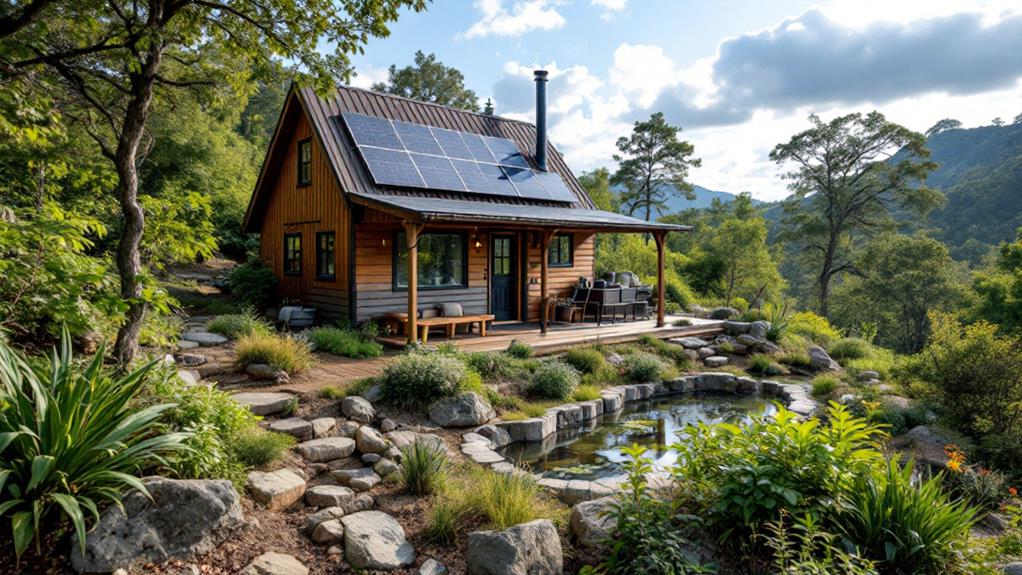
Designing an effective greywater system is crucial for maximizing water efficiency in your off-grid home. When planning your grey water system, consider factors like soil type, climate, and planting needs to guarantee proper treatment and dispersal. You'll need to filter the water to remove solids and oils, and use biodegradable soaps to prevent clogging and plant damage.
There are various options for greywater systems, ranging from simple mulch basins to complex setups with surge tanks and subsurface drip irrigation. Choose a system that fits your needs and maintenance capabilities. Remember to research local regulations and obtain necessary permits before installation.
To design an effective greywater system:
- Assess your water sources (sinks, showers, washing machines)
- Evaluate your soil and climate conditions
- Choose appropriate filtration methods
- Select plants that thrive with greywater irrigation
- Plan for proper dispersal to prevent contamination
Leach Pits and Field Systems
Once you've designed your greywater system, you'll need to contemplate how to disperse the treated water effectively. Leach pits and field systems are common solutions for managing gray water in off-grid settings.
Leach pits are typically 7-8 feet deep and 4 feet wide, filled with layers of sand and crushed stone. The greywater pipe runs into the top of the stone layer, allowing for natural filtration. For simpler setups, you can bury plastic barrels with drilled holes in a pit filled with washed 3/4 stone.
Leach fields, on the other hand, require proper slope and insulation to prevent freezing in winter. Their dimensions often depend on local building codes. More complex greywater systems may need installation by a licensed plumber and connection to a holding tank or septic system, depending on local regulations.
When designing your leach pit or field system, consider your specific climatic conditions, soil type, and frequency of use. This guarantees proper drainage and prevents groundwater contamination. Remember that the effectiveness of your gray water management system relies on careful planning and adherence to local guidelines.
Navigating Local Regulations
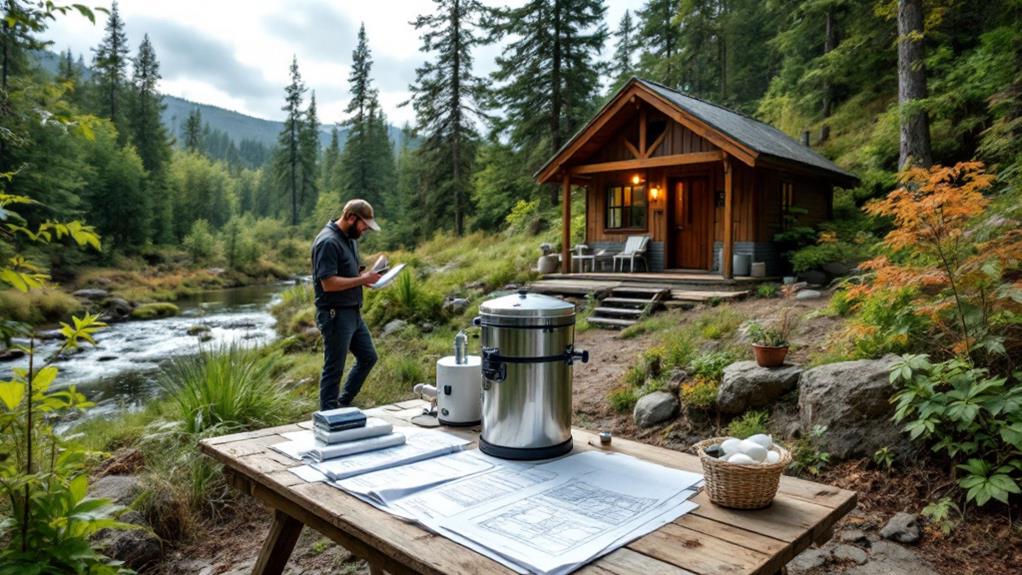
Maneuvering local regulations for greywater management can be a complex process when living off-grid. Regulations vary considerably by location, with some areas requiring engineered systems and permits, while others may exempt isolated dwellings without pressurized water. It's imperative to consult local building codes to guarantee compliance with specific requirements, such as purifying water through a seepage pit of a certain depth and dimension.
Simple disposal methods like using plastic barrels with holes in a water pit filled with washed stone may not require inspection. However, more complex systems might need installation by a licensed plumber. Some areas mandate holding tanks or septic systems for greywater disposal.
When navigating greywater regulations, consider:
- Proper slope for effective drainage
- Insulation to prevent freezing in cold climates
- System design for weekend or seasonal use
- Distance from bodies of water
- Local permit requirements
Remember that regulations can differ depending on your jurisdiction. By understanding and adhering to local guidelines, you'll ensure your off-grid greywater system is both effective and compliant. This approach helps protect the environment and maintain good relations with local authorities.
Preventing Winter Freezing Issues
While traversing regulations is important, off-grid dwellers in cold climates face an additional challenge: preventing their greywater systems from freezing. Proper insulation and slope are pivotal to keep your system functioning throughout winter. Traditional leach fields near the surface are prone to freezing, so consider deeper systems that can avoid this issue.
If you're using your greywater system intermittently or seasonally, you'll need to design it with freezing in mind. Consult local authorities and building codes to guarantee your system complies with regulations and can operate year-round. In particularly cold climates, you may need to investigate options available beyond basic setups.
Holding tanks or more complex greywater systems might be necessary to prevent freezing and ensure proper disposal. These options can provide better protection against harsh winter conditions. Remember, the key is to adapt your system to your specific climate and usage patterns. By carefully considering your options and implementing the right design, you can maintain a functioning greywater system even in the coldest months, ensuring your off-grid lifestyle remains sustainable and hassle-free.
Simple DIY Greywater Disposal Methods
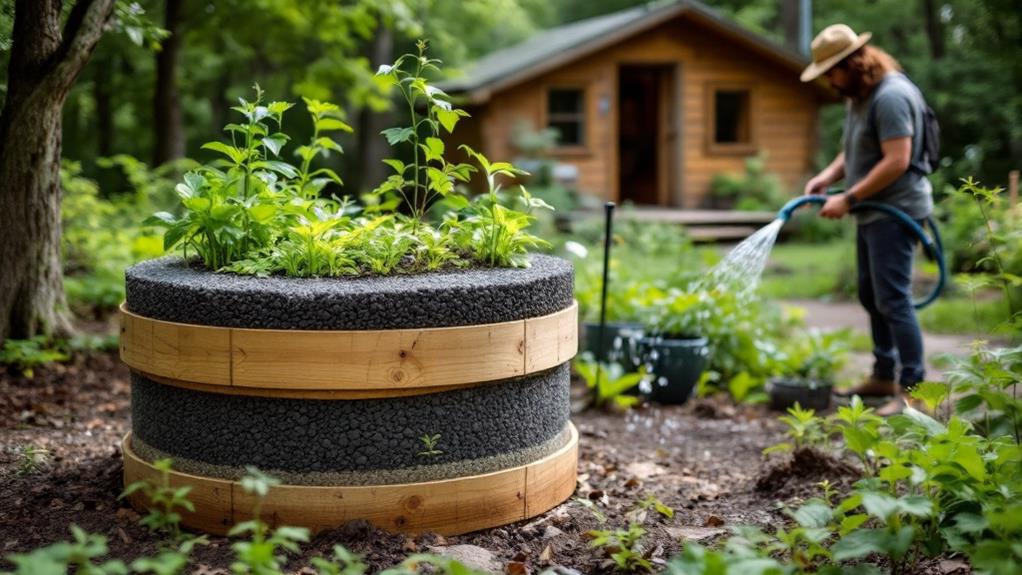
For off-grid dwellers, there are several simple DIY methods to effectively dispose of greywater. One approach is to divert water from sinks, showers, and washing machines into a mulch basin or trench, allowing it to slowly disperse into the soil. Alternatively, you can build a gravel-filled soak away pit for gradual percolation into the ground.
If you're looking for a more natural filtration process, consider channeling greywater into a constructed wetland or reed bed system before dispersal. For those with gardens, routing greywater directly to landscaping or fruit tree guilds provides both irrigation and nutrients for plants.
To guarantee even distribution, install a branched drain system that spreads greywater across a dispersal field or swale. These methods not only help manage wastewater but also contribute to water conservation efforts.
Five key benefits of DIY greywater disposal:
- Reduces water waste
- Provides natural irrigation for plants
- Minimizes environmental impact
- Saves money on water bills
- Promotes self-sufficiency in off-grid living
Environmental Impact Considerations
As you implement greywater disposal methods, it's important to examine their environmental impact. Your chosen system can affect soil health, groundwater quality, and local ecosystems. Consider the volume of greywater you're producing; even off-grid living can generate much water that needs proper management.
Pay attention to the nutrients and chemicals in your greywater. While some plants may benefit from these, excessive amounts can lead to soil imbalances or contamination. Avoid using harsh detergents or cleaners that could harm beneficial soil organisms or leach into groundwater.
Monitor your disposal area for signs of oversaturation, which could lead to runoff or soil erosion. Rotate your greywater distribution to prevent buildup in one area. Be mindful of local regulations and setbacks from water sources to safeguard aquifers and surface water.
Consider the long-term effects of your system on plant life and soil structure. Regular soil testing can help you maintain a healthy balance. By being aware of these environmental considerations, you'll preserve your off-grid lifestyle remains sustainable and minimizes negative impacts on the surrounding ecosystem.
Maintenance of Off-Grid Wastewater Systems
Maintaining your off-grid wastewater system is essential for its longevity and effectiveness. Regular inspections and maintenance are pivotal to ensure proper functioning. You'll need to check for blockages, leaks, and proper drainage as part of your routine inspections. Don't forget to periodically clean and pump septic tanks or holding tanks to prevent overflow and maintain efficiency.
If you're using a composting toilet, you'll need to add cover material, stir the compost, and monitor moisture levels regularly. For greywater systems, keep an eye out for clogging and check the dispersal area for even distribution and signs of overload.
- Perform routine inspections for leaks and blockages
- Clean and pump septic tanks or holding tanks
- Maintain composting toilets by adding cover material and stirring
- Monitor greywater systems for clogging and proper distribution
- Properly dispose of accumulated sludge and solids
Combining Different Waste Management Approaches
When it comes to off-grid living, combining different waste management approaches can substantially enhance your system's efficiency and sustainability. By integrating composting toilets, greywater systems, and septic tanks, you'll create a comprehensive solution that maximizes resource recycling and minimizes environmental impact.
System integration is key to making these diverse components work together seamlessly. Composting toilets handle human waste, while greywater systems recycle water from sinks and showers for irrigation purposes. For more concentrated waste streams that can't be processed by composting or greywater systems, septic tanks provide an effective treatment option.
To safeguard your integrated waste management system functions at an optimal level, you'll need to carefully design and coordinate each component. Consider how the various elements interact and complement one another. For instance, your greywater system can help reduce the load on your septic tank, while your composting toilet minimizes water usage overall.
Frequently Asked Questions
How to Handle Grey Water Off-Grid?
To handle gray water off-grid, you'll want to focus on landscaping distribution. You can reuse it for irrigation or direct it into a constructed wetland for natural filtration. Consider using gravity-fed mulch pits or drainage trenches to disperse the water into the soil. Monitor for oils and solids that might clog the system. Choose plants that tolerate gray water nutrients. You may need to disinfect or filter the water, and always maintain separate plumbing for potable and gray water.
How Do Off-Grid Homes Handle Sewage?
When you're living off-grid, you'll need to handle sewage through onsite treatment systems. You can use a septic system, which breaks down waste in a tank and filters liquid through a drainfield. Alternatively, you might opt for a composting toilet that turns waste into soil-like material. For a more eco-friendly approach, you could install a greywater system to recycle water from sinks and showers. Whatever system you choose, guarantee it's properly designed and maintained to protect your health and the environment.
How Do You Get Water When Living off the Grid?
When you're living off-grid, you've got several options for water access. You can harvest rainwater from your roof, storing it in tanks for later use. If there's groundwater available, you'll need to drill a well and install a pump. You might also tap into nearby surface water sources like streams or lakes, but you'll need to filter and treat this water. In some cases, you could even connect to municipal water systems if they're accessible from your off-grid property.
How to Live Off-Grid Without a Septic System?
You can live off-grid without a septic system by using alternative waste management solutions. Composting toilets are a great option, turning human waste into nutrient-rich compost. You'll also want to ponder greywater systems to reuse water from sinks and showers. Holding tanks or constructed wetlands can provide temporary storage and filtration. Don't forget to check local regulations and choose your site carefully. In some areas, you might be exempt from strict septic requirements, allowing for simpler solutions.