How to Move Your Tiny Home: Tips for Relocating

When planning to relocate your tiny home, start by thoroughly evaluating its contents and structural integrity. Secure loose items and safeguard fragile elements to prevent damage during transport. Ensure all utilities, such as water, gas, and electricity, are disconnected, and external items are properly secured. Decide whether to move the home yourself or hire professional movers, considering costs and safety. Address legal considerations beforehand to avoid complications.
Preparing Your Tiny Home
Preparing your tiny home for a move requires securing loose items inside to prevent damage during transport. Start by evaluating the contents of your tiny home and securing anything that could shift or fall, such as dishes, books, and small appliances. Use bungee cords, packing materials, and storage bins to keep these items in place.
Focus next on safeguarding fragile elements. Wrap delicate items like glassware and electronics in bubble wrap or soft cloths to add an extra layer of protection from breakage during the move. Checking the structural integrity of your tiny home is essential before moving. Inspect the foundation, walls, and roof for any signs of wear or damage, and address any minor repairs to ensure your tiny home can withstand the journey.
Properly disconnect utilities to prevent hazards. Shut off water, gas, and electricity connections. Secure external items, such as propane tanks and outdoor furniture, to prevent them from shifting or falling during transport.
Choosing the Right Moving Option
When moving your tiny home, start by comparing the costs and safety of a DIY move versus hiring a professional. Consider the distance, logistics, and time constraints to choose the best option. Additionally, factor in the price and reliability of different transportation methods to ensure a smooth and secure move.
DIY Vs. Professional Move
Deciding between a DIY move and hiring a professional moving company for your tiny home involves weighing costs, logistics, time, and safety. Renting a truck for a DIY move can cost between $20 to $115 per day, while hiring a professional moving company can range from $1,000 to $5,000. It's also important to consider the distance and any logistical challenges, such as route conditions or permits.
Time is another critical factor. DIY moves often require extensive planning and execution time, whereas a professional moving company can facilitate a quicker and more efficient relocation. Safety is equally important. Professionals possess the experience and equipment to secure your tiny home, significantly reducing the risk of damage or accidents.
Here's a quick comparison to help you decide:
| Factor | DIY Move | Professional Move |
|---|---|---|
| Costs | $20 to $115 per day | $1,000 to $5,000 |
| Logistics | Requires personal planning | Handled by professionals |
| Time | Time-consuming | Faster and more efficient |
| Safety | Higher risk of damage | Lower risk due to expertise |
| Expertise | Limited | Extensive |
Cost and Safety Comparison
When deciding between DIY moves and professional services for relocating your tiny home, it's essential to compare costs and safety. Several factors should be considered:
- Cost: DIY moving may be cheaper initially, with towing rates typically between $1 to $2 per mile and flatbed shipping costs ranging from $2.50 to $3.50 per mile. In contrast, hiring professional movers costs around $3,500 on average, depending on distance and dimensions.
- Safety: Professional movers have the expertise and equipment to ensure your tiny house is transported safely, whereas DIY moves pose higher risks if you're inexperienced with towing heavy loads.
- Regulations: Professional moving companies often handle permits and ensure compliance with local regulations, while DIY movers must navigate these legal requirements themselves, which can be complex and time-consuming.
- Insurance: Professional services typically offer insurance, providing peace of mind. DIY movers need to arrange their own coverage, adding another layer of complexity.
Carefully considering these factors will help you make an informed decision about the best way to relocate your tiny home.
Legal Considerations
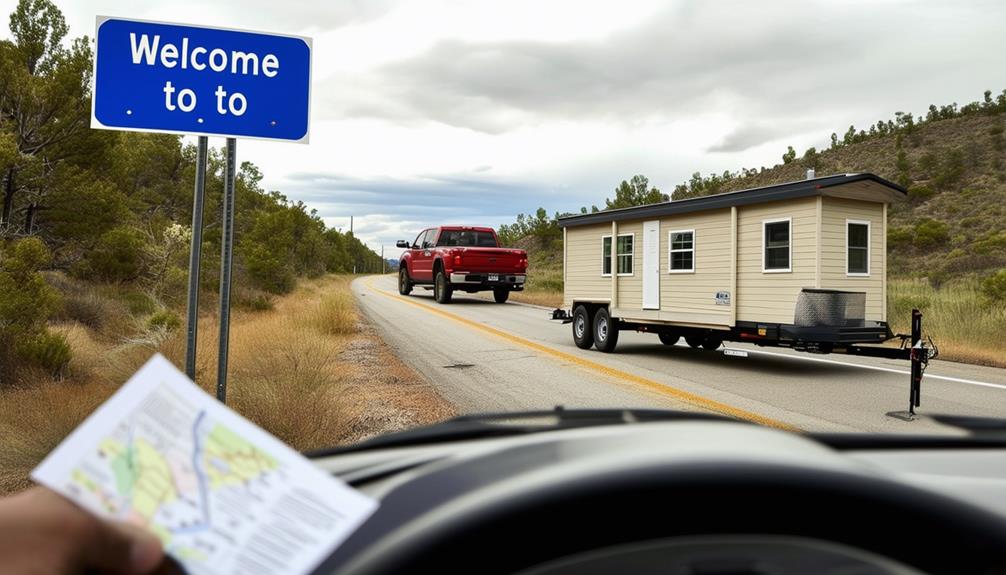
Ensuring that your small home complies with zoning laws at its new location is essential to avoid legal issues. Begin by researching the local laws and regulations where you plan to relocate, as zoning laws can vary significantly. Understanding these will help you determine if your small home design is permissible in the new area, including any specific requirements such as minimum square footage or foundation types.
Before moving, confirm that small homes are legally recognized in the new area. This step is crucial because some places might not permit small homes for permanent residence. Acquiring the necessary permits for transporting your small home is another essential aspect; without the proper paperwork, you risk fines or being stopped during transport.
Insurance requirements should not be overlooked. Ensure that your small home is covered both during the move and at its new location. Reach out to your insurance provider to understand the specifics and update your policy accordingly. Complying with all local laws and regulations will save you from potential legal issues and provide peace of mind once your small home is settled in its new spot.
Ensuring Safe Transport
To ensure the safe transport of your tiny home, start by planning the route to avoid narrow roads and low bridges. Monitor the transport closely to address any issues that may arise. Have contingency plans ready for unexpected weather or mechanical problems.
Route Planning Essentials
Mapping out your route ahead of time is essential for the safe navigation of your tiny home through varying road conditions and restrictions. Adopting tiny home living requires meticulous planning to ensure a smooth relocation process. Moving a tiny home involves more than just hooking it up to a trailer; it requires comprehensive research into road regulations and potential obstacles.
To ensure your tiny home reaches its destination without issues, follow these steps:
- Research Regulations: Different states and municipalities have specific rules for oversized loads. Understand the legal requirements for transporting your tiny home through each area on your route.
- Check Road Conditions: Identify roads with low clearances, narrow passages, and weight restrictions. Avoid routes that could pose risks to your home or delay your journey.
- Monitor Weather Forecasts: Conditions like heavy rain, snow, or strong winds can make transporting a tiny home hazardous. Plan your move when the weather is expected to be calm and clear.
- Coordinate with Your Moving Team: Effective communication is crucial. Share your route plan with your team to ensure everyone is prepared and ready to tackle any challenges that arise.
Monitoring Transport Progress
Monitoring the transport of your tiny home is crucial to ensure it arrives safely and on schedule. Start by utilizing GPS tracking systems to monitor your home's real-time location, allowing you to stay updated on its journey. Regularly check the GPS to verify that everything is proceeding as planned.
Effective communication with your moving team is also vital. Maintain contact through phone calls or messaging apps to receive updates and address any concerns. This open line of communication enables you to quickly respond to any unexpected delays or issues that may arise during transport.
Be prepared to manage unforeseen delays. If your moving team informs you of a delay, use this information to reassess timelines and make necessary adjustments. Prompt action can prevent minor issues from escalating into major setbacks.
Lastly, prioritize safety throughout the entire journey. Ensure that your moving team follows all required safety protocols, such as properly securing the home and adhering to traffic regulations. By combining GPS tracking, effective communication, and a focus on safety, you can ensure your tiny home arrives at its new location smoothly and securely.
Contingency Planning Steps
When transporting your tiny home, having a solid contingency plan is essential to address any unexpected issues. Relocating your tiny home isn't just about the journey; it's about being prepared for any unforeseen challenges. Here are some crucial steps to ensure safe transport:
- Develop a Contingency Plan: Unexpected delays can occur. Prepare a backup strategy, including alternate accommodations and extra supplies, to manage any interruptions during the move.
- Monitor Weather Conditions: Weather can significantly impact your transport process. Regularly check forecasts and be prepared to delay the move if conditions are unsafe. Severe weather can make roads hazardous and potentially damage your tiny home.
- Maintain Vital Contacts: Keep the contact information for your moving team and emergency services readily accessible. Quick access to these numbers can be crucial if something goes wrong.
- Carry Essential Tools and Equipment: Equip yourself with tools for minor repairs or adjustments. A well-stocked toolkit can help you address issues like loose bolts or minor structural adjustments on the go.
Weather Considerations

Before transporting your tiny home, consider how various weather conditions can affect safety. Wind, for instance, can be particularly challenging. Strong gusts may cause your home to sway, making control difficult. Always check the weather forecast for wind conditions along your route and consider rescheduling if high winds are predicted.
Rain is another factor to consider. Wet roads increase the risk of skidding and reduce visibility. Ensure your tires are in good condition and that your windshield wipers are functioning properly. Additionally, waterproof your tiny home by sealing any gaps to prevent water damage during transit.
Snow and ice bring their own set of challenges. Slippery conditions require extra caution and slower speeds. Before you start your journey, clear any snow from your home's roof to avoid added weight and potential damage. Ice can make roads hazardous, so be aware of any icy patches along your route.
Post-Transport Setup
After confirming that your tiny home has weathered the trip safely, focus on reconnecting utilities and making it livable. Follow these steps for efficient setup:
- Reconnect Utilities: Start by hooking up water, electricity, and gas (if applicable). This ensures your home is ready for immediate use.
- Conduct a Thorough Inspection: Look for any signs of damage such as cracks, leaks, or loose fittings. Pay special attention to structural components and crucial systems.
- Make Necessary Repairs: Address any issues identified during your inspection promptly. This may include patching walls, securing furniture, or repairing cosmetic damages.
- Set Up Your Space: Organize furniture, decor, and essentials to create a comfortable living environment. Arrange everything to make it feel like home.
Cost and Factors

Understanding the costs and factors involved in transporting a tiny home is crucial for effective budgeting and planning. The cost of moving a tiny home can vary significantly, typically averaging around $3,500. Factors such as distance, dimensions, and weight play vital roles in determining the final cost. For example, towing rates generally range from $1 to $2 per mile, while flatbed shipping can cost between $2.50 and $3.50 per mile for larger or heavier homes.
The size and weight of your tiny home directly impact transport costs. Larger and heavier homes often require more expensive shipping solutions. The destination and distance of your move are also important considerations, as longer hauls will increase expenses. Specific permits for oversized loads can further add to the cost.
For international shipping, options include shipping containers and Roll-On Roll-Off (RORO) vessels. Each method has its own set of costs and logistical requirements. Shipping containers might offer a more secure method but can be more expensive. RORO vessels, where your home is rolled on and off the ship, might save you some money but come with their own risks.