How to Make a Tiny Home Accessible for All Ages
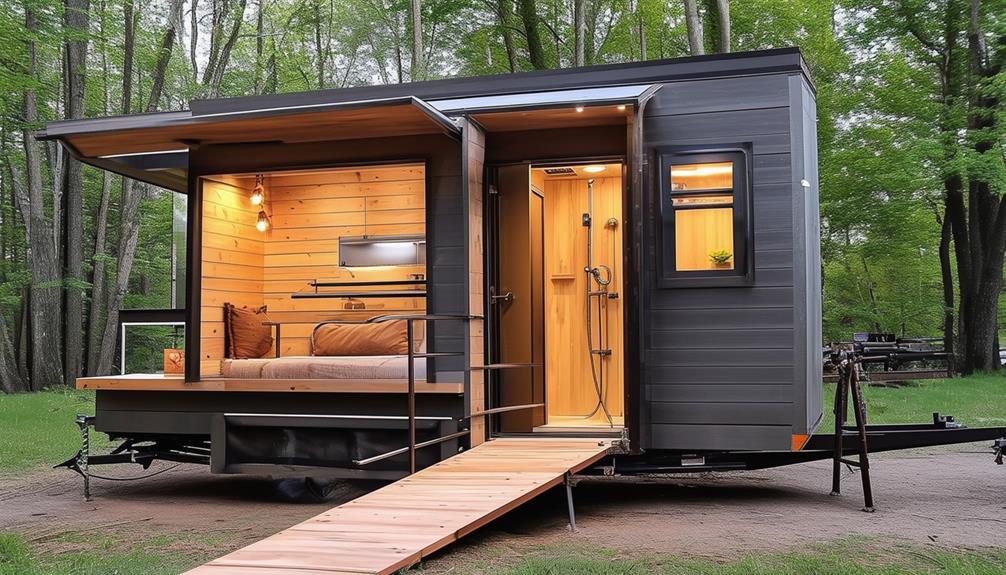
Designing a tiny home that is accessible for all ages requires careful consideration beyond just maximizing space. Essential features like wide doorways and zero-step entries are crucial, but you also need to address the varied needs of both young and elderly residents. Imagine a layout where everyone, regardless of age or mobility, can navigate comfortably and safely. Incorporating elements such as roll-in showers, grab bars, and lower countertops enhances usability without sacrificing style. Balancing these needs while maintaining an efficient and welcoming space is key. Let's explore effective strategies to achieve this balance.
Concept and Design
When planning a compact home, incorporating inclusive design principles ensures accessibility for people of all stages and abilities. By focusing on these principles, you create a space that is both functional and accommodating. Start by ensuring wide doorways and hallways to facilitate easy movement and maneuvering. Next, integrate grab bars in key areas such as the bathroom and shower. An accessible bathroom is crucial, so include features like a walk-in shower, lever-style handles, and non-slip flooring.
Incorporate space-saving furniture that offers flexibility and mobility. Consider fold-out tables, wall-mounted desks, and versatile pieces that can be easily moved or adjusted. This approach optimizes limited space while maintaining accessibility. For example, a bed with built-in storage underneath can free up floor space, making it easier to navigate the compact home.
Inclusive design features aim to make life easier for everyone, regardless of stage or ability. Implementing these elements ensures your compact home is a comfortable and practical living space. Leveraging design principles such as wide doorways and accessible bathrooms significantly enhances usability and comfort.
Optimizing Space
To make your compact residence both accessible and functional, optimizing space with clever storage solutions and versatile furniture is crucial. In a small home, every square inch matters, so incorporating smart design elements that maximize your living area is essential. Start by utilizing concealed storage spaces and vertical shelving. These not only save space but also keep your home organized and accessible.
Space-saving furniture is another vital component. Consider installing pull-out beds and collapsible tables that can be stored away when not in use. This kind of versatile furniture allows you to free up floor space, making it easier for everyone to move around comfortably. Designing distinct zones for sleeping, dining, working, and relaxing ensures that each area serves its purpose without overcrowding.
Ingenuity and meticulous planning can make a significant difference in a tiny home. Focus on creative design solutions that cater to the needs of all occupants. By efficiently using available space, you create a more accessible environment where everything is within reach. Remember, optimizing space isn't just about fitting everything in; it's about making your tiny home livable and enjoyable for everyone.
Energy Efficiency
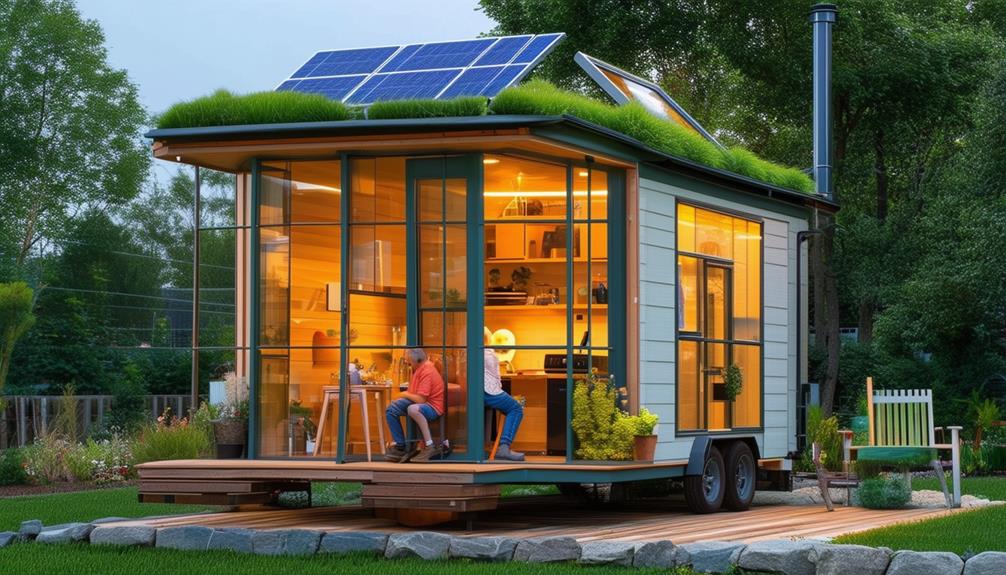
To achieve energy efficiency in a small home, integrate eco-friendly elements that reduce energy costs and environmental impact. Start with renewable energy options like solar panels, which can supply a significant portion of your electricity needs and are particularly effective for small homes due to their smaller energy footprint.
Next, focus on efficient heating and cooling. Install energy-efficient HVAC systems or consider alternatives like mini-split systems that can heat and cool your space effectively. Programmable thermostats also allow for precise temperature control, reducing energy waste.
Proper insulation is crucial for maintaining a comfortable interior climate. It keeps your home warm in winter and cool in summer, minimizing the need for excessive heating and cooling. Opt for eco-friendly insulation materials like recycled denim or sheep's wool, which provide excellent thermal performance and are environmentally friendly.
Accessibility Features
To make a tiny home accessible, incorporate wheelchair-friendly design elements such as ramps and wide doorways. Include practical accessibility features like grab bars, lever-style handles, and roll-in showers. These additions ensure your home remains user-friendly and adaptable for all life stages.
Wheelchair-Friendly Design Elements
Creating a wheelchair-friendly tiny home requires incorporating practical design elements such as ramps, wide doorways, and accessible kitchen and bathroom features. These elements ensure ease of movement and usability for wheelchair users, even in limited space.
Start by installing wheelchair ramps or lifts for easy access to the home. Ensure that doorways and hallways are wide enough to accommodate wheelchair maneuverability, which is crucial in both living spaces and bathrooms.
| Design Element | Description |
|---|---|
| Wheelchair Ramps/Lifts | Facilitate easy entry into the tiny home. |
| Wide Doorways/Hallways | Enable seamless wheelchair movement. |
| Accessible Kitchen Features | Include lowered countertops and easy-to-reach shelves. |
| Roll-in Showers | Provide easy access in the bathroom. |
| Grab Bars/Handrails | Offer support in key areas such as the bathroom. |
In the kitchen, install lowered countertops and easy-to-reach shelves to simplify cooking and food preparation. For the bathroom, consider a roll-in shower for easy access. Adding grab bars and handrails in strategic locations will offer extra support and stability. Lever-style door handles and faucets are also essential, as they are easier to operate for individuals with limited dexterity. These wheelchair-friendly design elements ensure your tiny home is accessible and comfortable for everyone.
Practical Accessibility Solutions
Ensuring that your tiny home meets the diverse needs of all its occupants requires practical accessibility solutions beyond just wheelchair-friendly design elements. Start by integrating wheelchair ramps and wide doorways, which facilitate easy navigation for everyone, including those using walkers or strollers.
Incorporate grab bars in the bathroom and near any stairs or steps to provide essential support and reduce the risk of falls. Lever-style door handles are another necessary addition, offering ease of use for individuals with limited hand strength or dexterity.
Bathrooms should include roll-in showers with seats to allow users to bathe comfortably and safely. Lowered countertops in the kitchen and bathroom make tasks like cooking and handwashing more accessible for everyone.
Embracing universal design principles means thinking ahead. Modular and prefabricated construction can be customized to include these accessibility features right from the start, ensuring seamless integration. Use durable, low-maintenance materials to reduce upkeep and improve long-term usability.
Senior-Friendly Living
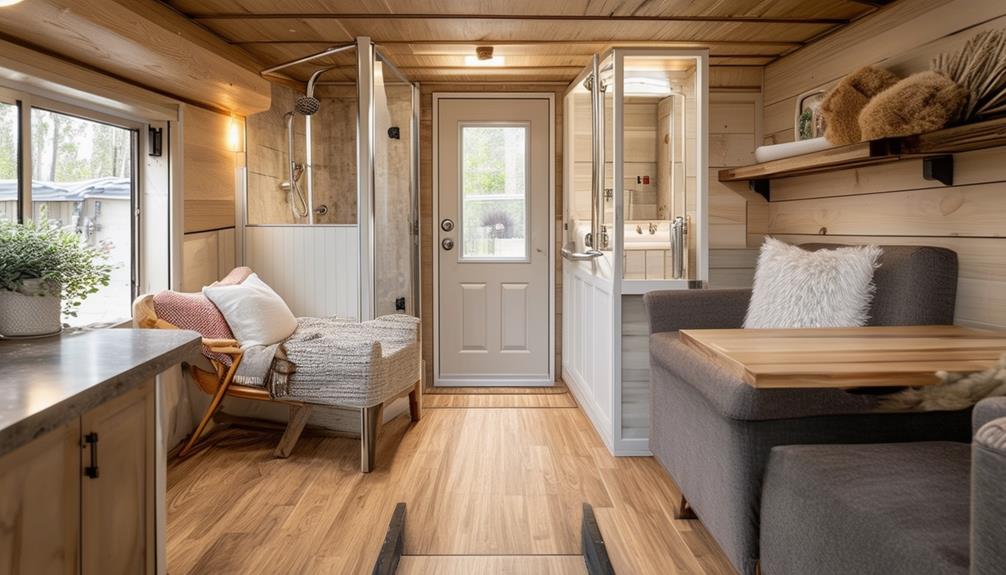
Small dwellings provide an affordable and manageable living option for elders, allowing for customization to meet specific accessibility needs. A wheelchair-accessible small dwelling is ideal, ensuring mobility within limited space. By incorporating universal design principles and meeting DIN 18040 requirements, you can create an environment that is both usable and accessible.
These features not only cater to elders but also enhance the living experience for everyone, promoting a safer and more functional home environment. Social connections are vital for elders, and living in a small dwelling can bring them closer to family while maintaining their independence. This setup fosters strong support networks and reduces isolation.
Creating an elder-friendly small dwelling involves thoughtful planning and design to ensure comfort, safety, and accessibility. By focusing on these aspects, you can create a living space that supports the well-being of elders and allows them to enjoy a high quality of life in a compact, efficient home.
Accessible Tiny House Models
Accessible tiny house models offer innovative solutions for individuals seeking compact yet functional living spaces tailored to specific mobility and accessibility needs. These models cater to wheelchair users and those with spinal cord injuries, ensuring that every square foot is optimized for ease of use and comfort.
For instance, Tiny Idahomes has created a 28-foot-long accessible house designed specifically for a paraplegic, featuring a lift bed and other accessibility improvements. The Wheel Pad's 200-square-foot tiny home is ideal for quadriplegics, featuring a roll-in shower and a Hoyer lift track system. FabCab's TimberCab tiny home in Seattle stands out with its universal design elements, including a permanent ramp and roll-in shower, all within a spacious 550-square-foot layout.
Notable features of accessible tiny homes include:
- Wheelchair-friendly layouts: Ramps, wide doorways, and roll-in showers facilitate easy navigation.
- Customizable floor space: Adaptable designs to meet specific needs, including lift systems and accessible kitchens.
- Space optimization: Efficient use of limited space to accommodate mobility aids and caregivers.
- Safety features: Non-slip flooring, grab bars, and emergency alert systems.
These accessible tiny house models ensure that everyone, regardless of their mobility challenges, can enjoy the benefits of tiny living.
Community and Cost Benefits
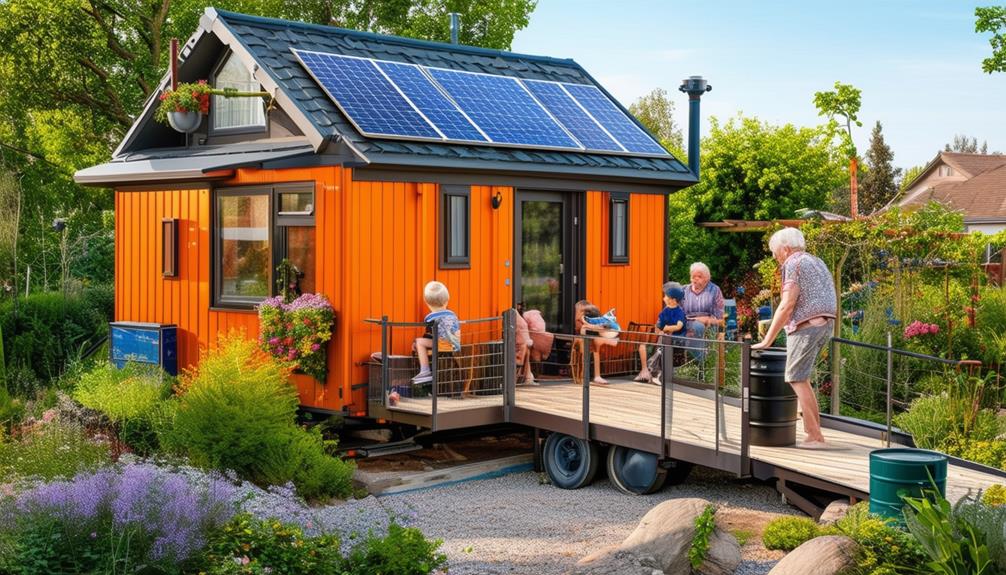
Living in a small home not only fosters a sense of community but also offers significant cost savings and accessibility benefits for individuals at all stages of life. Small homes promote community engagement by encouraging the sharing of resources and support systems. Neighbors often collaborate, sharing tools and skills, which strengthens bonds and reduces individual expenses.
The cost benefits of living in a small home are substantial. With lower utility bills and maintenance costs compared to traditional housing, you'll save money while enjoying a simpler, more sustainable lifestyle. Small homes are designed with sustainability in mind, reducing your environmental footprint and promoting eco-friendly living.
Accessibility features in small homes can benefit everyone, from seniors to individuals with disabilities. Customizable designs ensure that these homes are inclusive and adaptable to specific needs. For example, you can incorporate ramps, wider doorways, and adjustable countertops to enhance mobility and independence.