How to Maintain and Clean Your Tiny Home
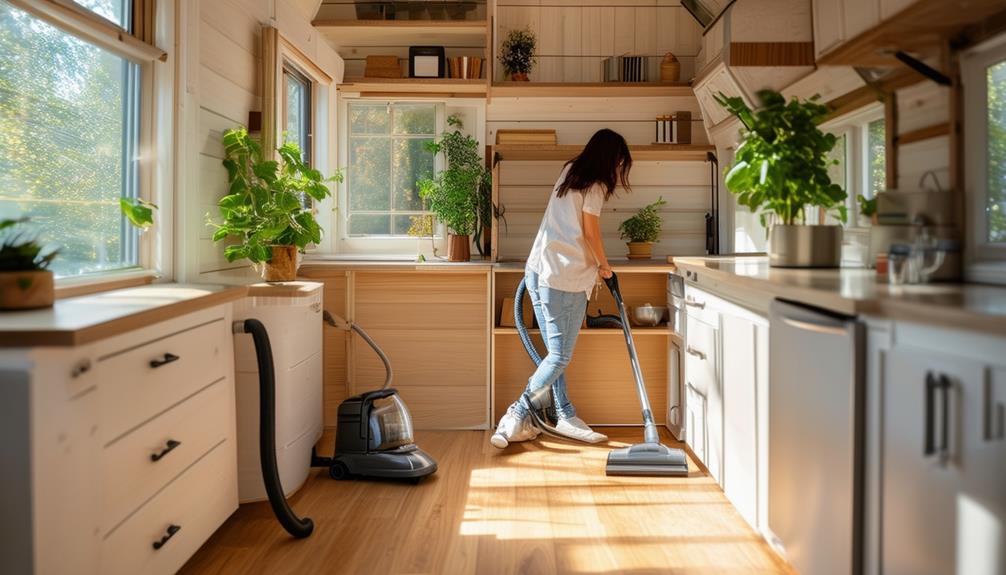
Maintaining and cleaning your tiny home efficiently starts with establishing a daily routine. Sweep floors, wipe down surfaces, and keep kitchen counters spotless to prevent any buildup. Regularly clean the bathroom, focusing on the shower, toilet, and sink to maintain hygiene. Dust shelves and electronics frequently to keep your space tidy. Making the bed with fresh sheets and ensuring kitchen surfaces are clean daily can make a significant difference. But how do you tackle deeper cleaning tasks and long-term maintenance?
Steps for Deep Cleaning
Deep cleaning your tiny home starts with sweeping the floors and wiping down all surfaces. Given the compact nature of a small space, it's essential to establish a consistent cleaning routine. Begin in the kitchen by removing any items from the counters and thoroughly scrubbing them. Clean the stovetop, sink, and inside the microwave. Once the kitchen is spotless, move on to the bathroom. Focus on cleaning the shower, toilet, and sink, and use a disinfectant to ensure these areas are sanitized and free from grime.
Next, turn your attention to the living space. Dust all surfaces, including shelves, tables, and electronics. Sweep and mop the floors throughout your home for a thorough clean. Maintaining an organized environment is key in a tiny house, so take the time to declutter as you go.
Essential Cleaning Tasks
Prioritizing essential cleaning tasks helps keep your tiny home organized and spotless. In a compact living space, tidiness is crucial. Start by returning items to their designated places; this simple habit prevents clutter from overwhelming your home. Each day, make the bed with fresh sheets to create a neat and inviting atmosphere.
Flat surfaces are prone to accumulating dust and grime, so regular dusting of art, books, and other items is important. Ensure you wipe down all flat surfaces in your kitchen to maintain a hygienic cooking environment. A clean kitchen is vital, especially in a limited space where every surface matters. Promptly doing the dishes and allowing them to air-dry helps maintain order and cleanliness.
Frequent dusting is necessary, as dust can build up quickly in small areas. By focusing on these key tasks, you'll keep your tiny home clean and comfortable. Remember, in a tiny house, every bit of effort you put into cleaning pays off, creating a more enjoyable living environment.
Additional Cleaning Steps
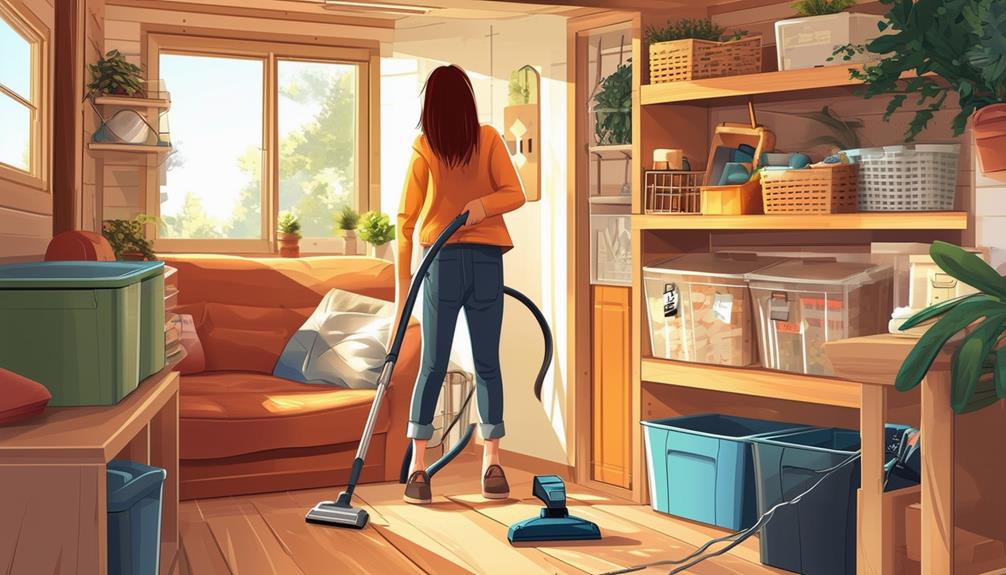
To maintain a spotless tiny home, don't forget these essential cleaning steps that will enhance your living environment. Start by ensuring your bathroom is in top shape. Regularly cleaning the shower is vital to prevent mold and maintain hygiene. Next, focus on emptying the toilet. If you have a compost toilet, make sure you empty and clean it frequently to keep your home smelling fresh and sanitary.
Sweeping floors is another necessary task. Given the limited space, dirt and debris can accumulate quickly. Follow up by mopping floors to ensure they are thoroughly clean and free of grime. Don't overlook the importance of managing dirty rags. Place them in the laundry bin immediately after use so they're ready for your next cleaning session.
Final Cleaning Tasks
Now that you're nearly finished, tie up the trash bag and replace it with a fresh one. Dispose of the trash in the appropriate bins. Put the rugs back in place. Finally, retrieve and fold your clean laundry to keep everything organized.
Dispose of Trash Properly
Properly disposing of trash is crucial for maintaining a clean and organized living space, especially in smaller areas. Here's a straightforward guide to help you manage your waste effectively:
- Secure the Garbage Bag: Tie the trash bag tightly to prevent leaks and odors. This ensures that your living area remains clean and pleasant.
- Replace the Waste Bag: Once the garbage bag is full, immediately replace it with a new one. This practice helps sustain cleanliness and organization in your home.
- Dispose Correctly: Discard the full garbage bag in the appropriate container—trash, recycling, or compost. This step is vital for proper waste management and environmental responsibility.
- Wash Your Hands: After handling waste, wash your hands thoroughly to maintain hygiene.
Reorganize and Retrieve Items
To keep your compact home organized, it is crucial to place all items back in their designated spots. After a thorough cleaning, take a moment to retrieve any personal belongings that you temporarily stored away. Reorganize these items by placing them in their proper locations to maintain a clean and tidy living space.
Begin by scanning each room and identifying any misplaced objects. Gather everything and double-check that all items have been returned to their designated spots. This step is essential for maintaining an orderly environment and ensuring that nothing significant is left out or forgotten.
As you reorganize, consider the overall arrangement of your personal belongings. Assess whether the current setup optimizes space and functionality. If you find areas that could be improved, adjust the placement of items for better organization.
Taking the time to retrieve and reorganize ensures your compact home remains a welcoming and efficient living space. A clean and tidy environment not only looks better but also makes daily living more enjoyable and stress-free. By following these steps, you'll maintain a beautifully organized and functional home.
Complete Laundry Tasks
Complete your cleaning routine by addressing laundry tasks to keep your tiny home organized and fresh. Start by retrieving clean laundry from the dryer or laundry basket. Fold each item neatly to maintain a tidy appearance and put the clothes away immediately to prevent clutter in your living space. This simple step helps keep your home organized and ensures your belongings are in their designated spots.
Folding clothes might seem mundane, but it significantly contributes to a clutter-free environment. Promptly putting away laundry frees up valuable space in your tiny home. Use drawers, shelves, and storage bins to store your clothes efficiently, making it easier to find what you need when you need it.
Keeping your living space organized isn't just about appearance; it also improves your daily routine. A clutter-free home reduces stress and makes it easier to clean and maintain. By completing your laundry tasks, you're one step closer to achieving a harmonious and well-organized tiny home. Every small effort counts in maintaining a cozy and inviting living area.
Making a Loft Bed
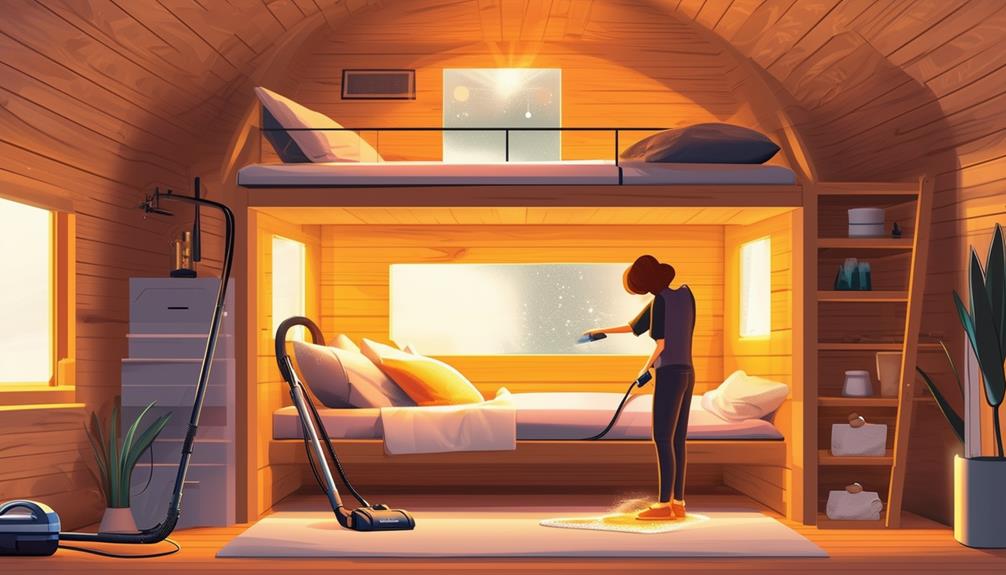
Creating a loft bed in a tiny home can be straightforward with the right steps. First, locate the corners of the fitted sheet before ascending the ladder. This preparation simplifies the bed-making process. Once in the loft, arrange items closer to the head of the bed to maximize space efficiency.
Next, fold the flat sheet lengthwise and unfold it at the top of the bed, ensuring it lays neatly. Smooth out any wrinkles by gently tugging on the fabric. Repeat this process for any blankets to keep the loft bed looking neat and inviting.
Tiny Home Maintenance Tips
Maintaining your tiny home regularly is crucial for its functionality and comfort. Start by ensuring your home is properly leveled to prevent water runoff and structural issues. Next, inspect and clean the roof and siding regularly to avoid damage, mold, and rot. A well-maintained roof and siding are essential for preserving your home's integrity.
Control humidity by using dehumidifiers and ensuring proper ventilation to prevent condensation, mold, and mildew. Regularly check your appliances for efficiency. Clean the filters and components of your mini splits to ensure they run smoothly and maintain indoor comfort.
If you have a wood stove, clean the chimney and remove ash buildup to keep it burning efficiently and safely. Routine maintenance of these elements not only extends their lifespan but also ensures your tiny home remains a pleasant place to live.
Off-Grid Living Considerations
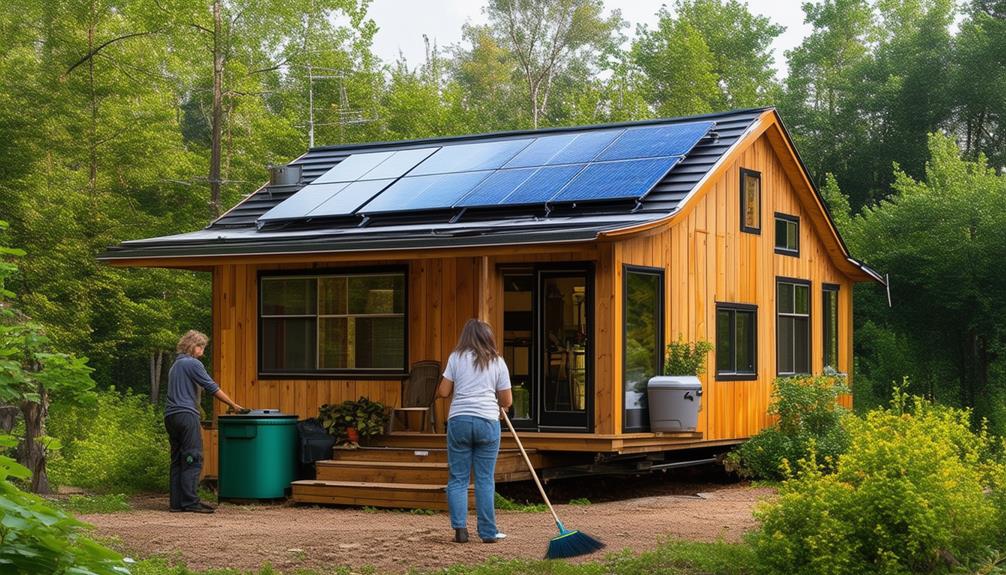
When living off-grid in a tiny home, embracing self-sufficiency is essential. Carefully consider the pros and cons to ensure this lifestyle aligns with your needs. Building a reliable support network is vital for navigating maintenance challenges and securing assistance when required.
Self-Sufficiency and Adaptability
Self-sufficiency and adaptability are crucial for thriving in an off-grid tiny home, requiring adept resource management and problem-solving skills. Off-grid living in a tiny home necessitates a thorough understanding of maintaining and cleaning your space sustainably. Effective management of power generation, water supply, and waste disposal systems is essential. This includes staying on top of routine maintenance tasks and being prepared to troubleshoot issues as they arise.
Your lifestyle preferences will significantly influence your approach to off-grid living. Some may prioritize minimalism, while others might seek a more comfortable and tech-savvy environment. Regardless, adaptability remains key. Being resourceful and willing to learn new skills is essential to keep your tiny home running smoothly.
Building a support network is also necessary. Connecting with other off-grid enthusiasts or accessing online resources can provide invaluable advice and assistance when needed. Embracing self-sufficiency and adaptability allows you to enjoy the rewards of independence and sustainability while ensuring that your tiny home remains a comfortable and practical living space.
Pros and Cons
Understanding the pros and cons of off-grid living is crucial for preparing for the unique challenges and rewards of maintaining a tiny home. This lifestyle demands a high level of self-sufficiency and adaptability, impacting your maintenance and cleaning routines.
Pros:
- Self-Sufficiency: Off-grid living fosters a strong sense of independence. You'll adopt sustainable practices that benefit the environment and reduce reliance on external utilities.
- Cost Savings: Generating your own power and water can lead to long-term financial savings, allowing you to allocate resources to other lifestyle choices.
- Minimalistic Lifestyle: Tiny homes encourage a simpler, clutter-free way of living. Less space means less cleaning and fewer possessions, making maintenance easier.
Cons:
- Resource Management: Managing limited resources like water and power can be challenging. Continuous monitoring and adjustment are necessary to maintain sustainability.
- Isolation: Off-grid living can be isolating, especially if you're far from urban centers, making it harder to access repair services and support networks.
- Initial Costs: The setup for off-grid living can be expensive. Solar panels, water systems, and other infrastructure require a significant upfront investment.
Balancing these pros and cons is essential for a fulfilling off-grid lifestyle in your tiny home.
Building Support Network
Building a strong support network is crucial for ensuring your off-grid tiny home operates smoothly and efficiently. Off-grid living presents unique challenges, and a reliable support system can make all the difference. Connecting with other off-grid homeowners provides valuable insights, tips, and resources for sustainable living. Their experiences with maintenance, repairs, and emergency handling can significantly enhance your off-grid journey.
Establishing connections with local professionals is also essential. Services like plumbing and HVAC are vital for your tiny home's upkeep. Having trusted experts on call ensures timely maintenance and quick fixes, reducing the stress of managing these tasks alone and helping to keep your home in optimal condition.
Educate yourself about the specific challenges of off-grid living. Understanding potential issues and their solutions prepares you to tackle them effectively, fortifying your support network. Collaborating with like-minded individuals in off-grid communities fosters a sense of camaraderie and shared knowledge, which is invaluable for maintaining and improving your sustainable living setup.
Wall Hanging and Maintenance
When hanging items on your small home's walls, use nail plates to prevent damaging wires or plumbing. This step is crucial to maintain a safe and functional living space. Proper maintenance and care are essential for wall hanging in a small home. Here's how you can proceed:
- Consult professionals before using longer nails or bolts: Always check with a builder or contractor to avoid penetrating areas that may contain wiring or plumbing. This precaution helps prevent unintended damage and preserves the structural integrity of your home.
- Use appropriate wall anchors: Depending on the item's weight, select the correct type of wall anchors. This helps distribute the load and prevents undue stress on the walls, which could cause long-term damage.
- Regular inspections: Periodically check the areas where you've hung items to ensure they are still secure and not causing wear or damage to the walls. This proactive approach can catch potential issues early and keep your home in top condition.
Community and Housing Trends
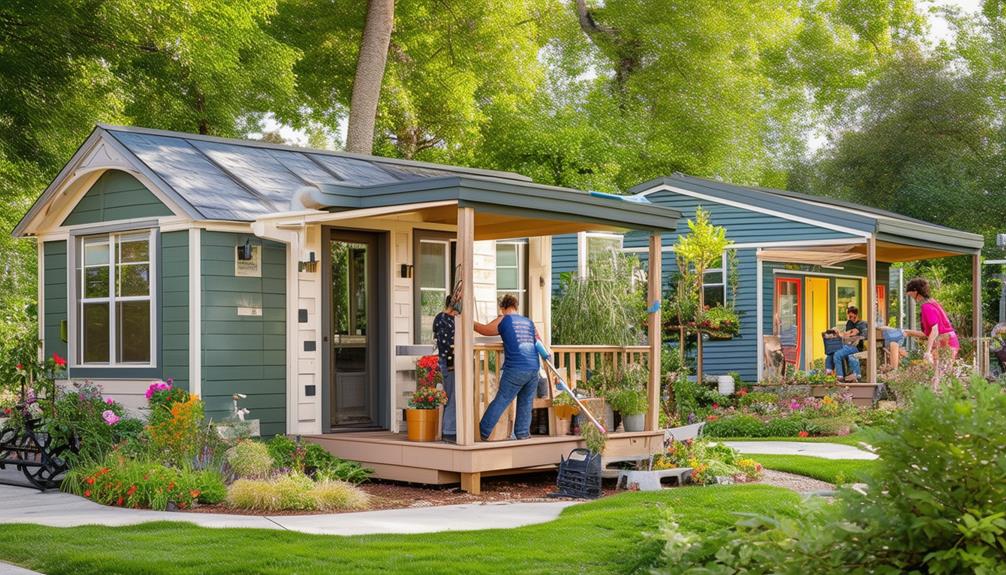
Tiny home communities are thriving, offering residents a sense of belonging and access to shared resources. These communities are emerging in states like Tennessee and Ohio, embracing affordable housing initiatives. Living in a tiny home community provides a close-knit environment with amenities such as shared gardens, tool libraries, and communal spaces.
Modular housing projects are also becoming popular due to their customizable nature, allowing for tailored living spaces that meet specific needs. These projects emphasize sustainable living by incorporating eco-friendly features like solar panels to reduce energy consumption. Residents can enjoy efficient, compact living spaces that do not compromise on comfort or style.
The growing trend toward tiny homes and modular homes signifies a broader shift toward sustainable, eco-friendly living. People are increasingly attracted to these housing options for both their affordability and environmental benefits. By choosing such housing, you contribute to a more sustainable future while enjoying a unique, community-oriented lifestyle. Compact living spaces, shared resources, and customizable, eco-friendly designs make these communities an appealing choice for modern living.