How to Deal With Tiny Home Neighbor Issues

When dealing with tiny home neighbor issues, open communication and respect for boundaries are crucial. It's not just about setting up physical barriers like fences or landscaping, but also about discussing concerns openly and promptly. Living in close quarters can lead to clashes in lifestyle, such as noise levels or privacy needs. Address these issues through proactive problem-solving and mutual respect. However, legal and zoning challenges can add complexity. Navigating these requires understanding local regulations and fostering a cooperative tiny home community.
Building Good Relationships
Building good relationships with your tiny home neighbors is essential for preventing conflicts and fostering a positive community. By maintaining open communication and addressing concerns proactively, you can create a harmonious environment where everyone feels respected and valued.
Sharing your construction plans and timelines with your neighbors manages expectations and minimizes disruptions. This transparency shows that you value their peace and are considerate of their routines. When neighbors know what to expect, they're less likely to feel inconvenienced or overlooked.
Offering assistance and being considerate can go a long way. Whether it's lending a hand with a project or being mindful of noise levels, small gestures demonstrate goodwill and build trust. Showing appreciation and involving your neighbors in the process creates a sense of community and shared purpose.
Addressing concerns promptly is crucial. If a neighbor voices an issue, listen actively and seek a solution together. This proactive approach prevents minor issues from escalating into major conflicts, ensuring peaceful coexistence. Building good relationships with your neighbors is the foundation of a thriving tiny home community.
Living Under the Radar
Living discreetly in a small home requires careful planning and a keen awareness of your surroundings to avoid legal complications. It's important to ensure your tiny home blends well within the community and remains unobtrusive. Minimizing visibility and maintaining a low profile can help you avoid attracting attention that might lead to neighbor complaints and subsequent legal scrutiny.
Effective communication with neighbors is crucial. If they understand your living situation and don't perceive your tiny home as a disturbance, they are less likely to report you. Proactively addressing their concerns and being transparent about your intentions can foster goodwill, thereby reducing the risk of actions that could threaten your living arrangement.
Additionally, be prepared for potential legal challenges. Evaluate the risks and benefits of living under the radar, and have a contingency plan in place should you need to relocate quickly. Flexibility and preparedness can help you manage unexpected situations effectively, ensuring you are not caught off guard if you need to move.
Legal and Zoning Challenges
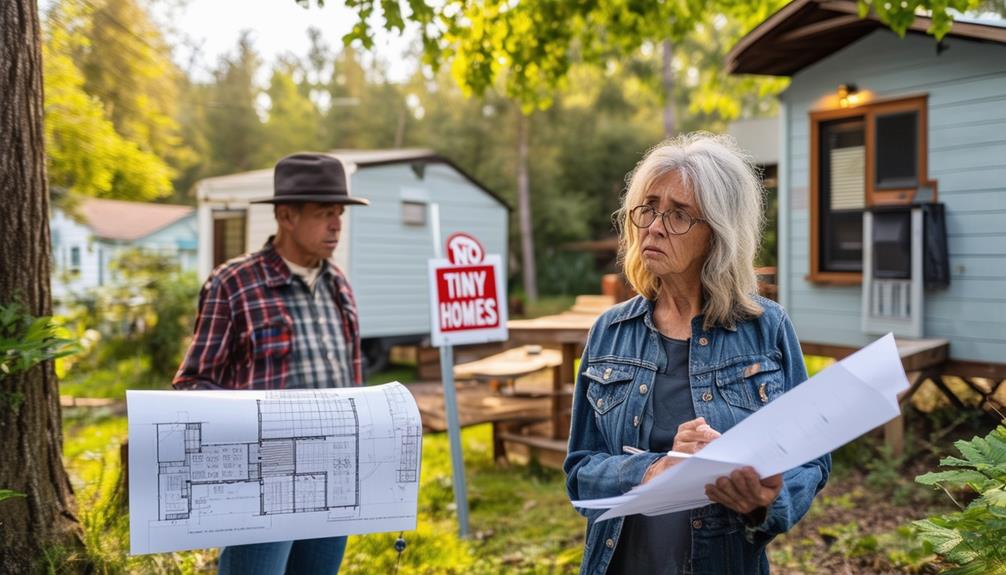
When it comes to tiny homes, zoning code restrictions and minimum size regulations often complicate their placement. Many municipalities have rules that tiny homes do not meet, leading to potential legal challenges. Additionally, if a tiny home is classified as a recreational vehicle (RV) rather than a permanent dwelling, RV certification issues may arise.
Zoning Code Restrictions
Understanding local zoning codes is crucial for the legal placement of tiny homes. Many municipalities have specific regulations that can restrict these homes, often dictating their placement and minimum size requirements. While these codes can present legal challenges, being knowledgeable about them can help you navigate these obstacles effectively.
Zoning laws vary significantly based on location. Some areas are more accommodating, while others have stringent rules. It is essential to research your local zoning laws to ensure your tiny home complies with them. This process may include consulting with local zoning boards or hiring a legal expert.
Here is an overview of common zoning challenges and considerations:
| Challenge | Consideration |
|---|---|
| Minimum Lot Size Requirements | Verify if your lot size meets local zoning standards. |
| Residential vs. Non-Residential Zones | Determine if tiny homes are permitted in residential areas. |
| Utility Hookups | Ensure zoning allows for necessary utility connections. |
| Permitting Process | Understand the permitting process to avoid potential fines. |
Minimum Size Regulations
Tiny home owners frequently encounter significant legal and zoning challenges due to minimum size regulations. These regulations often mandate a minimum square footage that tiny homes do not meet, making them non-compliant with local zoning codes. Non-compliance can result in legal issues, including potential eviction.
The compact size of tiny homes often clashes with traditional zoning laws, which are primarily designed for larger, conventional homes. This creates substantial hurdles for tiny home dwellers. Navigating these local laws is crucial to avoid complications.
Zoning codes and regulations vary significantly by location, necessitating thorough research into the specific requirements in your area. Some municipalities may be more flexible and willing to adjust their codes, while others strictly adhere to existing regulations. Ignorance of these laws can lead to unexpected legal battles and stress.
To mitigate these challenges, consider consulting with a local zoning expert or attorney specializing in tiny homes. They can help you understand the specific legal landscape and advocate for any necessary changes to accommodate your tiny living situation.
RV Certification Issues
Securing RV certification for your tiny home can help address some legal challenges but won't eliminate all zoning restrictions that may affect your living situation. While RV certification can enhance compliance with various regulations, many municipalities have stringent zoning codes that still present significant obstacles. These codes often classify RVs as temporary dwellings, prohibiting full-time residency.
Understanding and adhering to local zoning laws is crucial. Without proper compliance, you risk complaints from neighbors or even eviction. Trying to live under the radar may seem tempting but is fraught with risks. Some regions are more accommodating, but this varies significantly by location.
Consider the following emotional impacts:
- Fear of eviction: The constant worry of being forced out can be highly stressful.
- Uncertainty: Not knowing if your living situation is legally secure can be unsettling.
- Community disapproval: Facing negative reactions from neighbors can be disheartening.
- Financial strain: Legal issues can lead to unexpected costs.
- Emotional toll: Ongoing stress can affect your overall well-being.
Understanding the legal landscape and preparing for these challenges can help mitigate some of these emotional burdens.
Addressing Complaints
When addressing complaints about issues with neighboring tiny homes, begin by meticulously documenting all disturbances. This includes noise, unsightly conditions, or other disruptions that impact your tiny house living experience. Accurate records are crucial if you need to escalate the situation.
Next, contact the property owner via registered mail. Clearly outline the issues and request their prompt attention. This formal approach demonstrates seriousness and provides a documented paper trail for potential future actions.
If the owner remains unresponsive, seek legal advice from a real estate attorney. They can inform you of your legal options and guide you on the steps to compel the owner to resolve the problem. Understanding your rights and responsibilities is essential in these situations.
Leverage community resources to address specific issues. For instance, animal control services can manage noisy pets, while pest control professionals can handle infestations. These targeted solutions can provide immediate relief and demonstrate proactive problem-solving.
In the meantime, implement temporary measures to minimize disturbances and keep your tenants informed about the steps being taken. Clear communication fosters understanding and patience while working on long-term solutions to improve neighbor relations in your tiny house community.
Privacy and Boundaries
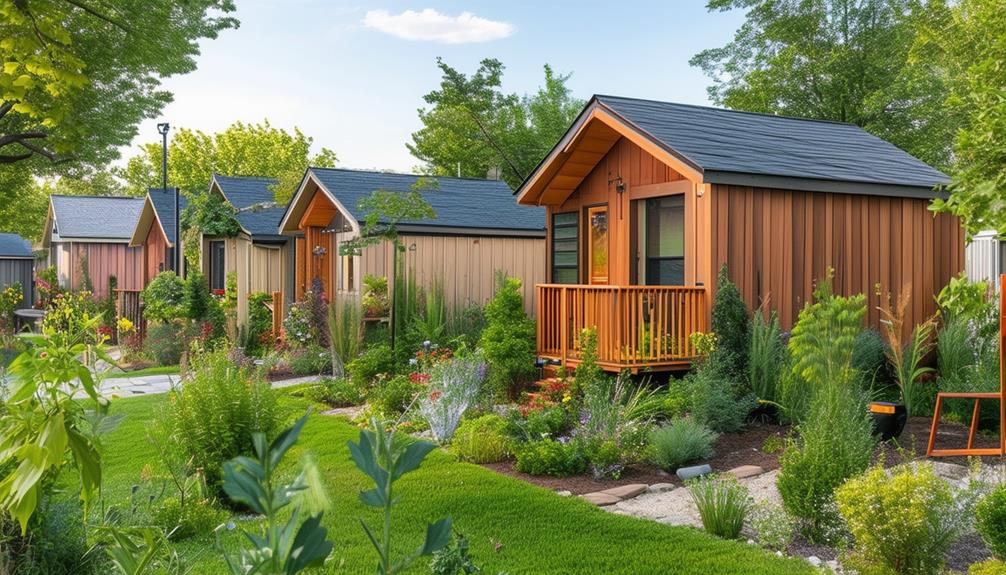
To maintain privacy and boundaries, start by clearly defining property lines to avoid disputes. Use physical barriers, such as fences or landscaping, to create separation and tranquility. Communicate openly with your neighbors about any privacy concerns to find mutually agreeable solutions.
Establishing Physical Barriers
To create privacy and clear boundaries between tiny homes, plant trees at least 6 feet tall or install privacy fences of the same height. These physical barriers provide immediate privacy and help define the space around your tiny house. A well-placed tree or fence can transform your living area into a serene, private retreat, making your tiny house feel more substantial.
Establishing these barriers offers several benefits:
- Peace of mind: A private space to retreat to can significantly reduce stress.
- Improved security: Physical barriers can deter unwanted visitors and enhance safety.
- Noise reduction: Trees and fences can muffle sounds from neighboring homes, creating a quieter environment.
- Increased property value: A well-maintained barrier can make your tiny house more attractive to potential buyers.
- Aesthetic appeal: Greenery or a stylish fence can enhance the visual appeal of your tiny house.
Additionally, incorporating noise-reducing features like waterfalls can further improve privacy and add a soothing element to your outdoor space. Establishing clear boundaries not only benefits you but also contributes to a harmonious tiny home community.
Effective Communication Strategies
Establishing clear and respectful communication with your tiny home neighbor is essential for maintaining privacy and harmonious living conditions. Begin with an open dialogue about boundaries, including noise levels and shared spaces, to ensure everyone's needs are understood and respected. This proactive approach helps prevent misunderstandings and fosters a cooperative atmosphere.
To further enhance privacy, consider implementing measures such as fences, landscaping, or curtains. These physical barriers can provide a sense of seclusion without compromising neighborly relations. However, it's crucial to communicate your plans with your neighbor to ensure they are comfortable with any changes.
Respecting your neighbor's privacy is as important as asserting your own. Be mindful of their personal space and avoid actions that might intrude. If you notice an issue, address it promptly and respectfully. This demonstrates that you value their comfort and are committed to maintaining a peaceful living environment.
Advocacy and Legalization
Advocating for the legalization of tiny homes in your community can start with supporting local initiatives to update zoning codes. By participating in these efforts, you're helping pave the way for tiny homes to become a recognized and accepted housing option.
Citizen advocacy is crucial in changing zoning codes to include tiny homes. Here are some ways to get involved:
- Attend Public Hearings: Show up, speak out, and support tiny home-friendly policies.
- Sign Petitions: Your signature can help demonstrate community support.
- Join Advocacy Groups: Collaborate with others who share your vision.
- Educate Neighbors: Spread awareness about the benefits of tiny homes, such as affordability, sustainability, and a reduced environmental footprint.
- Promote Success Stories: Share examples of thriving tiny home communities.
Research areas where tiny homes are already legal and consider relocating to a tiny house-friendly municipality if necessary. This can serve as a temporary solution while you work on advocacy in your current locale.