How to Create a Tiny Home Office: Productivity in Small Spaces
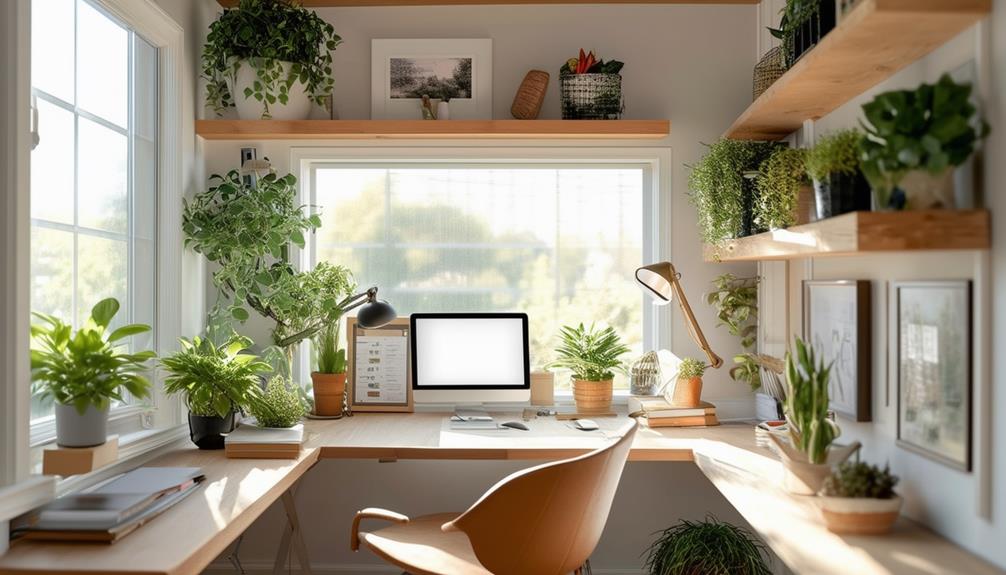
Creating a productive small home office in limited spaces may seem daunting, but with thoughtful planning, it is entirely possible. Begin by choosing a quiet corner, ideally near a window, to utilize natural light. Focus on cable management to maintain a tidy and uncluttered workspace. A cohesive color scheme can transform your area into a calming oasis. Ergonomic furniture is crucial for comfort and maintaining proper posture. To optimize storage without crowding your space, consider vertical storage solutions and multifunctional furniture.
Choosing the Right Space
When choosing a space for your tiny home office, avoid high-traffic areas to minimize distractions. A quiet spot is essential for maintaining focus and productivity. Consider converting unconventional spaces like garages or cupboards into functional workstations. Even a small corner in a room can be ideal if it's away from the household's usual hustle and bustle.
Think creatively about underutilized areas in your home. A little wall space in the kitchen or a repurposed cupboard can serve as an effective workspace. Ensure the spot can accommodate a small desk and offers enough room to move comfortably. Your workspace doesn't need to be large, but it should be efficient and well-organized.
To optimize limited space, incorporate smart storage solutions. Use shelves, wall-mounted organizers, and under-desk storage to keep your area clutter-free. This helps create a workspace tailored to your needs, minimizing distractions and enhancing productivity. Remember, the goal is to create a functional and comfortable environment that promotes efficient working habits, even in a small space.
Managing Cables
Efficient cable management is crucial for maintaining a clean and productive workspace in your tiny home office. Use tools like zip ties, bread clips, or cable organizers to keep cables tidy and out of sight. This not only creates a clutter-free environment but also makes moving around easier and reduces distractions.
Cable Organization Tools
Effectively organizing your cables with tools like zip ties, bread clips, or cable organizers can transform your tiny home office into a clutter-free and productive space. In a small area, it's essential to maintain a tidy desk through efficient cable management. Properly organizing cables not only enhances the aesthetics of your home office but also boosts overall functionality.
Zip ties can bundle cables together neatly, preventing tangles and making management easier. Bread clips can label and sort cables, helping you identify which cord belongs to which device. Cable organizers, such as clips or sleeves, keep cables aligned and out of sight, ensuring a streamlined and comfortable workspace.
An organized setup reduces distractions and fosters a tidy environment, crucial for maintaining focus. Keeping cables out of sight also simplifies moving and cleaning your office space regularly. Proper cable management is vital for creating a functional and efficient work environment, especially in small home offices where every inch of space counts. Take the time to implement these tools and enjoy a more productive workspace.
Clutter-Free Workspace Tips
To achieve a clutter-free workspace, start by organizing and concealing cables behind desks and along walls. This simple action can drastically improve your workspace's aesthetics and make your office look more professional. Here are four practical tips to manage your cables effectively:
- Zip Ties and Cable Clips: Bundle cords together using zip ties or cable clips. This cost-effective solution keeps cables neat and organized.
- Under-Desk Cable Trays: Install cable trays under your desk to conceal and manage cables. This helps maintain a clean and clutter-free office space.
- Bread Clips: Repurpose bread clips to label your cables. This labeling prevents confusion and simplifies troubleshooting.
- Cord Concealers: Use cord concealers or cable raceways to hide cables along walls, keeping your space organized and free from unsightly tangles.
Using Color Schemes
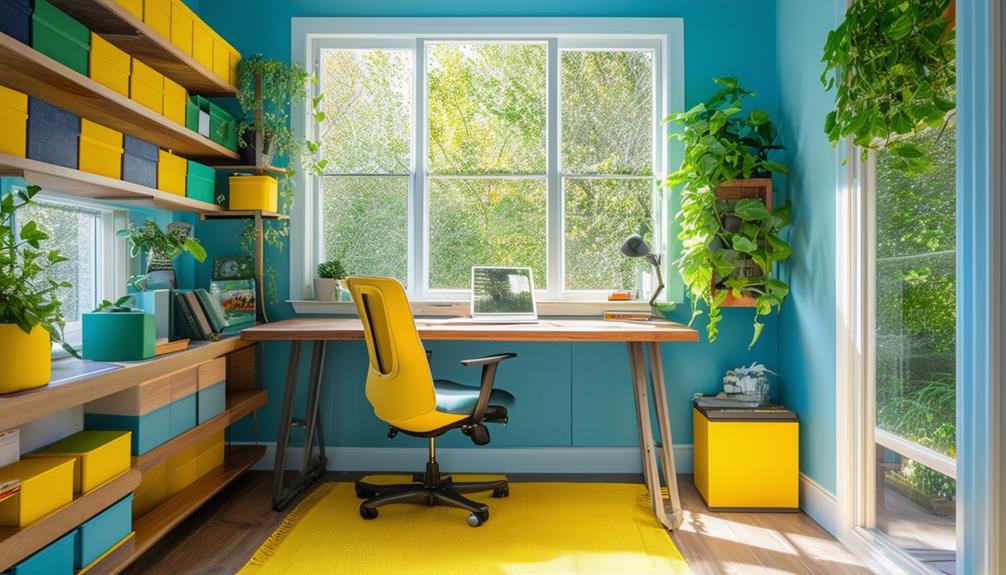
Selecting the right color scheme for your tiny home office can significantly boost your productivity and mood. Aim to create an inspiring space by choosing shades that resonate with you. A cohesive color scheme is essential for promoting a calming atmosphere, which aids concentration.
Avoid chaotic color combinations, as they can overwhelm your senses and impede focus. Instead, opt for warm and cheerful colors to enhance both your productivity and mood. For instance, shades of blue and green are known for their calming effects, while yellows and oranges can inject energy and optimism.
Personalizing your office with colors that reflect your preferences can also optimize creativity and well-being. Consider which colors make you feel most at ease and motivated. Whether it's a soft pastel palette or a bold splash of vibrant hues, the right colors can transform your tiny office into a functional and inspiring space. Remember, optimizing your office setup with the right colors isn't just about aesthetics; it's about creating an environment where you can thrive.
Embracing Sunlight
To optimize your small home office, position your desk near a window to take advantage of natural light, which can enhance mood, productivity, and reduce eye strain. Adding indoor plants can improve air quality and make your workspace more inviting.
Maximizing Natural Light
Positioning your desk in front of a window not only optimizes natural light but also significantly reduces eye strain. In a tiny home office, maximizing natural light can greatly enhance productivity. Natural light uplifts your mood and helps regulate your circadian rhythm, leading to better sleep and alertness. Here's how to make the most of it:
- Desk Placement: Place your desk directly in front of or near a window to maximize exposure to natural light, minimizing the need for artificial lighting and reducing eye strain.
- Sheer Curtains: Use sheer curtains or blinds to control sunlight intensity and glare, allowing you to benefit from natural light without discomfort.
- Light Colors: Paint walls and choose furniture in light colors to reflect more light, making your tiny home office feel larger and brighter.
- Mirrors: Position mirrors to reflect natural light into darker corners, optimizing light and creating the illusion of more space.
Benefits of Indoor Plants
Incorporating indoor plants into your tiny home office not only enhances the aesthetic but also brings a multitude of health benefits. Adding greenery to your workspace significantly improves air quality. Plants like snake plants, pothos, and peace lilies are ideal for indoor environments as they are low-maintenance and excel at removing toxins while increasing oxygen levels.
Research indicates that indoor plants can reduce stress, lift your mood, and boost productivity. Imagine working in a space with fresher air and a naturally calming environment. Aloe vera and spider plants are excellent choices for purifying the air by absorbing harmful pollutants, making your home office a healthier place to spend your time.
The presence of indoor plants can transform your workspace into a more inviting, serene environment. The calming effect of greenery can help you focus better and enhance creativity. Embracing natural elements in your office setup can make your workday more enjoyable. So, don't hesitate to add a few plants to your tiny home office. They're not just decorative; they'll make your workspace more productive and pleasant.
Staying Hydrated
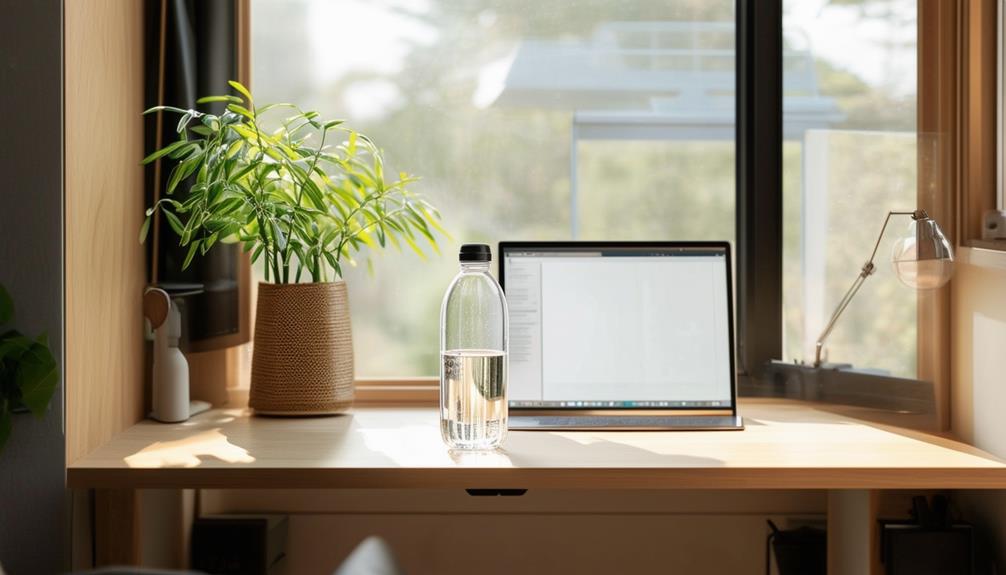
Ensuring you stay hydrated is crucial for maintaining productivity in your small home office. Having a water source nearby helps you stay focused and minimizes distractions from frequent trips to the kitchen. Here are some effective ways to keep hydrated in a compact workspace:
- Reusable Water Bottle: Keep a stylish, reusable water bottle on your desk. It's practical, eco-friendly, and ensures you have water readily available.
- Small Pitcher: Place a small pitcher filled with water within arm's reach. This guarantees a steady supply without cluttering your workspace.
- Water Reminder Apps: Utilize a water reminder app on your phone or computer to prompt regular hydration, ensuring consistent water intake.
- Fruit-Infused Water: Add slices of fruit to your water for a refreshing twist. This can make drinking water more enjoyable and keep you energized.
Staying hydrated is essential for cognitive function and energy levels, directly impacting your productivity. By incorporating these hydration strategies, you'll maintain focus and efficiency throughout your workday.
Creative Storage Solutions
Optimize your tiny home office space with vertical storage solutions like floating shelves and wall-mounted organizers. These options keep your desk clutter-free and utilize often-overlooked wall space. Floating shelves are ideal for holding books, decorative items, or frequently used supplies, while wall-mounted organizers can keep essential documents and tools within easy reach.
Consider multifunctional furniture with built-in storage compartments. Desks with drawers or compartments can store crucial items, keeping them organized and accessible. Storage ottomans or benches with hidden compartments are excellent for stashing office supplies or files, maximizing every inch of space.
Under-desk storage units or drawer organizers are essential for decluttering smaller items like stationery or cables. These solutions ensure that everything has a designated place, making it easier to maintain a tidy and efficient workspace.
Lastly, invest in rolling storage carts or cabinets. These portable storage options can be easily moved around your tiny home office, providing flexibility and convenience. Whether you need extra space for files or supplies, rolling storage carts offer a versatile solution for your evolving needs.
Ergonomic Furniture
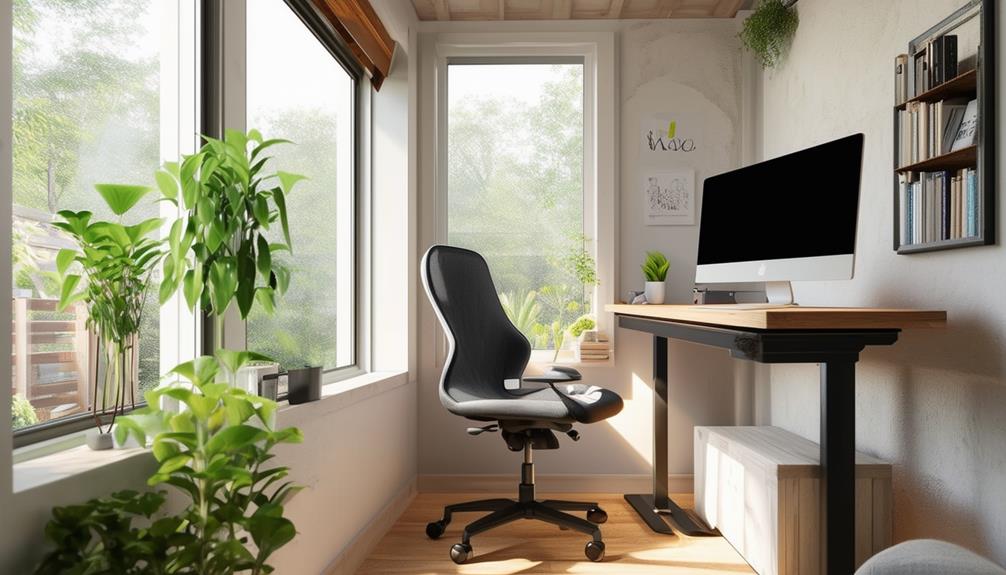
While creative storage solutions keep your workspace organized, ergonomic furniture guarantees comfort and productivity throughout the day. By investing in ergonomic furniture, you support your body's natural posture and reduce strain on muscles and joints, enhancing both your well-being and efficiency.
Key features to look for in ergonomic furniture include:
- Adjustable Height: Ensure your desk and chair allow height adjustments so your feet rest flat on the floor and your eyes are level with your computer screen. This helps maintain good posture and reduces neck strain.
- Lumbar Support: A chair with proper lumbar support reduces the risk of back pain and promotes better work habits by supporting your lower back.
- Padded Armrests: These offer additional comfort for your arms and shoulders, preventing strain during long hours of typing or mouse use.
- Injury Prevention: Ergonomic furniture is designed to prevent injuries such as carpal tunnel syndrome and chronic back pain, enabling you to work comfortably and efficiently for extended periods.
Office Equipment Needs
To set up an efficient small home office, begin with essential tech devices like a reliable laptop or desktop computer and a functional desk. Include ergonomic tools such as a comfortable chair, keyboard, and laptop stand to ensure comfort. Depending on your specific requirements, you might also need a printer, scanner, or external monitor.
Essential Tech Devices
A reliable laptop or desktop computer forms the backbone of any efficient home office. Selecting the right tech devices for a small office can significantly enhance your productivity. Here's a concise list of essential office equipment to set up your space effectively:
- Printer and Scanner: A compact all-in-one printer and scanner can handle your document needs without taking up too much space.
- High-Quality Headset: Clear audio is crucial for virtual meetings. Invest in a good headset to ensure you can communicate effectively.
- Ergonomic Accessories: Items like an ergonomic keyboard, mouse, and monitor stand are necessary to maintain comfort and reduce strain during long work hours.
- Surge Protector or Power Strip: Safely manage multiple devices and protect your equipment from power surges.
Additionally, quality office supplies such as pens, notebooks, and a desk organizer will keep your home office tidy and efficient. By integrating these essential tech devices and office supplies, you'll create a workspace that is both functional and conducive to productivity.
Ergonomic Office Tools
Investing in ergonomic office tools is essential for maintaining comfort and preventing strain during long work hours in a small home office. Start with an adjustable chair that supports your back and promotes good posture, as it can significantly reduce back pain and fatigue. Complement this with an ergonomic keyboard and mouse to minimize wrist strain.
Utilize a standing desk converter or ergonomic laptop stand to alternate between sitting and standing. This variation can enhance posture and overall well-being, reducing discomfort associated with prolonged sitting.
Proper lighting is crucial. Position your monitor to minimize glare and eye strain, ensuring your workspace is well-lit with natural light or supplemented with task lighting as needed. Keep the monitor at eye level to prevent neck strain; this adjustment can greatly enhance comfort.
Don't overlook cable management solutions. Disorganized cords can create a cluttered and hazardous environment. Use cable organizers to keep wires tidy and out of the way.
Organizing Supplies
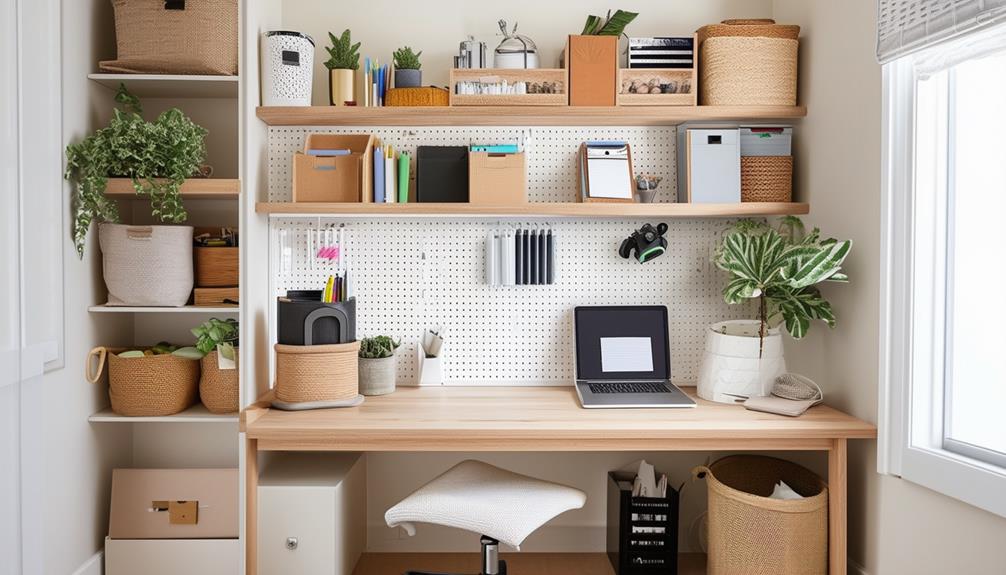
When organizing your small home office, start by using containers, baskets, and drawer organizers to keep supplies neatly arranged and within reach. Effective use of these tools optimizes your storage space and ensures a tidy environment. Implementing a clear desk policy is essential for maintaining a clutter-free workspace, which enhances both focus and productivity.
For efficient organization, follow these steps:
- Drawer Organizers: Use drawer dividers to categorize items such as pens, paper clips, and sticky notes, making it easy to find what you need without searching through clutter.
- Label Containers: Clearly label baskets and containers to designate specific areas for different types of supplies. This streamlines your workflow and reduces time spent looking for items.
- Shelf Organizers: Use shelf organizers to stack items vertically, optimizing your limited space and keeping your desk surface clear.
- Regularly Declutter: Periodically go through your supplies to remove items you no longer need and ensure everything has a designated spot.
Dual-Purpose Areas
Enhance the functionality of your tiny home office by integrating dual-purpose areas that efficiently combine work and personal use. In a compact workspace, optimizing every inch is essential, so creating flexible spaces is vital. For example, a fold-down desk can serve as a work surface during the day and be tucked away when not in use, freeing up space for other activities.
Thoughtful planning ensures that your dual-purpose areas are both practical and visually appealing. Consider hidden storage solutions such as built-in shelves behind doors or under desks. These options keep your workspace organized and maintain a clutter-free environment, which is crucial for productivity.
Maximize utility by selecting furniture that serves multiple functions. A bench with storage underneath can double as seating and a place to store office supplies. Similarly, a bookshelf can act as both a storage unit and a room divider, providing a clear distinction between your work and living areas.