How to Create a Tiny Home Meditation and Relaxation Space
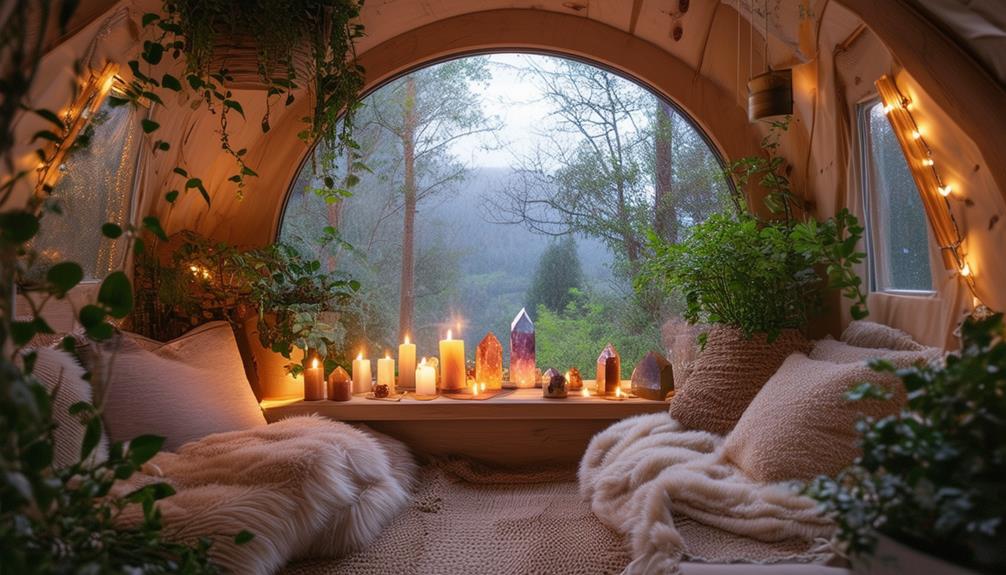
Creating a small home meditation and relaxation space involves more than just finding a cozy corner. Consider elements such as natural light, gentle lighting, and soothing colors to transform a compact area into a serene retreat. Think about how to keep the space organized while adding personal touches that make it uniquely yours. By focusing on minimalism and incorporating natural elements, you can cultivate a tranquil atmosphere. Ready to discover the steps to turn even the tiniest nook into a peaceful sanctuary?
Benefits of a Meditation Corner
Creating a meditation corner at home can significantly reduce stress and promote relaxation. Establishing this dedicated space for mindfulness and self-reflection serves as your personal retreat, providing a serene environment to escape the busyness of daily life and find moments of peace and balance.
A meditation corner can greatly enhance your mental well-being by fostering a consistent self-care routine, which is vital for managing stress and improving overall mental clarity. Regular use of this space can boost your focus and concentration, enabling you to navigate challenges with a calm mind.
Incorporating elements like comfortable seating, calming decor, and essential oils can further amplify the effectiveness of your meditation space. Sitting in a cozy chair surrounded by soothing colors and scents creates an atmosphere that supports relaxation and mindfulness practices. This peaceful setting helps you fully immerse yourself in meditation, allowing you to reap its benefits more effectively. Ultimately, creating a meditation space at home is a simple yet powerful way to nurture inner peace and well-being.
Choosing the Right Space
When selecting a meditation corner in your tiny home, identify a small, inviting nook that feels welcoming. Ensure this area receives natural light to create a peaceful atmosphere and is free from clutter to help you focus. Consider using ambient lighting, soothing colors, and plants to enhance the serenity of your chosen spot.
Ideal Home Corner
Selecting the perfect corner in your home is crucial for establishing a serene and effective meditation space. Opt for a quiet area with ample natural light, as it enhances the ambiance and maintains a positive energy flow. Ensure this space is free from distractions and clutter, allowing you to relax without interruptions.
Good airflow is essential, so choose a spot with proper ventilation to keep the area fresh and calming. Your meditation space should promote mental clarity, so avoid areas associated with work or stress.
A clean, organized, and comfortable spot is key to a successful meditation practice. Keep the area tidy and free of unnecessary items. Consider adding a cushion or a small mat for added comfort. The aim is to create a sanctuary-like environment that helps you focus entirely on your meditation without external distractions.
Space Considerations
Creating a meditation nook in a small home can significantly enhance your practice and overall well-being. Start by selecting a quiet corner or area with natural light, as this can elevate your mood and foster a tranquil atmosphere. Make sure the space is free from distractions and clutter, as a tidy environment encourages relaxation and focus, essential for a successful meditation session.
Choose a small, cozy nook or a designated area with minimal foot traffic. Avoid locations where people frequently walk by, as this can disrupt your serenity. Consider underutilized spaces like alcoves, window seats, or corners, which can be transformed into peaceful retreats.
Ensure the chosen space allows for comfortable seating. Investing in meditation cushions can enhance comfort, enabling longer and more effective meditation sessions. Arrange these cushions to minimize visual distractions, aiding in maintaining focus.
Ambient Lighting Choices
Natural light sources, like windows and skylights, can create a calming ambiance in your meditation space. Position your meditation area near these features to maximize natural light. During the day, sunlight will fill your space with a gentle, uplifting glow, enhancing relaxation and mindfulness.
In the evening, consider using LED light strips or fairy lights for a soft, soothing illumination. These energy-efficient options can be easily adjusted to match your mood. Himalayan salt lamps are another excellent choice; they emit a warm, gentle light that promotes relaxation and can even purify the air.
For more control over your lighting, dimmable lamps or smart lighting systems are ideal. You can adjust the brightness to create an atmosphere that suits your meditation needs. Sometimes, lighting a candle can bring a serene, flickering glow into your space. Flameless LED candles are a safe alternative if you're concerned about open flames.
Additionally, incorporating essential oils with your lighting setup can further enrich your meditation experience. The combination of calming scents and ambient light creates a holistic environment for relaxation and mindfulness.
Essential Elements
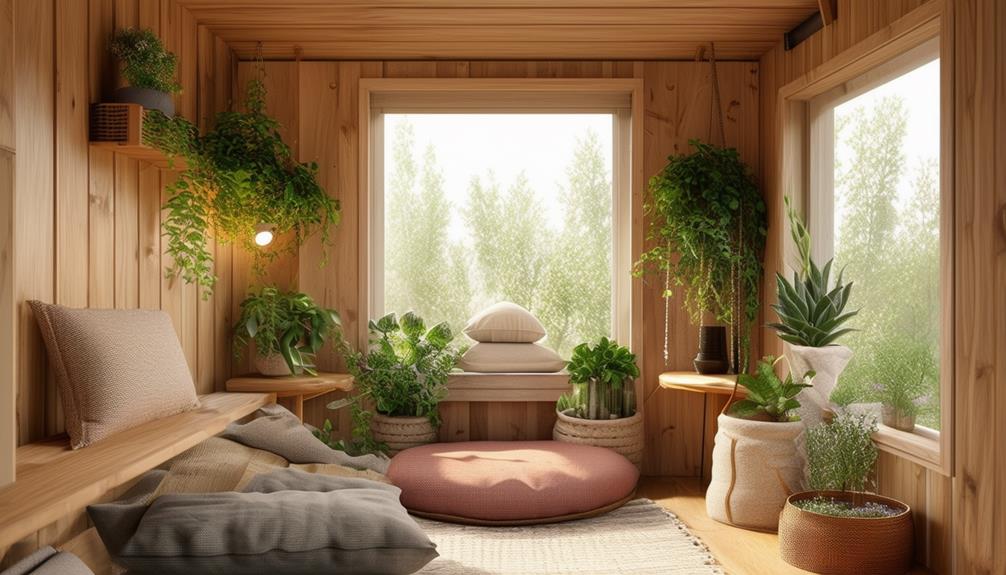
To create a small home meditation area, start with cozy seating and gentle lighting to establish a peaceful ambiance. Whether you choose a meditation chair or a cushion, ensure that your seating is both comfortable and supportive. Gentle lighting, such as string lights or a soft lamp, can help set a calming atmosphere.
Next, consider these essential elements:
- Soothing Decor: Select calming colors and simple decorations. Add items like wall art with uplifting quotes or images that aid relaxation and concentration.
- Natural Elements: Incorporate plants or natural elements to enhance air quality and bring a touch of nature into your space. A small potted plant or a couple of succulents can work wonders.
- Fragrant Additions: Use candles, incense, or essential oils to enrich your meditation experience. Scents like lavender, sandalwood, or eucalyptus are particularly soothing.
- Personal Touches: Include personal keepsakes like travel mementos or cherished photos. These items can make your space feel uniquely yours and evoke pleasant memories and feelings.
Creating a Routine
To establish a routine, begin with a morning meditation ritual to set a positive tone for your day. Utilize spaces in your tiny home, such as a corner or a nook, to create a consistent practice area. Add small rituals, like lighting a candle or playing soothing music, to signal the start of your meditation time.
Morning Meditation Ritual
Starting your day with a morning meditation routine can significantly enhance your focus and mental clarity. Even in a small space, you can create a dedicated corner that serves as your sanctuary for daily practice. Establishing this morning meditation ritual can set a positive tone for the rest of your day.
Here are four steps to help you create and maintain your morning meditation ritual:
- Designate a Space: Find a quiet corner in your home. Even a small area can be transformed into a meditation nook with a comfortable cushion and calming decor.
- Set a Time: Consistency is key. Choose a specific time each morning to visit your meditation space. This commitment helps reinforce your routine.
- Keep it Simple: Start with just five to ten minutes. You don't need a lengthy session to reap the benefits. Focus on your breath and let go of any distractions.
- Integrate Mindfulness: Incorporate elements of mindfulness into your morning routine. Light a candle or use a specific scent that helps you relax and focus.
Transition Space Utilization
Creating a dedicated transition space within your tiny home can help you seamlessly shift mindsets throughout the day. When working from home, it's essential to have a designated area to transition between activities, and your meditation corner can serve this purpose effectively.
Begin your day by visiting your meditation space for moments of quiet and calm. This practice sets a positive tone and mentally prepares you for the workday ahead. Establish a daily routine around your meditation corner, such as lighting a candle, using aromatherapy, playing calming music, or practicing gratitude. These rituals create a sense of structure and predictability, making it easier to switch between different states of mind.
Encourage your children to use the meditation corner for self-soothing and relaxation. Discover various meditation and mindfulness apps tailored for kids to help them incorporate these practices into their daily lives. This approach turns the space into a family-friendly area that supports everyone's mental well-being.
Incorporating Nature
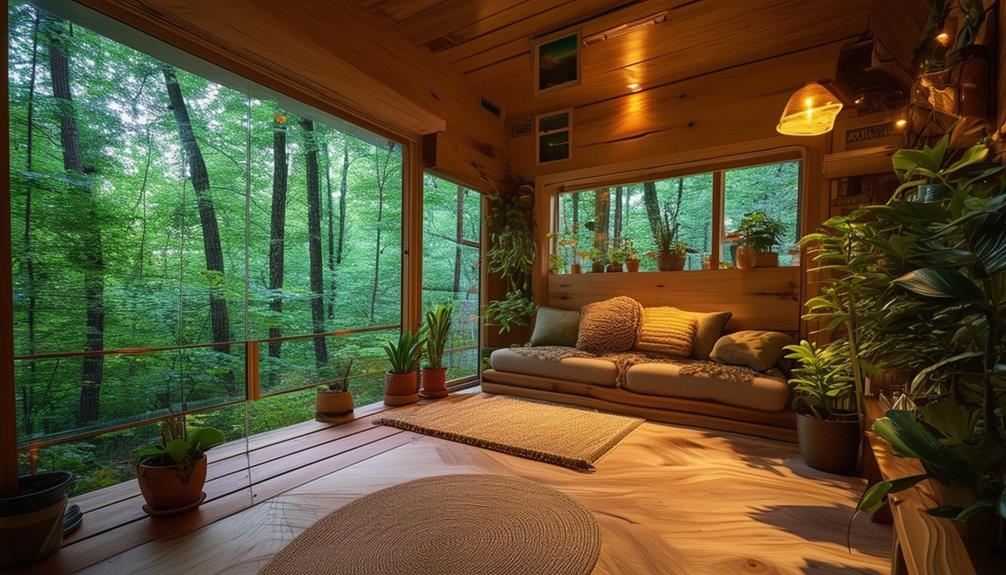
Incorporating elements of nature like plants, essential oils, and crystals into your tiny home meditation space can significantly enhance relaxation and air quality. Specific plants such as spider plants, sansevieria, and parlor palms not only create a calming atmosphere but also help purify the air. These low-maintenance plants thrive in indoor environments, making them ideal for your meditation corner.
Aromatherapy can further enrich your meditation experience. Essential oils like lavender promote relaxation, while citrus oils can boost creativity. Add a few drops to a diffuser or use them in a spray bottle to infuse your space with soothing scents.
Crystals also contribute to a peaceful environment. Selenite, clear quartz, and amethyst are known for their energy-balancing properties. Place these crystals around your meditation area to promote tranquility and balance.
Here's a quick guide to get you started:
- Choose air-purifying plants: Spider plants, sansevieria, and parlor palms.
- Use enriching essential oils: Lavender for relaxation, citrus for creativity.
- Incorporate energy-balancing crystals: Selenite, clear quartz, and amethyst.
- Arrange thoughtfully: Position plants and crystals where they can be easily seen and enjoyed.
Managing Sound and Frequencies
Enhancing your small home meditation area involves managing sound and frequencies to cleanse energy and promote focus. Incorporating sound elements like mantras and Tibetan singing bowls can significantly enhance your meditation experience. These sounds resonate deeply, creating a harmonious environment conducive to relaxation and mindfulness.
Playing specific sound tones before meditating helps clear any energy blocks, allowing you to concentrate better. Tools such as crystal singing bowls or chimes can be highly effective. When you strike or play these instruments, their vibrations fill the room, enhancing the atmosphere and energy of your space.
To discover what works best for you, experiment with different sound tones. What resonates with one person might not work for another, so it's essential to explore the tones that you find most soothing and calming. You might prefer the deep hum of a Tibetan singing bowl or the higher pitch of crystal singing bowls. Incorporating these elements can transform your small home into a tranquil sanctuary.
Optimizing Airflow
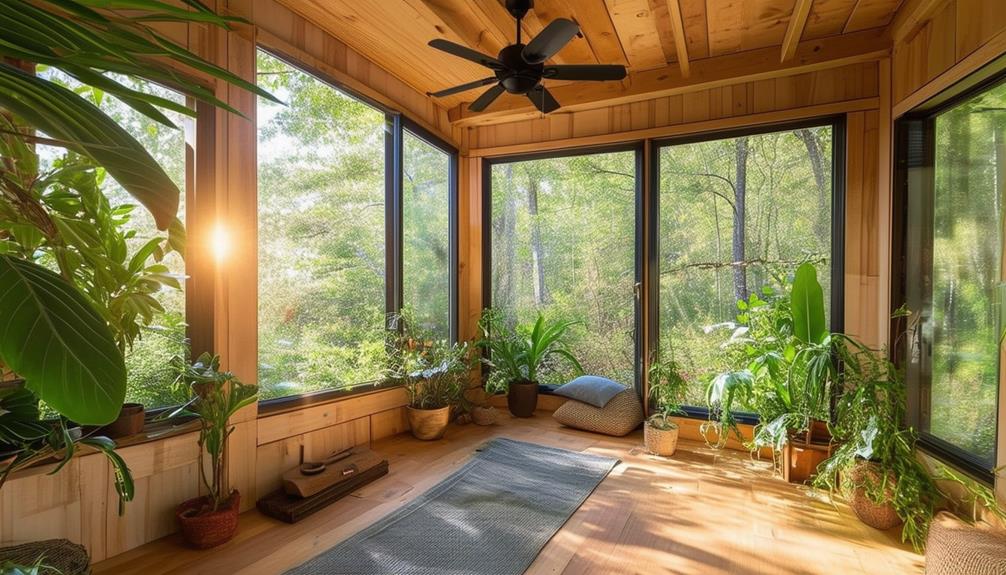
Optimizing airflow in your tiny home meditation space is essential for creating an invigorating and rejuvenating environment. A steady flow of fresh air can significantly enhance the energy of your space, making it more conducive to relaxation and mindfulness. Here are some effective strategies to optimize airflow and improve energy flow in your meditation area:
- Keep Windows Open: Whenever possible, keep your windows open to allow stagnant air to exit and fresh air to circulate. This simple action can significantly enhance the atmosphere.
- Create Cross-Drafts: Position windows or vents on opposite sides of the room to generate cross-drafts. This arrangement promotes better air circulation, making your meditation space feel more open and dynamic.
- Use Fans: If natural airflow is limited, consider using fans to improve air movement. Oscillating fans can help distribute air evenly, ensuring a consistent flow of fresh air.
- Incorporate Plants: Adding indoor plants can enhance air quality and airflow. Plants like spider plants and peace lilies naturally purify the air, contributing to a serene and invigorating environment.
Balancing Technology
Balancing technology in your small home meditation area begins with mindful tech practices. Reducing screen time and establishing tech-free zones can greatly enhance your meditation by minimizing distractions. Embracing a digital detox not only improves focus but also fosters a more serene and grounded experience.
Mindful Tech Practices
In today's tech-driven world, it's crucial to set mindful boundaries to maintain a peaceful meditation space. Practicing mindful technology usage can significantly enhance your meditation experience by minimizing distractions and fostering a calming environment. When used purposefully, technology can be a powerful tool for maintaining focus and aiding relaxation.
Here are four strategies to help you balance technology in your meditation space:
- Limit Blue Light Exposure: Blue light from tech devices can disrupt your sleep cycle and increase alertness, making relaxation difficult. Use blue light filters or avoid screens an hour before meditating.
- Use Meditation Apps Wisely: Apps like Calm and Headspace can guide your meditation practice effectively. Ensure you're using them intentionally rather than as a distraction.
- Set Tech-Free Periods: Designate specific times when your meditation area is completely free of technology. This enhances relaxation and mental clarity, allowing for deeper introspection.
- Create Boundaries: Establish clear limits for tech use within your meditation space. This could mean setting devices to Do Not Disturb mode or placing them outside the room.
Digital Detox Benefits
While integrating mindful tech practices can enhance your meditation experience, embracing a digital detox offers even more profound benefits for your overall well-being. The blue light emitted by tech devices can interfere with melatonin production, disrupting your sleep patterns. By limiting screen time, especially before bedtime, you can promote relaxation and improve sleep quality.
Engaging in tech-free activities like reading, journaling, or meditation can significantly reduce stress and enhance mindfulness. Without the constant influx of notifications and updates, you'll find it easier to concentrate and be present in the moment. This is particularly beneficial in a cozy home meditation space, where the goal is to create a peaceful and distraction-free environment.
Establishing boundaries with technology is crucial for a balanced lifestyle. Designate tech-free zones or times in your living space to ensure you can truly relax. This practice not only helps you recharge but also allows you to meditate anywhere without digital interruptions.
Incorporating a digital detox into your routine fosters a more fulfilling lifestyle. It helps you reconnect with yourself and your surroundings, transforming your cozy home meditation area into a sanctuary for relaxation and revitalization.
Embracing Minimalism
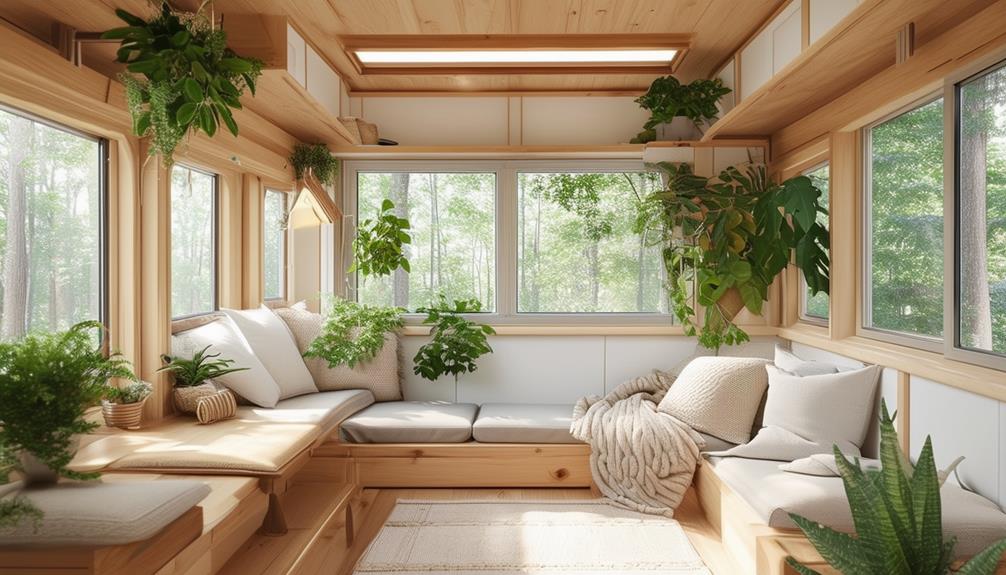
To create a serene meditation space, embrace minimalism by decluttering and removing distractions. Simplifying your environment reduces interruptions, helping you focus and achieve deeper relaxation. A minimalist space not only looks clean but also feels calm, promoting mindfulness and introspection.
Here's how to integrate minimalism into your tiny home meditation space:
- Declutter Regularly: Remove items that don't support your meditation practice to create a cleaner, more open space.
- Choose a Neutral Color Palette: Opt for whites, beiges, and soft grays to help calm your mind and create a serene atmosphere.
- Simplify Decor: Limit decorations to a single plant, a small statue, or a simple piece of artwork to add beauty without distraction.
- Limit Furniture: Use necessary pieces like a comfortable cushion or a low stool to reduce visual clutter and enhance relaxation.
Personalizing Your Space
Creating a personalized small home meditation area involves selecting items that bring joy and enhance your practice. Choose objects with personal significance, such as crystals, plants, or inspirational quotes, to transform your spot into a sacred space that resonates with you.
Incorporate soothing scents to boost relaxation and create a calming atmosphere. Scents like lavender or eucalyptus are particularly effective. Use essential oils, incense, or scented candles to infuse your space with these fragrances, making your meditation more enjoyable and helping you unwind.
Comfort is crucial. Add a meditation cushion or chair that supports your posture and preferences. Whether you sit on the floor or a chair, ensure it provides the necessary support for a comfortable experience.