How to Create a Tiny Home for Year-Round Comfort
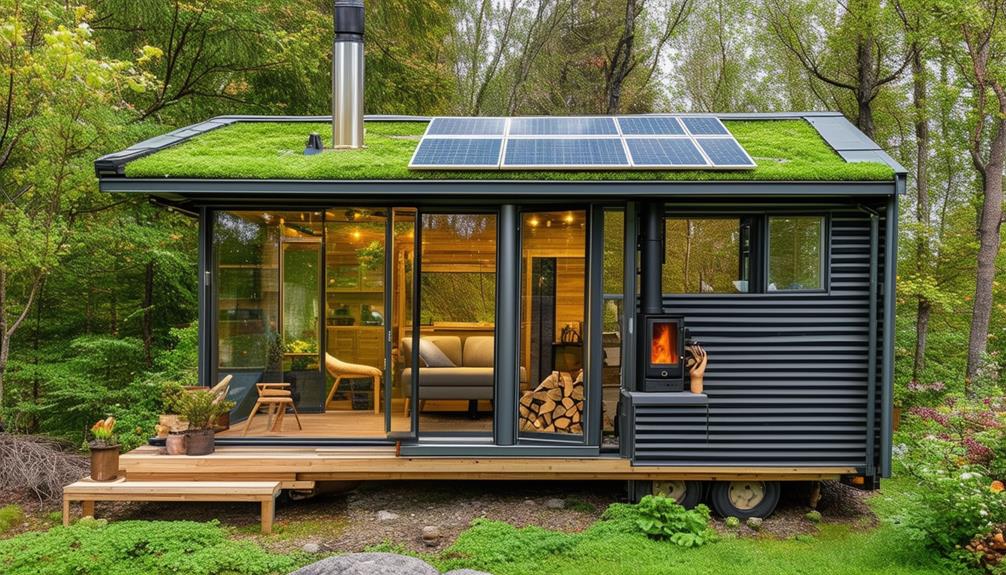
Creating a tiny home that stays comfortable year-round involves several crucial steps. Begin with proper insulation for the walls, floors, and ceilings to maintain a stable indoor temperature, retaining heat in winter and blocking it in summer. Closed-cell spray foam or reflective foil can offer excellent results. Additionally, selecting the most energy-efficient heating and cooling systems for your compact space is vital. Options like mini-split systems or radiant floor heating can significantly enhance comfort and efficiency.
Prioritizing Insulation
When constructing a tiny home, prioritizing insulation is crucial for maintaining a comfortable temperature throughout the year. Insulation significantly reduces heat loss during the winter, ensuring your tiny home remains cozy and energy-efficient. To achieve optimal insulation, focus on the walls, floors, and ceilings. Quality materials like closed-cell spray foam offer excellent thermal efficiency, creating a tight seal that prevents air leaks and maximizes energy efficiency.
For those aiming for NOAH Certified homes, adhering to stringent energy efficiency standards is essential. Using closed-cell spray foam can help meet these requirements by improving the thermal barrier of your tiny home. Another effective option is reflective foil or radiant barrier insulation, which reflects heat away and helps maintain a stable, comfortable indoor temperature.
Choosing Energy-Efficient Systems
Investing in energy-efficient systems is crucial for achieving both comfort and cost savings in your tiny home. One of the most effective options for heating and cooling is the ductless mini split system. These systems are highly efficient, with some models offering SEER ratings above 20 for cooling and HSPF ratings above 10 for heating.
Opting for mini split systems can lead to substantial energy savings compared to traditional HVAC systems. Their high efficiency translates to lower utility bills while maintaining a comfortable environment year-round. These systems are particularly well-suited for tiny homes, as they allow for individual control of different zones, optimizing both comfort and energy efficiency.
Proper sizing and installation of a mini split system are essential. When done correctly, these systems not only provide optimal heating and cooling but also support a more sustainable lifestyle. Although the initial investment in energy-efficient systems may seem high, the long-term benefits in energy savings and comfort make it a worthwhile expenditure.
Maximizing Natural Light
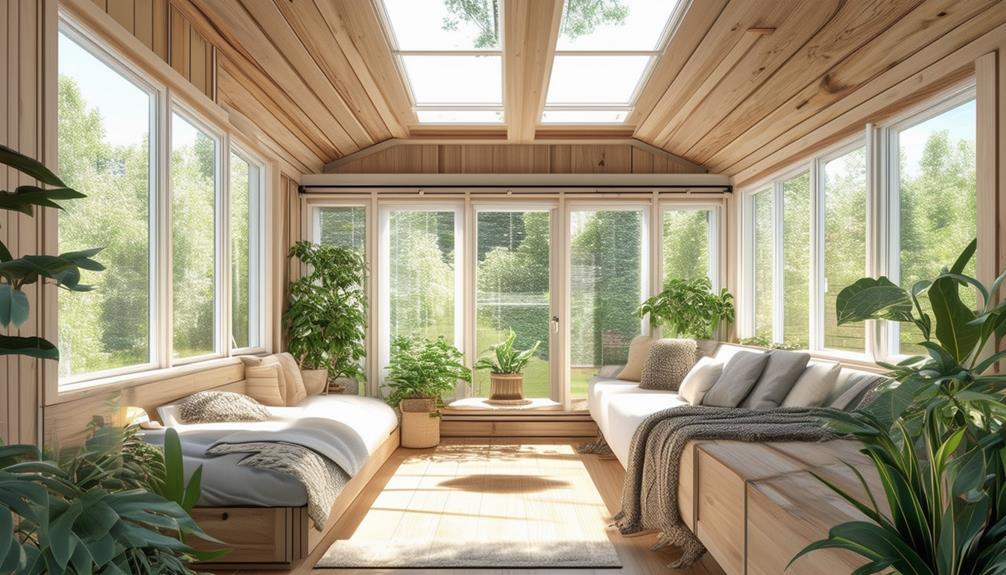
Increasing the amount of natural light in your tiny home can reduce reliance on artificial lighting and create a more inviting atmosphere. By installing large windows and skylights, you can significantly brighten your space, making it feel more open and comfortable.
Position your tiny home to maximize sunlight exposure throughout the day. This strategic orientation will fill your home with natural warmth and light.
Use light-colored interior finishes and reflective surfaces to distribute natural light effectively. Mirrors placed thoughtfully can amplify this effect, making your tiny home appear more spacious and airy.
- Large Windows and Skylights: Increase natural light, minimizing the need for artificial lighting.
- Light-Colored Interior Finishes: Reflective surfaces enhance brightness and create a welcoming environment.
- Sheer Curtains and Mirrors: Ensure privacy while allowing natural light to permeate your space.
Ensuring Proper Ventilation
After enhancing natural light in your small home, ensuring proper ventilation is essential for maintaining a healthy indoor environment. Good ventilation improves air quality and reduces moisture buildup, making your living space comfortable and safe.
Start by installing windows for cross ventilation, which allows fresh air to flow through your home, replacing stagnant air. Complement these with ceiling fans to boost indoor air circulation, ensuring every corner of your small home benefits from the airflow.
Consider adding ventilation systems such as exhaust fans or ductless mini-split systems. Exhaust fans, particularly in the kitchen and bathroom, eliminate excess moisture and odors, while ductless mini-split systems efficiently regulate temperature and air quality. These systems help prevent mold growth, a common issue in compact spaces.
Proper ventilation reduces stuffiness and odors, promoting a healthy indoor environment. By focusing on air quality and minimizing moisture buildup, you can create a comfortable and welcoming home year-round. A well-ventilated small home is crucial for your overall well-being.
Selecting Smart Furniture
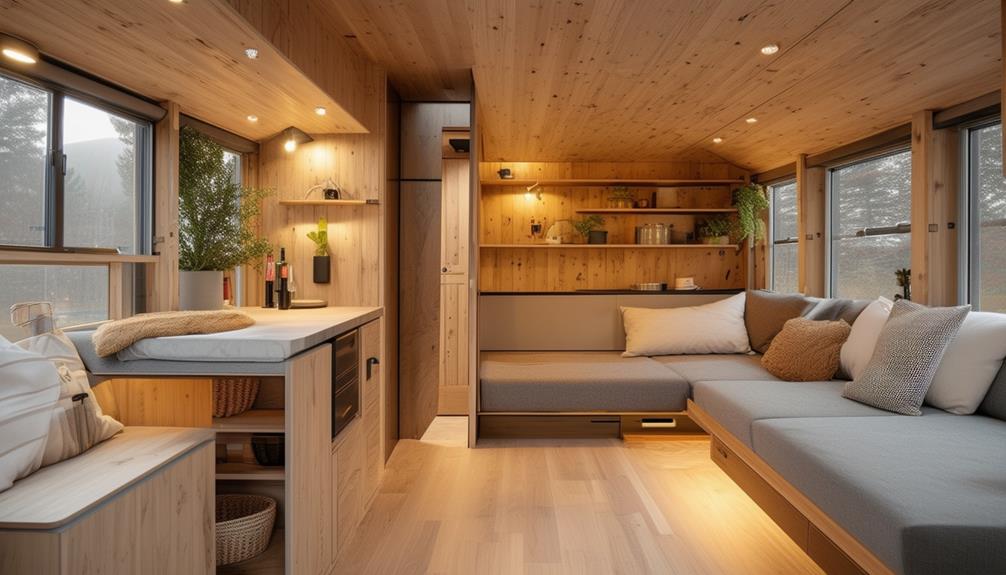
Selecting intelligent furniture is essential for optimizing your small home's limited space. By choosing versatile pieces, you can make the most of every square inch while maintaining a cozy and practical living environment. Here are some key items to consider:
- Sleeper sofas: These provide comfortable seating during the day and convert into a sleeping area at night.
- Foldable tables: Perfect for dining or working, these can be easily stored when not in use, freeing up floor space.
- Ottomans with storage: Great for extra seating, they also offer concealed storage to help keep your home organized.
Integrating furniture with built-in storage compartments can significantly enhance your home's organization. Convertible furniture, such as wall beds or Murphy beds, can be hidden away during the day to create flexible living spaces. These pieces allow you to adjust your home's layout based on your needs, whether you're hosting guests or enjoying a quiet evening.