How to Create a Tiny Home for Sustainable Living
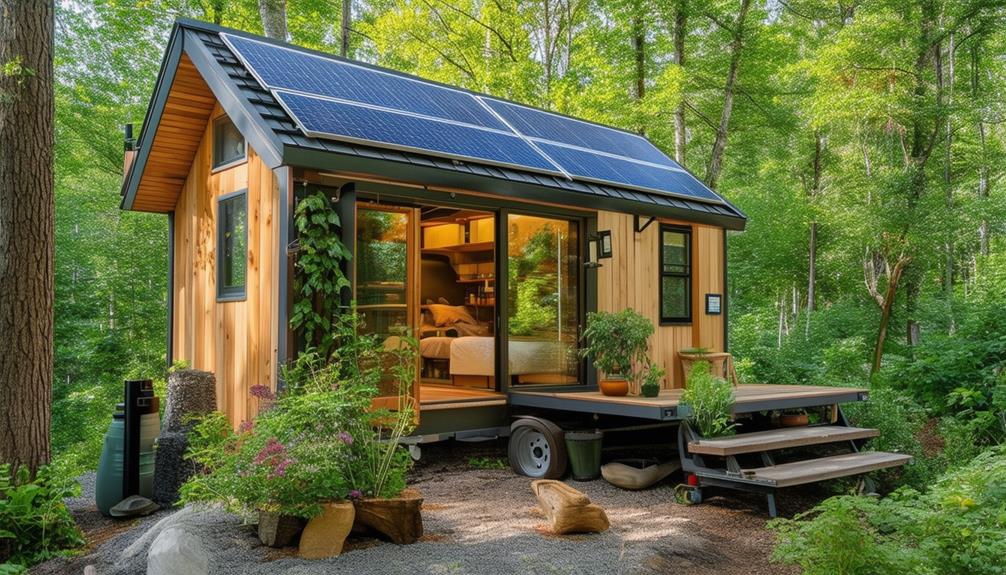
When creating a tiny home for sustainable living, start by selecting eco-friendly materials such as cork, bamboo, and straw for both insulation and construction. These materials not only reduce your environmental footprint but also enhance your home's energy efficiency. To further minimize your impact, integrate renewable energy sources like solar panels and employ water conservation techniques such as rainwater harvesting. Additionally, consider multifunctional furniture and clever storage solutions to maximize limited space, transforming your tiny home into a livable, green haven. These strategies will make your tiny home a model of sustainability.
Choosing Sustainable Materials
When constructing a compact home, opting for sustainable materials like cork, bamboo, and straw can make a significant eco-friendly impact. These materials benefit the environment and are sturdy and cost-effective. Cork, for example, is an excellent insulator, while bamboo grows rapidly and is highly versatile. Straw offers superb insulation and is biodegradable.
In your quest to build an eco-friendly house, reclaimed wood will be your closest ally. It adds character to your compact home while reducing the need for new lumber. Selecting the appropriate materials ensures that your tiny house is stylish and considerate of the planet. Repurposed glass tiles are another excellent choice for adding a touch of sustainability to your home. They are ideal for kitchen backsplashes or bathroom surfaces, offering both beauty and eco-friendliness.
Choosing materials like adobe, rammed earth, or brick can further enhance your compact home's eco-friendly attributes. These materials are natural and have a minimal environmental impact. By thoughtfully selecting these sustainable alternatives, you are making a conscientious decision for both your tiny house and the planet.
Energy Efficiency Strategies
To improve your tiny home's energy efficiency, consider installing solar panels to harness renewable energy and reduce grid dependency. Complement this with effective insulation to maintain a comfortable temperature throughout the year, thereby lowering heating and cooling expenses.
Solar Power Solutions
Harnessing solar power can transform your tiny home into a self-sufficient, eco-friendly haven. By installing a solar system, you tap into renewable energy, making your home more energy-efficient. Solar panels can power everything in your tiny home, from water heaters to refrigerators, decreasing your reliance on the grid. This shift not only reduces your energy bills but also minimizes your environmental footprint.
Solar batteries are a game-changer, storing energy for later use and ensuring a reliable power source even in remote areas. These batteries can keep your home running smoothly during cloudy days or nighttime. Additionally, solar-powered AC units and outdoor lights are excellent energy-efficient options that further enhance your sustainable living experience.
Here's a quick comparison to illustrate the benefits:
| Aspect | Solar Power Solution |
|---|---|
| Power Source | Renewable energy, reduces dependence on the grid |
| Energy Storage | Solar batteries for dependable power |
| Cost Savings | Substantial reductions in energy bills |
| Environmental Impact | Lower carbon footprint, eco-friendly |
| Financial Incentives | Solar energy tax credits available |
Adopting solar power offers significant savings and aligns with sustainable living goals. By integrating solar power solutions, your tiny home becomes a model of energy efficiency and environmental responsibility.
Efficient Insulation Techniques
Effective insulation methods are essential for maximizing energy efficiency in small dwellings. By incorporating multi-layered insulating materials, you can significantly reduce heating and cooling costs. This approach not only enhances comfort but also aligns with sustainable living principles. Optimal thermal efficiency ensures that your small dwelling remains warm in winter and cool in summer, minimizing the need for additional energy consumption.
Integrating intelligent home technologies with your insulation can further boost energy efficiency. For instance, programmable thermostats and energy-saving HVAC systems can work in tandem with good insulation to maintain a comfortable indoor climate with minimal energy use. Additionally, don't overlook passive solar design principles. By strategically positioning windows and using materials that absorb and retain heat, you can improve the overall effectiveness of your insulation.
Innovative insulating methods such as spray foam, rigid foam boards, and reflective barriers are excellent options for small dwellings. These materials not only provide superior thermal efficiency but also contribute to the sustainability of your living space. Prioritizing energy efficiency through appropriate insulation is a crucial step in creating an environmentally friendly, cost-effective small dwelling that promotes sustainable living.
Water Conservation Techniques
To make your tiny home more sustainable, consider installing low-flow water fixtures that can reduce your water usage by up to 30%. Additionally, implementing a greywater recycling system allows you to reuse water for irrigation, potentially saving thousands of gallons annually. These techniques not only help conserve water but also minimize your environmental impact.
Greywater Recycling Systems
Greywater recycling systems allow you to reuse water from sinks, showers, and laundry for irrigation and toilet flushing, significantly reducing water usage. In a small, sustainable home, these systems can cut your water consumption by up to 50%, making a substantial impact on conserving this precious resource. By treating and filtering greywater to remove impurities, you can safely repurpose it for non-potable uses such as watering your garden or flushing toilets.
Installing a greywater system in your small home promotes sustainability and reduces your environmental footprint. Reusing greywater alleviates the burden on municipal water treatment facilities and natural water sources, contributing to a more eco-friendly lifestyle. Additionally, the reduced water usage translates to lower utility bills, making it a cost-effective solution in the long term.
Embracing greywater recycling systems in your small home ensures you maximize your water use efficiently. It's a practical approach to support sustainable living, helping you conserve water while maintaining high standards of comfort and functionality.
Low-Flow Water Fixtures
Low-flow water fixtures complement the water-saving benefits of greywater recycling by offering another effective way to conserve water in your tiny home. By installing low-flow faucets and showerheads, you can reduce water usage by up to 60% compared to traditional fixtures, potentially saving up to 2,700 gallons of water annually for a typical household. In the context of a tiny home, these savings are even more impactful, enhancing the efficiency and sustainability of your living space.
Low-flow toilets provide additional water conservation benefits, using only 1.6 gallons per flush compared to older models that use 3.5 gallons or more. This significant reduction in water usage supports sustainable living and helps conserve one of our most precious resources.
Aerators in low-flow fixtures mix air with water, maintaining strong water pressure while reducing overall consumption. This ensures you don't have to compromise on comfort or functionality to achieve your sustainability goals.
Upgrading to low-flow water fixtures not only conserves water but also lowers your utility bills, making it a financially smart decision. Embracing these fixtures in your tiny home is a step toward a more sustainable and eco-friendly lifestyle.
Eco-Friendly Building Practices
Adopting eco-friendly building practices is essential for creating a sustainable tiny home. Using reclaimed building materials, for instance, significantly reduces waste while adding unique character to your home. Reclaimed wood can be utilized for flooring, walls, and furniture, imbuing your tiny home with rustic charm and environmental responsibility.
Incorporating solar energy through the installation of solar panels is another crucial step. This not only allows you to generate clean energy, thereby reducing your carbon footprint and utility bills, but also serves as a long-term cost-saving investment.
Moreover, consider using sustainable materials like cork, bamboo, and straw in your construction. These materials are renewable, durable, and have minimal environmental impact. Opting for energy-efficient appliances and LED lighting can further enhance your tiny home's eco-friendliness by reducing energy consumption.
Implementing green practices such as water conservation, waste reduction, and smart home technology also plays a vital role in achieving sustainability. By embracing these eco-friendly building practices, you'll create a tiny home that's both sustainable and efficient.
Insulation and Ventilation
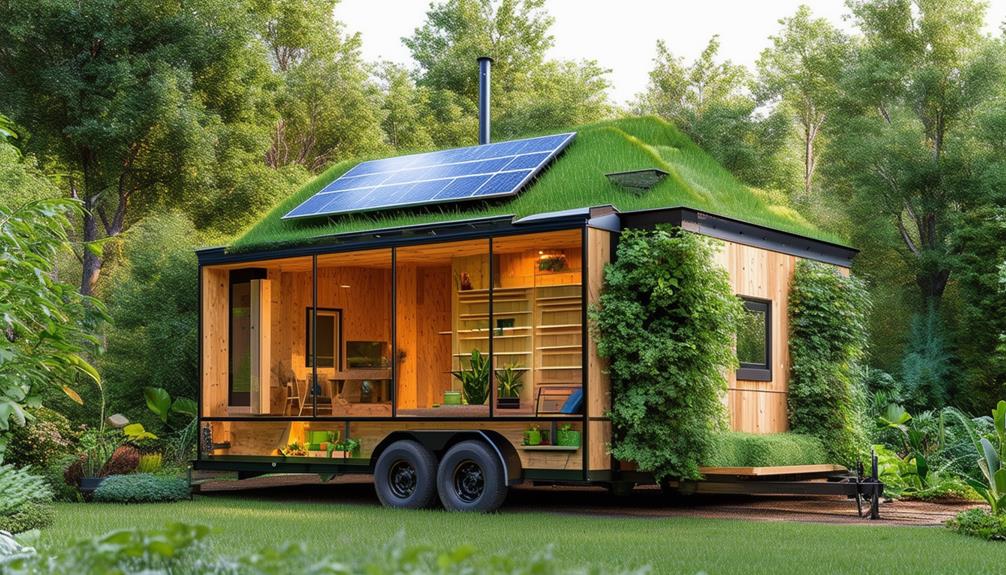
When constructing your tiny home, prioritize using efficient insulation materials like denim cotton or natural wool batt to ensure energy efficiency. Proper ventilation techniques, such as natural airflow through strategically placed windows, will help maintain a healthy indoor environment. Combining these methods reduces energy costs and promotes a comfortable, sustainable living space.
Effective Insulation Materials
Choosing the right insulation materials like cork, bamboo, and straw can significantly reduce your tiny home's energy consumption. These sustainable materials not only offer exceptional thermal efficiency but also contribute to an eco-friendly lifestyle. Proper insulation helps maintain a comfortable temperature inside your tiny home, reducing the need for excessive heating or cooling.
Here's a quick comparison of some effective insulation materials:
| Material | Benefits |
|---|---|
| Cork | High thermal efficiency, renewable resource |
| Bamboo | Fast-growing, sustainable, good insulator |
| Straw | Affordable, biodegradable, excellent insulator |
| Denim Cotton | Recycled, non-toxic, effective thermal barrier |
| Natural Wool | Sustainable, excellent thermal and acoustic insulator |
Additionally, using materials like rammed earth, brick, and recycled glass tile can enhance insulation and help reduce your carbon footprint. Each of these options provides both thermal efficiency and sustainability, making them suitable choices for environmentally conscious homeowners.
Proper Ventilation Techniques
Maintaining a healthy and comfortable living environment in your tiny home requires proper airflow methods. Balancing insulation and ventilation is essential to regulate temperature and prevent moisture buildup. Good insulation keeps your home warm in winter and cool in summer, but it also makes your tiny home more airtight. This is where proper airflow becomes crucial.
Start by leveraging natural airflow through strategically placed windows and vents. Open windows on opposite sides of your home to create cross-ventilation, allowing fresh air to circulate. This not only improves air quality but also reduces the need for mechanical ventilation systems.
For a more advanced solution, consider installing a heat recovery ventilation (HRV) system. An HRV system exchanges stale indoor air with fresh outdoor air while conserving heat, making it an energy-efficient choice. This system is particularly useful in a tiny home where space and energy efficiency are paramount.
Combining effective insulation with strategic ventilation ensures your tiny home remains comfortable and healthy. Proper airflow prevents condensation and mold, while a heat recovery system maintains fresh air and conserves energy. By focusing on these techniques, you'll create an ideal living environment in your tiny home.
Energy Efficiency Benefits
Enhancing your tiny home's energy efficiency and comfort can be achieved through effective insulation and ventilation. Proper insulation can reduce heating and cooling costs by up to 50%. Eco-friendly materials like recycled denim and natural wool batt are highly efficient, keeping your home warm in winter and cool in summer, thereby ensuring year-round comfort.
Equally important is an efficient ventilation system. It maintains indoor air quality and regulates temperature without excessive energy use. A well-designed ventilation system also prevents moisture buildup and mold growth, common issues in tiny homes due to their limited space. Proper airflow enhances overall comfort and health.
Combining energy-efficient insulation with proper ventilation fosters a sustainable living environment. This approach reduces your carbon footprint and lowers utility bills while improving air quality and temperature regulation. Consequently, your tiny home becomes a more pleasant place to live. Investing in these systems not only benefits the environment but also significantly enhances your daily living experience. Focus on these key areas to make your tiny home eco-friendly and comfortable.
Using Renewable Energy
Harnessing renewable energy, especially through solar panels, can transform your tiny home into a sustainable and self-sufficient haven. By installing solar panels, you can power your entire home, including appliances, lighting, and heating, using renewable energy sources. This reduces your dependence on the grid while offering long-term energy savings. Investing in a solar power system, which typically costs between $20,000 to $25,000, is a sustainable solution that pays off over time.
Solar batteries are essential for storing excess energy for later use, ensuring your tiny home remains powered even when the sun isn't shining. This setup provides a reliable and consistent energy supply, making your tiny home truly self-sufficient. Net metering is another excellent feature, allowing you to sell any surplus solar energy back to the grid. This not only promotes renewable energy but also offers financial benefits, effectively reducing your overall energy costs.
Choosing renewable energy sources like solar power is a practical and worthwhile option for anyone looking to create an eco-friendly tiny home. It ensures you live sustainably while enjoying the freedom and independence that comes with generating your own energy.
Space Optimization Tips
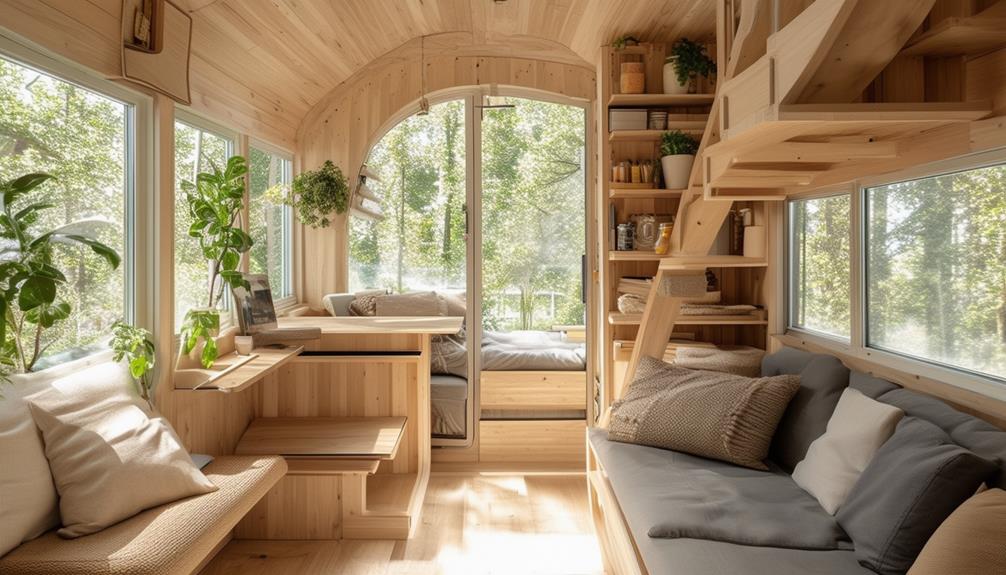
Maximizing every inch of your tiny home is essential for comfortable and efficient living. Start with multifunctional furniture like foldable tables and convertible sofas, which serve dual purposes and free up valuable floor space. Vertical storage solutions, such as shelves, wall-mounted cabinets, and hanging organizers, help keep your belongings organized without encroaching on your limited floor area.
Incorporate clever storage hacks like under-stair storage, built-in cabinets, and hidden compartments. These innovations seamlessly integrate with your home's structure, optimizing the available space. Opt for sliding doors or pocket doors instead of traditional swinging doors to save space and improve the flow of your home.
Use light colors, mirrors, and strategic natural light to create an illusion of space and make your tiny home feel more open and airy. This approach not only enhances the aesthetic but also reduces energy use by increasing reliance on daylight. Every design choice should focus on optimizing space while maintaining sustainability. Thoughtfully planning your layout and selecting the right materials can help you create a tiny home that is both functional and environmentally friendly.
Lighting and Appliances
When equipping your small home, prioritize LED lighting and energy-saving appliances to significantly reduce energy consumption and costs. LED lighting can save up to 90% on energy costs compared to traditional bulbs. These lights last longer and are more environmentally friendly, substantially reducing your carbon footprint.
Choosing energy-saving appliances is equally important. Opt for Energy Star-rated refrigerators, which can cut electricity consumption by 10-50%. Similarly, low-energy appliances like washing machines and microwaves can help minimize environmental impact and lower utility bills. Always look for appliances with high energy efficiency ratings to maximize these benefits.
Smart lighting systems are another excellent addition to your home. These systems allow remote control of your lights, enhancing energy efficiency by ensuring lights are only on when needed. This feature can significantly reduce unnecessary energy consumption.
Incorporating these strategies not only saves money but also promotes a more sustainable lifestyle. By investing in LED lighting and energy-saving appliances, you make a conscious effort to reduce energy costs and be more environmentally friendly.
Waste Management Solutions
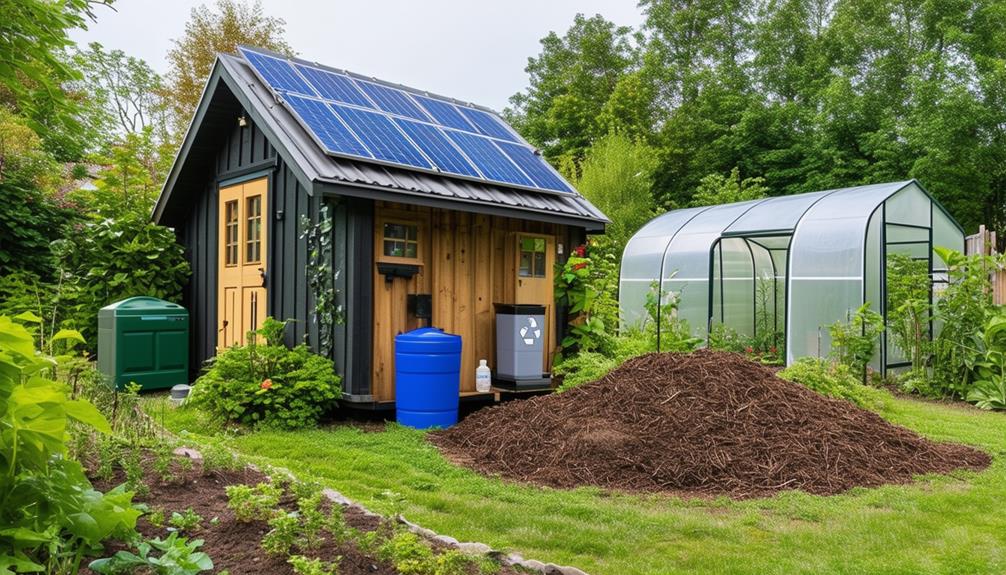
After optimizing your energy consumption with efficient lighting and appliances, it's time to address waste management solutions to further enhance the sustainability of your tiny home. Efficient waste management not only reduces your environmental footprint but also increases your self-sufficiency. Consider the following strategies:
- Composting Toilet System: This option reduces water waste and produces nutrient-rich compost for your plants.
- Greywater System: Recycle water from sinks and showers for irrigation, minimizing water consumption and promoting sustainability.
- Recycling and Upcycling: Transform old items into new, useful products to reduce waste production and support a circular economy.
Incorporating sustainable materials in construction is also crucial. Opt for biodegradable and eco-friendly materials to ensure your tiny home aligns with green principles. Additionally, educate yourself on safe waste disposal methods to ensure proper handling and recycling of materials. These steps will help you create a more sustainable and eco-friendly living environment.
Community and Benefits
Joining a tiny home community fosters a sense of belonging and offers numerous economic and environmental benefits. Living in a tiny home means you prioritize sustainable living, with significantly reduced utility bills due to lower energy consumption. These homes are designed to be energy-efficient, often incorporating eco-friendly features like solar panels and rainwater harvesting systems.
The benefits extend beyond financial savings. Sustainable practices in tiny homes lead to minimal environmental impact, allowing you to contribute positively to the planet. With healthier indoor air quality from non-toxic building materials, you also enjoy a healthier living environment. Tiny homes promote self-sufficiency, reducing reliance on the grid and encouraging a more independent lifestyle.
Government incentives and tax credits for eco-friendly features can make tiny homes even more affordable. These incentives often cover renewable energy installations and energy-efficient appliances, further lowering energy consumption. Being part of a tiny home community means you are surrounded by like-minded individuals dedicated to sustainable living, creating a supportive network that shares resources and knowledge, enhancing your overall quality of life.