How to Create a Tiny Home for Seasonal Living
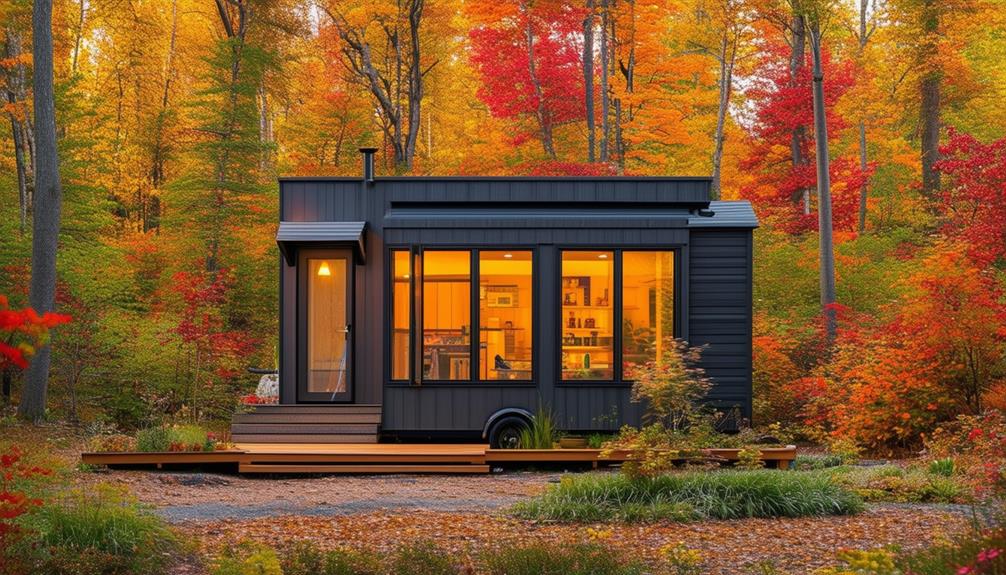
When planning your tiny home for seasonal living, it's crucial to maximize space while incorporating all necessary amenities. Focus on using versatile furniture and built-in storage to optimize the limited area. Sustainable materials like repurposed wood and upcycled metal can enhance both aesthetics and eco-friendliness. Additionally, consider adequate insulation and efficient heating/cooling systems to keep your home comfortable throughout the year. Have you thought about the challenges of off-grid living or how to seamlessly integrate solar panels? Let's explore those aspects next.
Planning and Preparation
When planning your tiny home for seasonal living, start by considering the local weather patterns and temperature fluctuations. Building a tiny house that can withstand changing conditions means you'll need to focus on selecting materials that offer durability and insulation. High-quality insulation is vital to keep your home warm in winter and cool in summer. Materials like spray foam or rigid foam insulation are excellent choices.
Next, research zoning laws in your desired location. These regulations dictate everything from the size of your tiny house to where you can place it. Some areas have specific rules for seasonal occupancy, so it's crucial to understand these restrictions before you begin construction.
When designing the interior, think about adaptable furniture and storage solutions. Multi-functional furniture can help you adapt to changing seasonal needs, maximizing your limited space. For example, a fold-out desk can serve as both a workspace and a dining area.
Don't forget to plan for outdoor spaces like a deck or patio. These areas provide additional living space and can be enjoyed in different weather conditions. By preparing thoroughly, you'll ensure your tiny home is comfortable and functional year-round.
Infrastructure and Utilities
Ensuring your tiny home has reliable infrastructure and utilities is crucial for comfortable seasonal living. Start by selecting building materials that can endure seasonal weather variations. Treated wood, composite siding, and metal roofing offer durability and insulation, essential for maintaining comfort and efficiency.
Solar panels are an excellent option for alternative power, especially for off-grid living. They provide year-round electricity, reducing reliance on traditional power sources. Pair them with a dependable battery storage system to ensure power availability even on cloudy days.
Proper insulation and ventilation are non-negotiable. Good insulation keeps your home warm in winter and cool in summer. Adequate ventilation prevents moisture buildup and maintains air quality. Weatherproofing with sealants and weatherstripping protects against seasonal elements.
For water supply, consider water storage solutions like rainwater tanks and design your plumbing to withstand freezing temperatures. Winterization techniques, such as insulating pipes, are essential to avoid damage during colder months. Lastly, research local regulations and permits regarding seasonal occupancy and utilities to ensure compliance and safety, helping you avoid legal issues.
Security and Safety
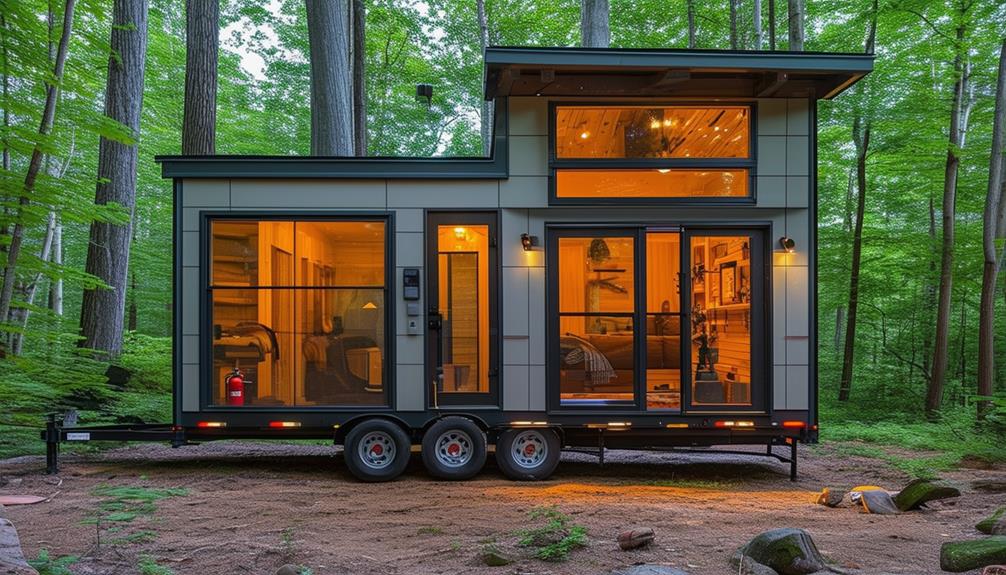
To keep your seasonal tiny home safe and secure, implement practical measures like motion-sensitive lights, alarm systems, and video surveillance. These security measures are effective in deterring intruders and providing peace of mind. Install durable locks on doors and windows, and reinforce entry points to make unauthorized access difficult.
In addition to security, prioritize safety within your tiny house. Equip it with fire extinguishers, smoke alarms, and carbon monoxide detectors to manage emergencies effectively. Regularly inspect and maintain these safety devices to ensure they function properly.
Creating a safety plan is crucial. Include evacuation routes, emergency contacts, and a well-stocked first-aid kit. Familiarize yourself with this plan and practice it periodically.
Here's a quick reference to visualize these concepts:
| Item | Purpose | Maintenance |
|---|---|---|
| Motion-sensitive lights | Deter intruders | Replace bulbs as needed |
| Fire extinguisher | Fire safety | Inspect regularly |
| Smoke alarms | Fire detection | Test and replace batteries |
| Carbon monoxide detectors | Detect CO levels | Test and replace batteries |
| Emergency contacts | Safety plan | Update contact information |
Storage and Outdoor Spaces
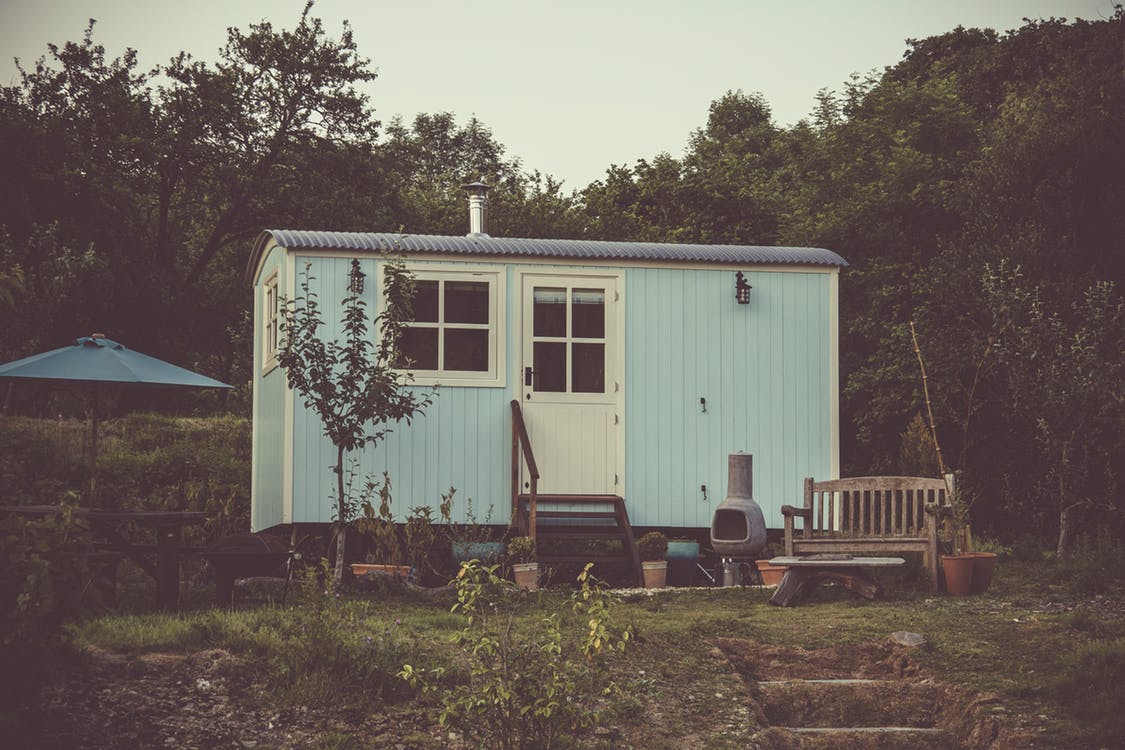
When planning your tiny home for seasonal living, prioritize efficient storage solutions and versatile outdoor spaces. Design areas such as a fire pit, grilling spot, and garden to enjoy relaxation and entertainment throughout the year. Consider using an enclosed trailer for bulk storage, providing easy access to seasonal items.
Efficient Storage Solutions
Maximize your tiny home's space with built-in storage solutions like hidden cabinets and under-bed storage. Efficient storage is crucial in a tiny house, especially for seasonal living. Multi-functional furniture with hidden compartments can store off-season items, enhancing both practicality and organization.
Vertical storage options are another effective way to keep your tiny house tidy. Shelves, hanging racks, and pegboards allow you to store and access seasonal items without taking up valuable floor space. Customize these vertical areas to fit your specific needs, whether for winter coats, holiday decorations, or summer gear.
Don't overlook outdoor storage benefits. Sheds, deck boxes, and storage benches can house seasonal equipment, outdoor furniture, and decorations, freeing up indoor space. This ensures your tiny home remains uncluttered and ready for any season.
Portable storage solutions like collapsible bins, rolling carts, and hanging organizers are also practical. These can be easily moved and stored away when not in use, keeping your space flexible and adaptable.
Outdoor Living Design
After mastering indoor storage, it's time to focus on creating functional and inviting outdoor living spaces for your tiny home. To enhance your seasonal living experience, consider integrating features like fire pits, grills, and gardens. These elements not only enrich your outdoor experience but also offer opportunities for leisure activities such as cooking, relaxing, and gardening.
Balancing indoor and outdoor spaces is crucial for a tiny house. Start by designing an outdoor area that complements your indoor living space. Create cozy seating arrangements around a fire pit for chilly evenings or set up a grill station for summer barbecues. Incorporating a small garden can also be delightful, allowing you to grow your own vegetables and herbs.
When planning outdoor storage, prioritize protection, mobility, and versatility. Enclosed trailers are excellent for bulk storage, providing mobility and easy access to seasonal items. This allows you to store garden tools, outdoor furniture, and other equipment efficiently.
Versatile Storage Options
To maximize the limited space in your small home, consider versatile storage options that adapt to both indoor and outdoor needs. For bulk storage, enclosed trailers provide mobility and versatility, making them ideal for a seasonal setup.
Inside your home, focus on protection and organization with built-in cabinets, under-bed storage, and hanging racks. Designate specific areas for seasonal items like holiday decorations, winter gear, and summer sports equipment to ensure everything is easily accessible when needed.
For outdoor living areas, use dedicated storage compartments to house outdoor furniture, tools, and seasonal equipment, keeping your indoor space clutter-free. Foldable furniture and multi-functional fixtures can enhance efficiency in these areas.
Don't overlook hidden compartments for smaller items. Embrace the challenge of limited space by exploring innovative storage solutions that blend seamlessly with your home's design. With thoughtful planning and smart storage solutions, your small home can stay organized and functional year-round.
Environmental Impact and Location
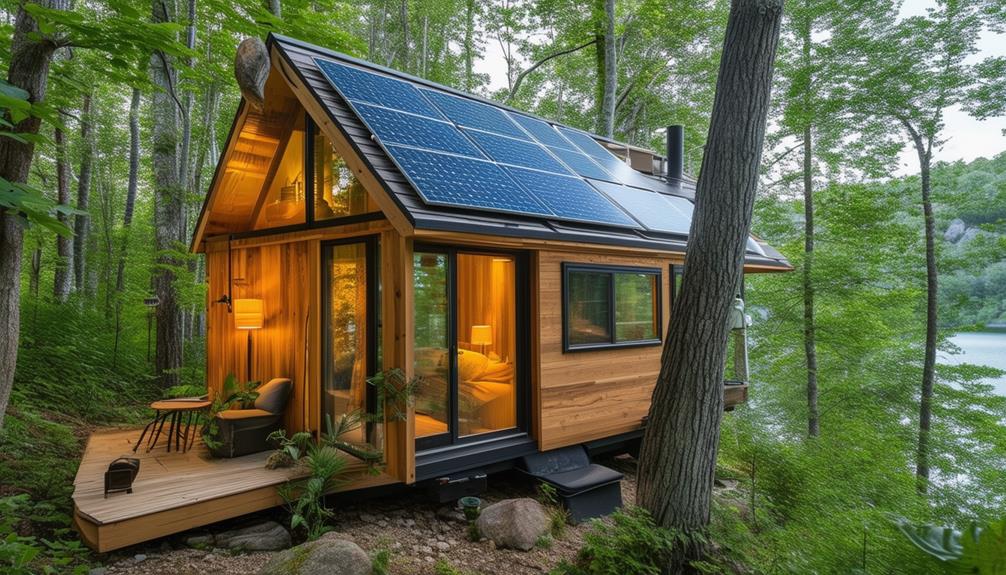
Why not consider positioning your tiny home to maximize solar exposure, enhancing energy efficiency for your seasonal living? By aligning your home to capture the most sunlight, you can significantly reduce reliance on artificial heating and lighting, thereby cutting down on energy costs and your carbon footprint.
Choosing eco-friendly building materials is essential. Opt for sustainable options like reclaimed wood, recycled metal, and low-VOC paints. These materials not only minimize environmental impact but also promote a healthier indoor environment. Additionally, prioritizing water conservation is crucial. Implement rainwater harvesting systems and low-flow fixtures to address seasonal water availability. This approach conserves water and reduces runoff and erosion around your home.
Location is another important factor. Evaluate the proximity to essential services like groceries and healthcare for convenience. Don't forget to research local zoning regulations, as some areas may have specific rules regarding tiny homes. Ensuring compliance is crucial to avoid legal issues.
Building a Tiny Home
After selecting the ideal location and eco-friendly materials, focus on designing a tiny home that caters to your seasonal living needs. Begin by planning a compact layout that includes essential amenities such as a kitchen, bathroom, and sleeping area. Maximizing space is crucial, so consider multifunctional furniture and built-in storage solutions to accommodate your seasonal belongings.
Opt for sustainable materials to reduce environmental impact. Reclaimed wood and recycled metal are both stylish and eco-friendly options that can also help save costs while adding character to your tiny home. Ensure your home is well-insulated and equipped with efficient heating and cooling systems to maintain comfort throughout the year.
Incorporate energy-efficient appliances to further minimize your carbon footprint. Solar panels and rainwater harvesting systems are excellent additions for sustainable living. To enhance your seasonal living experience, consider adding features like a deck or porch for outdoor enjoyment. This not only extends your living space but also allows you to fully appreciate the pleasant weather.
Professional Involvement
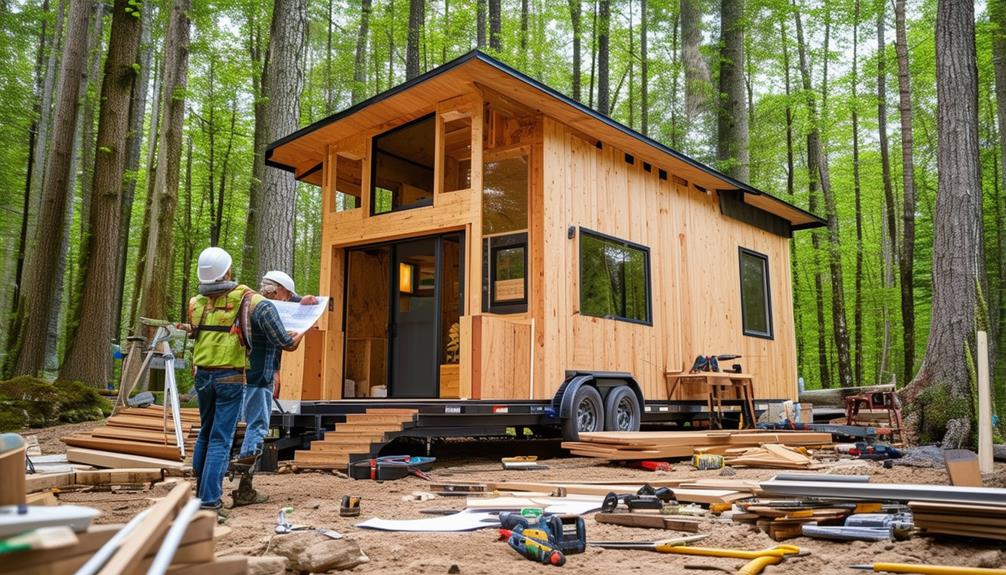
Hiring skilled tradespeople, such as electricians and plumbers, is essential to ensure your tiny home meets building codes and is fully functional. Contractors are crucial in managing the complexities of constructing a small space. Their expertise helps prevent costly errors and ensures your tiny home is safe and efficient for year-round living.
Hiring Skilled Tradespeople
Hiring skilled tradespeople is crucial for ensuring your seasonal tiny home is safe, functional, and compliant with building codes. Experts like electricians and plumbers bring the knowledge needed to correctly install essential systems such as electrical wiring and plumbing, which are vital for comfortable seasonal living. Professionals can navigate the complexities of limited space and ensure all work meets regulatory standards.
Additionally, tradespeople specialize in areas like HVAC installation, which is essential for maintaining a comfortable environment year-round. Their expertise allows for the customization of the interior layout to maximize space efficiency and functionality, ensuring your tiny home is not only livable but also enjoyable throughout the seasons.
Collaborating with skilled tradespeople also helps address any structural or technical challenges that may arise during construction. Their experience enables them to anticipate potential issues and implement solutions that might be overlooked by less experienced individuals. Ultimately, hiring professionals ensures your tiny home is built to last, providing a safe and comfortable living space for your seasonal needs. Investing in skilled tradespeople is a wise decision that saves you time, money, and stress.
Essential Contractor Roles
Contractors are essential in managing the multifaceted process of building a tiny home for seasonal living, ensuring all elements integrate smoothly. They oversee the project from inception to completion, ensuring adherence to building standards and timelines. Their expertise is critical in managing the complexities of tiny house construction, where space efficiency is paramount.
Key roles of contractors include:
- Project Management: Contractors coordinate the efforts of various tradespeople—plumbers, electricians, and carpenters—ensuring their work is synchronized to prevent delays.
- Material Sourcing: They assist in selecting and acquiring high-quality materials that align with your budget and design, ensuring durability and safety.
- Quality Control: Contractors ensure that all installations, from cabinetry to electrical wiring, comply with safety standards and are executed with precision.
Hiring a contractor mitigates risks related to improper installations, such as electrical fires or plumbing issues, ensuring your tiny home is safe and compliant with regulations. While designers plan the space, contractors and skilled tradespeople bring those plans to life, making your seasonal living dream a reality. They are the crucial link that holds the building process together.
Tiny Home Ideas
Maximizing space in a seasonal tiny home involves creative solutions such as fold-down furniture, convertible spaces, and multi-functional design elements. Consider a fold-down bed that doubles as a desk or a dining table that transforms into extra seating. These smart choices make your tiny house ideal for seasonal living, allowing you to utilize every square foot efficiently.
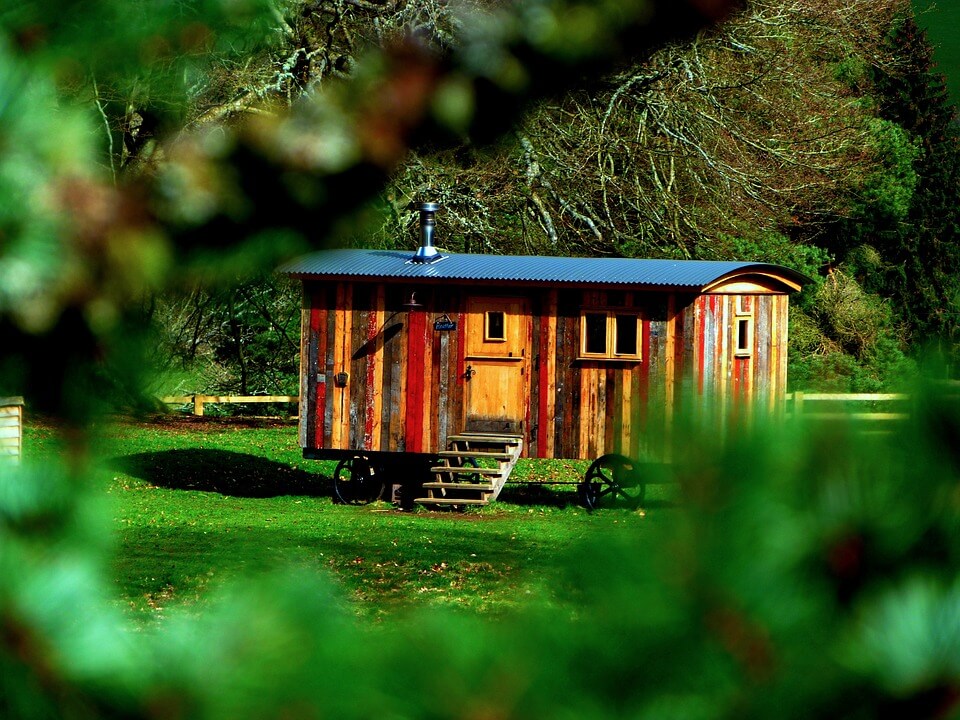
Incorporate lightweight and durable materials like reclaimed wood, metal siding, and vinyl flooring. These materials withstand seasonal weather changes and add a unique touch to your interior design. For instance, reclaimed wood offers a warm, rustic look, while metal siding provides a sleek, modern aesthetic.
Don't overlook the importance of insulation, ventilation, and energy-efficient windows. These elements are essential for maintaining comfortable temperatures in your tiny home, whether it's summer or winter. Portable heating and cooling options like mini-split systems, electric heaters, and fans can effectively regulate the indoor climate.
Embrace outdoor living by adding features like a rooftop deck or a screened-in porch. These enhancements extend your living space, allowing you to enjoy the seasonal surroundings fully. Folding walls can blur the lines between indoor and outdoor areas, making your tiny home feel more spacious and connected to nature.
Off-Grid Living
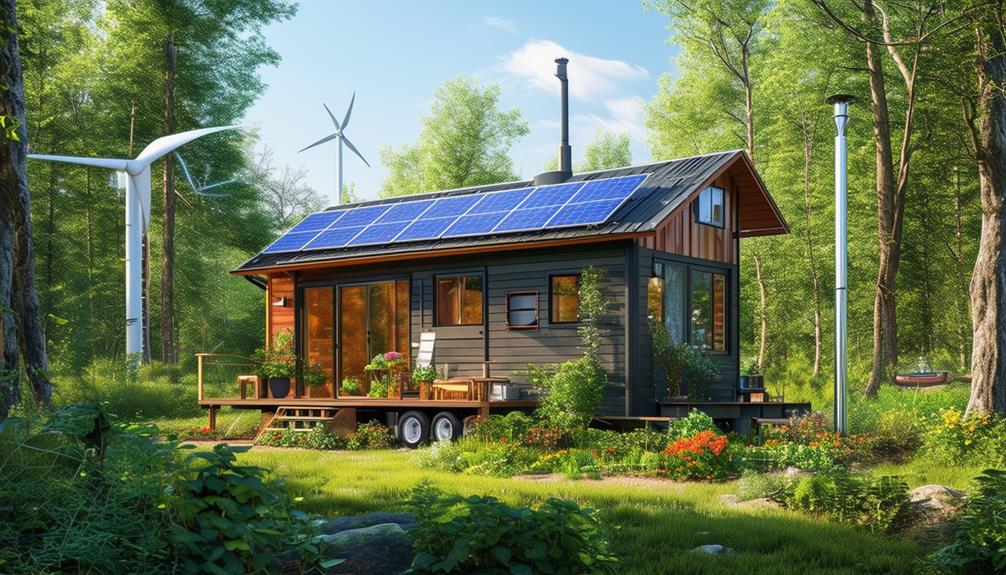
Adopting off-grid living in your tiny home involves relying on sustainable energy sources and efficient water management systems to achieve a self-sufficient lifestyle. This approach blends modern technology with traditional methods, transforming your tiny house into a haven of independence and sustainability.
To achieve this, focus on three main areas:
- Energy: Utilize solar panels and wind turbines to generate electricity for your tiny house. These renewable energy sources reduce reliance on utility companies and minimize your environmental footprint.
- Water: Implement rainwater harvesting systems to collect and store water for daily use. Installing effective filters ensures the water is safe for drinking, cooking, and cleaning.
- Waste Management: Use composting toilets to manage waste in an off-grid setting. These toilets require no water and convert waste into compost, which can be used to enrich your garden.
Although the initial setup may be costly and require technical expertise, the benefits of off-grid living are substantial. You will gain greater independence, lower your environmental impact, and embrace a simpler, more intentional lifestyle.