How to Create a Tiny Home for Remote Learning and Homeschooling
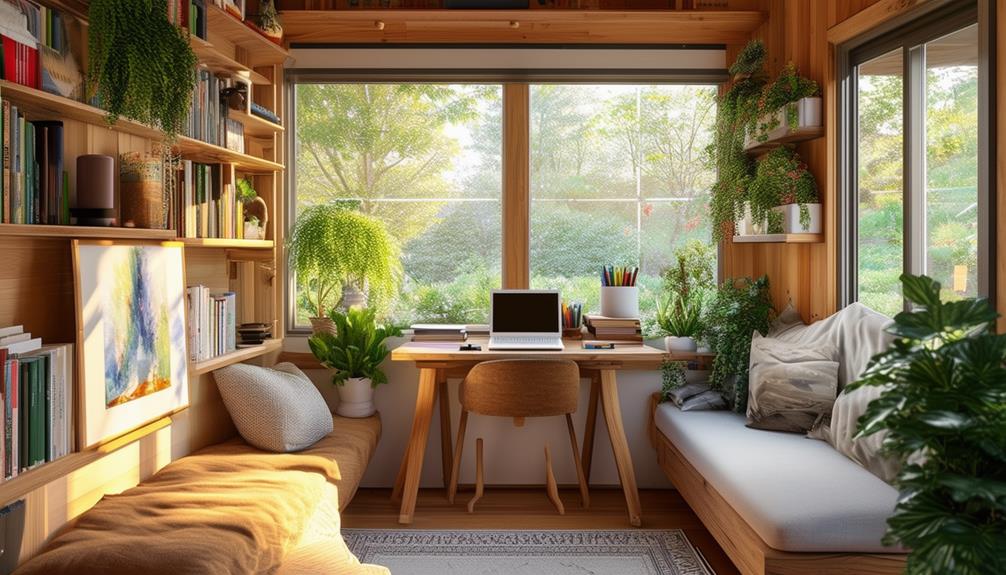
Considering converting your compact home into an efficient space for remote learning and homeschooling? Start by integrating multi-functional furniture like collapsible desks and storage ottomans. Assign dedicated learning areas within shared spaces and utilize vertical storage solutions to maximize efficiency. Create a central homeschooling hub equipped with essential tools such as laptops, headphones, and organized educational materials. Maintain a structured, clutter-free environment to facilitate learning. How can you seamlessly integrate technology and ensure easy access to learning resources? Let's explore key strategies to make this transition successful.
Space Optimization
How can you optimize limited space when setting up a tiny home for remote learning? In a small house, every square inch is valuable. Start by incorporating multi-functional furniture, such as foldable desks and storage ottomans. These can be easily stowed away when not in use, freeing up space.
Next, create designated learning zones in common areas like the kitchen or living room. You don't need to occupy an entire room; a small corner can serve as an effective study nook with the right setup. Utilize vertical storage solutions like wall-mounted shelves or pegboards to keep educational materials organized and accessible, making use of otherwise underutilized space.
Portable or collapsible learning tools, such as lap desks or whiteboards, are also invaluable. They can be set up quickly and stored easily, maintaining a clutter-free environment. Regularly purge unnecessary items and implement a system for maintaining organization to ensure your small homeschooling space remains functional. By maximizing every square inch, you can create an effective learning environment even in the smallest of homes.
Central Homeschooling Hub
Creating a dedicated homeschooling space in your small home ensures an organized and effective learning environment for your child. Equip the area with essential tools such as laptops, headphones, and a checklist board for tracking daily tasks. To maintain motivation and streamline routines, use organizational aids like color-coded folders and a logbook.
Organized Learning Space
Designate a central area in your small home for homeschooling to create an organized learning environment that optimizes space. In a compact home, every square foot counts, so choose a multifunctional room like the kitchen, dining, or living room. This central hub will help you keep track of school activities and progress.
To save physical storage space, utilize digital tools. Computers can replace bulky textbooks, and digital files can reduce paper clutter. Implementing a checklist board, color-coded file folders, and a logbook will streamline your organization. A checklist board can display daily tasks, while color-coded folders can neatly sort subjects or projects. A logbook will help you maintain a record of completed work and upcoming deadlines.
Ensure you have an easy system for organizing and storing school-related documents. Use labeled bins or folders to prevent clutter and make it easy to find what you need. Accessibility is key; keep essential learning tools like laptops, headphones, multiplication charts, and dry erase boards within reach. By maintaining a well-organized space, you'll foster an efficient and effective homeschooling environment in your small home.
Essential Learning Tools
Equip your central homeschooling center with essential tools such as laptops, headphones, and comfortable seating to create an effective learning environment. Each child needs a dedicated space for concentration, so consider a designated sofa area for relaxed study sessions. Laptops provide access to global educational resources, while headphones help reduce distractions, fostering a quieter atmosphere for focus.
Ensure that multiplication charts and whiteboards are readily available for quick reference during lessons. This allows children to have the necessary tools at their fingertips, especially when tackling math problems. Introducing a punch card system with a reward box can serve as a fun incentive for completing tasks, thereby enhancing engagement in learning.
To monitor daily tasks and progress, use a checklist board and color-coded file folders. These tools help maintain organization and ensure no assignment is missed. A journal can further assist in tracking accomplishments and areas needing improvement. Additionally, a computer-based educational textbook system can streamline your homeschooling process, efficiently organizing academic documents. By integrating these vital tools, you'll establish a conducive, systematic, and inspiring learning center.
Motivational Strategies
To maintain children's motivation in your primary homeschooling center, implement engaging strategies like a punch card system with a prize box for task completion. This method rewards kids for their efforts, making learning enjoyable. Each punch on the card signifies a completed task, and once the card is full, they can choose a prize from the box.
To further boost motivation, use a checklist board, color-coded file folders, and a logbook to track daily activities and progress. This not only helps organize tasks but also provides a visual representation of their accomplishments.
Create a central learning space in your home by combining the kitchen, dining, and living areas. Ensure that learning tools such as laptops, headphones, multiplication charts, and dry erase boards are easily accessible.
Enhance engagement with fun activities like a family dance song or interactive games. These activities make learning enjoyable and cater to children's need for movement, keeping them physically active and mentally stimulated. By integrating these strategies, you'll create a vibrant and motivating homeschooling environment.
Technology Integration
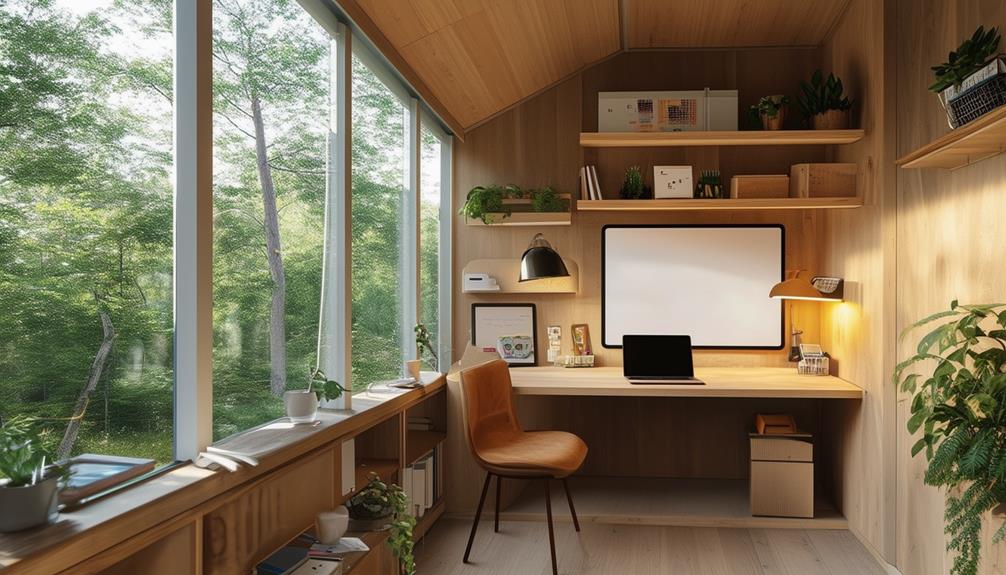
To maximize the potential of your tiny home for personalized learning, efficiently use devices like laptops and headphones. Incorporate digital learning tools, such as educational apps and online textbooks, to enhance the learning experience. Ensure you have a dedicated space with a strong internet connection for uninterrupted remote learning activities.
Efficient Device Usage
In a tiny home, optimizing device usage is paramount for minimizing distractions and enhancing learning. Prioritize creating dedicated spaces for laptops and headphones to ensure an organized environment conducive to focused study. Designate specific, easily accessible, and safe storage areas for these devices when not in use.
To maintain a seamless homeschooling routine, implement a system for device charging and organization. Create a central charging station to consolidate cords and chargers, thereby reducing clutter and ensuring devices are always ready for use. This approach not only maintains an orderly space but also maximizes device efficiency.
Maximize your tiny home's limited space by integrating multi-purpose furniture that provides both storage and workspace solutions. For example, a desk with built-in drawers can house educational materials and devices, keeping the learning area tidy and functional.
Key strategies include:
- Designating specific areas for device accessibility and storage.
- Creating a central charging station for efficient device organization.
- Using multi-purpose furniture to optimize space and device utilization.
Digital Learning Tools
Enhancing the remote learning experience in a tiny home involves the effective use of digital learning tools. Start by utilizing laptops, tablets, or computers to access a wide range of online educational resources. These devices are essential for delivering curricula and interacting with educational programs. Ensure each child has their own set of headphones to minimize distractions and enhance focus during learning sessions.
A reliable internet connection is crucial for smooth online activities. This ensures that educational apps and software run efficiently, keeping your child engaged with interactive and fun learning activities. Apps that incorporate gamified learning can make studying more enjoyable and effective.
Consider setting up a designated tech station in your tiny home. This area should include charging docks and organized cables, making it easy for kids to access their digital learning tools. An organized tech station keeps your tiny home clutter-free and ensures that devices are always charged and ready for use.
Document Organization
Efficiently organizing your school-related documents can transform your small residence into an effective remote learning space. Start by categorizing your papers using color-coded file folders for different subjects or document types. This approach saves you time and reduces the hassle of searching for specific papers.
Next, create a checklist board to visibly track daily activities and assignments, ensuring nothing gets overlooked.
Logbook monitoring is another essential practice. Maintain a logbook to record and monitor daily progress. This helps track completed tasks and identify areas needing more attention. Place this logbook in a central area designated for all homeschooling activities to ensure all necessary documents are easily accessible and maintained in one place.
For long-term efficiency, develop a user-friendly document organization system to keep everything in order without constant reorganization. Here are some quick tips:
- Use color-coded file folders for different subjects.
- Implement a checklist board for daily tasks.
- Maintain a logbook for progress tracking.
Learning Tools and Resources
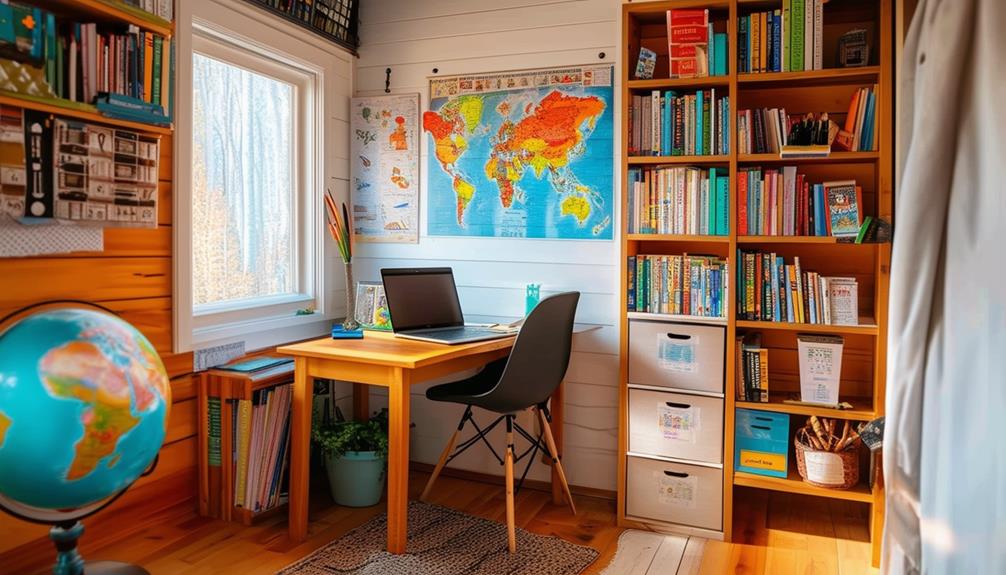
After organizing your documents, the next step is to equip your home with the right learning tools and resources for an engaging and effective remote learning environment. Start by setting up laptops and headphones, as these essentials, along with a designated workspace like a cozy sofa, will make online lessons more comfortable and focused.
Keep multiplication charts and dry-erase boards within arm's reach to facilitate quick references during lessons, making math more interactive and easier to understand. Efficiently manage art supplies by using bins or shelves to store crayons, paints, and paper, keeping them organized and accessible for creative projects.
Organize toys effectively by designating toy boxes for educational toys and interactive games that make learning enjoyable. Sorting toys by type or subject helps maintain order and makes it easier for your child to find what they need for each lesson.
Motivation Systems
To keep your child enthusiastic about remote learning, implement a motivation system that includes punch cards and a prize box. This approach uses behavioral incentives and reward systems to make learning more engaging and fun. By providing positive reinforcement, you can inspire your child to actively participate in their homeschooling activities.
Create punch cards where each completed task earns a punch. Once the card is full, your child can choose a reward from the prize box. This method encourages task completion and keeps them motivated to stay focused on their lessons. Here are some ideas to implement:
- Behavioral incentives: Offer rewards for consistent task completion, such as stickers or small toys.
- Engagement techniques: Use the prize box to keep your child excited about learning. Fill it with items they love, making it a desirable goal.
- Positive reinforcement: Praise your child's efforts and achievements to build confidence and encourage continued participation.
Outdoor Learning
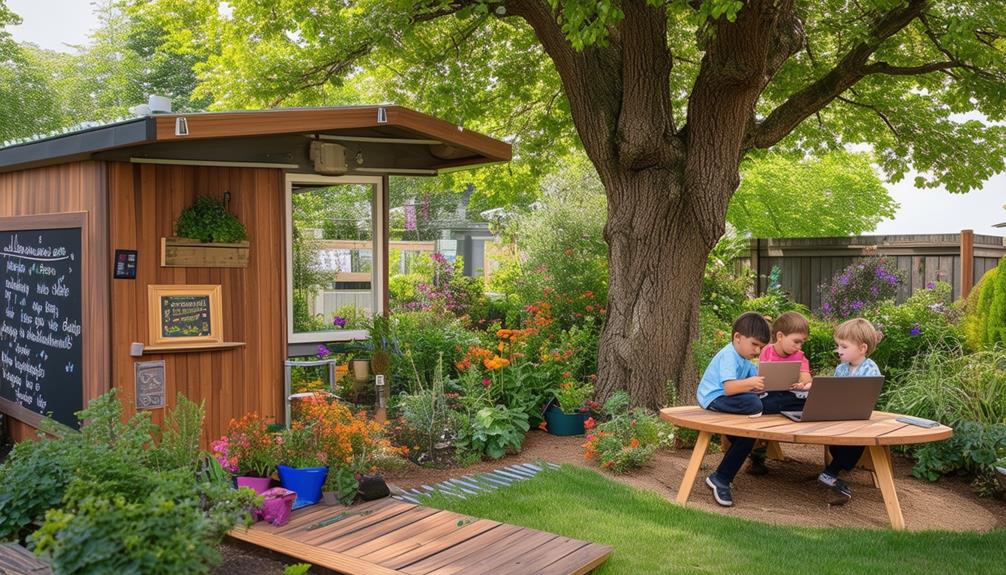
Transform your child's remote learning experience by incorporating the outdoors, making education more engaging and dynamic. Utilizing outdoor spaces for hands-on nature exploration can bring the curriculum to life. Imagine an outdoor classroom where your child studies plants, animals, and natural elements firsthand. This approach not only makes learning enjoyable but also fosters a deeper appreciation for the environment.
Encourage environmental studies by having your child document observations in a nature study notebook. This practice hones observation skills and nurtures curiosity about the natural world. Reading aloud in outdoor settings can further enrich their connection with nature and bring stories to life.
Group activities for subjects like history can be more interactive and socially engaging when conducted outdoors. Hands-on activities such as handicrafts and baking are also ideal for an outdoor classroom, providing a multi-sensory learning experience.
| Activity | Benefit |
|---|---|
| Nature Exploration | Hands-on learning |
| Outdoor Classrooms | Engaging and dynamic lessons |
| Environmental Studies | Develops observation skills |
Embrace the outdoors to make homeschooling a rewarding and enjoyable experience for your child.
Art and Supplies Organization
Efficiently organizing art supplies and educational materials can significantly enhance your child's learning environment. Begin by setting up an art board to display your children's artwork, which not only keeps finished projects visible but also inspires continued creativity. Use a shelf to store games, binders, and other homeschooling materials, ensuring your child can easily access what they need without creating clutter.
Consider creative storage solutions to maintain order. Allocate a specific drawer for miscellaneous supplies like scissors, glue, and crayons. This ensures every item has a designated spot, making it easier to find what you need quickly. Additionally, designate a space for laptops and essential homeschooling tools to keep the area tidy and organized.
Here are some quick tips to maintain organization:
- Art Board: Display children's artwork to inspire motivation and creativity.
- Designated Drawer: Store miscellaneous supplies for easy retrieval.
- Shelf Organization: Keep games, binders, and art supplies accessible and neat.
Family Activities and Gardening
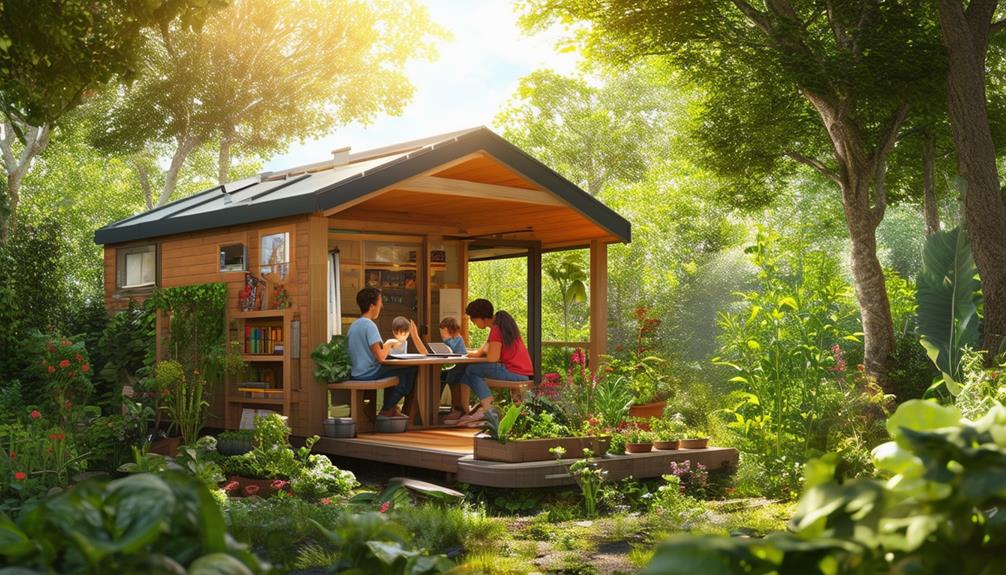
Creating a tiny home for remote learning involves more than just organizing supplies; it also includes family activities and gardening to foster a well-rounded educational experience. Engaging in gardening activities like the Back to Eden method can improve soil health through mulching while expanding your green space. Planting trees in the orchard and blackberry plants along the fence creates a natural barrier and provides delicious fruits, ensuring interactive learning through hands-on experiences.
Involving your family in these activities promotes bonding and teaches essential life skills. Caring for rabbits, chicks, and larger animals offers children the opportunity to learn responsibility and animal husbandry. These activities not only enrich your child's education but also build a sense of togetherness and accomplishment within the family.
Don't forget to mix in some fun! Incorporating family songs can make learning sessions interactive and engaging, helping everyone stay connected. Grandpa Mike's blackberry plants can serve as a delicious reward after a day of gardening, enhancing both your home's ambiance and your family's bond. Embrace these gardening activities to create an enriching, balanced lifestyle for your family.