How to Create a Tiny Home for Outdoor Enthusiasts
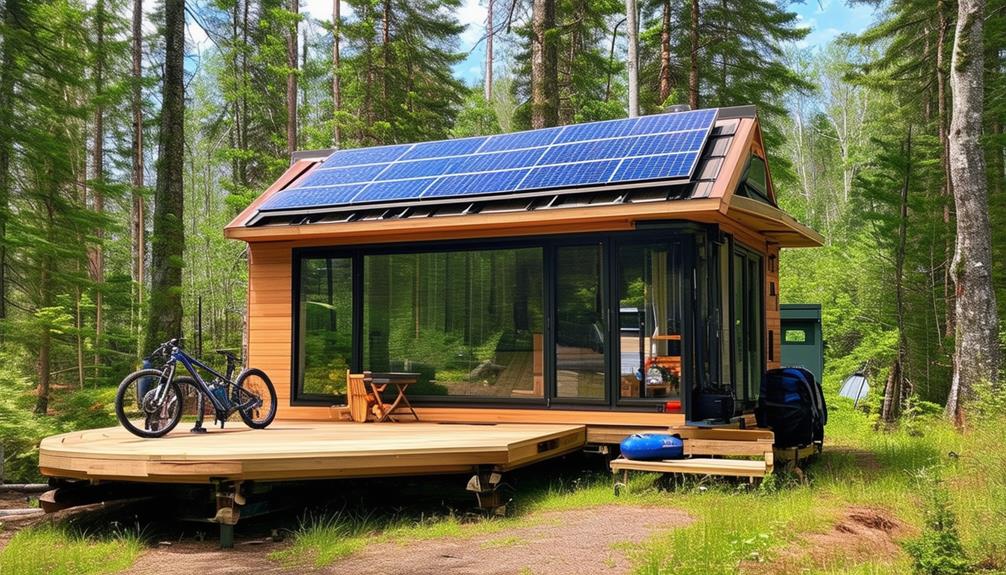
When creating a tiny home for outdoor enthusiasts, selecting the ideal location is crucial. Imagine waking up to a view of rolling hills or a serene lake. However, it's not just about the picturesque scenery—you must also consider proximity to recreational areas and local weather conditions. Ensuring compliance with zoning laws is essential to avoid any legal complications. Once you've secured the perfect spot, the next step is designing a floor plan that optimizes space without sacrificing comfort. But how do you seamlessly blend functionality with the beauty of the outdoors? Let's explore the key elements that make it all possible.
Choosing the Right Location
How do you find the ideal spot for a tiny home that complements your love for the outdoors? Start by considering proximity to outdoor recreational areas like parks, trails, or lakes to guarantee easy access to your favorite activities. As an outdoor enthusiast, you'll want to immerse yourself in nature without having to travel far.
Next, assess the climate of your potential location. If you enjoy seasonal activities, ensure the weather aligns with your preferences throughout the year. Whether it's skiing in winter or hiking in summer, the right climate can enhance your experience.
Check local zoning laws and regulations to confirm that your chosen location permits a tiny house and its outdoor features. Some areas may have restrictions, so doing your homework can save you headaches down the road.
Look for a spot with ample natural light and scenic views to enrich your outdoor living experience. This will make your tiny home feel more expansive and connected to nature. Finally, prioritize safety by choosing a location with secure surroundings and minimal environmental risks to guarantee peace of mind while you enjoy your outdoor lifestyle.
Designing the Floor Plan
When designing the layout for your compact home, focus on functionality and comfort to maximize the limited space. Begin by creating a spacious living and kitchen area to enhance indoor comfort and efficiency. This combined space is essential for relaxation and entertainment after outdoor activities.
Consider incorporating a second rear entrance that leads to a mudroom. This feature will provide convenient access and storage for outdoor gear, keeping the main living area clutter-free. If additional sleeping arrangements are necessary, you can replace the mudroom with a bunk bed, which is perfect for accommodating extra guests.
Utilize vertical space by adding a staircase to access a loft. A well-designed loft can serve as extra living or sleeping quarters, offering a practical solution for space constraints. Additionally, customizable options for your outdoor space can help integrate nature into your design, enriching the indoor-outdoor living experience and making your compact home feel more expansive.
Here's a concise floor plan outline to guide you:
| Area | Purpose | Unique Features |
|---|---|---|
| Living Area | Relaxation and Entertainment | Spacious, multi-functional |
| Kitchen | Cooking and Dining | Open layout, efficient appliances |
| Mudroom | Storage for Outdoor Gear | Option to substitute with bunk bed |
| Loft | Additional Living/Sleeping Space | Comfortable, practical size |
This layout ensures that every inch of your compact home is utilized effectively, providing both functionality and comfort.
Selecting Durable Materials
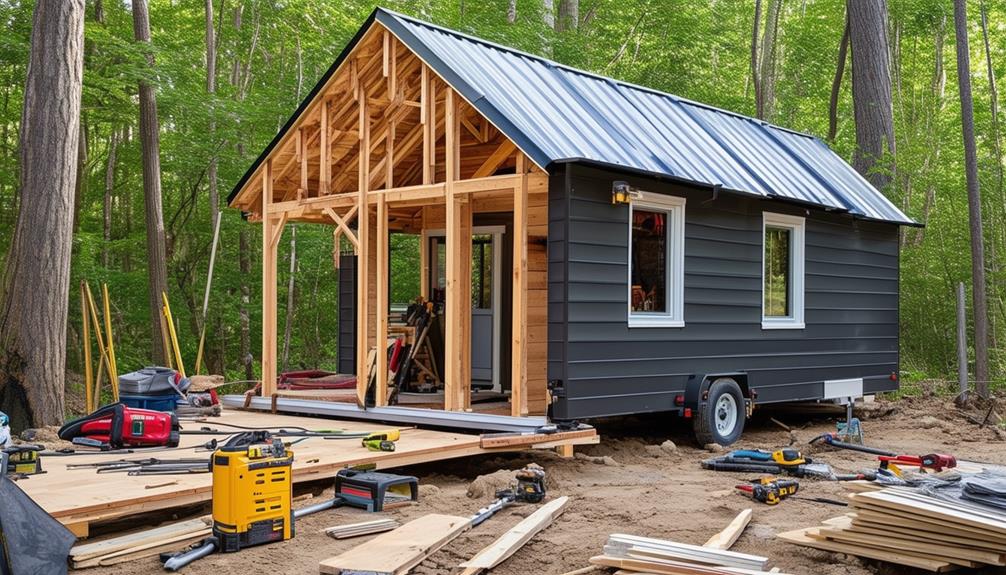
With your floor plan in place, let's focus on selecting durable materials to ensure your tiny home withstands the elements. Start by choosing weather-resistant materials like cedar, redwood, or composite decking for any outdoor structures. These materials offer longevity and low maintenance, essential for outdoor enthusiasts. For roofing, opt for metal roofing. It is designed to endure various weather conditions and requires minimal upkeep, ensuring your tiny home remains protected.
For the exterior, durable paints or finishes are a necessity. They shield your home from UV rays and moisture, preventing damage over time. Additionally, consider using stainless steel or aluminum hardware for all outdoor fixtures. These materials resist rusting, crucial for maintaining the integrity of your outdoor kitchen and other exposed areas.
When selecting outdoor furniture, choose treated lumber or composite materials. These options are built to endure outdoor conditions, providing both durability and ease of maintenance. By focusing on these weather-resistant materials, your tiny home will not only look great but also stand the test of time, regardless of what Mother Nature throws its way.
Incorporating Outdoor Spaces
Optimize your small home's potential by incorporating versatile outdoor spaces that enhance both relaxation and entertainment. A thoughtfully designed outdoor area can serve as an extension of your living space, which is especially beneficial for those in a small home community. Start by creating a second living room outdoors with comfortable, space-saving furniture like folding loungers and small café tables. These pieces can be easily stowed away when not in use, maximizing your available space.
Consider adding an outdoor kitchen and dining area to enhance your cooking capabilities and provide a delightful setting for al fresco meals. This setup not only adds functionality but also frees up indoor space. Deck and patio essentials can seamlessly blend your indoor and outdoor living areas, creating a more cohesive home environment.
Don't overlook the benefits of incorporating gathering features such as fireplaces or fire pits. These elements foster a cozy, inviting atmosphere perfect for socializing with friends and neighbors. Whether you're hosting a small get-together or enjoying a quiet evening under the stars, these features make your outdoor space a hub of activity and relaxation. By optimizing your outdoor areas, your small home becomes a versatile, inviting retreat.
Planning the Outdoor Kitchen
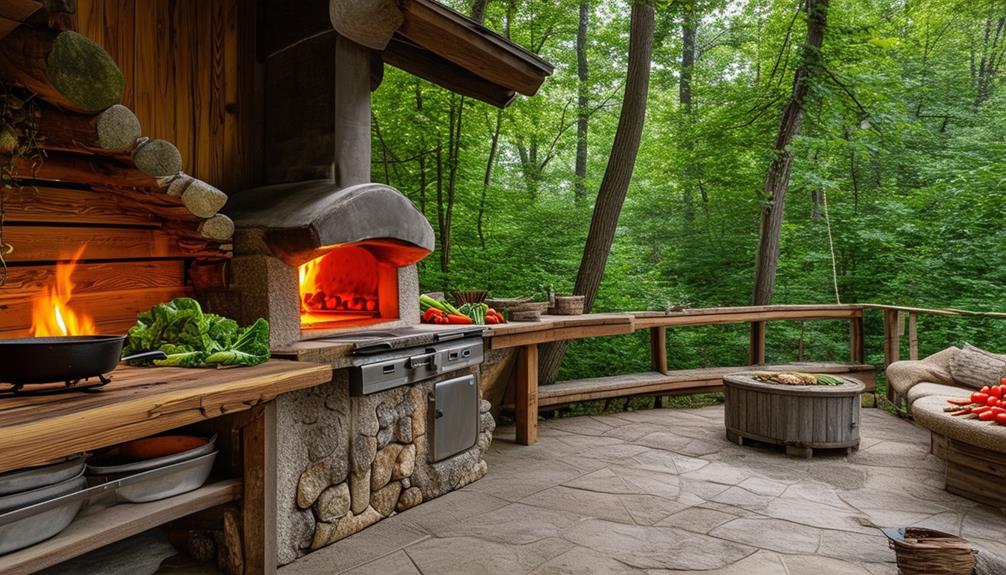
When planning your outdoor kitchen, consider incorporating versatile cooking options like grills or pizza ovens. Ensure you have ample countertop space for meal prep and consider adding weather protection with awnings or pergolas. This setup not only enhances your cooking experience but also creates an ideal dining area for enjoying meals in pleasant weather.
Outdoor Cooking Options
Planning an outdoor kitchen for your tiny home can significantly enhance your outdoor living experience by offering versatile cooking options and additional space for meal preparation. Start by considering essential components such as grills, a pizza oven, and sufficient countertop space. Grills are indispensable; they excel at barbecues and can handle a variety of dishes, from burgers to vegetables. A pizza oven adds a unique flair, allowing you to craft delicious, crispy pizzas right in your backyard. Ample countertop space is crucial for preparing ingredients and serving meals.
Outdoor kitchens are perfect for enjoying family meals or gatherings in pleasant weather. They also help keep cooking odors outside, making your indoor living area more pleasant. For tiny homeowners, this setup provides both versatility and convenience, enabling you to expand your culinary options without compromising indoor space. Incorporating an outdoor kitchen into your tiny home design creates a seamless indoor-outdoor living experience, ideal for outdoor enthusiasts.
Dining Area Setup
Creating a cozy and functional outdoor dining area for your tiny home allows you to enjoy meals in a natural setting while optimizing your living space. Start with a versatile dining table tailored for your tiny house backyard. Opt for a foldable or extendable design to save space when not in use. An outdoor dining area with additional countertop space will simplify meal preparation and keep everything accessible.
Incorporate outdoor grills or pizza ovens to enhance your cooking options. These appliances are perfect for foods that emit strong odors, helping to keep your tiny home fresh. Built-in appliances and storage solutions can make your outdoor kitchen both stylish and practical, ensuring you have everything you need at your fingertips.
When planning your outdoor dining area, consider the weather conditions. A well-placed canopy or retractable awning can provide shade and shelter, making it possible to enjoy meals or gatherings regardless of the weather. Customize your space with comfortable seating and appropriate lighting to enhance the overall dining experience. By thoughtfully designing your tiny house backyard dining area, you can create a perfect blend of functionality and enjoyment.
Adding Space-Saving Furniture
Maximizing the utility of your compact home involves incorporating space-saving furniture, both indoors and outdoors. By selecting versatile and small-scale pieces, you can optimize your living space without compromising on comfort. For your outdoor area, consider multifunctional furniture that can serve various purposes. Examples like folding loungers and tables are excellent; they can be easily stored when not in use, thereby preserving valuable outdoor space.
Tiny cafe tables and chairs are perfect for small outdoor areas. They offer a cozy setting for morning coffee or small gatherings and can be effortlessly tucked away when not needed. Choosing small furniture ensures that your patio remains open and inviting.
Here's a quick comparison of space-saving furniture options:
| Furniture Type | Ideal Use |
|---|---|
| Folding Loungers | Relaxation and sunbathing |
| Tiny Cafe Tables | Morning coffee or dining |
| Multifunctional Pieces | Versatile, multiple uses |
Using these space-efficient furniture options enables you to maximize both your indoor and outdoor living areas in your compact home. The key is to select pieces that are functional and easy to store, keeping your space clutter-free and enjoyable.
Enhancing Deck and Patio
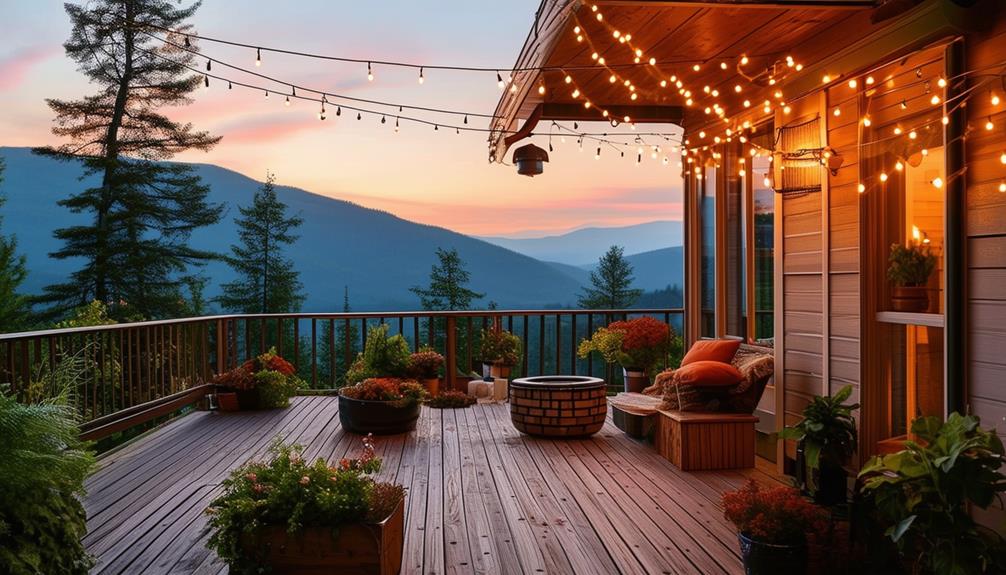
To enhance your tiny home's outdoor experience, upgrade your deck and patio to create welcoming and functional spaces. Start with a level deck connected to your tiny home for seamless indoor-outdoor living. Tiered decks can define areas for relaxing, dining, or gardening, optimizing your outdoor experience.
Consider adding an outdoor fireplace or fire pit to create a cozy gathering space, making your deck an extension of your home. Plan your deck layout to ensure every square inch serves a purpose, whether for unwinding, socializing, or practical activities like cooking.
Thoughtful design and attention to detail will transform your outdoor space into a versatile and enjoyable part of your home. The goal is to create a harmonious blend between your tiny home and the outdoors, making every moment spent outside truly special.
Integrating Gathering Features
Enhancing your tiny home's outdoor space with gathering features ensures it is both inviting and functional for entertaining. Start by incorporating an outdoor fireplace or fire pit. These elements create a cozy atmosphere where friends and family can gather, share stories, and roast marshmallows, instantly transforming your outdoor space into a favorite hangout spot.
Next, consider the landscaping. Choose plants and patio designs that complement your tiny house lifestyle. You don't need a sprawling garden; a few well-placed shrubs or flower beds can make a significant difference. If space is limited, consider using potted plants to define areas for relaxation, gardening, and entertainment.
Design your outdoor living spaces with a second living room in mind. This optimizes your entertainment options without compromising comfort. Add comfortable seating, a small table, and perhaps an outdoor rug to create a welcoming vibe.
Don't forget weather protection. Installing awnings or pergolas ensures you can enjoy your outdoor space year-round, regardless of the weather. These features provide shade on sunny days and shelter during unexpected rain showers, making your outdoor gatherings more enjoyable and dependable.
Budgeting and Practicality
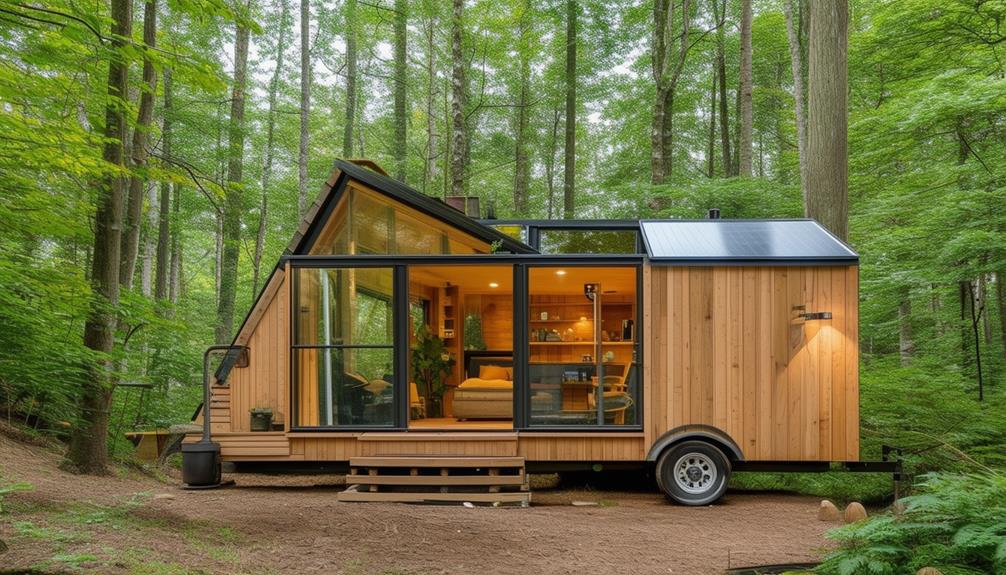
When planning your tiny home, setting a realistic budget is crucial for managing costs and ensuring a successful project. Focus on efficient space planning to maximize functionality without exceeding your budget. Always account for unexpected expenses and be prepared to adjust your budget as needed.
Setting Realistic Budgets
Establishing a realistic budget is crucial to ensure your tiny home's outdoor space meets both your needs and financial capabilities. Here are some key steps to help you navigate this process effectively:
- Research Average Costs: Investigate the typical expenses for outdoor features like decks, patios, and landscaping. This research provides a baseline for what to anticipate.
- Phased Project Implementation: Break your project into phases to manage expenses better and prioritize essential elements first. This approach allows you to spread the financial load over time.
- Include Unexpected Expenses: Always set aside a buffer for unforeseen costs. Construction projects often come with surprises, and being prepared can save you from financial strain.
- Adjust as Needed: Be ready to revisit and modify your budget based on material prices, labor costs, and any changes in the project's scope.
Creating a detailed budget for each feature of your outdoor living space helps you track expenses and make cost-efficient decisions. This approach ensures your tiny home's outdoor area remains functional and within your financial reach.
Efficient Space Planning
Once you've established a practical budget, the next step is to strategize your tiny home's outdoor area to optimize functionality and comfort. Start by assessing your available outdoor space, considering property boundaries to ensure you maximize every square foot without overstepping.
Take into account the sun's movement and shading options. Understanding the sun's path helps you determine the best locations for your outdoor living areas, allowing you to plan for natural shade or add structures like pergolas for extra comfort.
Facilitate easy entry and exit from your tiny house by creating seamless connections between indoor and outdoor spaces, enhancing the overall living experience.
Make a list of desired features and a checklist for outdoor projects to stay organized and prioritize essentials within your budget constraints.
| Feature | Priority Level | Budget Estimate |
|---|---|---|
| Patio Area | High | $1,500 |
| Shading Pergola | Medium | $800 |
| Outdoor Kitchen | Low | $2,000 |
| Garden Space | Medium | $500 |
| Fire Pit | Low | $300 |
Effective space planning in tiny homes involves making smart choices that enhance your outdoor living experience while staying within budget.