How to Create a Tiny Home for Homesteading
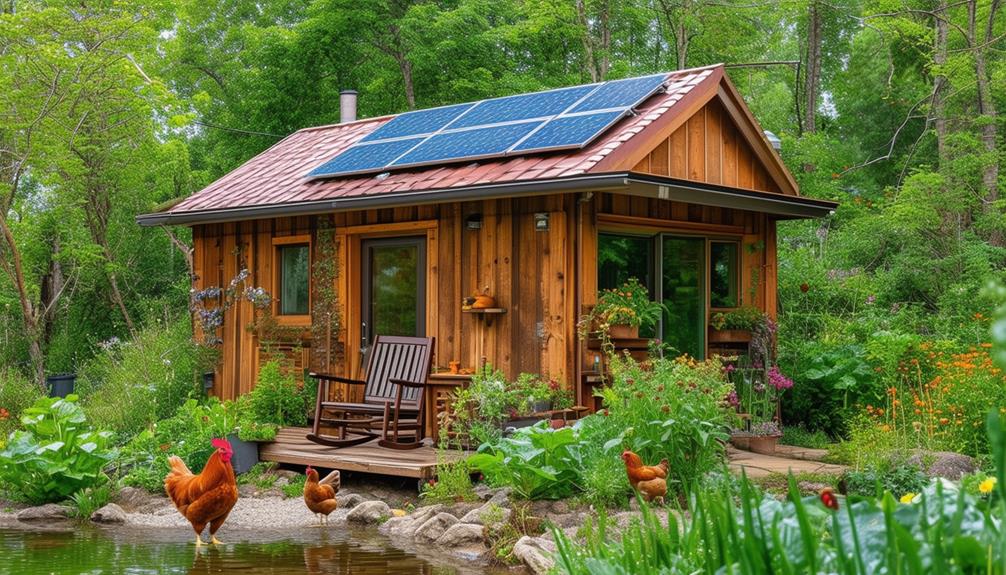
When building a small home for homesteading, start by selecting an appropriate site, considering local laws and zoning regulations. Ensure the land has access to a reliable water source and plan for sustainable infrastructure, such as renewable energy systems and rainwater collection. Efficiently plan your layout to manage livestock and crops effectively. Prioritize environmentally friendly practices to create a balanced living environment. Follow these steps to ensure your homesteading venture is both functional and rewarding.
Choosing the Right Location
When selecting a location for your tiny home, it's essential to find areas with relaxed regulations on homesteading. This will help you avoid restrictions that could hinder your plans. Begin by researching the local laws and zoning regulations in various regions. Seek a plot of land that fits your budget; public records on land with tax liens can offer cost-effective options.
A crucial factor is the availability of a reliable water source. Ensure the plot has access to water, whether through a well, a nearby stream, or a municipal supply. Sustainable infrastructure is vital for self-sufficient living, so plan for water, power, sewer, and food management on your chosen plot.
Accessibility is another important consideration. The land should be easily reachable by vehicle for transporting materials and supplies. Additionally, consider joining or forming a community of like-minded individuals. They can provide valuable support and assistance as you construct your tiny home and establish your homestead. With careful planning and consideration, you'll find the ideal spot to start your tiny home adventure.
Planning Your Layout
Start planning your tiny home layout by dividing the space to balance living areas and homesteading activities. Begin by allocating specific zones for crucial tasks, such as a corner for gardening tools and canning supplies. This ensures easy access to everything you need for homesteading activities.
Maximize your space with efficient storage solutions. Consider installing shelves and cabinets to store harvested crops, preserved foods, and homesteading supplies. Vertical storage can be particularly effective in a tiny home, keeping everything organized without sacrificing precious floor space.
Include areas for indoor gardening and seed starting. A small section near a window is perfect for growing herbs and starting plants before transferring them outdoors. If composting is part of your routine, set aside a discreet spot for a small compost bin.
While planning your layout, think about integrating sustainable features. Consider where to place rainwater collection systems or solar panels to support your homesteading lifestyle. With thoughtful planning, your tiny home can effectively accommodate both living and homesteading needs.
Sustainable Infrastructure
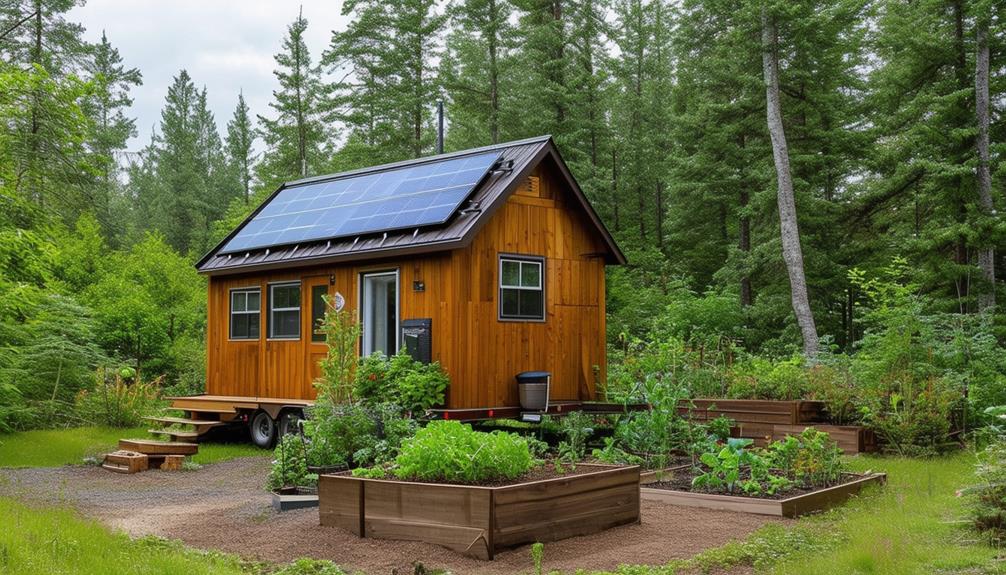
Balancing layout and sustainability, it's crucial to focus on the infrastructure needed to support your tiny home homestead. Start by harnessing renewable energy sources. Install solar panels to capture the sun's energy and pair them with a reliable battery bank, such as those from Tesla. This setup ensures a consistent power supply, even on cloudy days or at night.
Water sustainability is equally important. Install a rainwater collection system to store rainwater for household use. If you have access to a nearby water source, such as a stream or well, incorporate it as an additional resource.
For food sustainability, raised garden beds are highly effective. They save space, improve soil drainage, and reduce weed growth. Additionally, a root cellar can serve as a natural refrigeration system for storing your harvest.
Livestock and Crop Management
Effective livestock and crop management is crucial for a thriving and sustainable tiny home homestead. To maintain the health of your animals and land, provide adequate shelter, food, water, and implement rotational grazing. Proper crop management involves techniques such as crop rotation and the Three Sisters planting method, which optimize space and nutrient usage. Understanding the water requirements for each crop is essential but will be covered in the next section.
For optimal land use, effectively divide your livestock and crop areas. This helps maintain the balance of your tiny house community's resources. Set realistic goals by considering your local climate, soil conditions, and available resources.
Here's a table to guide you in managing both livestock and crops:
| Livestock Needs | Crop Needs | Tips for Success |
|---|---|---|
| Shelter | Crop Rotation | Rotate grazing areas and crops |
| Food | Three Sisters Method | Use companion planting techniques |
| Water | Water Management | Plan based on specific water needs |
| Rotational Grazing | Soil Health Monitoring | Regularly test and amend the soil |
This table provides a concise overview to help you maintain a balanced and productive homestead, ensuring both semantic accuracy and consistency in your management practices.
Water Source Strategies
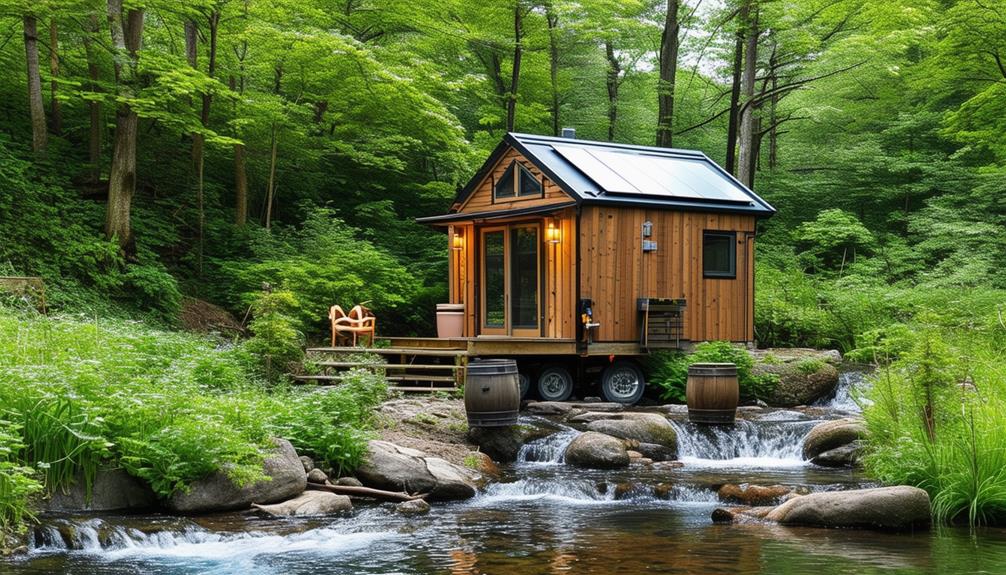
When planning your water source strategies for a homestead or tiny home, prioritize rainwater collection systems and nearby natural water sources. For tiny homes, rainwater collection is particularly practical. Install gutters and downspouts to direct rainwater into storage tanks. To ensure the water is safe, use purification methods like filters or UV sterilizers.
If you have access to a nearby water source such as a stream or pond, a pump system will be necessary to transport water to your home. Assess the water quality and apply purification methods to make it safe for use. Connecting to a city water supply incurs monthly costs, so include this in your budget if considering this option.
Understanding the difference between shallow and deep wells is crucial. Shallow wells tap into groundwater near the surface, which may be more prone to contamination. Deep wells, while offering cleaner water, require more effort and expense to install.
Implement water-saving practices and technologies to promote sustainability. Low-flow faucets, composting toilets, and efficient showerheads can significantly reduce water consumption. By carefully planning your water source strategies, you can ensure a sustainable and self-sufficient lifestyle in your tiny home.
Tiny Home Design Tips
Designing a small home for homesteading requires meticulous planning to optimize space and incorporate sustainable features. Start by integrating built-in storage and multipurpose furniture to maximize your limited space. Consider under-bed storage, fold-out tables, and convertible sofas to maintain a clutter-free and functional living area.
Sustainable elements are essential in small homes. Install solar panels for energy independence and a rainwater collection system to ensure a reliable water source. This not only supports off-grid living but also minimizes your environmental impact.
Durable, low-maintenance materials are vital for longevity. Opt for high-quality windows and proper insulation to enhance energy efficiency and maintain a comfortable indoor climate year-round. Energy-saving appliances can further reduce utility costs and align with a sustainable lifestyle.
A well-designed small home should feature a compact yet functional kitchen, a comfortable sleeping area, and a versatile living space. Prioritize a layout that facilitates easy movement and efficient use of every square inch. By focusing on these design tips, you can create a small home that perfectly meets your homesteading needs while maximizing both sustainability and comfort.
Building and Sourcing Materials

When constructing your small home, start by exploring budget-friendly sources such as Habitat for Humanity ReStores and Craigslist. Build relationships with local suppliers to secure discounts and stay informed about potential deals. Prioritize sustainable materials like reclaimed wood and recycled components to ensure your home is both eco-friendly and cost-effective.
Affordable Material Sources
Finding affordable materials for your tiny home can significantly reduce costs and make your homesteading dream more attainable. Start by exploring resources like Habitat for Humanity ReStores and Craigslist, which often feature discounted or second-hand building materials perfect for your project.
Building relationships with local suppliers can also be beneficial. Get to know your local hardware store owners and construction suppliers; they might offer you discounts or alert you to sales. Salvage yards and demolition sites are excellent sources for reusable materials, where you can often find quality wood, fixtures, and other necessary items for a fraction of the retail price.
Don't overlook the power of community. Join local groups or online forums dedicated to tiny home building or homesteading. Members frequently share tips on where to find affordable materials and might even offer excess materials from their own projects. Additionally, keep an eye on local construction projects or home renovations. Contractors often have leftover materials they need to offload, which you can acquire at a discounted rate.
Sustainable Building Techniques
Adopt sustainable building techniques by incorporating reclaimed wood, recycled materials, and energy-efficient features into your tiny home. Source materials from places like Habitat for Humanity ReStores and Craigslist, which offer affordable options and help minimize waste by reusing items. During construction, prioritize eco-friendly practices such as installing solar panels and setting up rainwater collection systems.
Building relationships with local suppliers can also be beneficial, as they might offer discounts and assist in sourcing sustainable materials. Reclaimed wood adds character to your home and reduces the demand for new lumber, preserving forests. Recycled materials can be utilized in various construction aspects, from insulation to flooring, promoting a circular economy.
Energy-efficient features are crucial for sustainability. Effective insulation will keep your tiny home warm in winter and cool in summer, reducing energy consumption. Consider the environmental impact of every material chosen and opt for those that align with sustainable building principles. By integrating these techniques, you can create a tiny home that's eco-friendly and cost-effective.