How to Create a Garden for Your Tiny Home
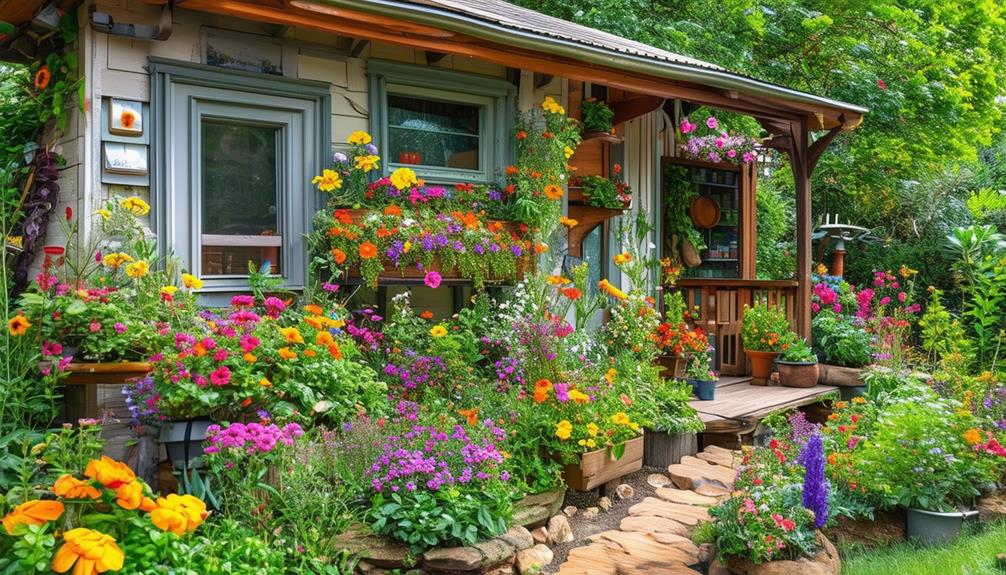
Creating a garden for your tiny home might seem challenging, but it's entirely achievable with the right strategies. Consider exploring container gardening, raised beds, and vertical gardening to maximize your limited space. Carefully select plants that match your sunlight conditions and ensure proper care. Water and bog gardens can add a peaceful touch, while growing herbs in your kitchen adds practicality. To bring greenery indoors without clutter, consider simple yet elegant solutions like hanging planters or wall-mounted gardens.
Container Gardening
Container gardening provides a practical solution for growing a variety of plants within the limited space of a tiny home. By using versatile containers, you can cultivate herbs, vegetables, and even dwarf fruit trees right in your small garden. One of the significant advantages of container gardening is the ability to relocate plants easily. This flexibility ensures that each plant receives optimal sunlight and aligns with your aesthetic preferences.
To maximize your limited space, it's essential to choose containers that meet the specific needs of your plants. Herbs typically thrive in smaller pots, while dwarf fruit trees require larger containers for their root systems. Proper drainage is another crucial factor in container gardening. Ensure your containers have drainage holes to prevent waterlogging, which can damage plant roots and hinder growth.
Incorporating greenery through container gardening not only enhances the aesthetics of your tiny home but also increases its functionality. Whether placed on windowsills, balconies, or compact outdoor areas, these containers can transform even the smallest spaces into thriving, beautiful gardens. Embrace container gardening to enjoy the benefits of a lush, green environment in your tiny home.
Raised Bed Gardening
Raised bed gardening provides numerous advantages, including improved soil quality and reduced weed growth. You can easily construct raised beds to fit the available space around your tiny home, creating an organized and efficient garden. Once your beds are established, you'll benefit from extended growing seasons and a tidier garden appearance.
Benefits of Raised Beds
Incorporating raised beds into your tiny home garden optimizes limited space while offering numerous benefits for plant health and maintenance. Raised beds are especially advantageous in small spaces, as they maximize the available area and can be combined with vertical garden elements to further enhance your planting capacity. They provide improved drainage and allow for earlier planting in the spring, as the soil warms up more quickly above the frost line.
Raised bed gardening also alleviates the physical strain on your back, reducing the need for extended bending or kneeling. The tidy appearance of raised beds helps to minimize weed growth, making gardening tasks more manageable and keeping your garden organized. Plant roots thrive in the loose, well-aerated soil offered by raised beds, promoting healthier growth and higher yields.
Additionally, raised beds can be customized to fit your specific space, preferences, and gardening needs. Whether you opt for pre-made kits or design your own, these beds enable you to create a functional and aesthetically pleasing garden tailored to your tiny home environment.
Building Raised Beds
Constructing raised beds for your small home garden can transform your limited space into a productive planting area. Raised beds enhance planting regions, making gardening easier on your back and providing better drainage. In a small home community, where maximizing every square inch is crucial, raised beds allow you to effectively use vertical space. By elevating your garden beds, you can start planting earlier in the spring, as they sit above the frost line.
Raised beds also offer a tidy appearance, reducing the time needed for weeding and promoting better plant growth. They come in various styles and sizes, allowing you to customize them to fit your specific needs and preferences. Whether you prefer a sleek, modern design or a rustic, wooden look, there's a raised bed plan or kit available to suit your small home garden.
Planting in Raised Beds
Planting in raised beds offers numerous advantages that make managing a small home garden more efficient and rewarding. With superior soil drainage and enhanced plant growth, you'll find that your garden thrives like never before. Raised planting areas prevent soil compaction, ensuring roots get the aeration they need. Additionally, the organized appearance of raised beds simplifies plant spacing and weed control.
Gardening in raised beds also extends your growing season by warming the soil faster in the spring. This is especially beneficial for small spaces where every square inch counts. Raised beds provide a structured environment that makes it easier to achieve superior yields. Plants can be more closely spaced, maximizing your limited space and making care and harvesting more manageable.
Here are three key benefits of using raised beds for your small home garden:
- Ease of Maintenance: Raised beds simplify weed and pest management, reducing the time and effort required for upkeep.
- Improved Soil Quality: You can customize the soil mix in raised beds, leading to healthier plants and more bountiful harvests.
- Accessibility: Raised beds are easier on your back and knees, making gardening more enjoyable and less strenuous.
Vertical Gardening
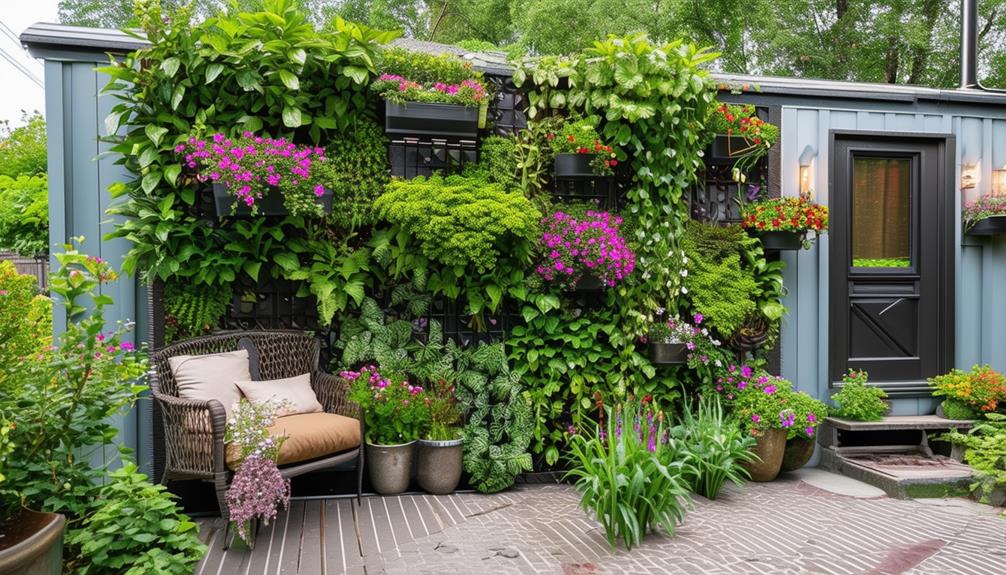
Transform your small yard into a lush oasis by maximizing vertical space with walls, trellises, and hanging structures. Vertical gardening is a game-changer for tiny house gardening, allowing you to cultivate a variety of plants in a compact area. By utilizing vertical space, you can grow pole vegetables, trailing flowers, and herbs, all while maintaining a tidy and organized garden.
One of the key benefits of vertical gardening is that it optimizes space, making it ideal for small yards. You'll not only be able to grow more plants but also create a visually appealing garden with layers of greenery that add depth and interest to your outdoor space. Imagine a wall adorned with cascading flowers or a trellis covered in climbing vegetables—both practical and beautiful.
Vertical gardening also offers better air circulation for your plants, which can lead to healthier growth. Plus, it enhances the aesthetic appeal of your tiny home's surroundings. Whether you use vertical planters, hanging baskets, or repurpose items like old ladders and pallets, the creative design options are endless. Maximize vertical gardening to make the most of your limited space and create a stunning, efficient garden.
Water and Bog Gardens
Incorporating a water garden with vibrant plants like water lilies can bring a serene ambiance to your tiny home's landscape. Alternatively, a bog garden featuring unique plants such as carnivorous species offers an unconventional and creative touch. Both options can transform your small outdoor space into a tranquil haven.
Vibrant Water Plant Choices
To create a vibrant and enchanting water or bog garden, consider adding water lilies, lotuses, and water hyacinths. These plants not only introduce a splash of color but also foster a serene atmosphere around your tiny home. For a more natural look, incorporating native plants can be highly beneficial. Native species such as blue flag iris and marsh marigolds are adapted to the local climate and often feature small, colorful flowers that attract local wildlife.
Here's a quick guide to some vibrant water plants you can introduce to your garden:
- Water Lilies: These iconic plants come in various colors and provide shade for aquatic life.
- Lotuses: Known for their large, stunning blooms, lotuses can be a focal point in any water garden.
- Water Hyacinths: These floating plants have beautiful purple flowers and help maintain water cleanliness.
For additional variety, consider rain lilies, pickerelweed, and cattails. Rain lilies offer delicate blooms, while pickerelweed and cattails add vertical interest and habitat for wildlife. By selecting a mix of these vibrant water plants, you'll create a thriving, picturesque water or bog garden.
Bog Garden Benefits
Enhancing your tiny home's landscape with a bog garden creates a unique and sustainable habitat that supports a diverse range of water-loving plants and wildlife. Mimicking natural wetland habitats, a bog garden is ideal for plants that thrive in moist, acidic conditions. You can cultivate visually striking flora such as carnivorous plants, cranberries, and water lilies, adding both color and interest to your tiny home's exterior.
Beyond aesthetics, bog gardens provide significant environmental benefits. They help filter and purify water, making them an efficient option for managing excess water and runoff. This is particularly advantageous in tiny home landscapes where space is limited and effective water management is crucial. By attracting beneficial insects and wildlife, bog gardens contribute to biodiversity and overall ecosystem health, enhancing your gardening experience.
Moreover, bog gardens can be relatively low-maintenance compared to traditional gardens. Once established, the water-loving plants in your bog garden will largely sustain themselves with minimal intervention. Incorporating a bog garden in your tiny home landscape not only adds natural beauty but also fosters a healthier, more sustainable environment.
Indoor Kitchen Gardening
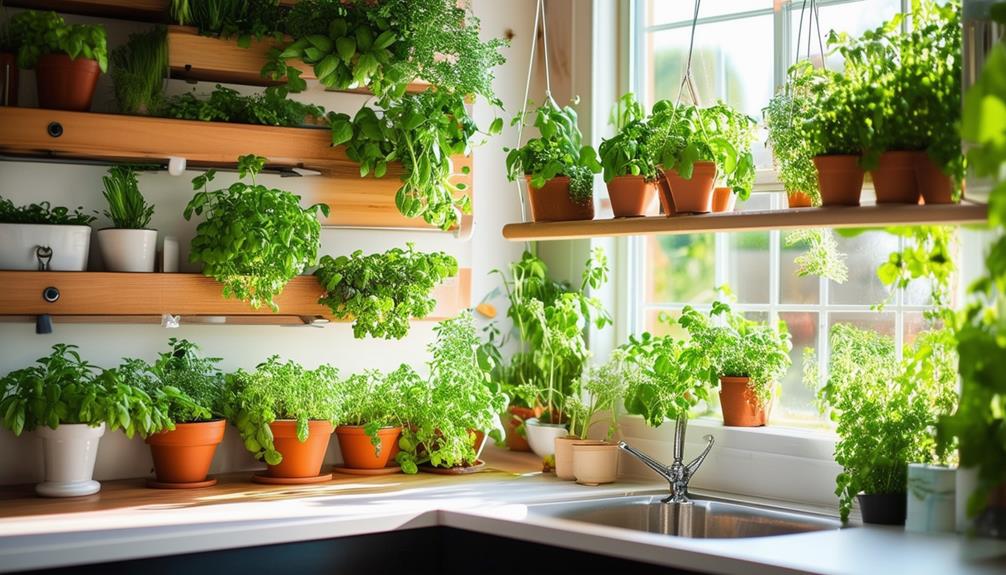
Indoor kitchen gardening brings the joy of cultivating fresh herbs like mint, thyme, and rosemary right into your home. It not only adds a touch of nature to your living space but also provides fresh ingredients for your meals. In small homes, maximizing space for growing plants and flowers in your kitchen becomes essential.
Here are three tips to optimize indoor kitchen gardening in small homes:
- Utilize vertical space: Install shelves or hanging planters to grow your herbs. This saves counter space and adds a vibrant touch to your kitchen.
- Choose low-maintenance plants: Consider air plants like Spanish moss and pink quill plants, which require minimal care and can thrive without soil.
- Start with regrowable foods: Items like garlic, green onions, and lemons can be regrown from scraps, making your indoor garden sustainable and cost-effective.
Incorporating these strategies ensures that your home is brimming with life and freshness. Whether you're a seasoned gardener or just starting, indoor kitchen gardening can transform your living space into a lush oasis.
Scrap Gardening
Scrap gardening enables you to transform kitchen leftovers into a flourishing, eco-friendly garden. By regrowing food scraps such as garlic, green onions, and lemons, you can enjoy fresh produce with minimal effort. This method is especially suitable for container gardening, making it ideal for small living spaces.
Popular options for scrap gardening include regrowing herbs, vegetables, and fruits from kitchen scraps. For example, green onion roots can be placed in water, and within a few days, new growth will appear. Garlic cloves can be planted directly into soil, and lemon seeds can be started in small pots. These plants thrive in containers, allowing you to place them on windowsills or countertops.
Scrap gardening is not only simple and cost-effective but also a sustainable way to reduce waste. It requires minimal resources, making it accessible for beginners and eco-conscious individuals. Additionally, you'll experience the satisfaction of cultivating your own fruits and vegetables at home. Whether you choose to grow indoors or outdoors, scrap gardening enhances your living space with fresh, homegrown produce. Gather your kitchen scraps and start your container garden today!
Hanging Plants
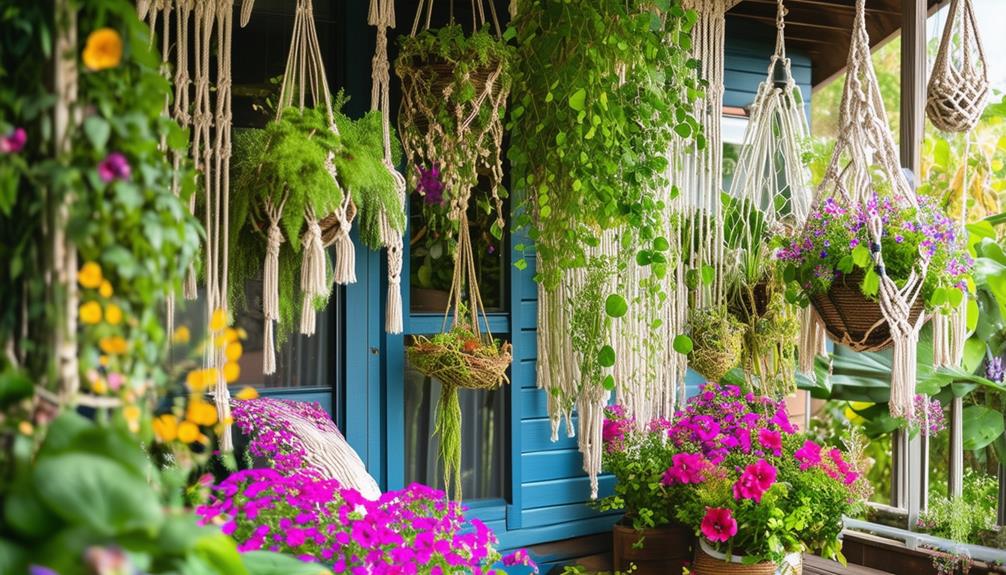
Hanging plants provide a stylish, space-saving way to bring greenery into your tiny home. By utilizing vertical space, you can keep your floor clear while still enjoying the benefits of indoor plants. Options like hanging pots, macramé plant hangers, and wall-mounted planters allow you to create a beautiful display without cluttering your living space.
Popular choices for hanging plants include pothos, spider plants, string of pearls, and ferns. These varieties thrive in hanging conditions and are relatively low-maintenance. Not only do they add color to your home, but they also improve indoor air quality by absorbing toxins and releasing oxygen.
To get started with hanging plants, follow these steps:
- Choose the Right Spot: Select a location with adequate light. Many hanging plants prefer indirect sunlight.
- Select Your Containers: Choose hanging pots or creative alternatives like macramé hangers that fit your aesthetic and functional needs.
- Maintenance: Regularly water and prune your plants. Since hanging plants can dry out faster, they may require more frequent watering.
Air Plants
Air plants, also known as Tillandsia, provide a space-efficient way to introduce greenery into your small home. These low-maintenance plants don't require soil to grow; they absorb nutrients and moisture directly through their leaves. Perfect for small spaces, air plants add a unique and modern touch to any living area.
To keep your air plants healthy, ensure they receive bright, indirect light. Mist or soak them occasionally, as they are generally quite forgiving. Available in various shapes and sizes, air plants can enhance the aesthetic appeal of your home.
Here are some creative ways to display air plants in your small home garden:
| Display Method | Description |
|---|---|
| Hanging Terrariums | Suspend them in glass globes for a floating effect. |
| Driftwood Mounts | Attach them to pieces of driftwood for a rustic look. |
| Decorative Containers | Place them in stylish bowls or jars for a chic vibe. |
Each method not only saves space but also enhances the visual appeal of your home. With air plants, you can effortlessly bring a touch of nature indoors without compromising on space or style.
Professional Gardening Assistance
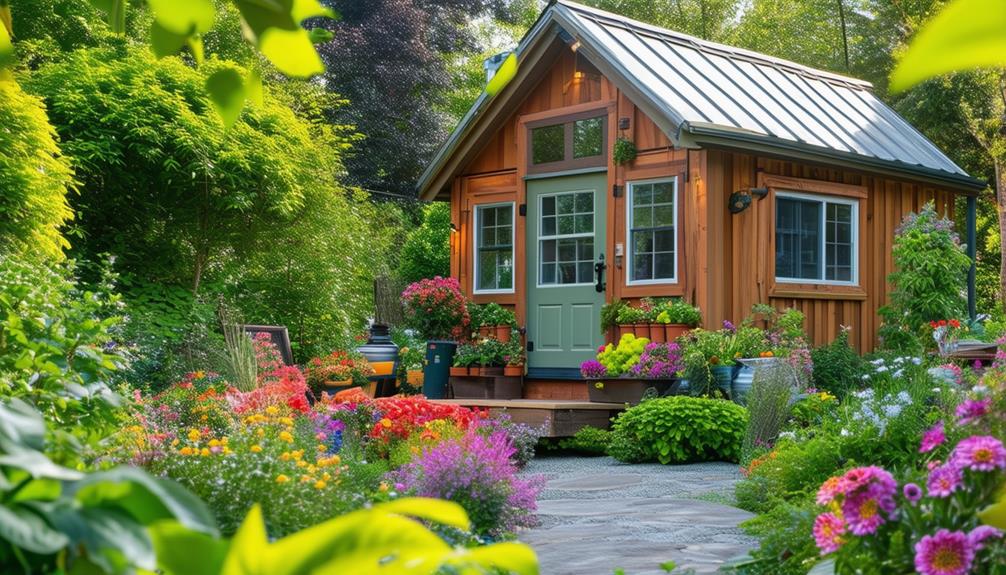
Transforming your small home's garden into a flourishing oasis is easier with professional gardening assistance. Limited space and knowledge can be challenging, but a pro can provide the expertise you need. Services like LawnStarter connect you with local experts who understand the nuances of gardening in compact areas.
Here are three key benefits of hiring a professional gardener:
- Optimal Sun Exposure: Different plants have unique sunlight requirements. Professionals can assess your garden's sun exposure and recommend plants that will thrive in those conditions. Proper placement ensures robust growth and vibrant blooms.
- Seasonal Expertise: Each season brings distinct challenges and needs. A gardening pro can prepare your plants for winter dormancy, apply mulch for insulation, and establish a summer watering schedule. This ensures your garden remains healthy and attractive year-round.
- Personalized Advice: Experts offer tailored advice on plant selection, soil quality, and pest management. They help you create a visually appealing, sustainable, and low-maintenance garden.
Hiring professional gardening assistance brings peace of mind and the joy of a flourishing garden, even in the smallest of spaces.